

Knowhow

Warum Kunden (nicht) kaufen
Sind Sie bereit, das Verhalten Ihrer Kunden wirklich zu verstehen? Dann ist diese Buch genau das richtige für Sie. Katharina Stapel, eine erfahrene Verhaltensökonomin mit über 20 Jahren Erfahrung, teilt in diesem Werk ihre wertvollen Erkenntnisse und Strategien. Sie zeigt Ihnen, wie Sie die Feinheiten des Kundenkaufverhaltens entschlüsseln und erfolgreich anwenden. Ganz nebenbei lernen Sie die Grundlagen der Verhaltensökonomie kennen und verstehen die grundlegenden Konzepte und Theorien, die das Verhalten Ihrer Kunden beeinflussen. So tauchen Sie tief in die Psychologie des Kaufens ein und entdecken, wie Emotionen, Wahrnehmungen und kognitive Verzerrungen Kaufentscheidungen prägen. Viele spannende Fallstudien und Realweltbeispiele zeigen, welche Verkaufsstrategien und Marketingkampagnen funktionieren (und welche nicht). Praxisnahe Tipps helfen Ihnen, Ihre Websites und Online-Plattformen zu optimieren und so die Kundenbindung und Conversion zu verbessern. Aus dem Inhalt: Irrtümer über menschliches VerhaltenVom Autoritäts-Bias bis zum Tellerand-BiasBedarf und BedürfnisEinwände und KaufmotiveKäuferpersönlichkeitenGrundlagen des VerkaufprozessesAquise und LeadgenerierungEinwandbehandlungDatenanalyseConversion und UpsellOptimierungenArbeitshilfen Geleitwort ... 8 Kontext -- wichtig! ... 10 Reflexion -- Warum Sie (nicht) verkaufen ... 15 Irrtümer über menschliches Verhalten: ein großes Missverständnis ... 17 Wie das Marketing plötzlich (nicht) verkauft hat ... 23 Shoppingtour: ein ganz normaler Tag im Leben eines Käufers ... 31 Statistik-Bias: wie man im Durchschnitt nicht verkauft ... 42 Tellerrand-Bias: wie man Kunden dazu bringt, nicht zu kaufen ... 48 Prioritäts-Bias: wie man den Kunden beim Verkaufen vergisst ... 51 First-Mover-Bias: wie man den Paradigmenwechsel verschläft ... 56 Lust-Bias: wie man am besten nur intern verkauft ... 62 Autoritäts-Bias: wie man Daten ohne Verantwortung fälschen kann ... 66 Beschäftigungs-Bias: wie man viel macht, ohne etwas zu machen ... 72 Benchmark-Bias: wie man sich täuschen lassen kann ... 78 Misunderstanding -- Warum Kunden (nicht) kaufen ... 85 Was Kahnemann nicht gesagt hat ... 88 Kunden kaufen leichter als gedacht ... 95 Image: Der erste Eindruck zählt ... 100 Bedarf und Bedürfnis: die Sprache der Kunden ... 107 Auf der Suche nach dem Match ... 113 Einwände: Ein Nein ist manchmal nur ein Aber ... 118 Kaufmotive: Charakter lässt sich nicht retuschieren ... 125 Analysis -- Einmal Fleissarbeit bitte ... 139 Multiple Käuferpersönlichkeiten: die fünf Gesichter ... 141 Create Conversio -- Interessenten zu Kunden machen ... 175 Grundlagen des Verkaufsprozesses ... 177 Akquise oder Leadgenerierung ... 182 Bedarfsanalyse oder Data Analytics ... 190 Einwandbehandlung -- das Nein des Kunden ... 197 Abschluss oder Conversion ... 206 Service oder smarter Upsell ... 216 Wunderschön und datengetrieben ... 225 Optimierung -- Immer besser werden ... 239 Die richtigen Fragen stellen ... 241 Clarity Compass ... 244 Die gemeinsame Sprache ... 247 Die Richtigen fragen ... 259 An den richtigen Stellen fragen ... 265 Mut und Tapferkeit ... 271 Austausch und Lernen ... 278 Performance-Faktoren: Was sind sie und wie können sie genutzt werden? ... 286 Praxishilfen -- Wie Sie digital profitabel verkaufen ... 291 Aller Anfang ist leicht, wenn man Kekse hat ... 293 Wer ist dieser Kunde, von dem alle immer reden? ... 296 Professionalisieren Sie Ihr Wissen über den Kunden ... 304 Wie möchte der Kunde Ihr Produkt kaufen? ... 305 Die gute Zusammenarbeit ... 314 Zur Erinnerung: Warum es entscheidend ist, alle Arbeitshilfen im System zu nutzen und nicht nur einzelne herauszupicken ... 321 Anhang: Sharing ... 325 Arbeitshilfen ... 326 E-Commerce für KMU ... 341 Index ... 345
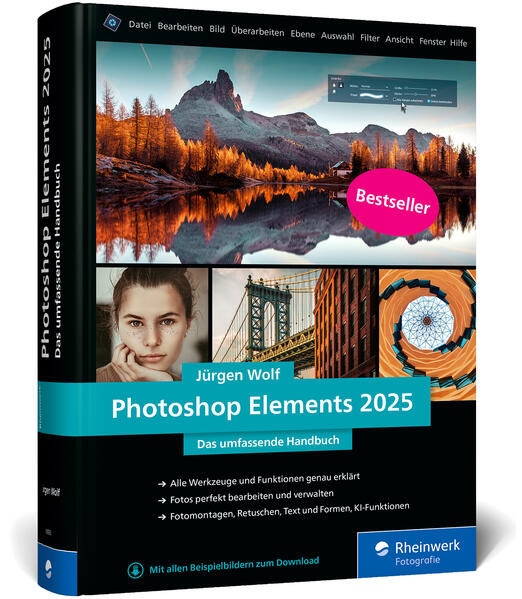
Photoshop Elements 2025 (16. Auflage)
Photoshop Elements 2025Eingescannte alte Familienfotos, die Bilder vom letzten Urlaub oder kreative Experimente mit der Kamera – Ihre fotografischen Schätze sind viel zu schade, um sie einfach nur auf der Festplatte zu lagern. In diesem umfassenden Handbuch erklärt Ihnen der passionierte Digitalfotograf Jürgen Wolf verständlich und praxisnah, wie Sie mit Photoshop Elements 2025 mehr aus Ihren Fotos herausholen.Mit dem Organizer bringen Sie Ordnung in Ihre Sammlung, mit dem Fotoeditor und Camera Raw korrigieren Sie Bildfehler und die Belichtung. Erfahren Sie außerdem, was es mit den KI-basierten Funktionen der Software auf sich hat und wie Sie diese optimal nutzen. Eine eigene Grußkarte mit Ihrem liebsten Naturmotiv gestalten? Auch das ist kein Problem! Zahlreiche Workshops und Profi-Tipps helfen Ihnen auch bei kniffligen Aufgaben. Damit Sie alle Schritte anschaulich nachvollziehen können, stehen Ihnen Beispielbilder zum Download zur Verfügung. Was auch immer Sie mit Photoshop Elements 2025 machen wollen – in diesem Buch erfahren Sie, wie es geht.Leseprobe (PDF)Aus dem Inhalt:Organizer und Fotoeditor kennenlernenDie KI-Funktionen verstehen und nutzenLokal und via Cloud mit der App und im Web arbeitenTiefen, Lichter, Kontraste und Farben korrigierenAuswahlen erstellen und Objekte freistellenMit Ebenen gezielt und kreativ arbeitenPorträts perfekt retuschierenTexte und Formen einsetzenReels, Collagen, Montagen und Panoramen erstellenBilder wirkungsvoll präsentierenFarbprofile, Plug-ins und Tastenkürzel nutzenMit vielen Beispielbildern zum DownloadÜber den Autor:Jürgen Wolf ist passionierter Digitalfotograf und weiß, worauf es in der Bildbearbeitung ankommt. Er arbeitet seit der ersten Version mit Adobe Photoshop Elements und zeigt Ihnen, was Version 2025 kann.

The Web3 Revolution
We stand on the cusp of a digital revolution, with Web3 technologies gaining momentum and proving pivotal in shaping the future of finance, art, governance, and social interactions. This comprehensive guide is designed to navigate the intricate world of Web3. Organized in four parts, it offers insightful analysis and explanations on blockchain technology, decentralized finance (DeFi), and the burgeoning realm of the metaverse, providing readers with a holistic understanding of their current state and future potential. Part 1 lays the groundwork by exploring the origins and fundamentals of blockchain technology. From the inception of blockchain and its mechanisms such as hash functions, encryption, and consensus algorithms, to a deep dive into Bitcoin, this section elucidates its operational mechanisms and reflects on its profound impact and the challenges it faces. Part 2 shifts focus to Ethereum and smart contracts, dissecting how Ethereum has expanded blockchain capabilities beyond mere currency. This part covers the details of smart contracts, their applications, the ERC standards that have fostered a plethora of tokens and applications, and Layer 2 solutions essential for scalability. Part 3 delves into DeFi and its applications, elucidating how traditional financial services are being revolutionized. It explores core concepts, mainstream protocols, and unpacks the inherent risks and challenges of DeFi, as well as examining tokenized real-world assets and NFTs, showing how blockchain bridges the digital and physical worlds. Part 4 explores the Web3 ecosystem, focusing on the metaverse and decentralized exchanges. You’ll learn about the metaverse’s potential to create parallel digital worlds, the mechanics of decentralized exchanges, and understand strategies crucial for investment and growth in this space. Whether you are a tech enthusiast, investor, entrepreneur, or simply curious about the future of the internet, The Web3 Revolution provides the essential knowledge to navigate, understand, and prepare for the decentralized future. We stand on the cusp of a digital revolution, with Web3 technologies gaining momentum and proving pivotal in shaping the future of finance, art, governance, and social interactions. This comprehensive guide is designed to navigate the intricate world of Web3. Organized in four parts, it offers insightful analysis and explanations on blockchain technology, decentralized finance (DeFi), and the burgeoning realm of the metaverse, providing readers with a holistic understanding of their current state and future potential. Part 1 lays the groundwork by exploring the origins and fundamentals of blockchain technology. From the inception of blockchain and its mechanisms such as hash functions, encryption, and consensus algorithms, to a deep dive into Bitcoin, this section elucidates its operational mechanisms and reflects on its profound impact and the challenges it faces. Part 2 shifts focus to Ethereum and smart contracts, dissecting how Ethereum has expanded blockchain capabilities beyond mere currency. This part covers the details of smart contracts, their applications, the ERC standards that have fostered a plethora of tokens and applications, and Layer 2 solutions essential for scalability. Part 3 delves into DeFi and its applications, elucidating how traditional financial services are being revolutionized. It explores core concepts, mainstream protocols, and unpacks the inherent risks and challenges of DeFi, as well as examining tokenized real-world assets and NFTs, showing how blockchain bridges the digital and physical worlds. Part 4 explores the Web3 ecosystem, focusing on the metaverse and decentralized exchanges. You’ll learn about the metaverse’s potential to create parallel digital worlds, the mechanics of decentralized exchanges, and understand strategies crucial for investment and growth in this space. Whether you are a tech enthusiast, investor, entrepreneur, or simply curious about the future of the internet, The Web3 Revolution provides the essential knowledge to navigate, understand, and prepare for the decentralized future. What You’ll Learn * Explore the core of Web3 with in-depth analysis, practical DeFi case studies, and a visionary outlook on its societal impact. * Unpack the complexities of blockchain, DeFi, and the metaverse with an extensive and thorough examination, from foundational technologies to futuristic applications. * Gain practical insights through detailed case studies on cryptocurrencies and DeFi protocols, coupled with an expert outlook on emerging challenges and how to navigate them. * Equip yourself with a forward-looking perspective that illuminates the transformative impact of Web3 on sectors like finance, art, governance, and societal structures, preparing you for the new digital era. Who This Book Is For Tech enthusiasts, investors, entrepreneurs, and those interested in the future of the internet Part 1: The Origins and Fundamentals of Blockchain.- Chapter 1: Decrypting Blockchain Technology.- Chapter 2: Bitcoin: The Pioneer of Digital Currency.- Part 2: Ethereum: The Cradle of Smart Contracts.- Chapter 3: The Rise of Ethereum. -Chapter 4: The Pillars of Web3: Ethereum's Wallet, Faucet, and Layer 2 Solutions.- Part 3: Decentralized Finance (DeFi) and Applications.- Chapter 5: The Rise of Decentralized Finance (DeFi).- Chapter 6: Tokenized Real-World Assets (RWA) and Decentralized Physical Infrastructure Networks (DePIN).- Chapter 7: Non-Fungible Tokens (NFTs) and Digital Art.- Chapter 8: DEX and Market Cap Management.- Part 4: Advancing Web3: Integration, Innovation, and Regulation.- Chapter 9: Navigating the Future of Web3 and the Metaverse.- Chapter 10: The Integration and Evolution of AI in Web3.- Chapter 11: Legal Frameworks for Web3. Dr. Hui Gong is a lecturer deeply immersed in the dynamic realms of fintech, blockchain technologies, and the innovative applications of generative AI in finance. His academic journey, crowned by a Ph.D. from University College London, has been a vibrant exploration of cryptocurrencies, Web3, the metaverse, and the transformative potential they hold. He has been privileged to engage with top-tier financial institutions like Credit Suisse and Citigroup, bringing artificial intelligence into the heart of quantitative finance. In his role as the founder of the China UK Blockchain Association and a former Special Advisor on Fintech and Blockchain for the All-Party Parliamentary Group on Blockchain, he’s actively contributed to the Sino-British dialogue in this sector. His time at UCL Centre for Blockchain Technologies (CBT) and Westminster Business School has further enabled him to delve into the intricacies of blockchain, resulting in publications on ICOs, CBDCs, and more. Dr. Gong is now channelling this wealth of experience and knowledge into writing this book, aiming to demystify blockchain, DeFi, and the metaverse for a broader audience at a pivotal moment in technological history.

Linux Mint 22 Schnelleinstieg
Linux Mint 22 Schnelleinstieg (1. Auflage, November 2024)Steigen Sie mit Linux Mint in die Linux-Welt ein! Mit diesem Buch erhalten Sie eine leicht verständliche Schritt-für-Schritt-Anleitung für die Installation und den Einsatz von Linux Mint 22. Dafür benötigen Sie keinerlei Linux-Kenntnisse und können schnell und einfach von Windows umsteigen.Sie werden Schritt für Schritt durch die verschiedenen Installationsmöglichkeiten von Linux Mint geführt (Live-Version, Festinstallation, Linux Mint als einziges oder als zweites Betriebssystem parallel zu Windows) und erfahren, wie Sie Linux Mint einrichten und an Ihre Bedürfnisse anpassen. Um sich schnell zurechtzufinden, erhalten Sie eine Einführung in die für Linux Mint empfohlenen Arbeitsoberflächen Cinnamon, Mate und XFCE sowie einen Überblick über vorinstallierte und weitere beliebte Linux-Software. Darüber hinaus erfahren Sie, wie Sie Software, die eigentlich für den Betrieb unter Windows gedacht ist, auch unter Linux nutzen können.Eine Einführung in die wichtigsten Linux-Grundlagen wie die Datei- und Benutzerverwaltung, die Installation von Software (Paketverwaltung) sowie das Terminal runden diesen Praxiseinstieg ab. So sind Sie optimal darauf vorbereitet, alle im Alltag anfallenden Aufgaben mit Linux Mint zu meistern.Aus dem Inhalt:Grundlagen zu Linux und MintInstallation und Live-VersionDie grafischen Oberflächen Cinnamon, Mate und XFCEAnwendungen nachinstallierenWindows-Programme mit Linux Mint nutzenLinux-Alternativen zu gängigen Windows-ProgrammenBackups und SicherheitTerminal und VerzeichnishierarchieAuf der Buch-DVD: Linux Mint 22 für PC (Cinnamon-Version, 64 Bit)Leseprobe (PDF-Link)Autoreninfo: Robert Gödl ist überzeugter Linux-Nutzer mit einer Vorliebe für das Testen von freien Betriebssystemen und freier Software. Nach über 20 Jahren ohne Microsoft Windows möchte er anderen zeigen, dass Linux heute einfach zu installieren, zu nutzen und zu verstehen ist. Ohne viele technische IT-Begriffe macht er Linux auch Benutzern ohne Vorkenntnisse schnell und einfach zugänglich.

Kubernetes Best Practices (2. Auflg.)
Kubernetes Best Practices, die Übersetzung der 2. Auflage, Oktober 2024.In diesem praktischen Leitfaden teilen Brendan Burns und drei weitere Kubernetes-Experten ihre bewährten Vorgehensweisen beim Erstellen von Anwendungen mit Kubernetes mit Ihnen. Sie bündeln jahrzehntelange Erfahrungen aus den unterschiedlichsten Anwendungsbereichen und von Unternehmen, die Kubernetes erfolgreich in der Produktion einsetzen. Konkrete Codebeispiele sowie Strategien zur Fehlervermeidung und -behebung helfen Ihnen bei der Umsetzung in die Praxis.Dieses Buch ist die Übersetzung der zweiten englischen Auflage. Es ist ideal für alle, die mit den grundlegenden Kubernetes-Konzepten vertraut sind und die neuesten Best Practices lernen möchten. Aus dem Inhalt:- Patterns für die Überwachung und Sicherung Ihrer Systeme sowie Verwaltung von Upgrades, Rollouts und Rollbacks- Integration von Diensten und Legacy-Anwendungen - Ausführen von Workloads für Machine Learning in Kubernetes- Sicherstellen der Pod- und Container-Sicherheit- Verstehen von Themen, die für die erfolgreiche Implementierung von Kubernetes immer wichtiger werden, wie z. B. Chaos Engineering/Testing, GitOps, Service Mesh und ObservabilityÜber die Autoren:Brendan Burns ist ein angesehener Ingenieur bei Microsoft Azure und Mitbegründer des Open-Source-Projekts Kubernetes. Er entwickelt seit mehr als einem Jahrzehnt Cloud-Anwendungen.Eddie Villalba ist Engineering Manager und Application Platform Practice Lead für Nordamerika bei Google Cloud. Er leitet ein Team von Ingenieuren, das sich darauf konzentriert, Kunden beim Aufbau von containeroptimierter Plattformen für skalierbare, zuverlässige verteilte Anwendungen zu unterstützen.Dave Strebel ist Global Cloud Native Architect bei Microsoft Azure mit Schwerpunkt auf Open Source Cloud und Kubernetes. Er ist stark in das Open-Source-Projekt Kubernetes involviert, unterstützt das Kubernetes-Release-Team und leitet die SIG-Azure.Lachlan Evenson ist Principal Program Manager im Container Compute Team bei Microsoft Azure. Er hat zahlreichen Menschen beim Einstieg in Kubernetes geholfen, sowohl durch praxisnahe Schulungen als auch mit seinen Vorträgen auf Konferenzen.

Kubernetes Best Practices
Praktische Anleitungen und Vorlagen zum Bauen erfolgreicher Kubernetes-Anwendungen - Bewährte Vorgehensweisen aus dem Arbeitsalltag von Kubernetes-Mitbegründer Brendan Burns - Praxisnaher Überblick über viele aktuelle und zentrale Themen - Mit Codebeispielen aus erfolgreichen Kubernetes-Projekten In diesem praktischen Leitfaden teilen Brendan Burns und drei weitere Kubernetes-Experten ihre bewährten Vorgehensweisen beim Erstellen von Anwendungen mit Kubernetes mit Ihnen. Sie bündeln jahrzehntelange Erfahrungen aus den unterschiedlichsten Anwendungsbereichen und von Unternehmen, die Kubernetes erfolgreich in der Produktion einsetzen. Konkrete Codebeispiele sowie Strategien zur Fehlervermeidung und -behebung helfen Ihnen bei der Umsetzung in die Praxis. Dieses Buch ist die Übersetzung der zweiten englischen Auflage. Es ist ideal für alle, die mit den grundlegenden Kubernetes-Konzepten vertraut sind und die neuesten Best Practices lernen möchten. Aus dem Inhalt: - Patterns für die Überwachung und Sicherung Ihrer Systeme sowie Verwaltung von Upgrades, Rollouts und Rollbacks - Integration von Diensten und Legacy-Anwendungen - Ausführen von Workloads für Machine Learning in Kubernetes - Sicherstellen der Pod- und Container-Sicherheit - Verstehen von Themen, die für die erfolgreiche Implementierung von Kubernetes immer wichtiger werden, wie z. B. Chaos Engineering/Testing, GitOps, Service Mesh und Observability
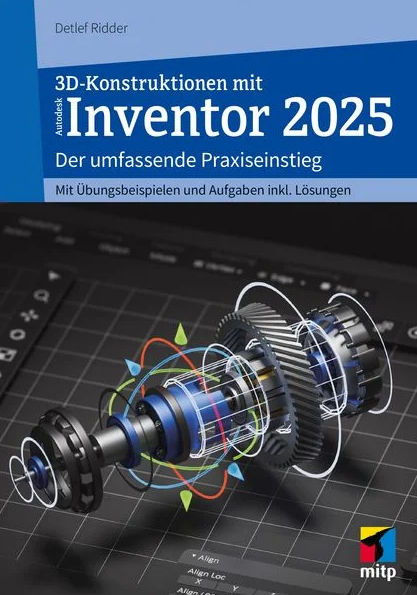
3D-Konstruktionen mit Autodesk Inventor 2025
Der praxisnahe EinstiegDieses Grundlagen- und Lehrbuch zeigt Ihnen anhand vieler einzelner Konstruktionsbeispiele die Möglichkeiten von Inventor 2025 und richtet sich insbesondere an Inventor-Neulinge, die Wert auf einen gründlichen praxisnahen Einstieg legen. Die wichtigsten Vorgehensweisen werden mit vielen einzelnen Beispielen erklärt und können daher leicht für eigene Projekte eingesetzt werden. Inventor von A bis ZAlle wichtigen Befehle werden detailliert vorgestellt: von der Erstellung von 2D-Skizzen mit Bemaßung und Abhängigkeiten über die verschiedenen Arten der Modellierung bis hin zur Erstellung von Baugruppen, Zeichnungsableitung, dem Erstellen von Stücklisten und animierten Präsentationen. Zu jedem Kapitel finden Sie Testfragen mit Lösungen im Anhang, mit denen Sie Ihr Wissen überprüfen und festigen können. Bonuskapitel und Projektdateien zum DownloadDie vollständigen Projekte der 3D-Beispiele inklusive der Bauteile, Baugruppen und Zeichnungen stehen auf der Webseite des Verlags zum Download bereit und helfen Ihnen, alle Übungsbeispiele leicht nachzuvollziehen. Darüber hinaus erhalten Sie zwei digitale Bonuskapitel zu den Spezialthemen »iLogic-Programmierung« und »Module für Blech, Gestell, Welle, Schweißen, BIM-Export, Elektronik«. Aus dem Inhalt:Installation und BenutzeroberflächeSkizzenerstellung in 2D und 3D mit Linie, Bogen, Kreis, Rechteck, Langloch, PolygonAbhängigkeiten und Bemaßungen in der SkizzeAutoCAD-2D-Import3D-Modellierung mit Grundkörpern wie Quader, Zylinder, Kugel und TorusVolumenkörper über Extrusion, Rotation, Sweeping und Lofting (Erhebung)Spezielle Modellierung mit Spirale, Prägen, Ableiten, Rippe und AufklebenVolumenkörper ergänzen: Bohrung, Fase, Rundung, Gewinde, Wandstärke, Flächenverjüngung, Markierungen, Oberflächenbeschaffenheit etc.iFeatures, iMates, iParts, iAssembliesBaugruppen durch Platzieren der Bauteile mit geometrischen Abhängigkeiten oder VerbindungsfunktionenModellzustände, Exemplareigenschaften und GeometrievereinfachungZeichnungsableitung mit Ansichten, Bemaßungen und BeschriftungenErstellen von Stücklisten und PositionsnummernAnimierte Präsentationen, fotorealistische Bilder mit verschiedenen StilenAutoreninfo:Detlef Ridder hat bereits zahlreiche Bücher zu AutoCAD, Inventor, Revit und Archicad veröffentlicht. Er gibt Schulungen zu diesen Programmen und zu CNC und weiß daher, welche Themen für Einsteiger besonders wichtig sind.

Building Digital Twin Metaverse Cities
Why do we need to live in a smart city? Rapid urbanization causes compelling city problems worldwide, such as housing, traffic, schooling, healthcare, employment, and pollution. Numerous smart-city scholars and practitioners have attempted to tackle these problems but lack an integrated approach and practical implementation tools to solve them. This book explains how to build digital twin metaverse cities aimed to accelerate urban digital transformation through emerging technologies.You’ll start by identifying a problem statement, designing a novel digital twin metaverse architecture, reviewing emerging technologies as building blocks and showcasing interesting applications. You’ll then review state-of-the-art digital twin metaverse development tools and present readers with interesting engineering prototypes of my proposed digital twin smart cities. Finally, you’ll discover how to avoid some management pitfalls during the construction of innovative smart cities, including project management, change management, leadership skills, and modern management information systems.With _Building Digital Twin Metaverse Cities_ you’ll work with a novel architectural design and use the latest technologies as building blocks to construct smart cities of your own.WHAT YOU'LL LEARN* Explore complex issues arising from rapid urbanization.* Discover how emerging technologies like 5G, IoT, and AI can solve urban problems.* Master the digital twinning process powered by the Data Analytics Flywheel.* Explore core and enabling technologies shaping Digital Twin Metaverse Cities.* Gain hands-on experience with development tools and prototypes for smart city applications.WHO THIS BOOK IS FORProfessionals who want to learn emerging technologies and digital twin metaverse development tools to construct innovative smart cities to solve the current pressing urbanization problems. General readers like city residents and government officials worldwide, who are suffering from the growing pains of rapid urbanization and looking for effective smart city solutions using new technologies and methodology. Smart city researchers and college students wanting to build smart projects for urban digital transformation and smart Xs (everything).Dr. Samuel Li has 23 years of intensive management and leadership experiences in global ICT multinationals, including Nortel, Nokia, Motorola, BTI, Linaro and Anhub in USA, Canada, and Asia. He is credited with successful technology management for the world’s first touchscreen Linux smartphone: Motorola A760, the global first Nokia mobile Internet applications: MIA, and pioneering Android mobile platform: SavajeOS.Dr Li also has over 10 years of high education teaching experience. He is currently actively engaging in academic research and teaching roles at Northeastern University, Anna Maria College, University Canada West, University of Waterloo, University of Toronto, Hangzhou Dianzi University, and Zhejiang University of Technology. He holds an MBA degree from University of Toronto, Global Executive MBA program, a Master’s degree of System Design Engineering, and a Bachelor’ degree in Computer Sciences. He is currently pursuing a PhD in Management Sciences from the University of Waterloo, focusing on advanced study in the Internet platform sharing economy, big data/AI/machine learning, and online trust and reputation systems.Dr Li has also published various papers and books in subjects of IT management, digital transformation, data analytics, machine learning, AI, etc.PART I: GETTING STARTED – A PROBLEM STATEMENT.- Chapter 1: Rapid Global Urbanization.- Chapter 2: Problem statement and solution overview.- Chapter 3: Book proposition and unique selling points.- PART II: FIRST THING FIRST – A NEW SMART CITY DESIGN.- Chapter 4: What Are Novel THEORETICAL Framework Over There.- Chapter 5: An Architectural Design of Digital Twin Metaverse Cities.- Chapter 6: A Digital Twinning Process for Metaverse Cities.- PART III: THE BUILDING BLOCKS – WHAT ARE EMERGING TECHNOLOGIES.- Chapter 7: Rising Emerging Information Technologies: Core.- Chapter 8: Rising Emerging Information Technologies: Enablers.- PART IV: SHOWING ME REAL EXAMPLES – SMART CITY SHOWCASES.- Chapter 9: Showcases of Emerging ITs for Digital Twin Metaverse Cities: Core.- Chapter 10: Showcases of Emerging ITs for Digital Twin Metaverse Cities: Services.- PART V: SHOWING ME HOW – THE DEVELOPMENT TOOLS AND PROTOTYPES.- Chapter 11: Digital Twin Development Tools.- Chapter 12: Metaverse Development Tools.- Chapter 13: Digital Twin Metaverse Prototypes - Smart Living.- Chapter 14: Digital Twin Metaverse Prototypes – Smart Working.- Chapter 15: Digital Twin Metaverse Prototypes – Entertainment & City.- PART VI: WHAT IS NEXT – JUST DO IT.- Chapter 16: Managing successful smart city projects.- Chapter 17: Change management during new smart city cutover.- Chapter 18: New leadership skills needed during building and managing smart cities.- PART VII: APPENDIXES.- Appendix A: Building digital Twin based Modern Management Information Systems.
Product Ownership meistern (2. Auflage)
Product Ownership meistern. Produkte erfolgreich entwickeln (2., überarbeitete und erweiterte Auflage)Die Rolle des Product Owners ist anspruchsvoll. Er muss mit seinem Team die Probleme und Bedürfnisse aller Stakeholder durch ein wertvolles Produkt lösen und dabei alle Interessen unter einen Hut bringen. Gerade in der digitalen Produktentwicklung ist er dabei oft mit komplexen und damit schwer einzuschätzenden Problemen konfrontiert.Der erste Schritt zur Bewältigung der Herausforderungen als Product Owner ist es, die Hintergründe der digitalen Produktentwicklung zu verstehen. Zu wissen, warum Komplexität das ausschlaggebende Grundproblem ist und welche Auswirkungen Komplexität auf den gesamten Produktlebenszyklus hat.Der zweite Schritt ist zu wissen, welche Verantwortlichkeiten ein Product Owner hat und welche Stolpersteine es gibt. Methoden und Artefakte zu kennen, ist der dritte Schritt. Dazu gehört auch zu wissen, wie ein Product Owner diese anwenden kann, um sein Team und seine Stakeholder von der Problemerkundung, Ideenfindung und Validierung über die (Weiter-)Entwicklung bis hin zur Ablösung bestmöglich anzuleiten und zu begleiten. Dazu gibt Ihnen »Product Ownership meistern« einen umfangreichen Methodenkatalog mit Tipps, Tricks und Beispielen an die Hand. Bleibt nur noch Schritt vier: Wissen und Methoden anwenden. Nach der Lektüre dieses Buchs haben Sie das Rüstzeug, wahrlich meisterlich Produkte zu entwickeln!Die 2. Auflage wurde um neue Methoden wie Assumption Mapping, Domain Storytelling und Opportunity Solution Tree, weitere Praxistipps und in vielen einzelnen Aspekten ergänzt.Leseprobe (PDF-Link)Über die AutorenFrank Düsterbeck macht Arbeit wert(e)voll – als Geschäftsführer der Kurswechsel Unternehmensberatung GmbH, Berater bei der HEC GmbH, Dozent, Fachbeirat und Sprecher auf diversen Konferenzen und Veranstaltungen. Er ist Experte in den Bereichen digitale Produktentwicklung, Innovation sowie Organisationsentwicklung und -Transformation. Immer mit dem klaren Ziel, wirklich etwas im Denken seiner Gegenüber zu bewirken und über den Einsatz moderner Verfahren und Methoden, eine wertbringende und wertschöpfende Zusammenarbeit zu ermöglichen.Ina Einemann ist selbstständiger Agile Coach mit dem Schwerpunkt auf Anforderungsmanagement und Product Ownership. Seit über zehn Jahren unterstützt sie Unternehmen dabei, agile Methoden erfolgreich zu implementieren und Teams in ihrer Zusammenarbeit zu stärken. Ihr Fokus liegt darauf, Teams zu befähigen und ein Umfeld zu schaffen, in dem sie erfolgreich und motiviert Produkte mit hoher Kundenzufriedenheit entwickeln. Sie spricht regelmäßig auf agilen Konferenzen, ist Kuratorin diverser Konferenzen und einer der Hosts vom agilen Podcast „Mein Scrum ist kaputt“.

Datenarchitekturen
Gewinnen Sie Klarheit über verbreitete Datenarchitektur-Konzepte Alle Konzepte im Überblick: Der erste Leitfaden für die verschiedenen Ansätze, der hilft, eine Architektur auszuwählen, die zu den eigenen Anforderungen passt Beschreibt die populärsten Datenarchitekturen, zeigt Vor- und Nachteile und wie sich Theorie und Praxis unterscheiden Inkl. zahlreicher Schaubilder und vergleichender Tabellen Data Fabric, Data Lakehouse und Data Mesh sind als praktikable Alternativen zum Modern Data Warehouse in den Fokus der Unternehmen gerückt. Diese neuen Architekturen haben solide Vorteile, aber ihre fachliche Einordnung ist auch von Missverständnissen und Übertreibungen geprägt. Dieses praxisorientierte Buch bietet eine gut verständliche Einführung in jeden dieser Architekturansätze und hilft damit Datenexpertinnen und -praktikern, die jeweiligen Vor- und Nachteile zu verstehen. James Serra erläutert die Konzepte gängiger Datenarchitekturen und zeigt dabei auch, wie sich Data Warehouses weiterentwickeln mussten, um mit Data-Lake-Funktionen arbeiten zu können. Sie erfahren, was Sie mit Data Lakehouses erreichen können und wie Sie Hype und Realität bei Data Meshs unterscheiden. Nach der Lektüre dieses Buchs werden Sie in der Lage sein, die für Ihre Zwecke am besten geeignete Datenarchitektur zu bestimmen. Entwickeln Sie ein grundlegendes Verständnis für die verschiedenen Datenarchitekturen Informieren Sie sich über die Stärken und Schwächen der einzelnen Ansätze Verstehen Sie die Unterschiede zwischen Data Warehouses und Data Lakes Profitieren Sie von der langjährigen Erfahrung von James Serra und erfahren Sie, wie Theorie und Praxis der jeweiligen Datenarchitekturen voneinander abweichen Wählen Sie die beste Architektur für Ihren Anwendungsfall aus Lernen Sie, wie man eine Architektur-Design-Sitzung durchführt, das Team organisiert und was die Erfolgsfaktoren für ein Projekt sind

Analytische Datenarchitekturen
Lange Zeit waren Data Warehouse, Data Mart und Operational Data Store die einzigen verbreiteten Komponenten einer analytischen Datenarchitektur. Die zunehmende Verwendung komplexer Daten zur Entscheidungsunterstützung hat in den letzten Jahren Architekturkomponenten wie den Data Lake oder Möglichkeiten zur analytischen Verwendung von Stromdaten hervorgebracht. War ihr Einsatz in vielen Organisationen zunächst von Misserfolgen begleitet, haben sich mittlerweile Grundsätze etabliert, die einen sinnvollen Einsatz ermöglichen. Seit kurzem sind mit Data Lakehouse, Data Fabric und Data Mesh weitere Ansätze in der Diskussion.Durch diese Vielzahl existierender Ansätze ist der Themenkomplex unübersichtlich geworden und es wird immer schwieriger, den Überblick zu behalten. Genau darin liegt die Zielsetzung des vorliegenden Buches: Mit einem klaren Fokus auf derzeit relevante Architekturkomponenten sollen ihre Hauptmerkmale verdeutlicht werden.MICHAEL SCHULZ hält eine Professur für Wirtschaftsinformatik, insb. analytische Informationssysteme an der NORDAKADEMIE - Hochschule der Wirtschaft und ist Leiter des Master-Studiengangs 'Applied Data Science'. Seine Schwerpunkte liegen in der Business Intelligence und der Data Science.Einleitung.- Analytische Datenarchitektur für die Verfügbarmachung strukturierter Daten.- Analytische Datenarchitektur für die Verfügbarmachung komplexer Daten.- Analytische Datenarchitektur für die Verfügbarmachung beliebiger Datenstrukturen.- Zusammenfassung.

A Beginner's Guide to Digital Image Repair in Photoshop: Volume 2
Continue to explore how to digitally restore your old historical photos in Photoshop for print out or to use online as still photos. As you progress through this volume’s chapters, you’ll look at some of the many color adjustments and filters that Photoshop has to offer, both old and new. These can assist you in your restoration project or to animate select images._A Beginner’s Guide to Digital Image Repair in Photoshop: Volume 2 _shares various techniques and tips that you can use to restore your own photos using Photoshop’s Adjustment Layers and filters. You’ll look at some basic animation options and the various techniques you can use in Photoshop to repair damage.When done you’ll be ready to move beyond Photoshop and explore the next steps in your project.WHAT YOU’LL LEARN* Use the new and improved Adjustment Layers panel for basic overall color correction.* Discover which old and new filters are useful for repairing most photo issues.* Animate photos using the Photoshop Timeline panel.WHO IS THIS BOOK FORBeginning to Intermediate-level users who would like to learn how to repair old historical photos and slides for digital presentation or for print. Also, for those who are interested in basic digital image repair and animation.Jennifer Harder has worked in the graphic design industry for over 15 years. She has a degree in graphic communications and is currently teaching Acrobat, and Adobe Creative Cloud courses at Langara College. She is also author of several Apress books and related videos.Chapter 1: Adjustment Layers, Blending Modes with Masks for Photo Restoration: Part 1.- Chapter 2: Adjustment Layers, Blending Modes with Masks for Photo Restoration: Part 2.- Chapter 3: Basic Filters for Photo Restoration.- Chapter 4: Advanced Filters for Photo Restoration: Part 1 .-Chapter 5: Advanced Filters for Photo Restoration: Part 2.- Chapter 6: Creating a Parallax: Bringing Your Vintage or Historical Photos to Life.- Chapter 7: Next Steps in Your Photo Restoration Project.

Photoshop Elements 2025 For Dummies
IGNITE YOUR CREATIVITY WITH PHOTOSHOP ELEMENTSIntroducing the latest edition of Photoshop Elements 2025 For Dummies, updated for the newest version of Adobe's affordable and beginner-friendly photo editing software. With this comprehensive guide at your fingertips, you'll unlock the potential of Elements, turning ordinary photos into extraordinary images. Packed with all the essential photo editing tools, this software empowers you to brush up snapshots, create like-worthy social media posts, and create artistic masterpieces. In this easy-to-understand guide, you'll find instructions on using editing tools, working with layers, making one-click fixes, brightening colors, adding filters, and beyond.* Master the basics of Photoshop Elements and make basic edits in Quick Mode* Learn advanced editing techniques such as background replacement, stylize type, apply blend modes, social meda sharing, and other creative tricks,* Discover the latest AI features such as depth of field, change object color, and combine photos* Utilize camera raw to transform your camera's image data into stunning photographsPerfect for non-professional photographers and graphic designers new to Elements or looking for a refresh, this best-selling Dummies guide is your essential companion for getting started with Elements and learning insider tips to create images that “pop.”

iPhone und iPad - Handbuch für alle Einstellungen & Funktionen - Mit Schritt-für-Schritt-Anleitungen zu allen Innovationen und Tricks
Entdecken Sie die besten Funktionen Ihres Smartphones! Möchten Sie auf Ihr neues iPhone umsteigen oder es erstmalig einrichten? Dann ist dieser Ratgeber für Sie geeignet. Smartphones und Tablets haben den klassischen Computer oder Laptop inzwischen weitgehend ersetzt. Das iPhone und iPad gehören trotz ähnlich leistungsstarken Geräten am Markt zu den beliebtesten. Die Bedienung wird mit diesem Buch selbst für Dummies ein Kinderspiel – von den Grundfunktionen der Apps, der Sicherheit sowie der Funktionen der AI ist alles beinhaltet. So können Sie das Beste aus Ihrem Apple-Produkt herausholen. Der Leitfaden dient als Bedienungshilfe um Ihre Daten und Kontakte sicher zu übertragen. Lernen Sie alles über Bluetooth, Siri und iOS 18 sowie iPadOS18. Auch die Konfiguration Ihres Bildschirms wird dank des Ratgebers eine Leichtigkeit. Durch zahlreiche Screenshots, Abbildungen und Schritt-für-Schritt-Anleitungen finden Sie sich mühelos zurecht und können alle Vorteile Ihres Gerätes genießen: - Konto einrichten: Steigen Sie reibungslos auf Ihr neues iPhone oder iPad um oder richten Sie es ein. - Künstliche Intelligenz: Lernen Sie die neuen KI-Funktionen kennen und anzuwenden. - Apps entdecken: Finden und nutzen Sie praktische Apps für Bücher, FaceTime, Podcasts, Fitness und mehr. - Kamera und Bildbearbeitung nutzen: Holen Sie das Beste aus Ihren Fotos heraus und sichern Sie sie per iCloud. - Sicherheit: Schützen Sie Ihre Daten, Medien und Zugänge mit der Passwörter-App.

Modernizing .NET Web Applications
In 2016, Microsoft introduced the new generation of .NET called .NET Core. It brought many fundamental improvements to the platform, but there were also many breaking changes and missing APIs, especially when it comes to creating web applications. Upgrading any website running on .NET Framework to the new .NET Core proved to be a complex process, which can take months or even years.This book describes two approaches you can take to incrementally modernize legacy .NET web applications. It explains the changes that happened in ASP.NET MVC, ASP.NET Web API, Entity Framework, ASP.NET Identity, SignalR, and other libraries. It also shows a migration path for applications written in ASP.NET Web Forms: a technology which isn’t supported in the new .NET at all.In addition, the book describes the new frameworks available in the ASP.NET Core platform (Blazor, Razor Pages, ASP.NET Core MVC, SignalR Core, and so on) and helps you decide which technology will be the best fit.The book also covers several “soft” areas: how to explain the benefits or necessity for the modernization to your company management, how to deal with refactoring and improving the overall code quality during the entire process, and how to adjust the architecture of the application to be ready for another technology upgrade in the future.The topic of modernization is highly relevant. There are still plenty of legacy .NET applications that are being actively developed and maintained. Many of them were developed for 10+ years, they involve plethora of company-specific know-how, and it is not economically feasible to rewrite them from scratch.WHAT YOU WILL LEARN* Discover the changes you need to make in a legacy ASP.NET application to migrate it to .NET 8 and beyond* Estimate the required effort and prepare the entire process* Use the In-place or Side-by-side approach to modernize your application incrementally* Migrate from ASP.NET Web Services or WCF to REST or gRPC* Migrate from ASP.NET SignalR to SignalR Core or from Entity Framework to EF Core* Migrate from Forms Authentication to ASP.NET Identity* Migrate ASP.NET Web Forms to Blazor Server or DotVVM* Migrate ASP.NET MVC and Web Pages to ASP.NET Core MVC and Razor Pages* Refactor and clean up your codebase to make it more maintainableWHO THIS BOOK IS FOR.NET developers who work with ASP.NET web applications running on the .NET framework, and tech leads and software architects who make technical decisions about legacy .NET projects used in their organizationTOMÁŠ HERCEG lives in the Czech Republic, and has been a Microsoft MVP since 2009. He runs a software consulting company called RIGANTI, and he has founded DotVVM, an open-source framework for building web apps using a popular MVVM design pattern. He often speaks at conferences and user groups, and he is the founder of Update Conference, the largest .NET developer event in the Czech Republic.Tomas spent a large part of his career helping his customers with technical decisions, such as cloud migration, microservices architecture, domain-driven design, and modernization of large legacy applications. He wrote many technical articles about .NET development and conducted numerous courses and hands-on labs. Writing this book seemed like the next step forward.Chapter 1: Introduction.- Chapter 2: Justifying Modernization.- Chapter 3: Before You Start.- Chapter 4: Migrating APIs and Web Services.- Chapter 5: Migrating Data Access.- Chapter 6: Migrating Identity Stores.- Chapter 7: In-place Migration of UI Applications.- Chapter 8: Side-by-Side Migration of UI Applications.- Chapter 9: Migration of ASP.NET MVC and Web Pages.- Chapter 10: A Word on Architecture.- Chapter 11: Conclusion.
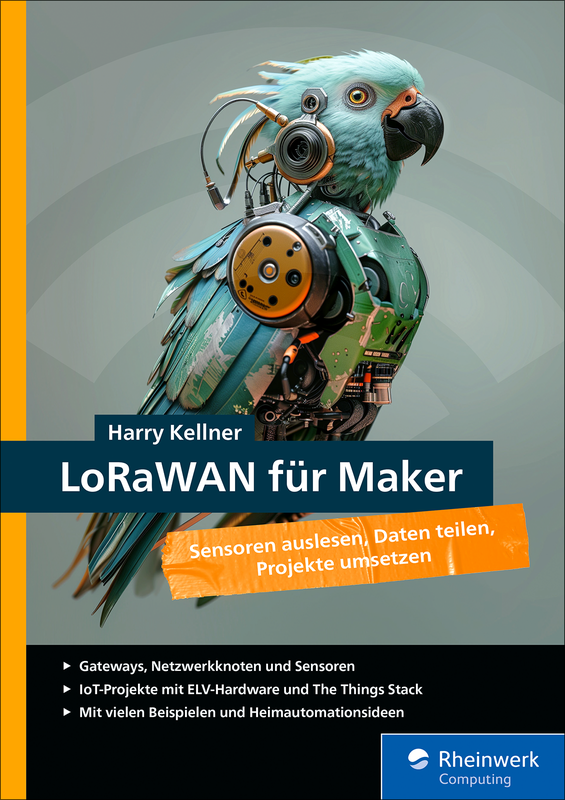
LoRaWAN für Maker
Sensoren auslesen, Daten teilen, Projekte umsetzen. Im heise shop als E-Book erhältlich.Mit LoRaWAN realisieren Sie drahtlose Maker-Projekte, die weder auf Steckdosen noch auf WLAN-Router angewiesen sind. Praxisorientiert lernen Sie dazu in diesem E-Book, wie Sie mithilfe von Hardware von ELV und The Things Stack Sensoren auslesen, Daten sammeln und Aktoren schalten können – und das alles über beeindruckende Reichweiten, die weit über die Möglichkeiten von WLAN und Bluetooth hinausgehen. Harry Kellner begleitet Sie Schritt für Schritt von den Grundlagen bis zur Umsetzung Ihrer eigenen kreativen Projekte. Sie erfahren, wie Sie das Basismodul konfigurieren, Sensoren anschließen und die gesammelten Daten mithilfe von Automatisierungslösungen und Webhooks auswerten und nutzen können. Aus dem Inhalt: LoRa – ein Protokoll erobert die WeltEin passendes Gateway wählenModule und KnotenSensoren für alle AufgabeDas ELV-Modul-SystemThe Thing StackEine eigene Wetterstation aufbauen: Temperatur und Luftfeuchtigkeit messenTüren, Fenster und Briefkästen überwachen

Talk!
Sind Sie es leid, bei öffentlichen Reden anderen den Vortritt zu lassen, weil Sie Angst haben, nervös zu wirken oder sich unsicher zu fühlen? Stellen Sie sich vor, wie es wäre, selbstbewusst und überzeugend zu sprechen und Ihre Ideen klar und wirkungsvoll zu präsentieren. Thomas Pyczak, ein erfahrener Coach, Trainer und Autor, teilt seine tiefen Einblicke und persönlichen Erfahrungen als Chefredakteur und Geschäftsführer, um Ihnen zu helfen, Ihre Sprechängste zu überwinden. Entdecken Sie die Kunst der überzeugenden Rhetorik, basierend auf den Weisheiten antiker griechischer Rhetoriker und den neuesten wissenschaftlichen Erkenntnissen, TED Talks und Business Storytelling. Lernen Sie praktische Tipps und Tricks, die sofort anwendbar sind, um Ihre Präsentationsfähigkeiten zu verbessern. Thomas Pyczak zeigt Ihnen, wie gerade introvertierte Menschen zu herausragenden Rednern werden können. Nehmen Sie Ihre Kommunikationsfähigkeiten in die Hand und lernen Sie, Ihr Publikum zu bewegen und mit Ihren Worten zu überzeugen. Beginnen Sie Ihre Reise zu herausragenden Präsentationsfähigkeiten mit Thomas Pyczak und machen Sie den ersten Schritt zu einem selbstsicheren und überzeugenden Auftreten. Aus dem Inhalt: Recherchieren: die richtigen FragenStoryfizieren: den roten Faden entwickelnTrainieren: die souveräne eigene StimmePräsentieren: ein Gespräch mit dem Publikum führenLernen: nach dem Vortrag ist vor dem VortragChecklisten, Grafiken, Canvases, Worksheets Danke ... 11 Einleitung ... 13 Recherchieren -- Die richtigen Fragen stellen ... 19 Information oder Transformation? -- Wann eine Präsentation Sinn macht -- und wann nicht ... 21 Ich habe unvorsichtigerweise zugesagt -- Die Furcht vor dem Vortrag überwinden ... 25 Die Verwandlungen von Michelle und Barack Obama -- Vortragskunst lässt sich lernen ... 31 Der Norden und der Süden des Temperaments -- Introvertierte und Extravertierte im Rampenlicht ... 36 Auf einem Bierdeckel ist genug Platz -- Inhalt und Message in wenigen Worten vermitteln ... 42 Prompter und Flipcharter -- Themen mithilfe von ChatGPT umreißen und strukturieren ... 47 Die Präsentation dauert ja nur 20 Minuten -- Ein sicheres Gefühl für Länge und Aufwand bekommen ... 53 Flixen mit System -- Eine Route für die Reise des Publikums planen ... 59 Brücke der Empathie -- Dem Publikum ermöglichen, aus einer Position der Stärke heraus zu entscheiden ... 67 Überzeugen ist keine Einbahnstraße -- Andere Standpunkte und Interessen im Blick haben ... 71 Dem Publikum ein Geschenk machen ... anstatt ihm etwas verkaufen zu wollen ... 75 3 Minuten Video reichen -- Die eigene Vortragskompetenz checken ... 79 Storyfizieren -- Den roten Faden entwickeln ... 83 Ohne Angst keine Hoffnung -- Jeder gute Vortrag braucht eine Dimension des Schattens ... 85 Die Welle surfen -- Emotionale Storylines entwickeln ... 88 Vom Ich zum Wir -- Von Aktivisten lernen, auf Augenhöhe zu kommunizieren ... 97 Ausgerechnet Uschi -- Mit einer persönlichen Springboard Story das Publikum in den Vortrag ziehen ... 108 Call-to-Action -- So enden, dass jeder weiß, was zu tun ist ... 112 Chemische Post-its -- Wow-Szenen einbauen, an die sich alle erinnern werden ... 115 Die nervige, dominante Schwester -- Guter Humor, nicht so guter Humor ... 119 Tennisball, Flipchart, Waschmaschine -- Starke Metaphern, Symbole und Requisiten nutzen ... 122 Reden als Baukasten -- Von Wolodymyr Selenskyj lernen ... 127 Alle Elemente des Vortrags auf einen Blick -- Ein Story Canvas erstellen ... 136 10, 20 oder lieber 100? -- Die richtige Zahl an Slides bestimmen ... 140 Wir können nicht gleichzeitig zuhören und lesen -- Slides wie Plakate gestalten, die jeder schnell erfassen kann ... 143 Tschüss Zahlenkolonnen! -- Die Story in den Daten finden und visualisieren ... 152 Hallo Bilder! -- Geschichten in emotionale Fotos übersetzen ... 157 Hallo Bilder, Teil 2! -- Künstliche Intelligenz nutzen, um eine eigene Bildwelt zu generieren ... 162 Stellt euch einen Kreis vor, der ... -- Konzepte und Modelle in Infografiken übersetzen ... 172 Trainieren -- Die souveräne eigene Stimme finden ... 179 200 Stunden üben, 18 Minuten reden -- Wie viel Training brauchen wir wirklich, um gut zu reden? ... 181 Die Magie der menschlichen Stimme ... und ihre Tücken, wenn wir auf der Bühne stehen ... 183 Gelb für Stimme anheben und / für Pause -- Vom Standardtext zum professionellen Vortragsmanuskript ... 186 Der verflixte Pinguin -- Vortragstexte mithilfe von künstlicher Intelligenz feintunen ... 189 100 bis 240 Wörter pro Minute -- Das Sprechtempo finden, bei dem Sie sich wohlfühlen ... 192 Mm ... uh ... äh -- Nervige Störgeräusche in starke Pausen verwandeln ... 199 ¡Bienvenido! Hello! Salut ! -- In einer Fremdsprache präsentieren ... 203 Ein Fenster zu unseren Gedanken -- Hände und Arme natürlich einsetzen ... 207 Fake it till you become it? -- Mit der Körperhaltung das Selbstbewusstsein stärken ... 210 74 % Augenkontakt, keine noninklusive Sprache -- Künstliche Intelligenz als Coach einsetzen ... 215 Ein Bummel durch den Gedächtnispalast -- Die beste Technik, sich einen Vortrag zu merken ... 218 Präsentieren -- Ein Gespräch mit dem Publikum führen ... 223 Die größte Gryffindor-Versammlung -- Zu Fremden sprechen, als wären es gute Freunde ... 225 Die Prinzessin-Diana-Technik -- Das Publikum zu Beginn mit einem Lächeln verzaubern ... 229 Wie Kinder, die etwas Stressiges erlebt haben -- Nervosität entspannt wegatmen ... 232 Ich hatte ein ziemlich mieses Jahr -- Spontan einen Übergang kreieren ... 235 Ich fühlte mich wie ein College-Student -- Die Kunst, Kontakt zum Publikum zu halten ... 237 Es gibt keine falschen Töne -- Wie ein Jazzmusiker spontan auf Änderungen reagieren ... 240 Sie haben keine Ahnung, wovon Sie reden -- Fragen, Kommentare und Q&A-Sessions meistern ... 242 Bekommen wir eigentlich die Folien? -- One Pager, Handouts oder bunte Poster verschicken ... 247 Beantworten die gerade ihre E-Mails? -- 12 Tipps für spannende Onlinevorträge ... 253 Wir bräuchten einen Adapter -- 10 Tipps zu Bühne, Raum und Technik ... 258 Wer sind die eigentlich? -- 12 Tipps, um jeden Vortrag garantiert zu ruinieren ... 263 Lernen -- Ergebnisse und Feedback auswerten ... 271 12-mal gelacht, 7-mal geklatscht -- Den Erfolg Ihres Vortrags sinnvoll messen ... 273 Wieder einmal Zeugnistag -- Aus Publikumsbewertungen lernen, ohne zu explodieren ... 276 Verdächtig, wie sich die Augenbrauen gehoben haben -- Das Video mit Kolleginnen und Freunden analysieren ... 279 Die Punkte verbinden -- Den eigenen Fortschritt dokumentieren ... 281 Das Hochseil existiert nur in deiner Fantasie -- Nachhaltige Desensibilisierung gegen Bühnenangst ... 283 Tägliche Übung macht den Meister -- Jedes Gespräch als Vortragstraining nutzen -- auch das Selbstgespräch ... 286 Keine simple Reform -- tatsächlich eine Revolution -- Überzeugendes Reden von den Klassikern lernen ... 289 Mal schnell die Trends der Branche -- Trainieren, aus dem Stegreif zu reden ... 292 Yes, we can! -- 99 Quick-Tipps von großartigen Rednerinnen und Rednern ... 295 Anhang -- Canvases ... 315 Index ... 319

Typografie
Gute Typografie macht Arbeit, und damit eine ansprechende Schriftgestaltung gelingt, benötigt man fundiertes Wissen. Dieses Lern- und Nachschlagewerk enthält alles, was Sie über Typografie wissen müssen. Schriftwahl, Schriftkombination, die Anordnung von Text auf der Seite, die Mikrotypografie... Ein besonderes Plus ist das Kapitel zur Typografie im Web, auf Tablets und Smartphones. Mit den nötigen Einstellungen in Adobe InDesign, einem Infoteil (DIN-Normen, Formate, Zeichensätze...) und hochwertigen Typobeispielen aus allen Bereichen der Gestaltung. Lassen Sie sich begeistern! Aus dem Inhalt: Das Schriftzeichen: Zeichensatz, Aufbau von Schriftzeichen, Proportional- vs. Monospace-Schriften, Ziffernvarianten, Ligaturen, Zeichenabstände, SchriftgrößeZeilen: Zeilenlänge, Zeilenabstand; Absatz: Absatzanfänge, Initiale, AbsatzproblemeAnforderungen an eine SchriftDer LesevorgangSchriftgeschichte und SchriftklassifikationSchriftwahl und SchriftmischungLayout und Gesamtkomposition: Formatwahl, Satzspiegel, Grundlinienraster, Seitenzahlen, Kolumnentitel, Marginalie, Fußzeile, Überschriften, Infokästen, ZitateText und Bild, Tabellen und FormulareTypografie im Webdesign und bei E-Books: Grundlagen CSS, WebfontsText- und Lesearten, TexthierarchienDetailtypografieTechnik: Font-Formate, Schriftlizenzen, Schriftverwaltung 1. Sehen lernen: Eine Einführung ... 13 1.1 ... Schrift ist überall ... 13 1.2 ... Bekannte Schriften am Beispiel: Arial und Times ... 15 1.3 ... Serifenschrift und Grotesk ... 24 1.4 ... Schrift im Kontext von Wahrnehmung, Kommunikation und Kunst ... 27 2. Das Schriftzeichen ... 57 2.1 ... Der Zeichensatz ... 57 Exkurs: Übersicht Zeichendetails ... 62 Exkurs: Unicode ... 64 2.2 ... Aufbau von Schriftzeichen ... 65 Exkurs: Wichtige Begriffe aus dem Bleisatz ... 72 2.3 ... Schriftschnitte ... 79 2.4 ... Schriftfamilien und Schriftsippen ... 82 2.5 ... Schriftgröße ... 85 2.6 ... Anforderungen an eine Schrift ... 87 3. Wort, Zeile, Absatz ... 91 3.1 ... Vom Zeichen zum Wort ... 91 3.2 ... Die Zeile ... 101 Exkurs: Zeilenlänge am Beispiel ... 102 3.3 ... Der Absatz ... 115 3.4 ... Auszeichnungen ... 130 3.5 ... Satzarten ... 134 3.6 ... Silbentrennung ... 143 3.7 ... Satz-Feineinstellungen ... 152 3.8 ... Lesen ... 155 4. Schriftgeschichte und Schriftklassifikation ... 167 4.1 ... Vom Abbild zum Lautbild ... 167 Exkurs: Von Pflanzenfasern, Tierhäuten und Zellulose ... 172 Exkurs: Die Mayaschrift ... 182 Exkurs: Chinesische Schrift ... 184 4.2 ... Die Evolution der Zeichenformen ... 184 4.3 ... Herausforderung Schriftklassifikation ... 194 4.4 ... Renaissance, Barock und Klassizismus ... 203 Exkurs: Die Schriftentwicklung: Zeitstrahl ... 203 4.5 ... Die Moderne und die serifenbetonten Linear-Antiquas ... 215 4.6 ... Serifenlose Antiquas bzw. Sans-Serifs ... 227 4.7 ... Schreibschriften ... 229 4.8 ... Nicht-lateinische Schriften ... 235 4.9 ... Symbol-Fonts ... 236 4.10 ... Versuch einer Schriftklassifikation nach dem Formprinzip ... 238 5. Layout und Gesamtkomposition ... 251 5.1 ... Form follows Content ... 251 5.2 ... Die Fläche ... 253 5.3 ... Satzspiegel ... 259 5.4 ... Seitenzahlen ... 278 5.5 ... Weitere Elemente einer Seite ... 280 5.6 ... Überschriften und verwandte Textarten ... 285 5.7 ... Gestaltungsraster ... 295 5.8 ... Text- und Bildgestaltung ... 311 Exkurs: Scribbeln ... 319 5.9 ... Negativsatz ... 324 5.10 ... Strukturierende Layoutelemente ... 325 6. Die richtige Schrift ... 347 6.1 ... Text- und Lesearten ... 347 6.2 ... Schriftwahl ... 355 6.3 ... Schriftmischung ... 364 7. Mikrotypografie ... 377 7.1 ... Leerräume ... 378 7.2 ... Anführungszeichen ... 384 7.3 ... Striche ... 388 7.4 ... Mathematische Zeichen ... 392 7.5 ... Ziffernsatz ... 393 7.6 ... Apostroph ... 400 7.7 ... Auslassungszeichen ... 402 7.8 ... Optischer Rand ... 403 Exkurs: GREP ... 405 8. Schrifttechnik ... 421 8.1 ... Font-Formate ... 421 Exkurs: Rasterung ... 424 8.2 ... Schriftverwaltung ... 430 8.3 ... Schriftprobleme ... 439 8.4 ... Einen eigenen Font entwerfen ... 445 Exkurs: Tipps zum Umgang mit Pfaden ... 457 8.5 ... Typografie und KI ... 473 9. Web-Typografie ... 481 9.1 ... Print und digitale Medien ... 481 9.2 ... Schriftdarstellung im Web ... 484 9.3 ... Texte mit CSS und HTML hierarchisieren ... 495 Exkurs: Die Einheiten Pixel, em, rem ... 496 Exkurs: Farbwerte in HTML ... 512 9.4 ... Mikrotypografie im Web ... 520 9.5 ... Responsive Typografie ... 527 Exkurs: Dateireferenzen ... 534 Index ... 549

Die Praxis der Digitalen Organisation
Dezentrale Autonome Organisationen (DAOs) sind ein neues Organisationsmodell, das auf der algorithmischen Festschreibung von Regeln in einem blockchainbasierten Softwareprogramm basiert. Ihr Versprechen: Eine alternative Art und Weise des Organisierens zu ermöglichen, die sich durch nichthierarchische („dezentrale“) Zusammenarbeit und umfassende technologische Koordination auszeichnet. Als Musterbeispiel der „Governance durch Algorithmen“ verdeutlichen DAOs, dass in der digitalisierten Gesellschaft immer häufiger Konstellationen auftreten, in denen algorithmische und menschliche Handlungsmacht aufeinandertreffen. In dem vorliegenden Buch wird vor diesem Hintergrund untersucht, wie algorithmische Governance der eingesetzten Softwareprogramme und die Autonomie menschlicher Handelnder in der Organisationspraxis von DAOs zusammenwirken. Zur Beantwortung dieser Frage werden empirische Fallstudien in drei DAO-Softwareprojekten durchgeführt. Die Auswertung ergibt, dass beide ein Spannungsverhältnis konstituieren: So stehen die Mitglieder der Projekte in zahlreichen Situationen des Projektalltags vor der Herausforderung, die algorithmisch festgelegten Regeln und Ressourcen mit menschlichen Strukturierungsleistungen zu vereinen.

SharePoint Online
- Nachschlagewerk für Systemverwalter und professionelle Anwender- Integration in die Power-Plattform sowie in Teams, Loop, Forms, OneNote usw.- Erläuterungen zu SharePoint Premium und SharePoint Embedded Gestalten Sie die Zusammenarbeit in Ihrem Unternehmen strukturierter und effizienter! Dieses Praxisbuch zeigt gut nachvollziehbar, wie Sie SharePoint Online professionell einsetzen und seine Funktionen gezielt für den gewünschten Zweck nutzen. Dirk Larisch führt Sie systematisch ins Thema ein und erläutert, wie Sie Ihre Daten sicher verwalten sowie zur gemeinsamen Bearbeitung freigeben. Sie erfahren, wie Sie von der Vernetzung mit verschiedenen Microsoft-365-Anwendungen profitieren, Ihre Prozesse automatisieren und Webanwendungen optimieren. Schritt für Schritt lernen Sie, die SharePoint-Umgebung mit Leben zu füllen, und mit durch-dachten Suchfunktionen sorgen Sie für das leichte Auffinden Ihrer Daten. Freuen Sie sich auf detaillierte Anleitungen und Beispiele, auf Antworten zu den häufigsten Fragen sowie auf konkrete Lösungsvorschläge, die Sie direkt in die Praxis umsetzen können. So werden Sie zum erfolgreichen SharePoint-Profi.Aus dem Inhalt:- SharePoint als "Schweizer Taschenmesser" - Datenverwaltung in Listen und Bibliotheken - Zusammenarbeit mit Dateien & Dokumenten- Einsatz optimierter Suchfunktionen - SharePoint als Content-Management-System - Webseitengestaltung mit Webparts - Integration in Teams, OneDrive, Loop, OneNote, Forms, Power-Plattform usw. - Automatisierung von Abläufen und Prozessen - Analyse einer SharePoint-Umgebung - Datensicherheit, -sicherung und Compliance - Copilot-Nutzung und -Einsatzmöglichkeiten - Serverkonfiguration, -integration und -administration in Microsoft 365 und - Entra ID/Azure ADDirk Larisch eignete sich bereits seit Anfang der 1980er Jahre autodidaktisch ein enormes Wissen rund um die Computer- und Netzwerktechnik an. Nach seinem Studium der Informatik war er bei verschiedenen Unternehmen in der IT-Leitung und im Management tätig. Mit SharePoint befasst er sich seit über 20 Jahren und hat dazu auch bereits mehrere Bücher und Artikel veröffentlicht. Weitere Themengebiete des auch als Coach und Trainer tätigen Autors sind Netzwerke, Systeme, Programmentwicklung, Datenbanken und Anwendungen der Microsoft-365-Umgebung.

Neue Algorithmen für praktische Probleme
In diesem Sammelband geht es darum, neue Algorithmen aus den Bereichen der Künstlichen Intelligenz (KI) und des Künstlichen Lebens (KL) und deren praktische Anwendung zu zeigen. Der wesentliche Aspekt des Bandes ist, dass in den Beiträgen exemplarisch gezeigt wird, dass und wie diese neuen Algorithmen auf praktische Probleme in sehr verschiedenen Bereichen erfolgreich eingesetzt werden können: Von der Modellierung betrieblicher Abläufe und des Managements bis zur Entscheidungsunterstützung bei der Wahl der Start- und Landebahn eines Flughafens, von der Analyse von Sensordaten bis zur Überwachung, Auswahl und Optimierung technischer Systeme sowie Alternativen für die Bildverarbeitung.

30 Minuten Web3: KI, Metaverse und Blockchain
Endlich Durchblick bei Web3 Die Blockchain-Technologie hat sich zu einem der wichtigsten Innovationstreiber entwickelt, die nicht nur die Gesellschaft, sondern auch das Internet tiefgreifend verändern wird. Die bahnbrechende Technologie bildet die Grundlage für eine neue Version des World Wide Web: das Web3. Sie schafft sowohl Vertrauen als auch Transparenz. Konzepte wie Dezentralisierung und eine tokenbasierte Ökonomie werden sich auf sämtliche Geschäftsprozesse auswirken und das gesamte Finanz- und Wirtschaftssystem nachhaltig verändern. Angesichts der zunehmenden Integration digitaler Technologien in alle Aspekte unseres Lebens ist es von entscheidender Bedeutung, die Entwicklungen von Blockchain, Web3 und anderen zukunftsweisenden Technologien wie das Metaverse, Künstliche Intelligenz und digitales Eigentum zu verstehen. In 30 Minuten kompakt zusammengefasst liefert das Buch ein fundiertes Verständnis dieser Innovationen, um frühzeitig Chancen zu erkennen, potenzielle Herausforderungen anzugehen und die Entwicklung und Implementierung von Strategien für Firmen aber auch Individuen voranzutreiben.

3D Printed Science Projects Volume 1
Create 3D printable models that can help students from kindergarten through grad school learn math, physics, botany, chemistry, engineering and more.This book shows parents and teachers how to use the models inside as starting points for 3D printable explorations. Students can start with these models and vary them for their own explorations. Unlike other sets of models that can just be scaled, these models have the science built-in to allow for more insight into the fundamental concepts.Each of the eight topics is designed to be customized by you to create a wide range of projects suitable for science fairs, extra credit, or classroom demonstrations. Science fair project suggestions and extensive "where to learn more" resources are included, too. You will add another dimension to your textbook understanding of science.FOR THIS NEW EDITION:The second edition of 3D Printed Science Projects is a thorough update of the original, modernizing the 3D printing technology. 3D Printed Science Projects shows you how to create 3D printable models that can help students from kindergarten through grad school learn math, physics, botany, chemistry, engineering and more. Each of the models is created in the free, open source CAD program OpenSCAD, so it can be customized by the reader. This allows the models to be the basis of open-ended STEM projects at a variety of levels.WHAT YOU'LL LEARN* Create (and present the science behind) 3D printed models.* Use a 3D printer to create those models as simply as possible.* Discover new science insights from designing 3D models.WHO THIS BOOK IS FOR3D Printed Science Projects particularly targets the technology-squeamish teacher or parent who want their kids tolearn something from their 3D printer but need help getting started. Kids who love science, homeschoolers (and the grandmas who buy them birthday presents) will be customers.As an engineer and management consultant, JOAN HORVATH has coordinated first-of-a-kind interdisciplinary technical and business projects, helping people with no common vocabulary (startups, universities, small towns, etc). work together. Her experience as a systems engineer has spanned software development, spacecraft flight operations, risk management, and spacecraft/ground system test and contingency planning.As an educator, Joan’s passion is bringing science and technology to the non-specialist in a comprehensible and entertaining way that will stay with the learner for a lifetime.RICH CAMERON is a co-founder of Pasadena-based Nonscriptum LLC. Nonscriptum consults for educational and scientific users in the areas of 3D printing and maker technologies. Rich (known online as “Whosawhatsis”) is an experienced open source developer who has been a key member of the RepRap 3D-printer development community for many years. His designs include the original spring/lever extruder mechanism used on many 3D printers, the RepRap Wallace, and the Deezmaker Bukito portable 3D printer. By building and modifying several of the early open source 3D printers to wrestle unprecedented performance out of them, he has become an expert at maximizing the print quality of filament-based printers. When he's not busy making every aspect of his own 3D printers better, from slicing software to firmware and hardware, he likes to share that knowledge and experience online so that he can help make everyone else’s printers better too.Chapter 1: Math Modeling with 3D Prints.- Chapter 2: Light and Other Waves.- Chapter 3: Gravity.- Chapter 4: Airfoils.- Chapter 5: Simple Machines.- Chapter 6: Plants and Their Ecosystems.- Chapter 7: Molecules.- Chapter 8: Trusses.- Chapter 9: Gears.- Appendix A: Links.

Foundations and Opportunities of Biometrics
Biometrics are used in many situations of our daily lives, but we still don’t fully understand the way they work and what potential lies behind them. This book covers a fascinating and broad area that impacts everyone, not only companies involved in deep-tech. Over the past decades, biometrics have made their way into our daily lives after being first limited to science fiction and later expensive high-tech applications. With the widespread use of smartphones and other technological gadgets we interact with on a daily basis, the ability to collect and use biometric signals has become ubiquitous.This book provides a comprehensive overview of the type of biometric signals that are being used, how they are implemented, and what their limitations are. With technology being more relevant in all aspects of life, it’s more important for people who make decisions in their business to understand the opportunities and limitations of biometric use.This book will guide the readerthrough the history of biometric technology, including initial applications of the technology, and reflect on how pop culture like science fiction media has influenced the way we look at biometrics and shaped our expectations and fears. It also covers real-world applications and how they work. This book provides foundational information that will help readers understand how they can use biometrics in their everyday life and assess their ability to disrupt existing business processes and models.WHAT YOU WILL LEARN:How Biometrics have evolved over time and the main drivers for them being disruptive.The scope and limitations of various types of biometrics.Foundational knowledge to lead the conversation about biometrics within your company.An analysis of BMD sources that remain stable over time.Develop an analytical understanding of accuracy, precision and errors and understand how the various uses of BMD rate within these contexts.WHO THIS BOOK IS FOR:This book is aimed at people who have an interest in technology, but perhaps aren’t very technical themselves. It focuses on business leaders, product managers, product designers, etc. who want to understand the opportunities biometrics offer to their customers and how to implement them in a useful and effective way.Dario Salice is a seasoned professional in the space of Telecommunications, Security, and Online-Identities. While most recently working at Google and then Meta, he provided the right security tools to billions of users to protect their online accounts. I also launched dedicated security programs to protect highly targeted individuals from more sophisticated attacks. Serving as Meta’s representative on the Board of the FIDO Alliance, an industry standards organization working on strong authentication methods, he gained a broader perspective on the global authentication market. Dario's current focus is ramping up an independent boutique consulting service to engage with companies of any size who want to benefit from my insights Part I - Laying the foundationJennifer Bailey-Salice is an author of calculus workbooks at Calculus Workbooks at White Willow Math. For over 20 year, Jennifer Bailey-Salice taught all levels of math from 6th grade through Multi-Variable Calculus. As a classroom teacher and a private tutor, Ms. Bailey-Salice developed an understanding of what students need to know in order to fully understand the topic at hand. While her teaching took her from Atlanta to Spain and then California, she is now settled in Surrey, UK where she hopes to continue helping students succeed atmath.Part I: Laying Down the Foundation.- Chapter 1: The growing Use of Biometrics.- Chapter 2: What are Biometrics?.- Chapter 3: Adversarial Behavior - Attack and Defense.- Part II: Sources of Biometric Signals.- Chapter 4: Physiological Biometrics.- Chapter 5: Facial Recognition.- Chapter 6: Behavioral Biometrics.- Chapter 7: Voice Analysis.- Part III: Critical Analysis.- Chapter 8: How Do We Judge Accuracy?.- Chapter 9: Risks and Responsibilities.- Chapter 10: Usability and Practicality.