

Computer und IT
Home Server
Das eigene Netzwerk mit Intel NUC oder Raspberry Pi - so richten Sie Ihren Heimserver ein.Mit einer eigenen Schaltzentrale in Ihrem Heimnetzwerk sorgen Sie dafür, dass Sie zuverlässig alle Ihre Daten und Dienste jederzeit im Zugriff haben. Wie Sie einen solchen Home Server einfach und günstig mit dem Raspberry Pi oder dem Intel NUC einrichten, zeigt Ihnen Dennis Rühmer in seinem neuen Leitfaden. Auf 800 Seiten lernen Sie alles, was Sie brauchen, mit vielen Anleitungen und Hinweisen zu Sicherheit und Telefonie. Ob Sie auf Ihre eigene Cloud von überall zugreifen wollen, ob Sie einen privaten Chat-Dienst einrichten möchten, Musik und Videos im eigenen Netzwerk gestreamt werden sollen, oder ob Sie einen zuverlässigen VPN-Server brauchen: Sie werden überrascht sein, wie Sie mit ein wenig Hardware und dem Wissen aus diesem Buch ein leistungsstarkes System zu Hause aufbauen können.Leseprobe (PDF-Link)
Machine Learning für Zeitreihen
Einstieg in Regressions-, ARIMA- und Deep Learning-Verfahren mit Python.Daten über Vorgänge werden in der verarbeitenden Industrie, der Logistik oder im Finanzsektor im Sekundentakt aufgezeichnet: der Verlauf eines Aktienkurses, die Verkaufszahlen eines Produkts, die Sensordaten einer Turbine. Solche Daten informieren nicht nur über isolierte Zustände; sie sind wie Filme, die den Verlauf eines Vorgangs mit einer Serie einzelner Bilder nachzeichnen. Intelligente Algorithmen können die Muster dieser Verläufe analysieren, sie anlernen und über das Beobachtungsfenster hinaus fortschreiben: Zustände in der Zukunft werden prognostizierbar.Das Buch bietet eine leicht verständliche Einführung in die Konzepte und die Praxis der Zeitreihenanalyse. Es zeigt, wie bewährte und neuere Lernalgorithmen arbeiten und wie sie sich mit Python anlernen und produktiv einsetzen lassen.An einer Vielzahl von Anwendungsbeispielen werden die Vorbereitung der Daten, der Anlern- und Schätzprozess Schritt für Schritt erklärt.Aus dem Inhalt:- Zeitreihendaten mit pandas aufbereiten, fehlende Daten imputieren, mit Datumsangaben arbeiten- Grundprinzipien maschinellen Lernens: Konzepte und Umsetzung mit Python und Scikit-Learn- Feature-Preprocessing: Standardisierung, Dimensionsreduktion, Verarbeitung kategorialer Daten- ARIMA-Modelle zur Analyse univariater Zeitreihen: Vorbereitung, Anlernen und Prognose mit Python und Statsmodels- Komplexe Zeitreihen mit Deep-Learning-Verfahren analysieren: Rekurrente und konvolutionale Netze verstehen und mit Python und TensorFlow 2 aufbauen und anlernen- Mit Zeifenstern arbeitenVorkenntnisse in Machine-Learning-Verfahren sind nicht notwendig. Grundlegende Statistik- und Python-Kenntnisse sollten vorhanden sein.Der komplette Code im Buch sowie die Beispieldateien sind über ein GitHub-Repository verfügbar.
Android-Apps entwickeln mit Java (9. Auflg.)
Aktuell zu Android Studio 4 - ihr Einstieg in die Android-Programmierung in 9. Auflage 2020.Ihr Einstieg in die App-Entwicklung mit Android Studio. Hier lernen Sie auf besonders einfache und unterhaltsame Weise, wie Sie mit Java für Android-Geräte entwickeln – z. B. ein eigenes Spiel mit allem Drum und Dran. Für Ihre App setzen Sie Animationen, Sounds, Bewegungssensoren und die Kamera ein und erstellen schicke Layouts, Online-Bestenlisten und angesagte Features für die Smartwatch. Alles ganz aktuell zu Android Studio 4. Grundkenntnisse in der Programmierung sollten Sie mitbringen, Ihr Java-Wissen frischen Sie in einem Crashkurs ganz schnell auf – dann kann nichts mehr schief gehen auf Ihrem Weg zur ersten Android-App.Leseprobe (PDF-Link)
Skalierbare Container-Infrastrukturen (3. Auflg.)
Das Handbuch für Administratoren. Die Referenz für DevOps-Teams und Admins in 3. Auflage 2020.Virtualisierung hat die nächste Evolutionsstufe erreicht – hochskalierbare, automatisierte und ausfallsichere Container-Umgebungen. Leistungsfähige IaaS/IaC-Mechanismen rollen Ihre virtuelle Infrastruktur auf Knopfdruck vollautomatisiert aus und provisionieren Cluster und Applikationen in jedem gewünschten Versionsstand. Mit GitOps-basierten, vollautomatisierten CI/CD-Pipelines, automatischer Skalierung von Applikationen und Cluster-Nodes on-demand, flexiblen Service-Meshes und Serverless-Architekturen sowie intelligenten Operatoren machen Sie Ihre Infrastruktur fit für die Zukunft.Die dritte, komplett überarbeitete Auflage der bewährten Container-Referenz liefert Ihnen tiefes, fundiertes Profi-Know-how und praxiserprobte Anleitungen. Sorgen Sie dafür, dass Ihr Unternehmen dank der aktuellsten Container-Technologien auf Basis von Kubernetes und OpenShift wettbewerbsfähig bleibt und bereits jetzt zukünftigen Anforderungen an Skalierbarkeit, Flexibilität, Hochverfügbarkeit und Planungssicherheit gewachsen ist!Container-Engines und Tools: CRI-O, Podman, Buildah, Skopeo und DockerProfessionelle Container-Orchestrierung mit Kubernetes und OpenShift, Vollautomation mit IaaS/IaC, intelligente Operatoren selbst erstellen und einsetzenService Meshes, Serverless-Architekturen und Integration von IDM-LösungenGitOps-basierte und vollautomatisierte Pipelines für maximale EffizienzStorage-Provisioner, containerisierte SDS-Lösungen, Security, Logging, Monitoring, Custom Metrics, Autoscaler und vieles mehr.Leseprobe (PDF-Link)

Dein iPhone 12
iPhone 12, iPhone 12 Pro, iPhone 12 Pro Max, iPhone 12 mini - einfach alles können. Inklusive Insidertipps zum aktuellen iOS 14.Die iPhone-iOS-Kombination bietet so viele Möglichkeiten, dass es nicht immer leichtfällt, den Überblick zu behalten. Dieses Buch des iPhone-Experten Philip Kiefer ist Ihr Kompass durch den Funktionsdschungel.Er erklärt leicht verständlich alle wichtigen Optionen der neuen iPhone-Modelle 12, 12 mini, 12 Pro und 12 Pro Max sowie der aktuellen iOS-Version 14: Sie nutzen die neue App-Mediathek, um Ihre Apps clever zu verwalten und wiederzufinden, senden Nachrichten, sind mit Safari im Internet unterwegs, mailen, fotografieren, telefonieren, tauschen Daten aus.Zudem bekommen Sie Infos zu vielen hilfreichen Apps und wie Sie Ihr iPhone vor ungewollten Zugriffen schützen können.Aus dem Inhalt:Ihr neues iPhone und iOS 14 kennenlernenIhr neues iPhone in Betrieb nehmen und clever bedienenApp Store, App-Mediathek und Co.: Apps finden, installieren, verwaltenMit dem iPhone telefonieren und chattenBehalten Sie mit dem iPhone Ihre Kontakte, Termine und Aufgaben im GriffIhre Befehle ausführen und Fragen beantworten: das kann SiriSo surfen Sie mit Ihrem iPhone 12 im InternetE-Mails senden und empfangen – das geht auch mit dem iPhoneMusik, Filme und weitere Medieninhalte auf dem iPhone abspielenMit der iPhone-Kamera tolle Fotos und Videos aufnehmenDas iPhone als hilfreicher Begleiter für unterwegsDie besten Apps für Shopping, Finanzen, Büro und mehrDaten sichern und austauschen – was Sie dazu wissen müssenVon Akku bis Zurücksetzen: alles zu Wartung und SicherheitInhalt & Leseprobe (PDF-Link)
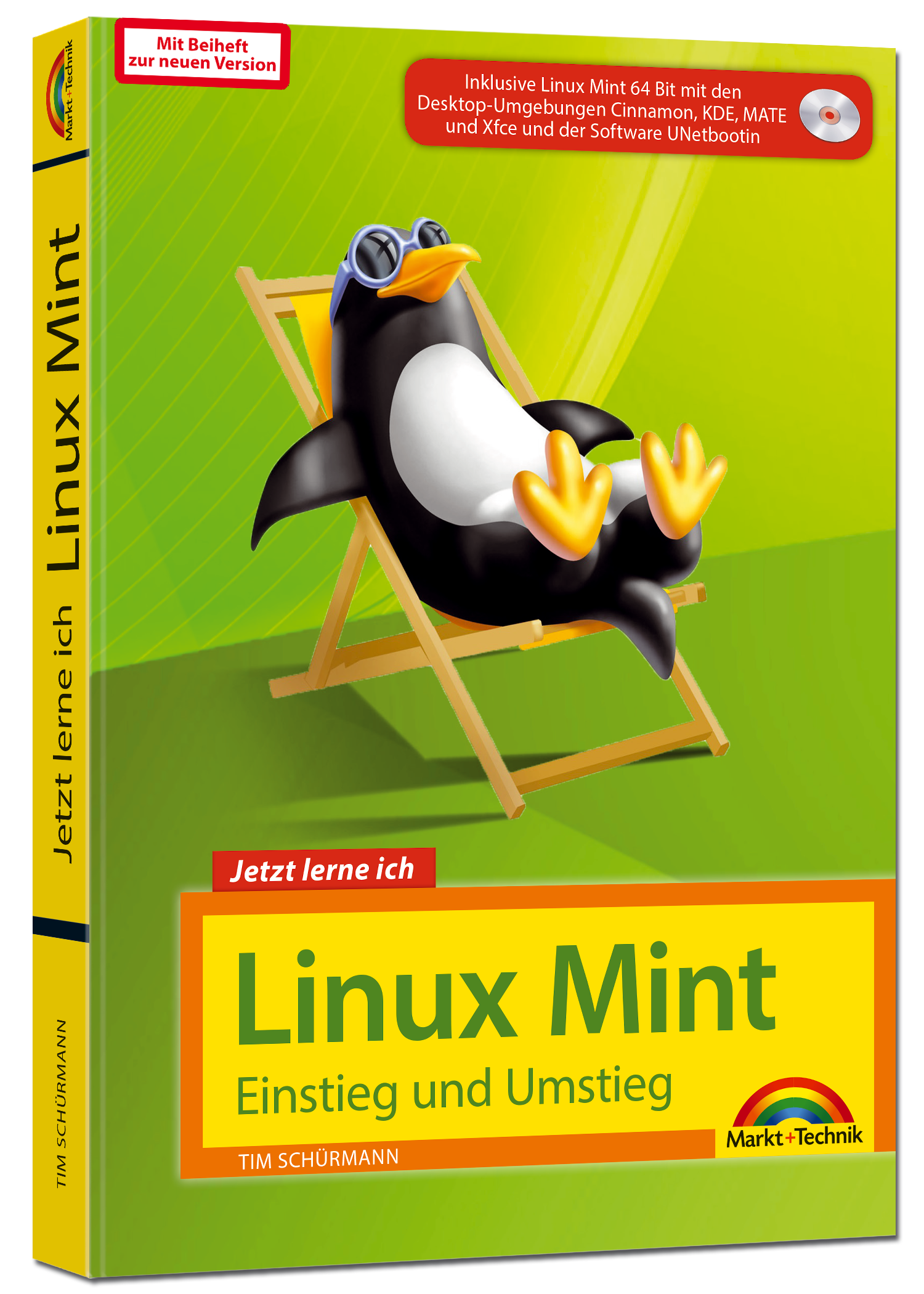
Linux Mint - Einstieg und Umstieg
Dieses Buch richtet sich an Linux-Neulinge und Umsteiger von Windows oder macOS, die die beliebte Distribution Linux Mint einsetzen möchten.Leicht verständliche Schrittanleitungen und viele praktische Tipps helfen bei anfänglichen Startproblemen, die ein neues Betriebssystem mit sich bringen kann. Sie erfahren, was bei der Installation, den System- sowie Netzwerkeinstellungen zu beachten ist, und lernen geeignete Programme für Büro, Internet, Bildbearbeitung und Multimedia kennen, sodass Sie Linux Mint schnell produktiv im Alltag einsetzen.

Dynamics 365 Field Service
Configure and customize Microsoft Dynamics 365 Field Services to help your organization deliver onsite service to customer locations. This book will guide you in setting up and implementing Dynamics 365 Field Services to automate workflow and schedule algorithms for mobile users.The book starts with an introduction to Field Services and setting up your Dynamics 365 subscription. Next, you will configure your application. You are shown how to allocate work, manage resources, and move inventory. You will configure both Field Services and the new Field Services Mobile app. One of the main topics covered is applying security to both Field Services and the Field Services Mobile App and how to use both flavors of the application to implement effective solutions. You will go through examples to understand and apply the concepts and features for configuration of Field Services. You also will learn best practices for configuring and customizing Field Services.After reading this book, you will be able to develop and implement enterprise-scale solutions using Dynamics 365 Field Services.WHAT WILL YOU LEARN* Create and process Work Orders* Manage inventory movement in the field* Set up security in Field Services and Field Services Mobile App* Generate Work Orders with agreement* Utilize Microsoft Power Automate with Field ServiceWHO IS THIS BOOK FORTechnical and functional consultants who have Dynamics 365 CE development experienceSANJAYA YAPA currently works as a Microsoft Dynamics CE/FS Solution Architect in Melbourne, Australia. He has more than 14 years of experience in the industry. He has been working with various Microsoft technologies since 2005 and possess a wealth of experience in software development, team leadership, product management, and consultancy. He specializes in Dynamics 365 Customer Engagement, Field Services, and Application Life Cycle Management.INDIKA ABAYARATHNE is from Melbourne, Australia and currently works as a Lead Consultant/Solution Architect. He started the Dynamics CRM journey in 2008 and performed different roles in software development and in consultancy. He blogs on development experience, technology, sharing knowledge, and his expertise via crmfortress.com.CHAPTER 1: DYNAMICS 365 FIELD SERVICESCHAPTER GOAL:This is the initial chapter and the objective is to lay the foundation for the rest of the book. It begins with giving a brief introduction to the Field Services and provide a step by step guideline to setup Field Services. Also, provide the guidelines for setting up the Woodford Configuration tool for Field Service Mobile app configuration. At the end of the chapter, there will be an introduction to the example scenario which will be used to explain the features.NO OF PAGES: 20 PagesSUB -TOPICS1. Introduction to Dynamics 365 Field Services2. Installing Dynamics 365 Field Services3. Installing Woodford Configuration4. Installing the mobile app on desktop and on Android Devices5. The example scenario.CHAPTER 2: CORE ENTITIES AND WOODFORD CONFIGURATIONCHAPTER GOAL: The second chapter is dedicated to describing the core entities and basics of Woodford configuration for Field Services Mobile App. The first half of this chapter will explain the core entities of Field Services App and how these entities can best be used for meeting client demands. The second half of this chapter will give quick walkthrough about Woodford Configuration. Finally, on how to apply the security in both Field Services and the Mobile App.NO OF PAGES: 30 PagesSUB - TOPICS1. Core Entities of Dynamics 365 Field Services2. Introduction to Woodford Configuration3. Field Services SecurityCHAPTER 3: WORK ORDERSCHAPTER GOAL: The third chapter will explain how to create a work order and how to schedule and assign the work orders to the resources. The prerequisites for creating the work order is also explained here. This chapter will also explore the setting up of resources in the system. Finally, explain how to configure the mobile app to receive the work orders.NO OF PAGES: 30 PagesSUB - TOPICS:1. Prerequisites for creating a work order2. Create work orders3. Setting up resources4. Scheduling work orders5. Using Crews to schedule work orders6. Configuring mobile app to receive work ordersCHAPTER 4: CREATE WORK ORDERS AUTOMATICALLYCHAPTER GOAL: There are other ways of creating work orders and the fourth chapter will mainly discuss the most common ways: Generate work orders via Agreements, Generate work orders via external inputs using technologies like Azure Logic Apps. This chapter will also clarify how to configure the mobile interface to create work orders from the mobile app and assign to the users.NO OF PAGES: 30 PagesSUB - TOPICS:1. Generate work orders with Agreement2. Generate work orders from external inputs3. Create work orders from the Mobile App.CHAPTER 5: SETTING UP INVENTORYCHAPTER GOAL: Setting up Inventory for the application is one of the key aspects and chapter 5 will explain how to set up the inventory in the system. This chapter will describe how to setup Products, Services, Price Lists, Tax, and Discounts. The other important part of the inventory is set up the Warehouse structure and the Product Inventory for the warehouse.NO OF PAGES: 25 PagesSUB - TOPICS:1. Setting up Products and Services for Field Services2. Setting up Price Lists, Tax and Discounts3. Setting up the Warehouses4. Add Product Inventory to Warehouse with Inventory Adjustment5. Configuring the mobile app and view inventory on the MapCHAPTER 6: INVENTORY MOVEMENTCHAPTER GOAL: Chapter 6 describes how to track the inventory movement in the field which enables the live inventory feed. This chapter will explain Inventory Transfers, Purchase Orders, RMA and RTA concepts.NO OF PAGES: 25 PagesSUB - TOPICS:1. Inventory Transfers2. Purchase Orders3. RMA (Return Merchandise Authorization)4. RTV (Return to Vendor)5. Using Mobile App to for Inventory MovementCHAPTER 7: EXECUTION AND COMPLETING WORK ORDERSCHAPTER GOAL: The final chapter is dedicated to providing a full end to end process of completing a work order. This chapter will explain the processes after completing the work order. This chapter will discuss in detail the steps to complete the work order assigned to the resource. Microsoft Power Automate is gaining more popularity in the community and in this chapter the reader can gain an understanding of how to utilize it with Field Services.NO OF PAGES: 30 PagesSUB - TOPICS:1. Add products and Services2. Accept customer signature3. Capture payments from the mobile app4. Capture Notes and Signature5. Complete the work order6. Generate Invoice and email to the client

Advanced Excel Success
Explore advanced skills in Excel and gain an amazing array of tricks and tools to increase your productivity. This book discusses new techniques such as power functions, chart tricks, and many more to master Excel.Advanced Excel Success starts with a few useful data tools in Excel followed by advanced formulas that will help you increase productivity. Here, you will learn power functions that aggregate, return ranges, and much more. Further, you will look at custom formatting tricks along with advanced charting tricks. These include automatically changing the color of key metrics, dynamically sorting chart data, and building creative labels.Next, you will understand the role of Power Query which is one of the most important upgrades in Excel. Power Query is the Microsoft Data Connectivity and Data Preparation technology that enables business users to seamlessly access data stored in hundreds of data sources and reshape it to fit their needs, with an easy–to-use, engaging, and no-code user experience. Finally, you will learn Power Pivot which is a distinct feature in Excel that goes beyond spreadsheets.After reading this book, you will be well equipped to work on Excel with its advanced features.WHAT YOU WILL LEARN* Work with the most useful data tools * Understand formulas and the ten power functions* Use advanced chart and formatting tricks and techniques for dynamic and effective visuals* Work with power toolsWHO THIS BOOK IS FORExcel users looking to take the next step to expert level.ALAN is a Microsoft MVP, Excel trainer, YouTuber, and freelance writer. He has been helping people in Excel for over 20 years. He loves training and the joy he gets from knowing he is making people's working lives easier.Alan runs his own blog - Computergaga - and writes for multiple other websites. His YouTube channel has over 500 videos and over 24 million views. He organizes a monthly Excel meetup in London where the Excel community learns, shares, and enjoys each other’s company.CHAPTER 1: EXCEL TRICKS AND DATA TOOLSCHAPTER GOAL: A look at the most useful Data tools in Excel.NO OF PAGES: 40This chapter shows tricks and Excel tools to boost productivity. Features such as Text to Columns and Find and Replace that are known by many Excel users. But not a way shown in this chapter. It also covers some lesser known Data tools.CHAPTER 2: THE 10 POWER FUNCTIONS OF EXCELCHAPTER GOAL: Learn advanced Excel formulas like never before understanding them intimately. Then covering the 10 power functions behind dynamic reports and Excel models with ‘real world’ examples.NO OF PAGES: 60The chapter begins looking at ranges and Boolean expressions in detail. Functions are then categorised – some aggregate, some return ranges. We then move into the power functions and get creative with scenarios they can be used.CHAPTER 3: ADVANCED FORMATTING TECHNIQUESCHAPTER GOAL: Learn advanced formatting tricks to add more meaning to your data.NO OF PAGES: 30This chapter will start with some advanced Conditional Formatting techniques. And then take formatting up another step with some very creative uses and unleash the power of Custom Formatting.CHAPTER 4: ADVANCED CHART TRICKSCHAPTER GOAL: Learn advanced chart tricks to make them pop.NO OF PAGES: 40This chapter will cover a variety of advanced charting tricks. These include automatically changing the color of key metrics, dynamically sort chart data and make them time relative and build creative labels.CHAPTER 5: POWER QUERY – YOU WILL NEVER WORK THE SAME WAYCHAPTER GOAL: To understand the role of Power Query and how it will change the way you work with data.NO OF PAGES: 60This chapter is a guide to Power Query, one of the most important upgrades in Excel history. The chapter walks through several examples using Power Query to streamline coming data tasks and preparing data for analysis.CHAPTER 6: POWER PIVOT – THE INTERNAL DATA MODEL OF EXCELCHAPTER GOAL: An introduction guide to Power Pivot.NO OF PAGES: 60This chapter is a guide to Power Pivot, a feature that goes beyond the Excel spreadsheet. With Power Pivot we can store huge volumes of data, model it and perform powerful calculations. This is all covered in the chapter.

Beginning MLOps with MLFlow
Integrate MLOps principles into existing or future projects using MLFlow, operationalize your models, and deploy them in AWS SageMaker, Google Cloud, and Microsoft Azure. This book guides you through the process of data analysis, model construction, and training.The authors begin by introducing you to basic data analysis on a credit card data set and teach you how to analyze the features and their relationships to the target variable. You will learn how to build logistic regression models in scikit-learn and PySpark, and you will go through the process of hyperparameter tuning with a validation data set. You will explore three different deployment setups of machine learning models with varying levels of automation to help you better understand MLOps. MLFlow is covered and you will explore how to integrate MLOps into your existing code, allowing you to easily track metrics, parameters, graphs, and models. You will be guided through the process of deploying and querying your models with AWS SageMaker, Google Cloud, and Microsoft Azure. And you will learn how to integrate your MLOps setups using Databricks.WHAT YOU WILL LEARN* Perform basic data analysis and construct models in scikit-learn and PySpark* Train, test, and validate your models (hyperparameter tuning)* Know what MLOps is and what an ideal MLOps setup looks like* Easily integrate MLFlow into your existing or future projects* Deploy your models and perform predictions with them on the cloudWHO THIS BOOK IS FORData scientists and machine learning engineers who want to learn MLOps and know how to operationalize their modelsSRIDHAR ALLA is the co-founder and CTO of Bluewhale, which helps big and small organizations build AI-driven big data solutions and analytics. He is a published author of books and an avid presenter at numerous Strata, Hadoop World, Spark Summit, and other conferences. He also has several patents filed with the US PTO on large-scale computing and distributed systems. He has extensive hands-on experience in several technologies, including Spark, Flink, Hadoop, AWS, Azure, Tensorflow, Cassandra, and others. He spoke on Anomaly Detection Using Deep Learning at Strata SFO in March of 2019 and at Strata London in October of 2019. He was born in Hyderabad, India and now lives in New Jersey, USA with his wife Rosie and daughter Evelyn. When he is not busy writing code, he loves to spend time with his family and also training, coaching, and organizing meetups.SUMAN KALYAN ADARI is an undergraduate student pursuing a BS degree in computer science at the University of Florida. He has been conducting deep learning research in the field of cybersecurity since his freshman year, and has presented at the IEEE Dependable Systems and Networks workshop on Dependable and Secure Machine Learning held in Portland, Oregon, USA in June of 2019. He is passionate about deep learning, and specializes in its practical uses in various fields such as image recognition, anomaly detection, natural language processing, targeted adversarial attacks, and more.Chapter 1: Getting Started: Data Analysis and Feature EngineeringChapter Goal: Establish the premise of the problem we want to solve with machine learning. Analyze several data sets and process them.No of pages - 30 pagesSub - Topics1. Premise4. Data analysis5. Feature engineeringChapter 2: Building a Machine Learning ModelChapter Goal: Build a machine learning model on a data set / several data sets that we processed the data for in chapter 4.No of pages – 40 pagesSub - Topics:1. Building the model2. Training and testing the model3. Validation and optimizingChapter 3: What is MLOps?Chapter Goal: Introduce the reader to MLOps, various stages of automation in MLOps setups, automation with pipeline, and to CI/CD and CD Deployment.Pipelines for: source repo to deployment, prediction services, performance monitoring, etcContinuous Integration (source repo updated with new models), and Continuous Delivery (new models deployed).No of pages – 40 pagesSub -Topics1. What is MLOps?2. MLOps setups3. Automation4. CI/CD – Continuous Integration & Delivery5. CD - DeploymentChapter 4: Introduction to MlFlowChapter Goal: Introduce the reader to MLFlow and how to incorporate MLFlow into our ML training process (PyTorch, Keras, TensorFlow)No of pages – 30 pagesSub - Topics:1. What is MLFlow?2. MLFlow in PyTorch3. MLFlow in Keras4. MLFlow in TensorFlowChapter 5: Deploying in AWS – 40 pagesChapter Goal: Guide the reader through the process of deploying an MLOps setup on AWS SageMaker.-Description: The chapter will walk the reader through AWS SageMaker and help them deploy their MLOps setup (data processing scripts, model train, test, validation scripts) in AWS.Chapter 6: Deploying in Azure – 40 pagesChapter Goal: Guide the reader through the process of deploying an MLOps setup on Microsoft Azure.-Description: The chapter will walk the reader through Microsoft Azure and help them deploy their MLOps setup (data processing scripts, model train, test, validation scripts) in Azure.Chapter 7: Deploying in Google – 40 pagesChapter Goal: Guide the reader through the process of deploying an MLOps setup on Google Cloud.-Description: The chapter will walk the reader through Google Cloud and help them deploy their MLOps setup (data processing scripts, model train, test, validation scripts) in Google Cloud.Appendix A: a2ml – 20 pagesChapter Goal: This appendix chapter is optional and guides users through the process of deploying an MLOps setup using a2ml.-Description: The chapter will walk the reader through a2ml and help them deploy their MLOps setup (data processing scripts, model train, test, validation scripts) through a2ml.

Pro Google Cloud Automation
Discover the methodologies and best practices for getting started with Google cloud automation services including Google Cloud Deployment Manager, Spinnaker, Tekton, and Jenkins to automate deployment of cloud infrastructure and applications.The book begins with an introduction to Google cloud services and takes you through the various platforms available to do automation on the GCP platform. You will do hands-on exercises and see best practices for using Google Cloud Deployment Manager, Spinnaker, Tekton, and Jenkins. You’ll cover the automation aspects of the Google Cloud Platform holistically using native and upcoming open source technologies.The authors cover the entire spectrum of automation from cloud infrastructure to application deployment and tie everything together in a release pipeline using Jenkins. Pro Google Cloud Automation provides in-depth guidance on automation and deployment of microservices-based applications running on the Kubernetes platform. It provides sample code and best practice guidance for developers and architects for their automation projects on the Google Cloud Platform.This book is a good starting point for developers, architects, and administrators who want to learn about Google cloud automation.WHAT YOU WILL LEARN* Gain the fundamentals of Google’s automation-enabling services* See an architecture overview for Google Cloud Deployment Manager, Spinnaker, Tekton, and Jenkins* Implement automation for infrastructure and application use cases* Automate microservices-based applications running on GKE* Enable Google Cloud Deployment Manager, Spinnaker, Tekton, and Jenkins WHO THIS BOOK IS FORDevelopers, architects, and administrators who want to learn about Google cloud automation.Navin Sabharwal is an innovator, thought leader, author, and consultant in the areas of cloud computing, cloud lifecycle management, infrastructure as code, DevSecOps, AI, machine learning, big data analytics, and AIOPS. Navin has created niche award-winning products and solutions and has filed numerous patents in diverse fields such as IT services, assessment engines, ranking algorithms, capacity planning engines, and knowledge management.Piyush is a solution architect for automation, DevOps, and cloud services with overall ten years of IT experience. Piyush is currently working as a deputy general manager at HCL DRYiCE practice focusing on creating solutions catering to cloud adoption (including cloud landing zone, migration, and operations), automation, orchestration, and cloud lifecycle management.Chapter 1- Introduction to Google Cloud Automation Services• Google Cloud introduction• Introduction to Google Cloud Deployment Manager• Introduction to Spinnaker• Introduction to Kubernetes• Introduction to StackdriverChapter 2- Getting Started with Google Cloud Deployment Manager• Architecture overview of Google Cloud Deployment Manager• Hand on use case of Google Cloud Deployment ManagerChapter 3- Getting Started with Spinnaker• Architecture overview of Spinnaker• Getting started with setting up Spinnaker• Setting up integration• Hand on use case of CI/CD pipeline using SpinnakerChapter 4 – Getting Started with Kubernetes• Architecture overview of Kubernetes• Setting up Kubernetes• Hand on use case of GKE automation using KubernetesChapter 5- Getting Started with Stackdriver• Architecture overview of Stackdriver• Hand on use case of GCP monitoring• Runbook Automation use caseChapter 6- DevSecOps Automation• Scenarios of using Google Cloud Automation service• Hands on integrated use case of using all Automation services

Requirements-Engineering und -Management
- Praktische und innovative Lösungen für die Anforderungsanalyse sichern den Know-how-Transfer in Ihrem Entwicklungsvorhaben.- Erlernen Sie das Ermitteln, Vermitteln, Herleiten und Verwalten von qualitativ hochwertigen Anforderungen.- Meistern Sie Ihre Anforderungen in agilen Frameworks sowie in klassischen Vorgehensweisen.- Tauchen Sie ein in die Welt der Smart Ecosystems.- Lernen Sie das Zusammenspiel von Anforderungen und Architektur im Systems-Engineering kennen.Der Erfolg von Systementwicklungen entscheidet sich bereits in der Anforderungsanalyse! Sie ist das Fundament für viele weitere Tätigkeiten.Dieses Buch liefert Ihnen Hintergründe, Strategien, klare Konzepte und umfangreiche Praxistipps zur pragmatischen Umsetzung Ihrer Anforderungen – von der Erhebung bis hin zur Verwaltung.Als neue Themen werden in der 7. Aufl age Requirements-Engineering im agilen Umfeld, Systems-Engineering und Smart Ecosystems betrachtet. Zusätzlich bietet diese Auflage Einblicke in den Einsatz von Videos im Requirements-Engineering, Crowd-RE und die Besonderheiten im Variantenmanagement.Durch die Buchkapitel begleiten Sie ein durchgehendes Beispiel mit einer eigenen Rahmenhandlung und eine von Kapitel zu Kapitel aufbauende Bauanleitung für einen Requirements-Engineering-Leitfaden.Im Internet finden Sie unter www.sophist.de/re7 zusätzliche Formulare, Checklisten, Hintergrundinformationen und vieles mehr.AUS DEM INHALT //Vorgehensweisen klassisch und agil/Anforderungsermittlung/SOPHIST-REgelwerk/Anforderungsschablonen/Anforderungsanalyse/Geschäftsprozesse/Systems-Engineering/Smart Ecosystems (Industrie 4.0)/Anforderungsdokumentation/klassisch und agil/Nichtfunktionale Anforderungen/Prüftechniken für Anforderungen/Anforderungskonsolidierung/Requirements-Management, Change- & Release-Management/Einführungsstrategien/Produktlinien undProduktfamilien/Videos im Requirements-Engineering/Requirements-Engineering mit der Crowd Chris Rupp & Die Sophisten sind Spezialisten für Requirements-Engineering und -Management. Als Berater und Trainer begleiten sie methodisch und operativ in klassischen und agilen Projekten von der Idee über gute Anforderungen bis hin zum passenden System. Die Erfindungen der SOPHISTen prägen die Welt der Anforderungsanalyse.

Wunder Informatik
'Ich habe aus Mangel an guten Alternativen mit dem Informatikstudium begonnen: Mir fiel nichts Besseres ein. Das war mein großes Glück.'Die Informatik ist das wichtigste Werkzeug des 21. Jahrhunderts. Die ganze Welt spricht in den Sprachen der Informatik. Das gilt für alle Bereiche der modernen Welt und zunehmend auch für unser privates Leben. Man kann die Welt ohne Informatik nicht mehr verstehen und nicht mehr verändern.Doch es gibt auch viele Missverständnisse über die Informatik. Das liegt daran, dass sie eine junge Wissenschaft ist, die sich permanent und schnell verändert: von ihren Anfängen in den 1940er-Jahren als Rechenmaschine für Chemiker und Physiker bis zum Smartphone und der Cloud.Dieses Buch ermöglicht eine intuitive Einführung in die Informatik. Es beschreibt die grundlegenden Konzepte und erläutert Teilbereiche wie Data Science, Big Data oder künstliche Intelligenz. Vor allem aber entmystifiziert es die Welt der Informatik anhand vieler Alltagsbeispiele. Es muss nicht jeder Informatik studieren oder ein Experte sein. Doch es soll jeder von ihren Ideen und Innovationen profitieren.Das Buch richtet sich vorwiegend an Jugendliche: Sie erhalten einen Einblick, was sie in einem Studium oder auf dem Berufsweg erwartet. Sie sollen weder zufällig Informatik studieren noch zufällig Informatik nicht studieren. Doch das Buch ist auch für Erwachsene relevant, die eine allgemeinverständliche Einführung suchen, in die auch viele persönliche Erfahrungen eingeflossen sind.

Wie KI unser Leben verändert
100 Fragen - 100 AntwortenSiri, Alexa oder Hey Google kennen die meisten von uns. Vom autonomen Fahren oder dass Sie Vögel mit Apps erkennen können – davon haben Sie sicher schon gehört. Aber inzwischen wird Künstliche Intelligenz in noch viel mehr Bereichen eingesetzt. Welche das sind, erfahren Sie in diesem Buch.Künstliche Intelligenz ist älter, als Sie vermuten! KI hat Vorteile, birgt aber auch Risiken – und sie ist nicht mehr wegzudenken. Deshalb sollte jeder von uns wissen, was KI für seinen Alltag, den Beruf und unser aller Zukunft bedeuten kann.Peter Seeberg hat aus unterschiedlichen Lebensbereichen die wichtigsten 100 Fragen zu KI gesammelt und beantwortet. Machen Sie sich schlau.Leseprobe (PDF-Link)
Beginning Game AI with Unity
Game developers will use this book to gain a basic knowledge of programming artificial intelligence using Unity and C#. You will not be bored learning the theory underpinning AI. Instead, you will learn by experience and practice, and complete an engaging project in each chapter.AI is the one of the most popular subjects in gaming today, ranging from controlling the behavior of non-player characters to procedural generated levels. This book starts with an introduction to AI and its use in games. Basic moving behaviors and pathfinding are covered, and then you move through more complex concepts of pathfinding and decision making.WHAT YOU WILL LEARN* Understand the fundamentals of AI* Create gameplay-based AI to address navigation and decision-making problems* Put into practice graph theory and behavior models* Address pathfinding problems* Use the A* algorithm, the deus ex machina of pathfinding algorithms* Create a mini stealth gameWHO THIS BOOK IS FORDevelopers and programming enthusiasts with a basic knowledge of Unity and C# who want to understand and master the foundations of artificial intelligence in gamesSEBASTIANO COSSU is a software engineer and game developer. He studied computer science at the University of Rome "La Sapienza". He is currently working as Game UI Developer at Feral Interactive Ltd. in London. He wrote the Apress book, Game Development with GameMaker Studio 2.CHAPTER 1: INTRODUCTIONChapter Goal: An introduction to the book where goals and main topics are introduced to the reader.Sub -Topics1. What is AI?2. AI in games3. Intelligent agents4. Knowledge representationCHAPTER 2: MOVEMENTSChapter Goal: Introducing the reader to steering and basic AI moving behaviors, in particular wandering and following the player.Sub - Topics1. Moving in a 2D world2. Moving in a 3D world3. Steering4. Moving behaviors (wandering vs following)5. A case study: car games6. Project: mini car traffic simulatorCHAPTER 3: PATHFINDINGChapter Goal: Introducing the reader to pathfinding algorithms and problem-solving approaches.Sub - Topics:1. Graphs2. Pathfinding algorithms: Dijkstra3. Pathfinding algorithms: A*4. World representation5. Constraint Satisfaction Problems (CSP)6. Improving on pathfinding7. A case study: Warcraft8. Project: LabyrinthCHAPTER 4: DECISION MAKINGChapter Goal: How does AI takes decisions? In this chapter, the reader will understand how to implement the ability to reason and plan actions using data structures to represent knowledge and search algorithms to find the best sequence of actions.Sub - Topics:1. Decision trees2. Finite-state machines (FSM)3. Behavior trees4. Fuzzy logic5. Goal-oriented behavior7. Rule-based systems9. A case study: Halo10. Project: Wumpus’ Cave ExplorerCHAPTER 5: TACTICS AND STRATEGYChapter Goal: Putting together all the knowledge acquired in the previous chapters to build intelligent agents that can perform well against the player.Sub - Topics:1. Putting things together: intelligent agents in action2. Strategy planning3. Tactical pathfinding4. Coordination and tactics in PVE: ambushing the player5. A case study: 007 Goldeneye6. Project: Chess with guns

Quick Guide for Obtaining Free Remote Desktop Protocol (RDP) Services
Remote Desktop Protocol (RDP) is a proprietary protocol developed by Microsoft which provides a user with a graphical interface to connect to another computer over a network connection. The user employs RDP client software for this purpose, while the other computer must run RDP server software.RDP refers to Remote Desktop protocol which connects your remotely connected computers or system over a RDP connected network. RDP gives a graphical interface to a client to be able to associate with another PC, system or network. RDP servers are built on Windows OS, but can be enabled to other OS as well. The major benefit of a remote desktop connection is being able to connect to your data from anywhere in the world. Your data is in one place that is easy to see and you no longer have to have software installed on your own computer.In Simple term RDP is a short form of Remote Desktop Protocol RDP specifies for home windows servers, it works as an icon to get in touch with an additional computer system, usually, it is utilized for attaching to a server organized in a data center to carry out jobs that typically do not need much user interaction and runs 24/7.Several of the extra usual uses of RDP servers are running bots, SEO devices, bitcoin mining, on-line video clip streaming, running forex trading software and so on.Most RDP servers providers that provide free services during trial period will request debit/credit card information, which is risky for us as they can claim any payment from the card. So that encouraged me to search for RDP services providers that can provide services during free trial period without requesting credit/debit card information. This report will investigate the possible ways to get free RDP server account or RDP server account at lowest cost. The report will consist from the following parts: 1.Some RDP Services Providers with free trials2.Some RDP servers providers that sell RDP with Credit Card, Debit Card, Bitcoin, PayPal or other E-wallets 3.Getting free RDP from freerdpserver.com4.Getting free RDP from Google Cloud5.Getting Google Cloud RDP/VPS for free for one month through Qwiklabs.com 6.Creating RDP through Alibabacloud.com7.Getting free RDP/VPS for seven days from CloudSigma.com8.Getting RDP/VPS through Microsoft Azure9.Getting Microsoft Azure RDP/VPS for free through Sandbox subscription10.How to get university email11.How to get RDP service for free through Microsoft Azure for students12.Getting free RDP from AWS Amazon13.How to get free RDP service with Amazon AWS Educate14.Some free websites that can be used to receive SMS online using numbers from some countries15.Generating virtual debit/credit cards using namso gold CC BIN generator for verification of some online services accountsI am Dr. Hidaia Mahmoud Mohamed Alassouli. I completed my PhD degree in Electrical Engineering from Czech Technical University by February 2003, and my M. Sc. degree in Electrical Engineering from Bahrain University by June 1995. I completed also one study year of most important courses in telecommunication and computer engineering courses in Islamic university in Gaza. So, I covered most important subjects in Electrical Engineering, Computer Engineering and Telecommunications Engineering during my study. My nationality is Palestinian from gaza strip.I obtained a lot of certified courses in MCSE, SPSS, Cisco (CCNA), A+, Linux.I worked as Electrical, Telecommunicating and Computer Engineer in a lot of institutions. I worked also as a computer networking administrator. I had considerable undergraduate teaching experience in several types of courses in many universities. I handled teaching the most important subjects in Electrical and Telecommunication and Computer Engineering. I could publish a lot of papers a top-tier journals and conference proceedings, besides I published a lot of books in Publishing and Distribution houses.I wrote a lot of important Arabic articles on online news websites. I also have my own magazine website that I publish on it all my articles: http:// www.anticorruption.000space.comMy personal website: www.hidaia-alassouli.000space.comEmail: hidaia_alassouli@hotmail.com
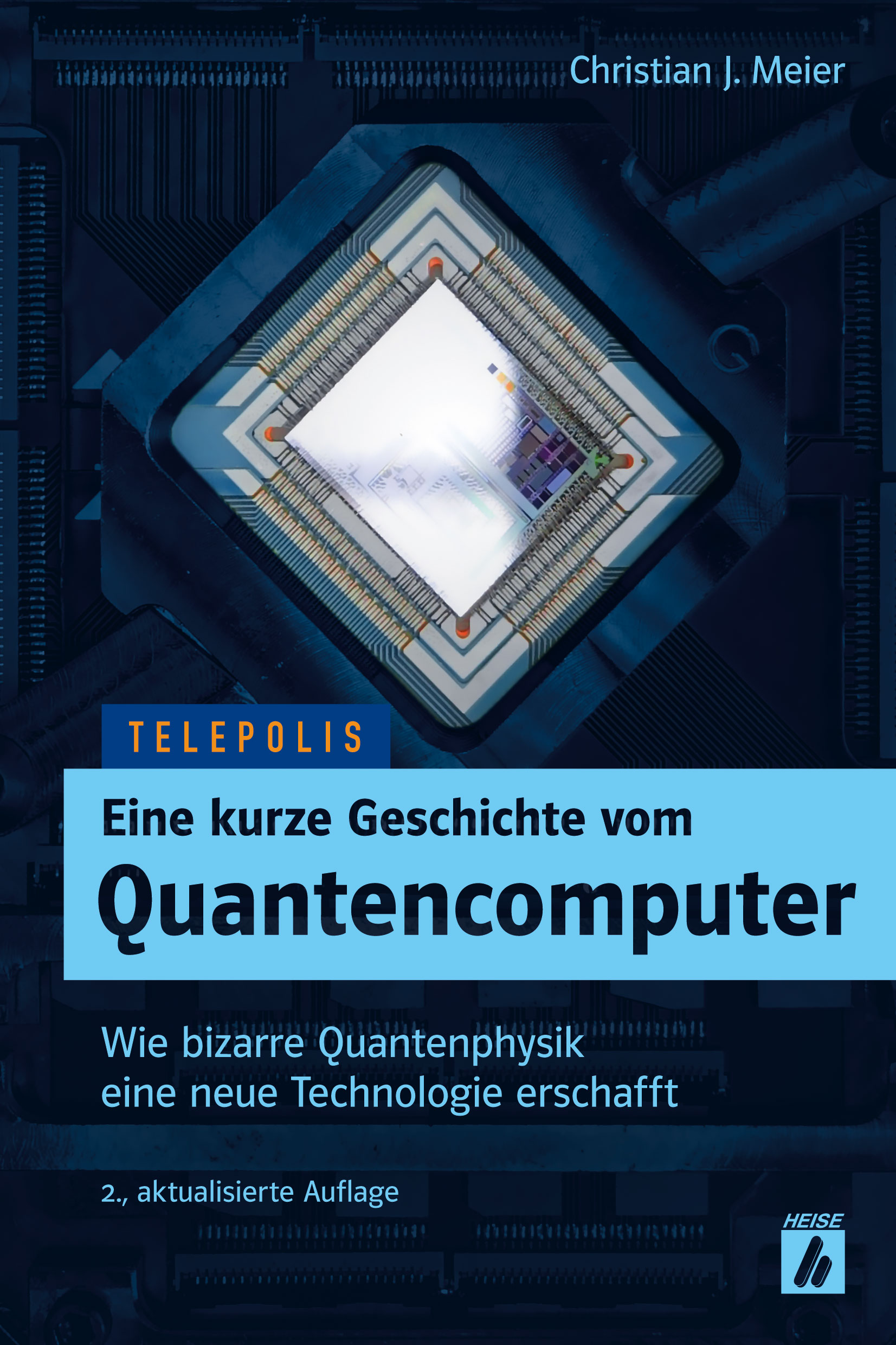
Eine kurze Geschichte vom Quantencomputer (2. Auflg.) - TELEPOLIS
Quantencomputer anschaulich erklärtDie Welt der Quanten ist total verrückt. Teilchen befinden sich gleichzeitig hier und dort. Sie verständigen sich über tausend Kilometer wie durch Telepathie. Forscher haben diese Phänomene inzwischen so gut im Griff, dass sie einen riesigen technologischen Schritt wagen: Den Bau des ersten Quantencomputers – eine ganz neue, überlegene Art von Rechner.Das Buch erklärt verständlich und unterhaltsam die magisch anmutenden Phänomene der Quantenphysik und wie sie für unbegreiflich schnell rechnende Computer genutzt werden können. Es zeigt, wie der Quantencomputer und andere Technologien, die auf der Quantenphysik basieren, den Alltag ähnlich umwälzen könnten wie einst die Dampfmaschine oder die Entdeckung der Elektronik. Werden Quantencomputer die gängigen Verschlüsselungsverfahren aushebeln? Werden sie eine blitzschnelle Entwicklung neuer Arzneien ermöglichen? Wird es einmal ein Quanteninternet geben und wenn ja, was bringt es? Werden es hyperempfindliche Quantensensoren erlauben, die Gedanken eines Menschen zu lesen? Neben Beispielen schon existierender Quantentechnologie (etwa Flash-Speicher oder Verschlüsselungsverfahren) gibt der Wissenschaftsjournalist Christian J. Meier einen Überblick über die wichtigsten Laborentwicklungen und zeigt auf, wohin sie führen könnten. Schließlich erfahren Sie, warum manche Physiker glauben, das Universum sei ein einziger Quantencomputer.Christian J. Meier (geb. 1968), promovierter Physiker und freier Journalist, beschäftigt sich seit mehreren Jahren mit den Themen Quantencomputer und Quantentechnologie und berichtet darüber für verschiedene Medien, unter anderem für die Neue Zürcher Zeitung, bild der wissenschaft, Berliner Zeitung, Frankfurter Rundschau, Spektrum.de und VDI nachrichten. Inhalt (PDF-Link)Leseprobe (PDF-Link)

Chatbots
Chatbots setzen sich in vielen Bereichen für die Kommunikation mit Kunden, Mitarbeitern und Bürgern durch. Sie beantworten automatisch Anfragen, entlasten Hotlines oder beraten Kunden. In diesem Buch werden die technischen wie auch die sprachlichen Grundlagen von Chatbots ausführlich vorgestellt und anhand von praxisnahen Beispielen erläutert. Weiterhin werden wichtige Aspekte wie Kosten, Akzeptanz und rechtliche Grundlagen beleuchtet. Abschließend wird anhand eines konkreten Beispiels ein Chatbot-Projekt exemplarisch beschrieben.ANDREAS KOHNE ist promovierter Informatiker und leitet den Bereich Business Development eines mittelständigen IT-Unternehmens in Dortmund.PHILIPP KLEINMANNS eitet eine Beratungsabteilung mit Schwerpunkten auf Internet of Things und Customer Service bei einem mittelständischen IT-Anbieter in Dortmund.CHRISTIAN ROLF ist Projektmanager für Digitalprojekte im Bereich Chatbots und Digital Signage bei einer Agentur in Witten.MORITZ BECK ist Gründer und Geschäftsführer einer Unternehmensberatung für Messenger-Kommunikation und Chatbots mit Sitz in Hamburg. Grundlagen.- Bekannte Bots.- Technik.-Anwendungsgebiete.- Design eines Chatbots.- Finanzen.- Recht.- zukünftige Anwendungen.

IT-Prüfung, Datenschutzaudit und Kennzahlen für die Sicherheit
Dieses Buch aus der Reihe „Neue Ansätze für die IT-Revision“ entwickelt aktuelle und neuartige Methoden für die Arbeit der Revision sowie für Prüfungen und Tests von IT-Systemen. Berücksichtigt werden dabei Aspekte des Datenschutzes, der Cybersicherheit, Effektivität und Funktionalität, und es werden Ansätze für Datenschutzbeauftragte, IT-Sicherheitsbeauftragte, CISOs, Compliance-Manager etc. vorgestellt.Die Schwerpunkte des Buches liegen auf Datenschutz, Kennzahlensystemen sowie Internet of Things und Künstlicher Intelligenz. Besondere Beachtung erfahren Themen wie Prüfung des Datenschutzmanagementsystems (DSMS), Prüfung der Auftragsverarbeitung sowie Meldepflichten gemäß DSGVO.Die präsentierten Ansätze zur Bewertung der Informationssicherheit mittels Kennzahlen, zu Tests für IoT-Geräte und zur Zertifizierung der Softwareentwicklung ermöglichen den Revisoren, diese Themen als systematische Prüfungen, Tests und Audits zu erfassen und umzusetzen.DR. ALEKSANDRA SOWA leitete zusammen mit dem deutschen Kryptologen Hans Dobbertin das Horst Görtz Institut für Sicherheit in der Informationstechnik. Sie ist zertifizierte Datenschutzbeauftragte und Datenschutzauditorin, IT-Compliance-Managerin (ITCM) und IT Information Security Practitioner (ITISP). Aleksandra ist Autorin diverser Bücher und Fachpublikationen, trat als Sachverständige für IT-Sicherheit im Innenausschuss des Bundestages auf, war u. a. für den Vorstand Datenschutz, Recht und Compliance (DRC) der Deutschen Telekom AG tätig und ist aktuell Senior Manager und Prokuristin in einer Wirtschaftsprüfungsgesellschaft.Prüfung des Datenschutzmanagementsystems (DSMS) - Prüfung der Auftragsverarbeiter gem. Art. 28 DSGVO - Meldepflichten für „Data Breaches“ gemäß Art. 33 DSGVO - Kennzahlensysteme für Bewertung der Informationssicherheit - Reife der Informationssicherheit - IoT-Penetrationstest - Zertifizierung der Softwareentwicklung
MCA Microsoft Office Specialist (Office 365 and Office 2019) Study Guide
LEARN THE REALITIES OF BEING A MICROSOFT OFFICE SPECIALIST AND EFFICIENTLY PREPARE FOR THE WORD ASSOCIATE MO-100 EXAM WITH A SINGLE, COMPREHENSIVE STUDY GUIDEMCA Microsoft Office Specialist Study Guide: Word Associate Exam MO-100 comprehensively prepares you for the MO-100 Exam. Accomplished and experienced author Eric Butow provides readers with a one-stop resource for learning the job responsibilities of a Microsoft Office Specialist and succeeding on the MO-100 Exam.The study guide is written in a straightforward and practical style which, when combined with the companion online Sybex resources, allows you to learn efficiently and effectively. The online resources include hundreds of practice questions, flashcards, and a glossary of key terms. In addition to preparing you for the realities of the Microsoft Office Specialist job role, this study guide covers all the subjects necessary to do well on the certifying exam, including:* Managing documents* Inserting and formatting text, paragraphs, and sections* Managing tables and lists* Creating and managing references* Inserting and formatting graphics* Managing document collaborationPerfect for anyone seeking to begin a new career as a Microsoft Office Specialist, or simply wondering what the job entails, the Study Guide also belongs on the bookshelf of currently practicing professionals who want to brush up on the fundamentals of their role.ERIC BUTOW is the author or coauthor of 35 books on multiple aspects of technology. He has also developed and taught networking, computing, and usability courses for Ed2Go, Virtual Training Company, California State University/Sacramento, and Udemy. Eric began using Word, Excel, and PowerPoint professionally in 1992. He has been a technical writer for large and small companies, and presently provides website development, online marketing, and technical writing services through his company, Butow Communications Group. Introduction xviiAssessment Test xxiiCHAPTER 1 WORKING WITH DOCUMENTS 1Navigating Within Documents 2Searching for Text 2Linking to Locations Within Documents 6Moving to Specific Locations and Objects in Documents 7Showing and Hiding Formatting Symbols and Hidden Text 8Formatting Documents 11Setting Up Document Pages 12Applying Style Settings 13Inserting and Modifying Headers and Footers 15Configuring Page Background Elements 16Saving and Sharing Documents 18Saving Documents in Alternative File Formatting 18Changing Basic Document Properties 19Modifying Print Settings 21Sharing Documents Electronically 22Inspecting Documents for Issues 24Locating and Removing Hidden Properties and Personal Information 24Finding and Fixing Accessibility Issues 26Locating and Correcting Compatibility Issues 27Summary 28Key Terms 29Exam Essentials 29Review Questions 31CHAPTER 2 INSERTING AND FORMATTING TEXT 33Adding and Replacing Text 34Finding and Replacing Text 34Inserting Symbols and Special Characters 38Formatting Text and Paragraphs 40Adding Text Effects 40Applying Formatting by Using Format Painter 41Setting Line and Paragraph Spacing and Indentation 41Applying Built-In Styles to Text 44Clearing Formatting 45Creating and Configuring Document Sections 48Formatting Text in Multiple Columns 48Inserting Page, Section, and Column Breaks 50Changing Page Setting Options for a Section 51Summary 54Key Terms 55Exam Essentials 55Review Questions 56CHAPTER 3 MANAGING TABLES AND LISTS 59Creating Tables 60Converting Text to Tables 62Switching Tables to Text 63Creating Tables by Specifying Rows and Columns 64Modifying Tables 66Sorting Table Data 66Configuring Cell Margins and Spacing 68Merging and Splitting Cells 71Resizing Tables, Rows, and Columns 73Splitting Tables 78Configuring a Repeating Row Header 80Creating and Formatting Lists 83Structuring Paragraphs as Numbered and Bulleted Lists 83Changing Bullet Characters and Number Formatting 84Defining Custom Bullet Characters and Number Formatting 86Increasing and Decreasing List Levels 89Restarting and Continuing List Numbering 90Setting Starting Number Values 92Summary 93Key Terms 94Exam Essentials 94Review Questions 95CHAPTER 4 BUILDING REFERENCES 97Creating and Managing Referencing Elements 98Inserting Footnotes and Endnotes 98Modifying Footnote and Endnote Properties 101Creating and Modifying Bibliography Citation Sources 102Inserting Citations for Bibliographies 105Working with Referencing Tables 107Inserting Tables of Contents 107Customizing Tables of Contents 108Adding Bibliographies 110Summary 111Key Terms 111Exam Essentials 112Review Questions 113CHAPTER 5 ADDING AND FORMATTING GRAPHIC ELEMENTS 115Inserting Illustrations and Text Boxes 116Adding Shapes 116Including Pictures 118Inserting 3D Models 119Adding SmartArt Graphics 120Placing Screenshots and Screen Clippings 121Inserting Text Boxes 123Formatting Illustrations and Text Boxes 125Applying Artistic Effects 125Adding Picture Effects and Picture Styles 126Removing Picture Backgrounds 129Formatting Graphic Elements 130Setting Up SmartArt Graphics 132Working with 3D Models 134Adding and Organizing Text 135Formatting Text in Text Boxes 135Adding Text in Shapes 137Changing SmartArt Graphic Content 139Modifying Graphic Elements 140Positioning Objects 140Wrapping Text Around Objects 141Adding Alt Text to Objects 144Summary 146Key Terms 146Exam Essentials 146Review Questions 147CHAPTER 6 WORKING WITH OTHER USERS ON YOUR DOCUMENT 149Adding Comments 150Inserting Comments 150Reviewing and Replying to Comments 151Resolving Comments 152Deleting Comments 153Tracking Your Changes 155Turning On Track Changes 155Reviewing Tracked Changes 156Accepting and Rejecting Tracked Changes 157Locking and Unlocking Change Tracking 160Summary 163Key Terms 163Exam Essentials 163Review Questions 164APPENDIX ANSWERS TO REVIEW QUESTIONS 167Chapter 1: Working with Documents 168Chapter 2: Inserting and Formatting Text 168Chapter 3: Managing Tables and Lists 169Chapter 4: Building References 170Chapter 5: Adding and Formatting Graphic Elements 170Chapter 6: Working with Other Users on Your Document 171Index 173
Machine Learning for Time Series Forecasting with Python
LEARN HOW TO APPLY THE PRINCIPLES OF MACHINE LEARNING TO TIME SERIES MODELING WITH THIS INDISPENSABLE RESOURCEMachine Learning for Time Series Forecasting with Python is an incisive and straightforward examination of one of the most crucial elements of decision-making in finance, marketing, education, and healthcare: time series modeling.Despite the centrality of time series forecasting, few business analysts are familiar with the power or utility of applying machine learning to time series modeling. Author Francesca Lazzeri, a distinguished machine learning scientist and economist, corrects that deficiency by providing readers with comprehensive and approachable explanation and treatment of the application of machine learning to time series forecasting.Written for readers who have little to no experience in time series forecasting or machine learning, the book comprehensively covers all the topics necessary to:* Understand time series forecasting concepts, such as stationarity, horizon, trend, and seasonality * Prepare time series data for modeling * Evaluate time series forecasting models’ performance and accuracy * Understand when to use neural networks instead of traditional time series models in time series forecasting Machine Learning for Time Series Forecasting with Python is full real-world examples, resources and concrete strategies to help readers explore and transform data and develop usable, practical time series forecasts.Perfect for entry-level data scientists, business analysts, developers, and researchers, this book is an invaluable and indispensable guide to the fundamental and advanced concepts of machine learning applied to time series modeling.FRANCESCA LAZZERI is an accomplished economist who works with machine learning, artificial intelligence, and applied econometrics. She works at Microsoft as a data scientist and machine learning scientist to develop a portfolio of machine learning services. She is a sought-after speaker and has given popular talks at AI conferences and academic seminars at Berkeley, Harvard, and MIT.Acknowledgments viiIntroduction xvCHAPTER 1 OVERVIEW OF TIME SERIES FORECASTING 1Flavors of Machine Learning for Time Series Forecasting 3Supervised Learning for Time Series Forecasting 14Python for Time Series Forecasting 21Experimental Setup for Time Series Forecasting 24Conclusion 26CHAPTER 2 HOW TO DESIGN AN END-TO-END TIME SERIES FORECASTING SOLUTION ON THE CLOUD 29Time Series Forecasting Template 31Business Understanding and Performance Metrics 33Data Ingestion 36Data Exploration and Understanding 39Data Pre-processing and Feature Engineering 40Modeling Building and Selection 42An Overview of Demand Forecasting Modeling Techniques 44Model Evaluation 46Model Deployment 48Forecasting Solution Acceptance 53Use Case: Demand Forecasting 54Conclusion 58CHAPTER 3 TIME SERIES DATA PREPARATION 61Python for Time Series Data 62Common Data Preparation Operations for Time Series 65Time stamps vs. Periods 66Converting to Timestamps 69Providing a Format Argument 70Indexing 71Time/Date Components 76Frequency Conversion 78Time Series Exploration and Understanding 79How to Get Started with Time Series Data Analysis 79Data Cleaning of Missing Values in the Time Series 84Time Series Data Normalization and Standardization 86Time Series Feature Engineering 89Date Time Features 90Lag Features and Window Features 92Rolling Window Statistics 95Expanding Window Statistics 97Conclusion 98CHAPTER 4 INTRODUCTION TO AUTOREGRESSIVE AND AUTOMATED METHODS FOR TIME SERIES FORECASTING 101Autoregression 102Moving Average 119Autoregressive Moving Average 120Autoregressive Integrated Moving Average 122Automated Machine Learning 129Conclusion 136CHAPTER 5 INTRODUCTION TO NEURAL NETWORKS FOR TIME SERIES FORECASTING 137Reasons to Add Deep Learning to Your Time Series Toolkit 138Deep Learning Neural Networks Are Capable of Automatically Learning and Extracting Features from Raw and Imperfect Data 140Deep Learning Supports Multiple Inputs and Outputs 142Recurrent Neural Networks Are Good at Extracting Patterns from Input Data 143Recurrent Neural Networks for Time Series Forecasting 144Recurrent Neural Networks 145Long Short-Term Memory 147Gated Recurrent Unit 148How to Prepare Time Series Data for LSTMs and GRUs 150How to Develop GRUs and LSTMs for Time Series Forecasting 154Keras 155TensorFlow 156Univariate Models 156Multivariate Models 160Conclusion 164CHAPTER 6 MODEL DEPLOYMENT FOR TIME SERIES FORECASTING 167Experimental Set Up and Introduction to Azure Machine Learning SDK for Python 168Workspace 169Experiment 169Run 169Model 170Compute Target, RunConfiguration, and ScriptRun Config 171Image and Webservice 172Machine Learning Model Deployment 173How to Select the Right Tools to Succeed with Model Deployment 175Solution Architecture for Time Series Forecasting with Deployment Examples 177Train and Deploy an ARIMA Model 179Configure the Workspace 182Create an Experiment 183Create or Attach a Compute Cluster 184Upload the Data to Azure 184Create an Estimator 188Submit the Job to the Remote Cluster 188Register the Model 189Deployment 189Define Your Entry Script and Dependencies 190Automatic Schema Generation 191Conclusion 196References 197Index 199
WordPress For Dummies
GET TO KNOW WORDPRESS WITH THIS SIMPLE AND APPROACHABLE REFERENCEWordPress For Dummies, 9th Edition helps readers discover the power of the WordPress web content building tool. Web builders have created 75 million websites using WordPress and this book will show you how to add your blogs and websites to that count.WordPress For Dummies, 9th Edition drops you right into the fast lane to publishing your first website or blog by teaching you to:· Customize a theme· Create your first post· Use WordPress as a content management system· Work with multimedia formats· Add plugins to your site· Establish a publishing routinePerfect for new bloggers, experienced bloggers converting to WordPress for the first time, and people accustomed to WordPress who want to learn more about the full potential of the technology, WordPress for Dummies, 9thEdition is an indispensable addition to the library of every blogger and webmaster.LISA SABIN-WILSON is cofounder of WebDevStudios, one of the largest WordPress design and development agencies in the world. She is a regular public speaker at national events on topics such as WordPress, development, design, CSS, and social media. Foreword xiiiINTRODUCTION 1About This Book 2Foolish Assumptions 2Icons Used in This Book 3Beyond the Book 4Where to Go from Here 4PART 1: INTRODUCING WORDPRESS 5CHAPTER 1: WHAT WORDPRESS CAN DO FOR YOU 7Discovering the Benefits of WordPress 8Getting set up the fast and easy way 9Extending WordPress’s capabilities 9Taking part in the community 11Choosing a WordPress Platform 12Choosing the hosted version from WordPress.com 13Self-hosting with WordPress.org 14CHAPTER 2: WORDPRESS BASICS 17Shining the Spotlight on WordPress 17Dipping Into WordPress Technologies 19Archiving your publishing history 19Interacting with your readers through comments 21Feeding your readers 22Tracking back 23Dealing with comment and trackback spam 24Using WordPress as a Content Management System 25Exploring the differences between a website and a blog 25Viewing examples of blogs and websites 26Moving On to the Business of Publishing 27PART 2: SETTING UP WORDPRESS 29CHAPTER 3: SETTING UP YOUR WORDPRESS BASE CAMP 31Establishing Your Domain 32Understanding domain name extensions 32Considering the cost of a domain name 33Registering your domain name 33Finding a Home for Your Website 34Getting help with hosting WordPress 35Dealing with disk space and bandwidth 36Understanding Secure File Transfer Concepts 38Setting up SFTP on your hosting account 39Connecting to the web server via SFTP 42Transferring files from point A to point B 46Editing files via SFTP 47Changing file permissions 48Installing WordPress 50Exploring Preinstalled WordPress 51Installing WordPress manually 53Setting up the MySQL database 53Uploading the WordPress files 55Last step: Running the installation script 57CHAPTER 4: UNDERSTANDING THE WORDPRESS.ORG DASHBOARD 65Logging In to the Dashboard 66Navigating the Dashboard 67Welcome to WordPress! 69Site Health 70At a Glance 71Activity 72Quick Draft 73WordPress Events and News 73Arranging the Dashboard to Your Tastes 74Finding Inline Documentation and Help 76Setting Options in the Dashboard 78Configuring the Settings 79General 79Writing 83Reading 85Discussion 86Media 93Permalinks 94Privacy 95Creating Your Personal Profile 97Setting Your Site’s Format 100Posts 100Media 101Pages 101Comments 102Appearance 102Plugins 104Users 104Tools 105CHAPTER 5: ESTABLISHING YOUR PUBLISHING ROUTINE 107Staying on Topic with Categories 107Changing the name of a category 108Creating new categories and deleting others 111Examining a Post’s Address: Permalinks 113Making your post links pretty 114Customizing your permalinks 115Making sure that your permalinks work with your server 117Discovering the Many WordPress RSS Options 119Writing Your First Entry 120Using the Block Editor 122Discovering available blocks 123Inserting new blocks 131Configuring block settings 134Refining Your Post Options 149Publishing Your Post 153Being Your Own Editor 154Look Who’s Talking on Your Site 155Managing comments and trackbacks 155Moderating comments and trackbacks 157Tackling spam with Akismet 158PART 3: FLEXING AND EXTENDING WORDPRESS 159CHAPTER 6: MEDIA MANAGEMENT: IMAGES, AUDIO, AND VIDEO 161Inserting Images into Your Content 162Uploading an image from your computer 163Inserting an image from the Media Library 165Using the Columns Block to Insert Multiple Images in a Row 166Inserting a Cover Image into a Post 169Inserting a Photo Gallery 174Inserting Video Files into Your Posts 179Adding a link to a video from the web 180Adding video from your computer 181Adding video using the Embed block 185Inserting Audio Files into Your Blog Posts 189Inserting Audio Using the Embed Block 191Podcasting with WordPress 192CHAPTER 7: MAKING THE MOST OF WORDPRESS PLUGINS 195Finding Out What Plugins Are 196Extending WordPress with plugins 197Distinguishing between plugins and themes 197Exploring the Plugins Page 199Identifying Core Plugins 202Incorporating Akismet 202Saying Hello Dolly 206Discovering the one-click plugin update 207Using Plugins: Just the Basics 210Installing Plugins Manually 211Finding and downloading the files 212Reading the instructions 214Uploading and Activating Plugins 215Uploading a new plugin 215Activating a plugin 216Setting Plugin Options 217Uninstalling Plugins 218Understanding the Open-Source Environment 219Finding Plugins Beyond WordPress.org 220Comparing Free and Commercial Plugins 222CHAPTER 8: FINDING AND INSTALLING WORDPRESS THEMES 225Getting Started with Free Themes 226Finding free themes 227Avoiding unsafe themes 227Previewing themes on the Themes page 230Installing a Theme 231Browsing the free themes 233Previewing and activating a theme 235Exploring Premium Theme Options 237Examining the Default Theme: Twenty Twenty 241Exploring the layout and structure 242Customizing the site identity 244Customizing colors 247Including custom navigation menus 248Enhancing Your Theme with Widgets 249Adding widgets to your website 250Using the Text widget 252Using the RSS widget 253PART 4: CUSTOMIZING WORDPRESS 257CHAPTER 9: UNDERSTANDING THEMES AND TEMPLATES 259Using WordPress Themes: The Basics 260Understanding theme structure 261Connecting templates 263Contemplating the Structure of a WordPress Website 263Examining the Anatomy of a Template Tag 265Getting Familiar with the Four Main Templates 266The Header template 266The Main Index template 271The Sidebar template 275The Footer template 276Other templates 276Putting a Theme Together 277Connecting the templates 277Using additional stylesheets 287Customizing Your Posts with Template Tags 287Using Tags with Parameters for Sidebars 287The calendar 289List pages 289Post archives 292Categories 293Getting widgetized 295CHAPTER 10: TWEAKING WORDPRESS THEMES 297Styling with CSS: The Basics 298CSS selectors 299Classes and IDs 299CSS properties and values 301Changing the Background Graphics with CSS 301Uploading an image for background use 304Positioning, repeating, and attaching images 304Using Your Own Header Image 306Customizing Colors in Twenty Twenty 308Creating Custom Navigation Menus 309Building custom navigation menus 309Displaying custom menus with widgets 314Changing Font Family, Color, and Size 315Changing font color 316Changing font size 317Adding borders 318Understanding Basic HTML Techniques 318Inserting images 320Inserting hyperlinks 320Inserting lists 321CHAPTER 11: UNDERSTANDING PARENT AND CHILD THEMES 325Customizing Theme Style with Child Themes 326Loading a parent theme’s style 328Customizing the parent theme’s styling 330Using images in child theme designs 330Modifying Theme Structure with Child Themes 334Overriding parent template files 335Adding new template files 336Removing template files 337Modifying the functions.php file 337Preparing a Parent Theme 339CHAPTER 12: WORDPRESS AS A CONTENT MANAGEMENT SYSTEM 341Creating Different Page Views Using WordPress Templates 342Uploading the template 343Assigning the template to a static page 345Creating a Template for Each Post Category 346Using Sidebar Templates 349Creating Custom Styles for Sticky, Category, and Tag Posts 350Working with Custom Post Types 353Adding Support for Taxonomies 360Adding Support for Post Thumbnails 361Adding the post thumbnails to a theme 362Adding custom image sizes for post thumbnails 364Optimizing Your WordPress Site 365Planting keywords on your website 366Optimizing your post titles for search engine success 366Writing content with readers in mind 367Creating categories that attract search engines 367Using the tag for images 368CHAPTER 13: HOSTING MULTIPLE SITES WITH WORDPRESS 371Deciding When to Use the Multisite Feature 372Understanding the Difference between Sites and Blogs 374Considering Web-Hosting Services 374Enabling the WordPress Network Feature 376DNS 377Apache mod_rewrite 378Virtual host 379PHP 381Installing the Network on Your Site 381Exploring the Network Admin Dashboard Menu 383Managing Your Network 386Settings 386Sites 392Users 395Themes 399Plugins 400Stopping Spam Signups and Splogs 401CHAPTER 14: UPGRADING, BACKING UP, AND MIGRATING 403Getting Notified of an Available Upgrade 404Backing Up Your Database 406Upgrading WordPress Automatically 407Upgrading WordPress Manually 408Migrating Your Existing Site to WordPress 411Movin’ on up 411Preparing for the big move 412Converting templates 413Moving your website to WordPress 414Importing from Blogger 415Importing from LiveJournal 417Importing from Movable Type and TypePad 418Importing from Tumblr 420Importing from WordPress 422Importing from an RSS feed 422Finding other import resources 423Moving Your Website to a Different Host 424Creating a backup and moving manually 425Using a plugin to back up and move to a new host 426PART 5: THE PART OF TENS 427CHAPTER 15: TEN POPULAR WORDPRESS PLUGINS 429Custom Post Type UI 429Jetpack 430Limit Login Attempts Reloaded 431Cookie Notice for GDPR & CCPA 432Yoast SEO 433BackupBuddy 433WP Super Cache 434WooCommerce 434Google XML Sitemaps 435Sucuri Security 436CHAPTER 16: TEN FREE WORDPRESS THEMES 437Hybrid Core 438Hestia 438Responsive 439Ashe 440Prefer Blog 440BlackBird 441Storefront 442Sinatra 443Nisarg 444Optics 444Index 447

Custom Fiori Applications in SAP HANA
Get started building custom Fiori applications for your enterprise. This book teaches you how to design, build, and deploy enterprise-ready, custom Fiori applications in SAP HANA. Tips and tricks collected from projects using Fiori applications (built consuming OData models and REST APIs) and integrating third-party JS libraries are presented. Also included are examples using Fiori templates from different tools such as the SAP Web IDE and the new Visual Studio Code extensions.This book explains the 5 design principles that all Fiori applications are built upon: Role-based, Responsive, Coherent, Simple, and Delightful. The book expands on consuming OData services and REST APIs internal and external to SAP HANA. The Fiori application exercise demonstrates the use of the MVC pattern, JavaScript modularization, reuse of SAP UI5 controls, debugging, and the tools required for a complete scenario. The book closes with an exercise showcasing a finished single page application with multiple views and layouts, navigation between the views, and deployment of the application to AWS.This book is simple enough for entry-level developers getting started in web frameworks but also highlights integration points from the data models being consumed from the application, and shows how the application communicates with back-end services, resulting in a complete front-end custom Fiori application.WHAT YOU WILL LEARN* Know the 5 Fiori design principles* Understand how to consume OData and REST API models* Apply the MVC pattern using XML views and the SAP UI5 controls along with controller behavior in JavaScript* Debug and deploy the applicationWHO THIS BOOK IS FORWeb developers and application leads who have some experience in JavaScript frameworks and web development and understand web protocol communicationSERGIO GUERRERO is a passionate software engineer with 10+ years of experience in web and database development in various technology stacks such as .NET and SAP HANA. He is the author of Microservices on SAP HANA XSA (Apress). On non-working days, Sergio cheers for the Green Bay Packers and Tigres UANL (MX soccer), Chapter 1: Fiori Applications in SAP HANACHAPTER GOAL: The goal is to explain what Fiori is and how it is developed in SAP HANA. There are five design principles for Fiori applications.NO OF PAGES 30SUB -TOPICS1. What is Fiori?2. Five design principles of Fiori3. Getting your system ready for Fiori applications4. Understanding layouts and floor plansChapter 2: Consuming Data in Fiori ApplicationsCHAPTER GOAL: This chapter explains how to mock data, how to consume data, how to understand and prepare data for the Fiori application.NO OF PAGES:SUB - TOPICS1. Understanding data and mocking it when not available2. OData and JSON Models3. Consuming REST APIs4. Data driven design approachesChapter 3: Fiori Application following the MVCCHAPTER GOAL: the goal for this chapter is to understand the moving pieces to create a Fiori applicationNO OF PAGES : 30SUB - TOPICS:1. MVC2. Tools for developing and debugging Fiori applications3. Integrating external JS libraries into (SAPUI5) Fiori4. Browser differences, limitations, and features5. Fiori application on various devicesChapter 4: Unit Testing of Fiori ApplicationsCHAPTER GOAL: The goal of this chapter is to start with unit testing, comparing different unit test frameworks and finish with an automated testing scenarioNO OF PAGES: 30SUB - TOPICS:1. Unit testing frameworks2. Fiori app unit testing3. Improvements resulting from unit testingChapter 5: Deploying Fiori ApplicationCHAPTER GOAL: The goal of the chapter is to help the reader to complete the software development cycle and be able to deploy the Fiori application to a production environment.1. Preparing the deployment, software versioning2. Deploying to different platforms such as SAP Cloud and AWS3. Automating deployment

Migrating a Two-Tier Application to Azure
Understand and build a proof of concept by migrating a multi-tiered .NET Core web application to the Azure public cloud, leveraging different Azure Infrastructure as a Service (IAAS), Azure Platform as a Service (PaaS), and Azure Container offerings. These include Azure Container Instance (ACI), Azure Kubernetes Services (AKS), and CI/CD pipeline deployments using Azure DevOps.After a first chapter in which you set up the baseline for the lab scenarios, you will start with the basics of automating Azure resource deployments using Visual Studio and powerful Azure Resource Manager (ARM) templates. Next, you’ll learn about the importance of performing proper assessments and the tools Microsoft offers to help in this migration preparation phase. After that, you will validate the virtual machine deployment and learn about SQL Server database migration to SQL Azure PaaS, as well as deploying and migrating web applications to Azure Web Apps.After covering these foundational platform components, the next chapters focus on the core concepts and advantages of using containers for running business workloads. These labs are based on Docker, Azure Container Registry (ACR), ACI, and Web App for Containers, and show you how to enable container orchestration and cloud-scale using AKS.In the last part of the book, you will work with Azure DevOps, the Microsoft application lifecycle environment, building a CI/CD pipeline to publish workloads using the DevOps principles and concepts. You’ll see the integration with the rest of the Azure services, closing with a module on overall Azure monitoring and operations and what tools Azure has available to assist your IT teams in this challenge.WHAT YOU WILL LEARN* Use Azure to enable digital transformation* Carry out Azure automated deployments using ARM templates and Azure DevOps* Run VM-based workloads on Azure* Migrate VM-based workloads to Azure platform services * Monitor Azure running workloads with Azure Monitor and Log AnalyticsWHO THIS BOOK IS FORAnyone who wants to learn about different Azure architectures by going through hands-on exercises.Peter De Tender has more than 20 years’ experience in architecting and deploying Microsoft datacenter technologies. Since early 2012, he started shifting to cloud technologies (Office 365, Intune) and quickly jumped onto the Azure platform, working as cloud solution architect and trainer, out of his own company. Since September 2019, Peter moved into an FTE role within Microsoft Corp in the prestigious Azure Technical Trainer team, providing Azure readiness workshops to larger customers and partners across the globe.Peter was an Azure MVP for 5 years, a Microsoft Certified Trainer for more than 12 years, and is still actively involved in the community as speaker, technical writer, and author.You can follow Peter on twitter @pdtit and check his technical blog, 007ffflearning.CHAPTER 1: DIGITAL TRANSFORMATION OVERVIEWThis chapter provides an introduction to “digital transformation” and how public cloud environments like Azure can help with that. You learn about business benefits in moving to public cloud such as high availability, scalability, security, and governance.CHAPTER 2: AUTOMATING AZURE DEPLOYMENTS USING ARM TEMPLATESIn this chapter, you will learn the core concepts of automated deployments of Azure resources, using ARM Templates. Starting from a preconfigured set of templates allowing deploying the baseline of the hands-on exercises, you also learn about optimizing ARM templates for virtual machine (VM) configuration management using PowerShell Desired State Configuration and Azure VM custom script extensions.CHAPTER 3: PERFORMING AZURE ASSESSMENTSA successful cloud migration of existing on-premises workloads starts with performing proper assessments. Azure has several tools helping with this process, to identify virtual machine supportability, as well as web applications and SQL Server databases. This chapter guides readers through different assessment tools, reflecting in another hands-on exercise on how to effectively use them to prepare a lift-and-shift migration to Azure.Chapter 4: Deploying Azure SQL as a ServiceAfter performing the recommended assessments, this chapter will detail the aspects of deploying and running SQL Server database in an Azure SQL Platform as a service architecture. Starting from the different topologies available, such as Azure SQL Single Instance, Azure SQL Managed Instance, and Azure SQL Elastic Pools, we will also touch on the actual migration of a traditional VM-based SQL Server database to Azure SQL in this chapter.CHAPTER 5: DEPLOYING AND RUNNING WEB APPS IN AZURE APPLICATION SERVICESAzure App services is the overall service allowing for running web apps, mobile apps, API apps, and Azure Function apps. Going back to our original running web application, the goal of this chapter is migrating this workload to Azure Web Apps. Before performing the actual migration and deployment, you will learn about several core Web App capabilities and features, such as deployment slots, integrated backup, high availability architecture, and load balancing. The exercise in this chapter covers several situations, starting from a Visual Studio web deploy, simulating a greenfield deployment, as well as guiding you through a lift-and-shift migration process using Azure App Services Assessment tool.CHAPTER 6: CONTAINERIZING WEB APPLICATIONS USING DOCKERIn the previous chapters, you learned about running an existing two-tier workload to Azure Infrastructure as a Service (IaaS) as well as migrating to Platform as a Service (PaaS). In this chapter and the next, we reuse the same application architecture, but moving it into a containerized architecture. Starting from the basics of Docker, you will practice the base Docker commands, as well as get guided through the configuration parameters in a Dockerfile. Next, we will take you to the Azure services allowing for running Docker containers, such as Azure Container Registry, Azure WebApp for Containers, and Azure Container Instance.CHAPTER 7: DEPLOYING AND RUNNING CONTAINERIZED WORKLOADS IN AZURE KUBERNETES SERVICES (AKS)As you learned by now, Azure offers several container-supporting services. While they do a really good job in providing adequate performance, ease of use and nice integration with other Azure services, you might also consider running the containers in a Kubernetes environment for several reasons. Starting from the base characteristics of Kubernetes and how it differs from other Azure container-supporting services, you will learn how to deploy an AKS cluster, how to manage it with Kubectl, and how to run your containerized workloads. To experiment with the powers and intelligence of Kubernetes, you will also learn about the built-in scalability, high availability, and rolling upgrade features of AKS.CHAPTER 8: MANAGING AND MONITORING AKS USING AZURE MONITOR AND KUBERNETES DASHBOARDGiven the complexity of Azure Kubernetes Service’s architecture, having a monitoring tool available at hand is crucial for your business-critical workloads. Azure Kubernetes Service can be managed and monitored using the “Kubernetes” way, relying on the standard Kubernetes dashboard. This could be beneficial if you use Kubernetes in a multi-cloud environment. However, Azure also provides an extensive and powerful integration with Azure Monitor, using Azure Insights. This chapter will describe both methodologies, after which you will also deploy and use both of them in the practical in this chapter.CHAPTER 9: DEPLOYING AZURE WORKLOADS USING AZURE DEVOPS CI/CD PIPELINESThis chapter will take all covered deployment scenarios to the next level and introduce you to Azure DevOps. Building on the experiences from Visual Studio Team Services (VSTS) and Team Foundation Server (TFS), allowing developers and application management teams in deployment platform rollouts for +10 years, one can use Azure DevOps to build out an end-to-end deployment pipeline covering continuous integration (CI) and continuous deployment (CD). This chapter guides readers through the core components available in Azure DevOps, and reusing several of the earlier performed tasks, but now using a DevOps methodology.
Digitalisierung und Künstliche Intelligenz
Für jeden von uns ist heute die Frage wichtig, wie in Zukunft Menschen und Maschinen zum Wohle des Menschen zusammenarbeiten und welche Anforderungen an Menschen hierbei entstehen. Dieses essential bietet für Interessierte den Einstieg. Wenn wir die Entwicklung in geeignete Bahnen lenken, dürfen wir dieser auch gespannt entgegensehen: Dann wirken – verbunden mit KI – Achtsamkeit, Anstrengung, Aufklärung, Anleitung und auch ein Stück weit Abenteuer im positiven Sinne zusammen. Grundlagen zu Digitalisierung, Vernetzung und KI.- Anwendungsfelder und Herausforderungen beim Einsatz von KI.- Kompetenzanforderungen.