

Computer und IT

Yocto Project Customization for Linux
Embedded computers have become very complex and are now called upon to solve a range of increasingly advanced problems. This added complexity means embedded systems need even more complex operating systems in order to work as required.The Yocto Project is now the effective standard for most embedded systems around the world due to its robustness and high configuration, availability of software packages and the ability to support several hardware platforms with common mechanisms so that developers can deploy their systems with ease regardless of the machine._Yocto Project Customization for Linux_ is not just another book talking about the Yocto Project, but shows how the Yocto Build system really works. Developers can easily and quickly move from the demo Yocto Project distributions that silicon vendors rely on for their development kits to their final product. This book is a practical guide teaching you everything you need to know about writing new recipes and customizing existing ones by explaining the Build System internals and how to manage them for your ongoing projects.YOU WILL LEARN:* To understand Yocto Project internals and how Yocto Project tools work* How to define a new meta layer or a new machine/distro in order to generate a custom Yocto Project image for their embedded system* To generate a new Yocto Project recipe for your software, or to alter an already existing recipe in order to fit your needs* How to update one or more packages on their running Yocto Project system* How to optimize and effectively manage the Yocto Build SystemWHO IS IT FOR:This is for embedded developers as well as Linux users who want to know more how to use Yocto1: Setting up the Build Environment.-2: Installing the Sources.-3: Yocto Basics.- 4: Yocto Tools.- 5: BitBake Internals.- 6: Recipes.- 7: Generating and Managing Layers.- 8: Adding New Hardware.- 9: C Application Recipes.- 10: Python Application Recipes.- 11: Miscellaneous Recipes.- 12: Image Recipes.- 13: Optimization and Best Practices.

Ethical Decision-Making Using Artificial Intelligence
Ethical Decision-Making Using Artificial Intelligence: Challenges, Solutions, and Applications gives invaluable insights into the ethical complexities of artificial intelligence, empowering the navigation of critical decisions that shape our future in an era where AI’s influence on society is rapidly expanding. The significant impact of artificial intelligence on society cannot be overstated in a time of lightning-fast technical development and growing integration of AI into our daily lives. A new frontier of human potential has emerged with the development and application of AI technologies, pushing the limits of what is possible in the areas of innovation and efficiency. AI systems are increasingly trusted with complicated decisions that affect our security, well-being, and the fundamental foundation of our societies as they develop in intelligence and autonomy. These choices have substantial repercussions for both individuals and communities in a wide range of fields, including healthcare, finance, criminal justice, and transportation. The necessity for moral direction and deliberate decision-making procedures is critical as AI systems develop and become more independent. Ethical Decision-Making Using Artificial Intelligence: Challenges, Solutions, and Applications examines the complex relationship between artificial intelligence and the moral principles that guide its application. This book addresses fundamental concerns surrounding AI ethics, namely what moral standards ought to direct the creation and use of AI systems. In order to promote responsible AI development that is consistent with human values and goals, this book’s goal is to equip readers with the knowledge and skills they need to traverse the ethical landscape of AI decision-making. SAPNA JUNEJA, PHD is a professor and Associate Dean of Research and Development in the Department of Computer Science and Engineering with the KIET Group of Institutions, with over 17 years of experience. She has published six patents and various research articles in renowned journals. Her research interests include software engineering, computer networks, operating systems, database management systems, and artificial intelligence. RAJESH KUMAR DHANARAJ, PHD is a professor at Symbiosis International University. He has authored and edited over 50 books, numerous book chapters, and over 100 articles in refereed international journals, in addition to 21 patents. His research interests include machine learning, cyber-physical systems, and wireless sensor networks. ABHINAV JUNEJA, PHD is a professor and the Head of the Department of Computer Science and Information Technology with the KIET Group of Institutions, with over 21 years of teaching experience. He has edited two books and has over 55 publications in books, journals, and conferences. His research focuses on machine learning and Internet of Things. MALATHY SATHYAMOORTHY, PHD is an assistant professor in the Department of Information Technology at the KPR Institute of Engineering and Technology. She has published over 25 research papers in international journals. 22 papers in international conferences, two patents, four book chapters, and one book. His research interests include wireless sensor networks, networking, security, and machine learning. ASADULLAH SHAIKH, PHD is a professor, the Head of Research and Graduate Studies, and the coordinator for seminars and training with the College of Computer Science and Information Systems, at Najran University. He has over 170 publications in international journals and conferences. His research interests include Unified Modeling Language model verification and class diagrams verification with Object Constraint Language constraints for complex models, formal verification, and feedback techniques for unsatisfiable UML and OCL class diagrams.

Wirtschaftsinformatik für Dummies
WERDEN SIE ZUM KOMPETENTEN IT-MANAGER!Dieses Buch vermittelt Ihnen alles Wichtige über Wirtschaftsinformatik. Stephan Thesmann erklärt Ihnen die Bedeutung der Informationstechnologie und ihrer Megatrends – wie zum Beispiel künstliche Intelligenz – für die Gesellschaft, Unternehmen und das Individuum. Schritt für Schritt durchleuchtet er betriebliche IT-Systeme und erläutert, wie IT-Management unter Berücksichtigung von Nachhaltigkeit, Ethik und Recht funktioniert und was Sie bezüglich Informationssicherheit und Datenschutz beachten müssen. Anschauliche Praxisbeispiele und zahlreiche Übungsaufgaben runden das Buch ab. SIE ERFAHREN* Mit welchen Methoden und Maßnahmen Wirtschaftsinformatiker die Betriebe optimieren* Was es mit KI, ERP, BI, BPMN, ERM, DSGVO, UML, Scrum und Co. auf sich hat* Wie Sie die Herausforderungen des IT-Managements meisternSTEPHAN THESMANN forschte mehrere Jahre im Bereich künstliche Intelligenz, bevor ihn 1998 der Ruf an die Hochschule Pforzheim erreichte. Dort leitete er das Rechenzentrum sowie mehrere Studiengänge und lehrt bis heute Wirtschaftsinformatik in Bachelor- und Masterprogrammen. Über den Autor 9Einführung 23TEIL I: ABENTEUER WIRTSCHAFTSINFORMATIK 29Kapitel 1: Ihr Einstieg in die Unternehmens-IT 31Kapitel 2: Megatrends der Digitalisierung 35Kapitel 3: Umwelt, Gesellschaft und Individuum 83TEIL II: BETRIEBLICHE INFORMATIONSSYSTEME, WOHIN MAN SCHAUT … 97Kapitel 4: Willkommen bei der Meblo AG 99Kapitel 5: IT am Arbeitsplatz 123Kapitel 6: ERP-Systeme: Das Herz der Meblo-IT 137Kapitel 7: Informationssysteme im Vertrieb 155Kapitel 8: Informationssysteme in Beschaffung und Materialwirtschaft 177Kapitel 9: Informationssysteme für das E-Business: Geschäftsprozesse über die Unternehmensgrenzen hinaus optimieren 197Kapitel 10: Informationssysteme in der Produktion 233Kapitel 11: Informationssysteme für Entscheider 251Kapitel 12: Informationssysteme für Zusammenarbeit und Wissensmanagement 275TEIL III: DER BETRIEB VON INFORMATIONSSYSTEMEN 297Kapitel 13: Die Informationsversorgung sicherstellen 299Kapitel 14: Ausgewählte Sicherheitsmaßnahmen 325Kapitel 15: Juristische Herausforderungen 349Kapitel 16: Ethische Herausforderungen 377TEIL IV: INFORMATIONSSYSTEME ENTWICKELN 391Kapitel 17: Informationssysteme beschreiben mit ARIS 393Kapitel 18: Organisationsstrukturen beschreiben 399Kapitel 19: Daten beschreiben 403Kapitel 20: Funktionen beschreiben 427Kapitel 21: Benutzungsoberflächen beschreiben 435Kapitel 22: Geschäftsprozesse beschreiben 445Kapitel 23: Der Weg zur passenden Software 463Kapitel 24: Individuelle Problemlösungen entwickeln 483Kapitel 25: Informationssysteme einführen durch Change-Management 521TEIL V: DER TOP-TEN-TEIL 529Kapitel 26: Die zehn größten Denkfehler über Wirtschaftsinformatiker 531Kapitel 27: Die zehn Gebote für Wirtschaftsinformatiker 543Abbildungsverzeichnis 553Stichwortverzeichnis 557

Hardware & Security (2. Auflg.)
Manipulierte USB-Sticks, unscheinbare Keylogger, falsche Access-Points, geklonte RFID-Karten – die Gefahren für Ihre IT-Infrastruktur beschränken sich nicht auf Attacken von Viren und Trojanern. Tobias Scheible zeigt Ihnen in diesem Handbuch, wie Sie Ihre Rechnersysteme und Netzwerke umfassend vor Hardware-Angriffen schützen. Sorgen Sie proaktiv für Sicherheit, indem Sie Ihre Mitarbeiterinnen und Mitarbeiter für die Bedrohungen sensibilisieren und die Werkzeuge der Angreifer detailliert kennenlernen. Denn nur mit einem ganzheitlichen Blick auf die Bedrohungslage gelingt es Ihnen, Industriespionage, Ransomware-Angriffe und andere Attacken richtig zu bekämpfen.Aktuell zu: Rubber Ducky Mark II, MalDuino 3, ESP32-S3 Pendrive, O.MG Plug, O.MG Cabel, O.MG Adapter, O.MG UnBlocker, USBKill Professionell, HackrRF One Porta Pack, XIXEI X7, Packet Squirrel Mark II, LilyGo T-Dongle S3, Flipper Zero und Lilygo T-Embed.Aus dem Inhalt Planung, Durchführung und Auswertung von Penetrationstests: Red Teaming in der Praxis Security Awareness schulen Spionage-Gadgets: GPS-Tracker, Kameras, Aufnahmegeräte, Key- und Screenlogger Angriffe über die USB-Schnittstelle: Rubber Ducky, Digispark, USBKill und mehr WLAN-Verbindungen manipulieren: WiFi Deauther, WiFi Pineapple Kabelgebundene Netzwerke ausspionieren: Throwing Star LAN Tap, Packet Squirrel Funkverbindungen stören: Crazyradio PA, HackRF One, Störsender und mehr RFID-Tags duplizieren und manipulieren: Proxmark, iCopy-X, NFC-Kill Bluetooth tracken und abhören: Bluefruit LE Sniffer, Ubertooth One und BBC micro:Boards Universelle Hacking-Hardware: LilyGo, Raspberry Pi Zero, Flipper Zero und mehr Gefundene Hardware analysieren, Datenspeicher auslesen und Netzwerkverkehr überwachen Angriffsszenarien und LaborumgebungLeseprobe (PDF)

Paradigmenwechsel Low-Code
Das Buch bietet als bislang einziges Standardwerk einen umfassenden und herstellerneutralen Überblick über die Ursprünge, Funktionsweisen und Möglichkeiten, über Einsatzszenarien und Perspektiven von Low-Code- und No-Code-Technologien. Es bietet hierbei einen praxisbezogenen Leitfaden für Auswahl, Implementierung und Einsatz passender Low-Code-Lösungen. Das Buch ist deshalb von besonderer Wichtigkeit, weil Low-Code die Welt der Softwareentwicklung wie kaum eine andere Innovation der letzten Jahrzehnte verändern wird, und das in einer kaum überblickbaren Breite und Vielfalt. Es bietet den notwendigen Überblick sowie Einsatzszenarien, objektive Einschätzung und Bewertung unterschiedlicher Low-Code-Lösungen. Das Buch bietet damit eine fundamentale Entscheidungshilfe für die relevanten IT-Strategen und IT-Manager. Hauptzielgruppe: IT-Verantwortliche in Wirtschaft, Organisationen aller Art und Verwaltung, d.h. CIOs, CDOs, CTOs, IT-Verantwortliche und deren gesamter Mitarbeiterstab.Projektverantwortliche von IT-Projekten in den Fachbereichen in Wirtschaft, Organisationen aller Art, sowie Verwaltung und Management von Softwareherstellern und IT-Dienstleistern, unabhängig von Art und Größe.Berater, Projektmanager und Experten für IT- und Digitalisierungsstrategien, einschl. Pressevertreter, Blogger u.dgl.KI- und Sicherheitsexperten, die sich ihren Aspekt im Bereich Low-Code interessierenVorwort/Einleitung.- Paradigmenwechsel Low-Code: Software entwickeln ohne Programmieren – geht das? Und warum überhaupt?.- Was ist nicht Low-Code?.- Für wen ist Low-Code eigentlich gedacht? Low-Code adressiert sehr unterschiedliche Arten von Softwareentwicklern.- Welche Anwender-/Kundengruppen adressiert Low-Code? Low-Code adressiert sehr unterschiedliche Zielgruppen und Einsatzszenarien.- Low-Code im Einsatz: Organisationsstrukturen, Projektmanagement und Vorgehensmodelle.- Praxiserfahrungen und Leuchtturmprojekte.- Die schier unüberschaubare Vielfalt an Low-Code Plattformen. Jede Low-Code Plattform ist anders.- Prozessbasierte versus daten- bzw. datenbankbasierte Low-Code- und No-Code-Plattformen.- Low-Code für besondere Szenarien und im Zusammenspiel mit anderen IT-Systemen.- Compliance, Security und Betrieb von Low-Code-Anwendungen.- KI und Low-Code.- Ausblick.

Digital Deception
A critical examination of the foundational flaws that have led to the current cybersecurity crisis. This book takes a historical approach to understanding how short-term decision-making, driven by convenience and profit, compromised the long-term security of the internet. From the introduction of public access to secure networks to the widespread deception associated with Multi-Factor Authentication (MFA), this book uncovers the decisions, both intentional and negligent, that have allowed cybersecurity vulnerabilities to proliferate.Divided into well-structured chapters that trace the evolution of these issues, Digital Deception provides a clear and fact-based narrative that highlights where the system went wrong and why. It also shines a light on the complicity of various actors (vendors, auditors, corporate leaders, and even educational institutions) in perpetuating a broken system. More than just a critique, "Digital Deception" offers a path forward, rooted in real computer science, to restore trust and security in our digital world.The book is especially relevant now, as cyber threats continue to grow in scale and sophistication. The facts presented here are not only essential for cybersecurity professionals but also for corporate leaders, policymakers, and anyone interested in the integrity of the digital economy.WHAT YOU WILL LEARN:* Gain a deep understanding of the fundamental flaw in cybersecurity, particularly the impact of public access to secure networks and the deception inherent in current MFA practices.* Recognize how various actors, knowingly or unknowingly, have contributed to the current cybersecurity crisis.* Implement real solutions with actionable strategies based on real computer science to address and correct these vulnerabilities, paving the way for a more secure digital future.* A revolutionary concept of Direct User Interaction and Digital IDs, as opposed to more traditional cybersecurity approaches like Zero Trust or perimeter security.WHO THIS BOOK IS FOR:This book is primarily written for cybersecurity professionals, corporate leaders, lawyers and policymakers. It is also relevant to educators in the field of cybersecurity, and anyone interested in the integrity of the internet.The typical reader will have a basic understanding of cybersecurity but will be introduced to new concepts and facts that challenge conventional wisdom and encourage a rethinking of current practices.Chapter 1: The Myth of Mitigation.- Chapter 2: Public Access: The Original Flaw.- Chapter 3: The Legal and Economic Time Bomb of MFA Deception.- Chapter 4: The Pervasiveness of Cybersecurity Deception.- Chapter 5: Complicity Through Blind Conformity.- Chapter 6: The Failure of the Cybersecurity Education System.- Chapter 7: The Rise of Mitigation: Patching Over the Problem.- Chapter 8: The Failure to Look Beyond the Immediate Horizon.- Chapter 9: The Internet as a Crime Scene.- Chapter 10: Regulatory Failures and the Consequences of Inaction.- Chapter 11: The Role of Vendors and Auditors in Perpetuating the Cybersecurity Crisis.- Chapter 12: The Victims of Cybersecurity Deception: Internet Users and the Global Economy.- Chapter 13: The Long Road to Correction: An Elegantly Simple Solution.- Chapter 14: Corporate Leadership’s Role in Cybersecurity: The Cost of Complacency and the Call for Accountability.- Chapter 15: The Path to Rebuilding Trust with Vendors and Stakeholders.- Chapter 16: Looking Ahead: The Future of Cybersecurity and the End of the Mitigation Era.- Chapter 17: The Role of Digital IDs and Direct User Interaction.- Chapter 18: A Call for Integrity and Real Security.- Chapter 19: The Impact of AI on Cybersecurity.- Chapter 20: The Global Landscape: Cybersecurity Challenges Across Borders.- Chapter 21: A New Era of Network Security Through Real Computer Science.

Conceptual Variable Design for Scorecards
Embark on a journey through the intricate landscape of predictive modeling, where the fusion of conceptual clarity and robust statistical techniques creates powerful tools for decision-making. This book distills years of experience into a standardized methodology that empowers professionals across industries—from banking to telecommunications—to construct scorecards that predict outcomes with precision and confidence.In a world driven by data, the ability to transform complex information into actionable insights is paramount. This is your essential guide to mastering the art and science of model building. With practical examples, real-world case studies, and step-by-step guidance, this book is not just a resource—it's a roadmap to success in the rapidly evolving field of analytics. By focusing on reducing operational risk, you’ll be equipped to make informed decisions that safeguard your organization’s future.Whether you’re a seasoned data scientist or just starting your journey, _Conceptual Variable Design for Scorecards_ will provide you with the knowledge and skills to thrive in an era where data-driven decisions are the key to competitive advantage. Join the ranks of forward-thinking professionals who are redefining the future of risk management and predictive analytics. Your journey begins here.WHAT YOU WILL LEARN* Harness the power of conceptualization to create models that solve real-world problems.* Design meaningful variables that reflect the behaviors of your target population.* Expand variables with temporal patterns to capture trends and dynamic changes.* Master data integration to streamline preparation and avoid common pitfalls.* Implement a unified workflow to simplify and accelerate the modeling process.* Explore a larger number of variables in your multivariable models by harnessing the use of experimental design and hyperoptimization.WHO THIS BOOK IS FORProfessionals engaged in the practical construction of models who seek to gain a comprehensive understanding of the model-building process.Chapter 1: Conceptual Representations.- Chapter 2: Conceptual Modelling.- Chapter 3: Balance Equation.- Chapter 4: Ratios.- Chapter 5: Time and Behavioral Patterns.-Chapter 6: Additional Variables.- Chapter 7: Things to Know About ABTs.- Chapter 8 The Building Plan and Variable Management.- Chapter 9: Target Population.- Chapter 10: The ABT Building Process.- Chapter 11: A Brief Introduction to the use of SAS® Enterprise MinerTM.- Chapter 12: Partitioning.- Chapter 13: Univariable Analysis.- Chapter 14: Collinearity Analysis.- Chapter 15: Weight of Evidence.- Chapter 16: Multivariable Selection Methods.- Chapter 17: Experimental Design and Hyperoptimization.- Chapter 18: The Main-Effects Model.- Chapter 19: The Scoring Process.- Chapter 20: Closing Thoughts.

Exploring Azure Container Apps
Equip yourself with the knowledge and tools needed to harness the full potential of Azure Container Apps, Microsoft's cutting-edge platform for orchestrating and scaling containerized applications effortlessly.Begin your journey with an introduction to Azure Container Apps (ACA), uncovering its unique features, benefits, and use cases. Further, you will dive into setting up and using Azure Container Registry (ACR) to efficiently store and manage container images, while mastering best practices for access control and security. You will also explore the intricacies along with comprehensive guides on deployment, scaling, and troubleshooting. You will learn how to integrate the Distributed Application Runtime (Dapr) with Azure Container Apps, explore best practices for seamless integration, and leverage its powerful building blocks for state management and pub/sub mechanisms. In conclusion, you will navigate the complexities of communication between microservices within Azure Container Apps environments, exploring various communication patterns and techniques.After reading this book, you will be able to work with ACA and implement the modern application deployment and scaling with Azure Container Apps with KEDA.WHAT YOU WILL LEARN:· Building and Deploying Backend API and Frontend UI to ACA· Communication between different Microservices inside ACA· Integration with Distributed Application Runtime (Dapr)· State management inside ACA· Scheduling and managing backend jobs· Monitoring with Application insights· Kubernetes Event Driven AutoScaler (KEDA)WHO THIS BOOK IS FOR:Application developers, DevOps Engineers and Tech EnthusiastsChapter 1: Introduction to Azure Container Apps.- Chapter 2: Deploying First Containerized App to Azure Container Apps.- Chapter 3: Creating and Deploying Frontend Blazor Web Application.- Chapter 4: Integrating Dapr with Azure Container Apps.- Chapter 5: Async Communication with Dapr Pub/Sub API.- Chapter 6: ACA Scheduled Jobs with Dapr .- Chapter 7: Monitoring and Observability.- Chapter 8: Auto Scaling with KEDA.

Creational Design Patterns in C#
Unlock the power of design patterns to elevate your software architecture. This pocket book provides an in-depth guide to five essential creational design patterns, crucial for building robust, scalable, and maintainable applications in C#.With step-by-step implementation in C# and a focus on practical applications, this book will empower you to enhance your software solutions and sharpen your design skills. The book starts by covering the simple factory pattern first where you will learn object creation with clear, single-responsibility classes followed by the factory method pattern. Next, you will go through the prototype, singleton, and builder patterns. In the end, you will demonstrate dependency injection with real-life examples.The book breaks down complex concepts into practical examples and concise explanations, making it an invaluable resource at every level of experience.WHAT YOU WILL LEARN:* Gain insights into the concepts of design patterns.* Will be familiar with real-world applications of design patterns* Gets a hands-on experience for each of the patterns using the latest version of C#.* Some of the alternatives to these patterns with their pros and cons.WHO THIS BOOK IS FOR:OOP, C# developers who want to learn and practice design patterns to upgrade their development skills.Chapter 1: Factory Method Pattern.- Chapter 2: Singleton Pattern.- Chapter 3: Builder Pattern.- Chapter 4: Prototype Pattern.- Chapter 5: Dependency Injection Pattern.- Appendix A: What’s Next?.- Appendix B: Other Books by the Author.

From Chaos to Clarity
A RADICAL WAKE UP CALL FOR WORLD OVERLOADED WITH DATA AND HOW DATA VISUALISATION COULD BE THE ANSWERIn From Chaos to Clarity: How Data Visualisation Can Save the World, celebrated data visualisation creator James Eagle reveals how our data-saturated age harbours hidden dangers that places humanity in peril. He looks at how masterful visual storytelling might be our salvation. Through vivid examples and profound insights, James Eagle exposes the data pollution clouding modern life, whilst demonstrating how thoughtful, human-centred data visuals can cut through the noise, sharpen our collective understanding and light the path toward a more discerning future. INSIDE THE BOOK:* How to unlock the human side of data visualisation by using empathy and storytelling* Understanding our brain's deep connection to pictures and stories, and why this matters in this digital age* Ways data visualisation can restore our human understanding of this world and tackle misinformationThis is a must-read urgent message on how data visualisation is needed to confront data overload and misuse. From Chaos to Clarity is perfect for professionals in finance, engineering, science, mathematics and health, as well as journalists, writers, data scientists, and anyone interested in visual storytelling, reclaiming truth and sharpening our collective thinking to tackling some of the biggest challenges we face in this world. JAMES EAGLE is the founder of Eeagli, which combines innovative data visualisation and storytelling for many renowned institutions around the world. He is a LinkedIn Top Voice and regularly speaks at conferences and writes about issues that shape the world today. Preface xiIntroduction 1CHAPTER 1 DATA VISUALISATION IS WRITTEN IN OUR DNA 7The Dawn of Maps and Abstract Thought 9The Roots of Visual Communication 11Human Minds Are Pattern-Seeking Machines 12William Playfair and the Birth of Modern Charts 19Navigating the Era of Information Overload 20Why Visual Literacy Is the New Survival Skill 21CHAPTER 2 TECHNOLOGY MAKES US FRAGILE 25Systems, Networks and Hidden Fragility 27The New Global Scale of Exploitation 28Floods of Data, Deficits of Wisdom 30Simulations, Pandemics and the Cost of Inaction 34The Transformative Power of Data Visualisation 35CHAPTER 3 FIGHTING DATA POLLUTION 43Lies Are the First Symptom of Data Pollution 44The Deadly Impact of Data Pollution 47Desensitisation and the Invisibility of Data Pollution 49Data Visualisation as a Tool to Combat Misinformation 51Cognitive Pitfalls and the Spread of Half-Truths 53Information Overload and Social Inequality 55Information Overload and Social Inequality 56The Moral Responsibility of Data Visualisation 60CHAPTER 4 AI AND DATA VISUALISATION BECOME ALLIES 63A New Technology Gold Rush 64The Cognitive Cost of Technological Reliance 66Fighting Misinformation with AI 68Defending Against Extremism and Manipulated Visualisations 71AI as a Sparring Partner and Impartial Critic 75Liberating and Democratising Data 76Mosaic Theory and the Risks of Weaponising Data 77Privacy, Intellectual Property and Open Data 79CHAPTER 5 DATA IS INHERENTLY BIAS 83The Great Financial Crisis 84Subprime Mortgages: A Lesson in Hubris 85When Data Visualisation Fails Humanity 86The Flawed Assumptions Behind MBS 87Biased Data at the Heart of the Crisis 91Inflation and Evolving Economic Forces 96GDP and the Shifting Nature of Data 98Why Accepting Data Bias Matters 99CHAPTER 6 ECONOMICS IS A DISMAL SCIENCE 103The Enduring Legacy of Malthus’s Mistake 104The Lewis Model and the Promise of Industrialisation 106An Invented Lecture and the Power of False Stories 109CHAPTER 7 RISK SHOULD BE SEEN NOT HEARD ABOUT 125The Universal Allure of the Normal Curve 126A Self-Imposed Fog: When Scientists Shunned Visuals 128The Monte Carlo Moment: Random Numbers as Graffiti 133CHAPTER 8 THE DARK SIDE OF THE DIAL TONE 147The Vulnerabilities in a Trust-Based System 151CHAPTER 9 VISUALISING THE CLIMATE WAR 165Cutting Through Climate Data Overload 166When Animation Speaks Louder than Words 169The Future Is Interactive 170Shining a Light on Climate Injustice 176Burning Embers and the Paris Agreement 178A New Generation of Climate Activists 182Uniting Science, Society and Justice 183CHAPTER 10 POVERTY AND WEALTH 187CHAPTER 11 DATA DECEPTION IN POLITICS 207Cambridge Analytica’s Origins and Influence 209The Dark Side of Politics 209Facebook Data Turn from Asset into Liability 211Re-evaluating Facebook’s Transparency 213Election Misinformation and Data Manipulation 214Online Manipulation and the Arms Race Against Fake Accounts 217How Data Visualisation Can Help 218Data Visualisation and Freedom of Speech 220A Future Balanced on Data 223CHAPTER 12 VISUALISING HEALTHCARE FOR A BETTER TOMORROW 227Electronic Health Records and Patient Monitoring 229Medical Imaging and Diagnostics 231Disease Surveillance and Epidemiology 232A Shocking Murder and the High Cost of Healthcare 235Public Health and Population-Level Interventions 238Clinical Research and Drug Development 240Healthcare Resource Management 242Cognitive Biases in Medicine and the Role of Visualisation 243Reshaping the Narrative of Healthcare 244Towards a Healthier, Data-Driven Future 245CHAPTER 13 EDUCATING THROUGH DATA VISUALISATION 249Education Is Crucial in a Data-Saturated World 252Specialisation Can Actually Make Us Fragile 256Data Visualisation Taps into the Power of Visual Thinking 257Bring the World into the Classroom 259Overcoming Misinformation Through Visual Literacy 260How Technology Can Be Used for Data-Driven Learning 262Barriers and Ethical Dilemmas 264Data Visualisation as a Catalyst for Global Awareness 264CHAPTER 14 SEEING OUR WAY TO SURVIVAL 269The Epoch of Data 270Revisiting the Warning Signs 271Data Visualisation as Human Storytelling 272Ethical Frameworks and Education 274The Imperative of Continuous Learning 275A Call to Arms for Change 275A Return to Ethan 277Final Reflections 279References 283About the Author 291Index 293

Apache Kafka (2. Auflage)
Apache Kafka in 2. Auflage aus dem Juli 2025: Von den Grundlagen bis zum Produktiveinsatz- Kafkas verteilte Streaming-Fähigkeiten beherrschen- Echtzeit-Datenlösungen implementieren- Kafka in Unternehmensumgebungen integrieren- Kafka-Anwendungen entwickeln und verwalten- Ausfallsicherheit und Skalierbarkeit erreichenApache Kafka ist der Goldstandard für Streaming- Datenplattformen und Kernbestandteil moderner Echtzeitdaten-Architekturen. Es ermöglicht einen nahtlosen Datenfluss zwischen verschiedenen Services, IT-Systemen und Teams in Unternehmen. Kafkas solides Design gewährleistet hohe Ausfallsicherheit und reibungslose Skalierbarkeit.Dieses Buch ist ein praktischer Leitfaden für IT-Fachleute, die Kafka in datenintensive Anwendungen und Infrastrukturen integrieren. Von der Einrichtung von Kafka-Clustern über das Produzieren und Konsumieren von Nachrichten bis zur Integration in Unternehmenssysteme – leicht verständlich wird das nötige Wissen für zuverlässige und skalierbare Kafka-Anwendungen vermittelt.Neu in der 2. Auflage: Das Buch wurde vollständig überarbeitet und um den umfangreichen Teil „Kafka im Unternehmenseinsatz“ erweitert. Dieser behandelt ausführlich Kafka Connect zur Systemintegration, Stream-Processing, Governance-Aspekte sowie eine praxisnahe Referenzarchitektur. Zusätzlich bietet das Buch erweiterte Einblicke in Monitoring, Desaster Management und Kafkas Rolle in modernen Datenarchitekturen.Anatoly Zelenin und Alexander Kropp begeistern sich seit ihrer Kindheit für IT und arbeiten heute als Experten für Echtzeitdaten und moderne IT-Architekturen mit Fokus auf Apache Kafka. Anatoly begeistert mit seinen Trainings Teams und bringt sie aufs nächste Kafka-Level. Alexander gestaltet aktiv Cloud- Plattformen mit Kubernetes und entwickelt kreative IT-Lösungen. Als Teil der DataFlow Academy verhelfen sie Unternehmen durch praxisnahe Trainings und Beratung zum Erfolg mit Echtzeitdaten.AUS DEM INHALT- Kafka-Grundlagen und Architektur: Vom Aufbau bis zur Verwaltung von Clustern- Zentrale Konzepte: Topics, Nachrichten, verteilte Logs und Zuverlässigkeit- Tiefer Einblick: Cluster-Management, Nachrichten produzieren, konsumieren und bereinigen- Kafka im Unternehmenseinsatz: Kafka Connect, Stream-Processing, Governance und Referenzarchitektur- Betriebliche Aspekte: Monitoring, Alerting und Desaster Management- Kafka in modernen Architekturen: Vergleich mit anderen Technologien und praktische Einsatzszenarien

Das Root-Manifest
Das Root-Manifest ist ein taktischer und philosophischer Aufruf zur Rückeroberung digitaler Kontrolle. Mehr als nur ein Sicherheitsleitfaden ist es ein Aufstand gegen passive Verteidigung, verwaltete Mittelmäßigkeit und Sicherheitstheater. Root ist kein Privileg – es ist eine Haltung. Dieses Buch rüstet Ingenieure, Verteidiger und Entwickler aus, um Infrastrukturen zu härten, Compliance-Theater infrage zu stellen und digitale Autonomie zu gestalten.
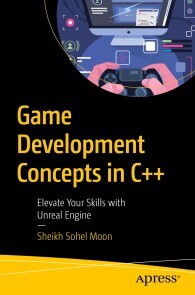
Game Development Concepts in C++
Leverage Unreal Engine to implement a wide variety of mechanics using C++. This book arms you with the knowledge and practices of game mechanics programming in C++, supported by detailed mathematical and programmatic explanations.Detailing everything from collision mechanics and AI pathfinding to networking and advanced physics, this book offers a holistic approach to game development, ensuring you get the most out of your gameplay experiences. You will work on character mechanics, environmental interactions, combat systems, and visual effects, gaining a thorough understanding of how to implement these features in C++.By the time you finish this book, you will be able to create complex game mechanics and to make your projects optimization-intensive and performance-driven. Whether you want to polish your skills or experiment with new techniques, _Game Dev Concepts in C++ for Unreal Engine Practitioners_ gives you the right guidance and helps you to stand out in this competitive world of game development.WHAT YOU WILL LEARN* Understand detailed scenarios that demonstrate how each mechanic is applied in real-world game development projects.* Utilize ready template codes for quicker implementation of mechanics in your games, saving time, and boosting productivity.* Develop your skills in advanced Unreal Engine and C++ programming, making you a versatile and proficient game developer.* See how different mechanics work together to create engaging gameplay experiences.__WHO IS THIS BOOK FORIdeal for intermediate level game developers who have an understanding of Unreal Engine and have a set of basic programming skills in C++.Chapter 1: Introduction.- Chapter 2: Collision Mechanics.- Chapter 3: Interaction Mechanics.- Chapter 4: Environmental Mechanics.- Chapter 5: Character Mechanics.- Chapter 6: Combat Mechanics.- Chapter 7: Physics and Dynamics.- Chapter 8: Audio and Visual Effects.- Chapter 9: AI and Pathfinding.- Chapter 10: Networking and Multiplayer.- Chapter 11: Advanced Mechanics.- Chapter 12: Case Studies.- Chapter 13: Appendices.

Microsoft Project Essentials
Microsoft Project has been a trusted tool for professionals worldwide, providing robust solutions for planning, executing, and tracking projects of any scale. This book serves as a comprehensive guide to mastering Microsoft Project, offering everything you need to elevate your project management skills and achieve your goals efficiently.The book starts by exploring Microsoft Project features and setting up your Project profile. You will then learn how to manage tasks and resources in Microsoft Project. Further, you will demonstrate scheduling and timelines followed by a deep dive into budgeting and cost management of the project. Moving forward, you will understand Microsoft Project's integration with M365 and learn Agile Project Management techniques. In the end, you will learn the advanced features and future patterns in Microsoft Project along with expert tips for efficiency.After reading the book, you will be able to create detailed project plans, set milestones, and develop schedules using Gantt charts.WHAT YOU WILL LEARN:* Discover how to assign resources to tasks, manage workloads, and optimize resource allocation* Gain skills in estimating project costs, tracking expenditures, and managing budgets effectively* Learn how to update project status, track progress against the plan, and manage changes efficiently* Integrate Microsoft Project with other Microsoft tools like Teams and SharePoint for enhanced collaborationWHO THIS BOOK IS FOR:Project Managers, Business Analysts and ConsultantsChapter 1: Introduction to Microsoft Project: Understanding the Platform.- Chapter 2: Getting Started with Microsoft Project.- Chapter 3: Managing tasks with Microsoft Project.- Chapter 4: Resource Management using Microsoft Project.- Chapter 5: Fine Tuning Project Schedule.- Chapter 6: Budget and Cost Management using Microsoft Project.- Chapter 7: Seamless integration of Microsoft Project with Microsoft 365 family.- Chapter 8: Agile Project Management using Microsoft Project.- Chapter 9: Microsoft Project Reports and Analytics.- Chapter 10: Advanced Features of Microsoft Project and Future Trends in Project Management.

CompTIA A+ Complete Study Guide, 2-Volume Set
YOUR COMPLETE, ACCURATE RESOURCE FOR THE UPDATED COMPTIA A+ CORE 1 AND CORE 2 EXAMSIn the newly revised sixth edition of CompTIA A+ Complete Study Guide 2-Volume Set: Volume 1 Core 1 Exam 220-1201 and Volume 2 Core 2 Exam 220-1202, you'll discover comprehensive coverage of all A+ certification exam objectives. A team of A+ certified IT professionals with a combined 50 years' experience in the industry walk you through the most popular information technology certification on the market today, preparing you for success on both the 220-1201 and 220-1202 A+ exams. The set emphasizes on-the-job skills you'll use every day as a PC technician or in a related role, with timely updates covering major advances in mobile, cloud, network, and security technology. It walks you through mobile devices, networking, hardware, virtualization and cloud computing, hardware and network troubleshooting, operating systems, security, software troubleshooting, and operational procedures. You'll also find:* Practical examples and technology insights drawn from the real-world experiences of current IT professionals* Exam highlights, end-of-chapter reviews, and other useful features that help you learn and retain the detailed info contained within* Complimentary access to the Sybex online test bank, including hundreds of practice test questions, flashcards, and a searchable key term glossaryPrepare smarter and faster, the Sybex way. CompTIA A+ Complete Study Guide 2-Volume Set is perfect for anyone preparing to take the A+ certification exams for the first time, as well as those seeking to renew their A+ certification and PC or hardware technicians interested in upgrading their skillset.

NoOps
Traditional DevOps is struggling with new challenges in today's fast-changing software world. With the rise of microservices, cloud-based systems, and AI-driven automation, managing software has become increasingly difficult. Teams often deal with too many tools, repetitive manual tasks, and slow innovation. NoOps provides a clear guide to using AI to streamline DevOps and reduce manual work.The book starts by explaining how DevOps has evolved and why software development has become so fragmented. It highlights the importance of standardization as the first step toward NoOps. Readers will learn how AI can improve coding, testing, infrastructure management, and software deployment. It covers AI-powered development tools, automated testing, self-managing infrastructure, and intelligent AI agents that handle deployments and fix problems automatically. Real-world case studies show how companies are already using AI to transform their DevOps processes. Beyond automation, NoOps also explores how AI will change job roles, requiring new skills and shifting how teams work. It discusses ethical concerns, team dynamics, and the future of AI-driven software development.Whether you're a developer, DevOps engineer, or tech leader, this book will help you understand and prepare for a future where AI plays a major role in software delivery.What you will learn:* How DevOps has evolved and why traditional methods struggle with modern software challenges.* How AI can automate coding, testing, and infrastructure management to streamline workflows.* Explore AI-driven DevOps strategies, including AI orchestration, self-healing infrastructure, and predictive analytics.* Discover real-world case studies of companies successfully using AI to improve software delivery.Who this book is for:Technical Executives, DevOps Engineers & SREs looking to automate testing, monitoring, infrastructure, and CI/CD. Software Developers who want to write better code faster using AI-driven development tools. QA Engineers & Testers responsible for functional, integration, and performance testing who need to automate and self-heal test cases with AI.Chapter 1 – The Evolution of DevOps.- Chapter 2 - Fragmented Software Development: Why DevOps Isn’t Always Enough.- Chapter 3 – The Case for Standardization: Building the Foundation for NoOps.- Chapter 4 - Cloud-Native & Data-Centric Approaches.- Chapter 5 – What “Good” Looks Like.- Chapter 6 – Generative AI for Coding & Unit Testing.- Chapter 7 – Generative AI for System & Integration Testing.- Chapter 8 – Generative AI for IaC & Data Provisioning.- Chapter 9 – AI-Orchestration.- Chapter 10 – Rise of AI Agents.- Chapter 11 – Rethinking Roles in NoOps World.- Chapter 12 – The Future: Beyond DevOps to NoOps.
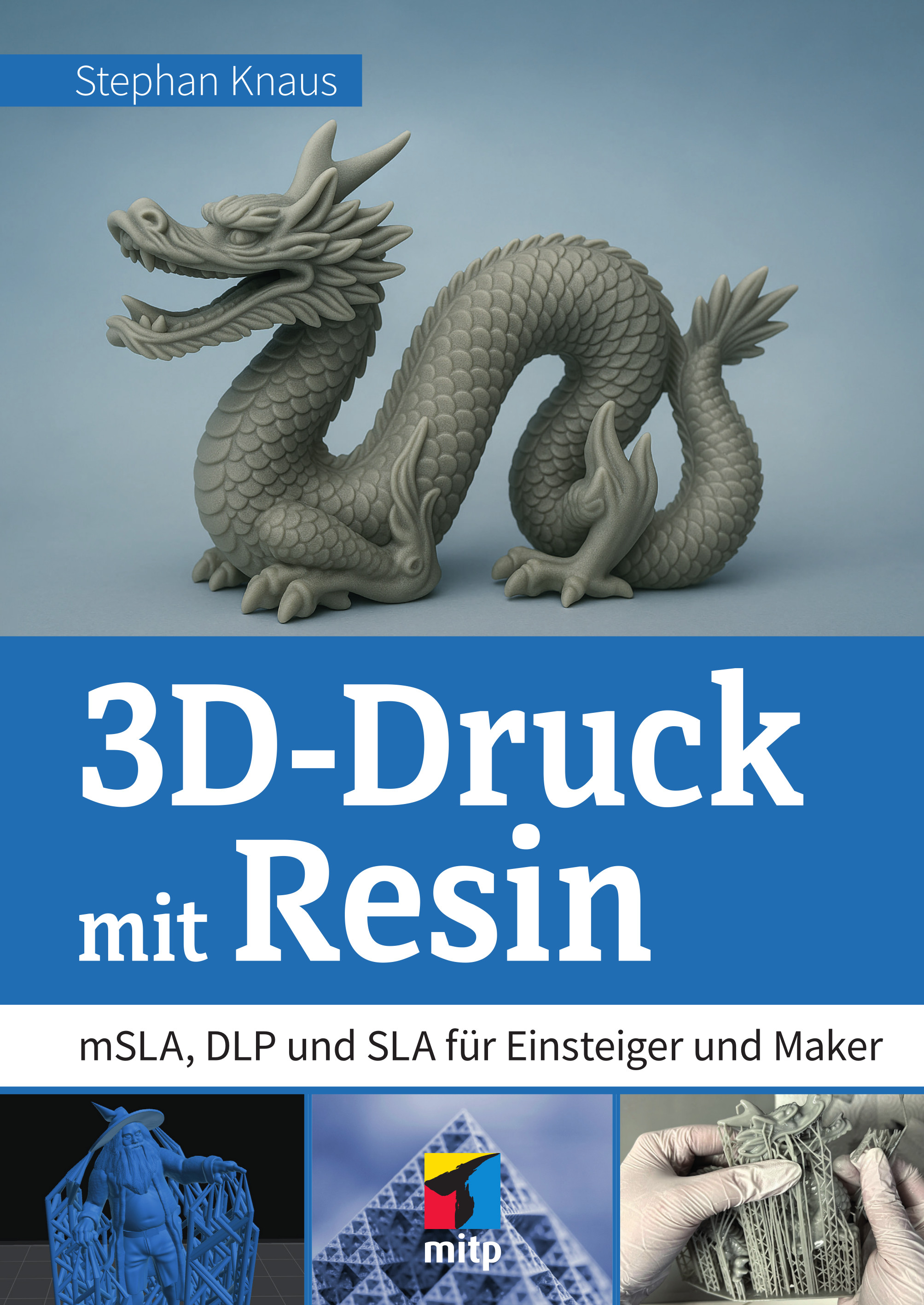
3D-Druck mit Resin für Einsteiger
Resindruck verstehen und sicher anwendenResindruck gilt als präzise, aber anspruchsvoll. Der Autor erläutert alle dafür benötigten Grundlagen und Techniken leicht verständlich – egal, ob Sie kompletter Neueinsteiger oder Umsteiger vom FDM-Druck sind. Sie finden eine fundierte Einführung in Technik, Materialwahl, Sicherheitsaspekte und Vorbereitung und werden Schritt für Schritt vom Aufbau Ihres Druckers bis zum ersten erfolgreichen Druck begleitet.Von der Idee zum perfekten DruckSie erfahren, wie Sie geeignete 3D-Modelle finden oder selbst erstellen und optimal für den Resindruck vorbereiten. Anhand eines durchgängigen Beispielprojekts – dem Druck eines filigranen Drachenmodells – lernen Sie den gesamten Workflow kennen: slicen, Stützstrukturen setzen, drucken, waschen, aushärten und nachbearbeiten.Tipps und Anleitungen aus der PraxisAnschauliche Anleitungen und zahlreiche Praxistipps erleichtern den Einstieg und helfen, typische Fehler zu vermeiden. Der klare Aufbau und die langjährige Erfahrung des Autors machen dieses Buch zu einem hilfreichen Begleiter – ideal für alle, die sich mit Freude und Sicherheit an den Resindruck wagen möchten.Über den Autor:Stephan Knaus beschäftigt sich seit 2015 leidenschaftlich mit dem Thema 3D-Druck und kennt die typischen Herausforderungen beim Drucken mit Resin aus erster Hand. Als Betreiber der Community drucktipps3d.de verfasst er Testberichte, Tutorials und bietet täglich fundierte Unterstützung im Forum.
A Friendly Guide to Data Science
UNLOCK THE WORLD OF DATA SCIENCE—NO CODING REQUIRED.Curious about data science but not sure where to start? This book is a beginner-friendly guide to what data science is and how people use it. It walks you through the essential topics—what data analysis involves, which skills are useful, and how terms like “data analytics” and “machine learning” connect—without getting too technical too fast.Data science isn’t just about crunching numbers, pulling data from a database, or running fancy algorithms. It’s about asking the right questions, understanding the process from start to finish, and knowing what’s possible (and what’s not). This book teaches you all of that, while also introducing important topics like ethics, privacy, and security—because working with data means thinking about people, too.Whether you're a student exploring new skills, a professional navigating data-driven decisions, or someone considering a career change, this book is your friendly gateway into the world of data science, one of today’s most exciting fields. No coding or programming experience? No problem. You'll build a solid foundation and gain the confidence to engage with data science concepts— just as AI and data become increasingly central to everyday life.WHAT YOU WILL LEARN* Grasp foundational statistics and how it matters in data analysis and data science* Understand the data science project life cycle and how to manage a data science project* Examine the ethics of working with data and its use in data analysis and data science* Understand the foundations of data security and privacy* Collect, store, prepare, visualize, and present data* Identify the many types of machine learning and know how to gauge performance* Prepare for and find a career in data scienceWHO THIS BOOK IS FORA wide range of readers who are curious about data science and eager to build a strong foundation. Perfect for undergraduates in the early semesters of their data science degrees, as it assumes no prior programming or industry experience. Professionals will find particular value in the real-world insights shared through practitioner interviews. Business leaders can use it to better understand what data science can do for them and how their teams are applying it. And for career changers, this book offers a welcoming entry point into the field—helping them explore the landscape before committing to more intensive learning paths like degrees or boot camps.Part I: Foundations.- Chapter 1: Working with Numbers: What Is Data, Really?.- Chapter 2: Figuring Out What’s Going on in the Data: Descriptive Statistics.- Chapter 3: Setting Us Up for Success: The Inferential Statistics Framework and Experiments.- Chapter 4: Coming to Complex Conclusions: Inferential Statistics and Statistical Testing.- Chapter 5: Figuring Stuff Out: Data Analysis.- Chapter 6: Bringing It into the 21st Century: Data Science.- Chapter 7: A Fresh Perspective: The New Data Analytics.- Chapter 8: Keeping Everyone Safe: Data Security and Privacy.- Chapter 9: What’s Fair and Right: Ethical Considerations.- Part II: Doing Data Science.- Chapter 10: Grasping the Big Picture: Domain Knowledge.- Chapter 11: Tools of the Trade: Python and R.- Chapter 12: Trying Not to Make a Mess: Data Collection and Storage.- Chapter 13: For the Preppers: Data Gathering and Preprocessing.- Chapter 14: Ready for the Main Event: Feature Engineering, Selection, and Reduction.- Chapter 15: Not a Crystal Ball: Machine Learning.- Chapter 16: How’d We Do? Measuring the Performance of ML Techniques.- Chapter 17: Making the Computer Literate: Text and Speech Processing.- Chapter 18: A New Kind of Storytelling: Data Visualization and Presentation.- Chapter 19: This Ain’t Our First Rodeo: ML Applications.- Chapter 20: When Size Matters: Scalability and the Cloud.- Chapter 21: Putting It All Together: Data Science Solution Management.- Chapter 22: Errors in Judgment: Biases, Fallacies, and Paradoxes.- Part III: The Future.- Chapter 23: Getting Your Hands Dirty: How to Get Involved in Data Science.- Chapter 24: Learning and Growing: Expanding Your Skillset and Knowledge.- Chapter 25: Is It Your Future?: Pursuing a Career in Data Science.- Appendix A.

Artificial Intelligence in Neurological Disorders
THE BOOK GIVES INVALUABLE INSIGHTS INTO HOW ARTIFICIAL INTELLIGENCE IS REVOLUTIONIZING THE MANAGEMENT AND TREATMENT OF NEUROLOGICAL DISORDERS, EMPOWERING YOU TO STAY AHEAD IN THE RAPIDLY EVOLVING LANDSCAPE OF HEALTHCARE.Embark on a groundbreaking exploration of the intersection between cutting-edge technology and the intricate complexities of neurological disorders. Artificial Intelligence in Neurological Disorders: Management, Diagnosis and Treatment comprehensively introduces how artificial intelligence is becoming a vital ally in neurology, offering unprecedented advancements in management, diagnosis, and treatment. As the digital age converges with medical expertise, this book unveils a comprehensive roadmap for leveraging artificial intelligence to revolutionize neurological healthcare. Delve into the core principles that underpin AI applications in the field by exploring intricate algorithms that enhance the precision of diagnosis and how machine learning not only refines the understanding of neurological disorders but also paves the way for personalized treatment strategies tailored to individual patient needs. With compelling case studies and real-world examples, the realms of neuroscience and artificial intelligence converge, illustrating the symbiotic relationship that holds the promise of transforming patient care. Readers of this book will find it:* Provides future perspectives on advancing artificial intelligence applications in neurological disorders;* Focuses on the role of AI in diagnostics, delving into how advanced algorithms and machine learning techniques contribute to more accurate and timely diagnosis of neurological disorders;* Emphasizes practical integration of AI tools into clinical practice, offering insights into how healthcare professionals can leverage AI technology for more effective patient care;* Recognizes the interdisciplinary nature of neurology and AI, bridging the gap between these fields, making it accessible to healthcare professionals, researchers, and technologists;* Addresses the ethical implications of AI in healthcare, exploring issues such as data privacy, bias, and the responsible deployment of AI technologies in the neurological domain.AUDIENCEResearchers, scientists, industrialists, faculty members, healthcare professionals, hospital management, biomedical industrialists, engineers, and IT professionals interested in studying the intersection of AI and neurology. RISHABHA MALVIYA, PHD is an associate professor in the Department of Pharmacy in the School of Medical and Allied Services at Galgotias University with over 13 years of research experience. He has authored 57 books, 58 chapters, and over 150 research papers for national and international journals of repute, as well as 51 patents. His areas of interest include formulation optimization, nanoformulation, targeted drug delivery, localized drug delivery, and characterization of natural polymers as pharmaceutical excipients. SURAJ KUMAR is an assistant professor in the School of Medical and Allied Sciences at Galgotias University. He has published over ten papers in international journals and five book chapters. His research interests include sustainable polymeric fibers, nanoparticles, and controlled drug delivery. ADITYA SUSHIL SOLANKE, PHD is a Senior Resident in Neurosurgery at Byramjee Jeejeebhoy Government Medical College and Sassoon Hospital, India. He completed his Bachelor of Medicine, Bachelor of Surgery, and Masters in General Surgery from the Government Medical College in Nagpur. PRIYANSHI GOYAL, M.PHARM is an assistant professor in the School of Pharmacy at Mangalayatan University. She has authored seven review articles and two books and attended 14 national and international conferences and webinars. Her area of interest is treatment strategies for neurological disorders. KAPIL CHAUHAN, PHD is an emergency physician at Max Hospital in Dehradun, India. He completed his Bachelor of Medicine and Bachelor of Surgery from Teerthanker Mahavir Medical College and Masters in Emergency Medicine from Max Hospital.

Einstieg in die Datenanalyse mit Excel
In diesem Praxisbuch führt George Mount Daten- und Business-Analyst*innen durch zwei leistungsstarke in Excel integrierte Tools für die Datenanalyse: Power Pivot und Power Query. Er zeigt Ihnen, wie Sie mit Power Query Workflows zur Datenbereinigung erstellen und mit Power Pivot relationale Datenmodelle entwerfen. Darüber hinaus lernen Sie nützliche Funktionen wie dynamische Array-Formeln, KI-gestützte Methoden zur Aufdeckung von Trends und Mustern sowie die Integration von Python zur Automatisierung von Analysen und Berichten kennen.George Mount zeigt Ihnen, wie Sie Ihre Excel-Kenntnisse weiter ausbauen und das Programm effektiv für die moderne Datenanalyse nutzen. Das Buch gibt einen klaren Überblick über das volle Potenzial von Excel und hilft Ihnen, auch ohne Power BI oder anderer Zusatzsoftware Daten effektiv aufzubereiten und zu analysieren. Viele Übungen zur Vertiefung des Gelernten runden das Buch ab.Dieses Buch zeigt Ihnen, wie Sie:wiederholbare Datenbereinigungsprozesse für Excel mit Power Query erstellenrelationale Datenmodelle und Analysen mit Power Pivot entwickelnDaten schnell mit dynamischen Arrays abrufenKI nutzen, um Muster und Trends in Excel aufzudeckenPython-Funktionen in Excel für automatisierte Analysen und Berichte integrierenLeseprobe (pdf-Link)Über den Autor:George Mount ist Gründer von Stringfest Analytics, einer Beratungsfirma, die sich auf die berufliche Weiterbildung im Bereich Datenanalyse spezialisiert hat. Er hat mit führenden Bootcamps, Lernplattformen und Fachorganisationen zusammengearbeitet, um Menschen dabei zu unterstützen, in der Datenanalyse erfolgreich zu sein. George Mount wurde mit dem „Microsoft Most Valuable Professional“-Award für herausragende technische Expertise und sein Engagement in der Excel-Community ausgezeichnet.
Large Language Models selbst programmieren
LLMs selbst erstellen und von Grund auf verstehen!Der Bestseller aus den USA ist jetzt endlich in deutscher Übersetzung erhältlich und bietet den idealen Einstieg in die Welt der Large Language Models (LLMs). Auf dem eigenen Laptop entwickeln, trainieren und optimieren Sie ein LLM, das mit GPT-2 vergleichbar ist – ganz ohne vorgefertigte Bibliotheken. Bestsellerautor Sebastian Raschka erklärt die Grundlagen und Vorgehensweise Schritt für Schritt und leicht verständlich.Das Buch nimmt Sie mit auf eine spannende Reise in die Blackbox der generativen KI: Sie programmieren ein LLM-Basismodell, bauen daraus einen Textklassifikator und schließlich einen eigenen Chatbot, den Sie als persönlichen KI-Assistenten nutzen können. Dabei lernen Sie nicht nur die technischen Details kennen, sondern auch, wie Sie Datensätze vorbereiten, Modelle mit eigenen Daten verfeinern und mithilfe von menschlichem Feedback verbessern. Ein praxisnaher Leitfaden für alle, die wirklich verstehen wollen, wie LLMs funktionieren – weil sie ihren eigenen gebaut haben.Über den Autor:Sebastian Raschka, PhD, arbeitet sehr mehr als einem Jahrzehnt im Bereich Machine Learning und KI. Er ist Staff Research Engineer bei Lightning AI, wo er LLM-Forschung betreibt und Open-Source-Software entwickelt. Sebastian ist nicht nur Forscher, sondern hat auch eine große Leidenschaft für die Vermittlung von Wissen. Bekannt ist er für seine Bestseller zu Machine Learning mit Python und seine Beiträge zu Open Source.Richtet sich an:Data ScientistsPython-Programmierer*innen, die sich tiefer in die Funktionsweise von LLMs einarbeiten möchten und ML-Grundkenntnisse haben
Einstieg in die Datenanalyse mit Excel
Daten analysieren und Prozesse automatisieren mit Excel - Automatisieren Sie Ihre Datenbereinigung in Excel mit Power Query. - Strukturieren Sie Ihre Daten mit Power Pivot. - Nutzen Sie Python für automatisierte Analysen und Berichterstattung. In diesem Praxisbuch führt George Mount Daten- und Business-Analyst*innen durch zwei leistungsstarke in Excel integrierte Tools für die Datenanalyse: Power Pivot und Power Query. Er zeigt Ihnen, wie Sie mit Power Query Workflows zur Datenbereinigung erstellen und mit Power Pivot relationale Datenmodelle entwerfen. Darüber hinaus lernen Sie nützliche Funktionen wie dynamische Array-Formeln, KI-gestützte Methoden zur Aufdeckung von Trends und Mustern sowie die Integration von Python zur Automatisierung von Analysen und Berichten kennen. George Mount zeigt Ihnen, wie Sie Ihre Excel-Kenntnisse weiter ausbauen und das Programm effektiv für die moderne Datenanalyse nutzen. Das Buch gibt einen klaren Überblick über das volle Potenzial von Excel und hilft Ihnen, auch ohne Power BI oder anderer Zusatzsoftware Daten effektiv aufzubereiten und zu analysieren. Viele Übungen zur Vertiefung des Gelernten runden das Buch ab. Dieses Buch zeigt Ihnen, wie Sie: - wiederholbare Datenbereinigungsprozesse für Excel mit Power Query erstellen - relationale Datenmodelle und Analysen mit Power Pivot entwickeln - Daten schnell mit dynamischen Arrays abrufen - KI nutzen, um Muster und Trends in Excel aufzudecken - Python-Funktionen in Excel für automatisierte Analysen und Berichte integrieren

Generative KI im Kontext der Wirtschaftsinformatik
Generative KI stellt eine neue wichtige Technologie dar, die in der Lage ist, betriebliche Prozesse und Anwendungen zu automatisieren und zu optimieren. Inwieweit sich Generative KI wie ChatGPT für den Einsatz im Kontext der Wirtschaftsinformatik eignet, wird im Rahmen dieses Herausgeber-Bandes thematisiert. Dazu untersuchen einige Autoren-Teams den Einsatz von ChatGPT anhand verschiedener Beispiele. Die Beispiele umfassen sowohl Fragestellungen zum Lernen an der Hochschule wie zum Beispiel zur Texterstellung und zur Mathematik als auch zum betrieblichen Einsatz in der unternehmerischen Praxis in verschiedenen betriebswirtschaftlichen Anwendungsfeldern. Das Buch bietet wichtige Informationen, die für Praktiker ebenso relevant sind wie für Studierende und Lehrende..- Teil 1 – Einleitung..- 1 Generative KI im Kontext digitaler Ressourcen, Lehre, Innovation und Kundenbeziehung..- Teil 2 – Digitale Ressourcen und Lehre..- 2 Versionsverwaltung von Dokumenten in Zeiten von Cloud, Cybersecurity und KI..- 3 "Versteht" ein System wie ChatGPT seine eigenen Texte zur Mathematik?..- 4 Ein Vergleich von Wirtschaftsinformatik-Lehrmaterialien mit generierten Erklärungstexten..- Teil 3 – Innovationsmanagement..- 5 Die Zukunft des Technologiescoutings: Wie ein digitales Transfertool von KI-basierter Contentgenerierung profitiert..- 6 Zukunftsszenarien Szenarioanalysen mit ChatGPT – Potenziale und Grenzen KI-gestützter Vorausschau..- Teil 4 – Kundenanalyse und Kundeninteraktion..- 7 Data Science und KI – made by Data Science und KI..- 8 Wie Produktivitätsgewinne in der Kundenbetreuung durch KI-basierte Textgenerierung erzielt werden – heutige und zukünftige Einsatzmöglichkeiten..- 9 Multimodales Fenster in die Vergangenheit der ehemaligen Vauban-Festung Saarlouis mittels ChatGPT.

Emerging Smart Agricultural Practices Using Artificial Intelligence
BRING THE LATEST TECHNOLOGY TO BEAR IN THE FIGHT FOR SUSTAINABLE AGRICULTURE WITH THIS TIMELY VOLUMEArtificial intelligence (AI) has the potential to revolutionize virtually every area of research and scientific practice, including agriculture. With AI solutions emerging to drive higher yields, produce increased resource efficiency, and foster sustainability, there is an urgent need for a volume outlining this progress and charting its future course. Emerging Smart Agricultural Practices Using Artificial Intelligence meets this need with a deep dive into the rapidly developing intersection of agriculture and artificial intelligence. Taking an interdisciplinary approach which applies data science, computer science, and engineering techniques, the book provides cutting-edge insights on the latest advancements in AI-driven agricultural practices. The result is an absolutely critical tool in the ongoing fight to develop sustainable world agriculture. In addition, this book provides:* Case studies and real-world applications of new techniques throughout* Detailed discussion of agricultural applications for AI-driven technologies such as machine learning, computer vision, and data analytics * A regional approach showcasing international best practices and addressing the varying needs of farmers worldwideEmerging Smart Agricultural Practices Using Artificial Intelligence is ideal for agricultural professionals and scientists, as well as data scientists, technologists, and agricultural policymakers. ASHISH KUMAR, PHD, is an Associate Professor with Bennett University, Greater Noida, U.P. India. He has published widely on subjects including object tracking, image processing, artificial intelligence, and medical imaging analysis, and is a member of the IEEE. JAI PRAKASH VERMA, PHD, is an Associate Professor in the Department of Computer Science and Engineering, Nirma University, Ahmedabad, India. He offers customized training on big data analytics to the Indian Navy, SAC-ISRO scientists in Ahmedabad, and other experts from industry and academia. RACHNA JAIN, PHD, is an Associate Professor in the Department of Information Technology Bhagwan Parshuram Institute of Technology. She has 18+ years of academic/research experience with more than 100+ publications in various international conferences and international journals (Scopus/ISI/SCI) of high repute.