

Security

Data Engineering 4.0
Digitale Systeme und Infrastrukturen werden in der Regel gemeinsam oder wie im öffentlichen Sprachgebrauch üblich, „geteilt“ genutzt.Das gilt sowohl für die Systeme und Infrastrukturen selbst, als auch für Daten, die häufig als das Öl der Digitalisierung bezeichnet werden.In industriellen Nutzungen sind Daten in den meisten Fällen eine geschäftskritische Ressource und können nicht, wie im privaten Nutzungsumfeld, bedingungslos und uneigennützig Dritten überlassen werden. Dennoch ist das Teilen von Daten für industrielle Anwendungen gewünscht und häufig auch zwingend notwendig, aber ebenso häufig unzulässig und gefährlich. Genauso zwingend wie das Teilen von Daten ist in industriellen Anwendungen das nutzungsgerechte und passgerechte Zusammenführen von Daten unterschiedlicher Bedeutung zu Daten-Konglomeraten.Um die digitale Souveränität gemeinsam berechtigter Nutzer von Daten gewährleisten zu können, muss zur Bewältigung dieser beiden Aufgaben ein systematisches Data Engineering bereitgestellt werden.HERBERT WEBEr war Universitätsprofessor im Fachbereich Informatik der Technischen Universität Berlin sowie Gründer und langjähriger Leiter des Fraunhofer-Instituts für Software und Systemtechnik. Informationen und Informationsmodelle.- Informationsmodellierung für industrielle Anwendungen.- Methoden der Informationsmodellierung.- Kompositionale konstruierte Informationsmodelle.- Extensionale Konstruktionen.- Intensionale Konstruktionen.- Das HERMES Komponentenmodell.- Zusammenfassung.

Multi-Site Network and Security Services with NSX-T
Know the basics of network security services and other stateful services such as NAT, gateway and distributed firewalls (L2-L7), virtual private networks (VPN), load balancing (LB), and IP address management. This book covers these network and security services and how NSX-T also offers integration and interoperability with various other products that are not only created by VMware, but are also referred by VMware as third-party integrated vendors.With the integration of VMware vRealize Automation, you can automate full application platforms consisting of multiple virtual machines with network and security services orchestrated and fully automated.From the operational perspective, this book provides best practices on how to configure logging, notification, and monitoring features and teaches you how to get the required visibility of not only your NSX-T platform but also your NSX-T-enabled network infrastructure.Another key part of this book is the explanation of multi-site capabilities and how network and security services can be offered across multiple on-premises locations with a single management pane. Interface with public cloud services also is included. The current position of NSX-T operation in on-premises private clouds and the position and integration with off-premises public clouds are covered as well.This book provides a good understanding of integrations with other software to bring the best out of NSX-T and offer even more features and capabilities.WHAT YOU WILL LEARN* Understand the NSX-T security firewall and advanced security* Become familiar with NAT, DNS, DHCP, and load balancing features* Monitor your NSX-T environment* Be aware of NSX-T authentication and authorization possibilities* Understand integration with cloud automation platforms* Know what multi-cloud integrations are possible and how to integrate NSX-T with the public cloudWHO THIS BOOK IS FORVirtualization administrators, system integratorsIWAN HOOGENDOORN started his IT career in 1999 as a help desk agent. Soon after, he started to learn Microsoft products and obtained MCP, MCSA, MCDBA, and MCSE certifications. While working as a Microsoft Systems Engineer, Iwan developed additional skills and knowledge in computer networking. Networking became a passion in his life. This passion resulted in learning networking with Cisco products. One of Iwan's dreams was to work for Cisco. But before this could happen, he first needed to finish his bachelor's degree in ICT, which he completed in 2009. In early 2010, he started working for his dream company, Cisco. After finishing his master's degree (part-time) in computer science at the University of Amsterdam and becoming a CCIE (#13084) in six different technology areas, Iwan wanted to learn something new, and that was virtualization. Because networking was something that ran through his veins, network virtualization was the next logical step. So he decided to learn VMware NSX.Iwan got the opportunity to work for VMware in 2016 as Senior NSX PSO Consultant. In his time at VMware, he gained more knowledge on private and public clouds and the related products that VMware developed to build the Software-Defined Data Center (SDDC). As new technology is growing at a rapid pace (especially within VMware and the VMware cloud space), Iwan is trying to keep up.After working for four years as Senior NSX PSO Consultant (primarily with VMware NSX-v and NSX-T), Iwan was promoted to Staff SDDC Consultant, focusing on the full SDDC stack that includes Hyperscaler offerings on the main public clouds such as AWS (VMC on AWS), Microsoft (Azure VMware Solution), and Google (Google Cloud VMware Engine).Iwan is certified on multiple VMware products, including NSX, and he is actively working together with VMware certification to develop network-related exams for VMware. Next to his VMware certifications, Iwan is also AWS and TOGAF certified.Iwan is the author of the Apress book, Getting Started with NSX-T: Logical Routing and Switching.· CHAPTER 1o Title: NSX-T SECURITY | FIREWALLo Chapter Goal: The theory about the Basic Security Services offered by NSX-T followed by the deployment’s details and steps with proper verification.o Number of Pages: 20o Subtopics:§ Gateway Firewalls§ Distributed Firewall§ Security Profiles§ Time-Based Firewall Policy· CHAPTER 2o Title: NSX-T ADVANCED SECURITYo Chapter Goal: The theory about the Advanced Security Services/features offered by NSX-T.o Number of Pages: 20o Subtopics:§ Distributed IDS§ Layer-7 Context Profiles§ Identity based Firewall§ Bare Metal Server Security· CHAPTER 3o Title: NSX-T SERVICE INSERTIONo Chapter Goal: The theory about the Security Services/features offered by 3rd Party vendors from VMware’s perspective and how the integration works.o Number of Pages: 15o Subtopics:§ East/West Third-party service insertion§ North/South Third-party service insertion§ End-Point Protection§ Network Introspection Settings· CHAPTER 4o Title: NETWORK ADDRESS TRANSLATION (NAT), DNS AND DHCPo Chapter Goal: Know the difference between SNAT and DNAT and explanation on how to configure NAT, DNS and DHCP IP address Management using the internal NSX-T.o Number of Pages: 20o Subtopics:§ SNAT§ DNAT§ Configure NAT Services§ DNS Zone§ DNS Forwarding Zone§ DHCP Profile§ IP Address Pool§ IP Address Block· CHAPTER 5o Title: LOAD BALANCING (LB)o Chapter Goal: Discuss Load Balancing capabilities and configuration.o Number of Pages: 30o Subtopics:§ Load Balancing Concepts§ Distributed Load Balancer§ Setting up the Load Balancer Components· CHAPTER 6o Title: VIRTUAL PRIVATE NETWORK (VPN)o Chapter Goal: Know the differ types of VPN and how to configure and monitor them.o Number of Pages: 25o Subtopics:§ IPSEC (L3 VPN)§ L2 VPN§ Configuration of VPN· L3· L4§ Monitoring of VPN sessions· CHAPTER 7o Title: NSX-T MONITORINGo Chapter Goal: Tools to verify the Routing and Routing performance.o Number of Pages: 30o Subtopics:§ Network Monitoring§ Logging§ vRealize Network insight integration§ IPFIX§ Network Performance Testing using IPERF Tools§ Monitoring / Events and Alarms§ Logging§ vRealize Log insight integration§ vRealize Operations integration§ Other Operation Tools Integration· CHAPTER 8o Title: AUTHENTICATION AND AUTHORIZATIONo Chapter Goal: Information on how to integrate NSX-T with an external LDAP server and create user (groups) with different roles and rights (RBAC).o Number of Pages: 15o Subtopics:§ vIDM Integration & LDAP Integration§ LDAP only integration§ RBAC· CHAPTER 9o Title: MULTI-SITE AND FEDERATIONo Chapter Goal: Design Principles regarding Multi Site routingo Number of Pages: 40o Subtopics:§ Multi-Site Capabilities§ NSX-T Federation overview§ Networking with Federation§ Security with Federation§ Backup & Restore with Federation· CHAPTER 10o Title: PUBLIC CLOUD INTEGRATIONo Chapter Goal: NSX-T is also used in all major Public Clouds. This chapter gives you an overview on what is deployed there and how NSX-T can be consumed in these Public Clouds.o Number of Pages: 30o Subtopics:§ Forwarding Policies§ VMC on AWS§ Azure VMware Solution (AVS)§ Google Cloud VMware Engine· CHAPTER 11o Title:CLOUD MANAGEMENT PLATFORM INTEGRATION & AUTOMATIONo Chapter Goal: Get familiar on the out-of-the-box automation capabilities and vRO extensibility.o Number of Pages: 20o Subtopics:§ vCloud Director· Allowing Tenants to Create / Use NSX-T Related automated network and security Services§ vRealize Automation / vRealize Orchestration· Allowing Tenants to Create / Use NSX-T Related automated network and security Services§ NSX-T API Capabilities

Monitoring Cloud-Native Applications
Introduce yourself to the nuances of modern monitoring for cloud-native applications running on Kubernetes clusters. This book will help you get started with the concepts of monitoring, introduce you to popular open-source monitoring tools, and help with finding the correct set of use cases for their implementation. It covers the in-depth technical details of open-source software used in modern monitoring systems that are tailor made for environments running microservices.Monitoring Cloud-Native Applications is divided into two parts. Part 1 starts with an introduction to cloud-native applications and the foundational concepts of monitoring. It then walks you through the various aspects of monitoring containerized workloads using Kubernetes as the de-facto orchestration platform. You will dive deep into the architecture of a modern monitoring system and look at its individual components in detail.Part 2 introduces you to popular open-source tools which are used by enterprises and startups alike and are well established as the tools of choice for industry stalwarts. First off, you will look at Prometheus and understand its architecture and usage. You will also learn about InfluxDB, formerly called TICK Stack (Telegraf, InfluxDB, Chronograf, and Kapacitor). You will explore the technical details of its architecture and the use cases which it solves. In the next chapter, you will be introduced to Grafana, a multi-platform open source analytics and interactive visualization tool that can help you with visualization of data and dashboards.After reading this book, you will have a much better understanding of key terminologies and general concepts around monitoring and observability. You will also be able to select a suitable monitoring solution from the bouquet of open-source monitoring solutions available for applications, microservices, and containers. Armed with this knowledge, you will be better prepared to design and lead a successful agile operations team.What You Will LearnMonitor and observe of metrics, events, logs, and tracesCarry out infrastructure and application monitoring for microservices architectureAnalyze and visualize collected dataUse alerting, reporting, and automated actions for problem resolutionWho This Book Is ForDevOps administrators, cloud administrators, and site reliability engineers (SREs) who manage and monitor applications and cloud infrastructure on a day-to-day basis within their organizations.MAINAK CHAKRABORTY works as a senior solutions architect at a leading public cloud company, specializing in cloud management and automation tools. He has been instrumental in shaping the cloud journey of customers across industry segments whether they be established enterprises or born-in-the-cloud startups. Mainak is an open source enthusiast and regularly presents at industry technical events on his favorite topics of automation, cloud native applications, and cloud computing.AJIT PRATAP KUNDAN stands at the leading edge of the innovative technologies of todays’ information technology world. He’s worked with HPE, VMware, Novell, Redington, and PCS and helped their customers in transforming their datacenters through software-defined services. Ajit is a valued author on cloud technologies and has authored two books VMware Cross-Cloud Architecture and Intelligent Automation with VMware published by Packt and has reviewed one book Deep Learning with Pytorch.PART I: INTRODUCTION TO MONITORINGCHAPTER 1: BASIC CONCEPTS OF MONITORINGCHAPTER GOAL: This chapter is about the foundational concepts of monitoring and the associated terminology. It starts with explaining why monitoring is important and also discusses the parameters which can be monitored. We will take a look at the different ways in which monitoring can be done —some systems generate data continuously and others produce data when some event happens. It is most useful for identifying and investigating problems within your systems.No of pages: 20 PagesSub -Topics:1. Overview of Monitoring Concepts2. Proactive and Reactive Monitoring3. Importance of Observability4. What to Monitor – Infrastructure, Application and Services5. Advanced Monitoring of Business KPIs and User ExperienceCHAPTER 2: COLLECTION OF EVENTS, LOGS AND METRICSCHAPTER GOAL: This chapter will explain the difference between Events, Logs and Metrics. It also goes into the details of collection of telemetry from Work Metric and Resource Metric. We will take a look at which data to collect and how to collect that data.No of pages: 40 PagesSub - Topics1. Granularity and Resolution – observations at fixed time interval2. Types of Metrics – Histograms, Gauges, Counters and Timers3. Statistical functions – Count, Sum, Average etc.4. Work Metric – Throughput, Success, Error, Performance5. Resource Metric – Utilization, Saturation, Errors, Availability6. Introduction to Telegraf, collectd, statdCHAPTER 3: ARCHITECTURE OF A MODERN MONITORING SYSTEMCHAPTER GOAL: In this chapter we would take a look at the architecture of a modern monitoring system, its components and the integrations. We would look at how to configure a modern monitoring system, how to manage the collected data, run a query on the data, integrations with alerting tools and the reporting of the analysis.No of pages : 20 PagesSub - Topics:1. Architecture and Components2. Data management3. Query Engine4. Alerting Tools5. VisualizationPART 2- OPEN SOURCE MONITORING TOOLSCHAPTER 4: PROMETHEUSCHAPTER GOAL: This chapter will introduce Prometheus as an open-source monitoring and alerting tool. We will cover the basic concepts, installation and configuration and integration with other tools. We will also look at the use cases which can be delivered with Prometheus and its advantages when compared to Open Source tools like Graphite.No of pages: 50Sub - Topics:1. Introduction to Prometheus2. Architecture and Data Model3. Installation and Configuration4. Instrumenting Prometheus5. Integrations with other solutionsCHAPTER 5: TICK PLATFORMCHAPTER GOAL: We would take a look at Open Source TICK Stack collectively, Telegraf, InfluxDB, Chronograf and Kapacitor. The TICK Stack is a loosely coupled yet tightly integrated set of open source projects designed to handle massive amounts of time-stamped information to support the metrics analysis needs.No of pages: 50Sub - Topics:1. Architecture of TICK Stack2. Deep Dive into Telegraf3. Introduction to Influx DB4. Chronograf and Kapacitor5. Use cases delivered by Tick StackCHAPTER 6: ELASTIC STACK – ELASTIC SEARCHCHAPTER GOAL: In this chapter we will take a look at the open source Elastic Stack – formerly known as the ELK Stack, to understand the practical application of this tool. We would understand the primary areas where we can use it and how is it different from other tools available in the market today.No of pages: 50Sub - Topics:1. Introduction to Elastic Search, Log Stash and Kibana2. Architecture and Data Model3. Installation and Configuration4. Integrations with other solutionsPart 3- Visualization and DashboardsPART 3- VISUALIZATION AND DASHBOARDSCHAPTER 7: ANALYZE AND INVESTIGATECHAPTER GOAL: This chapter is focused on explaining the techniques around choosing the right set of graphs for visualizing your data, specifically time series data. It is important to know the different types, how they work and when to use them. We will also look at how to find a co-relation amongst millions of metrics and arrive at a resolution.No of pages: 20CHAPTER 8: TYPE OF TIME SERIES GRAPHSCHAPTER GOAL: This chapter is focused on explaining the techniques around choosing the right set of visualization for your data, specifically time series data. It is important to know the different types, how they work and when to use them.No of pages: 20Sub - Topics:1. Line Graphs2. Stacked Area Graphs3. Bar Graphs4. Heat MapsCHAPTER 9:TYPE OF SUMMARY GRAPHSCHAPTER GOAL: This chapter will cover summary graphs, which are visualizations that flatten a particular span of time to provide a summary window into your infrastructure. For each graph type, we’ll explain how it works and when to use it. But first, we’ll quickly discuss two concepts that are necessary to understand infrastructure summary graphs: aggregation across time (which you can think of as “time flattening” or “snapshotting”), and aggregation across space.NO OF PAGES: 20SUB - TOPICS:1. Single Value Summaries2. Toplists3. Change Graphs4. Host Maps5. DistributionsCHAPTER 10:GRAPHANACHAPTER GOAL: In this chapter will take a look at Open Source Grafana tool which allows users to query, visualize, alert on and understand metrics wherever they might be stored. It can integrate with Graphite, Influx DB, Prometheus, AWS CloudWatch etc. as a data source and can act as a single visualization option to help better understand your environment.NO OF PAGES: 50PART 4 - ACTING ON THE DATACHAPTER 11:ALERTING AND NOTIFICATIONSChapter Goal: The chapter is focused on how to start your journey to notifications – set up alerts with a simple click or perform complex anomaly detection based on machine learning algorithms. We will look at sending alerts to popular services like Slack, SMS and PagerDuty. We will also explain using automatic action on alerts through orchestration and how to create custom triggers to perform any action.NO OF PAGES: 20SUB - TOPICS:1. False Alarms2. Notifications3. Setup integration with alerting tools4. Setup integration with ITSM tools5. Automated actions
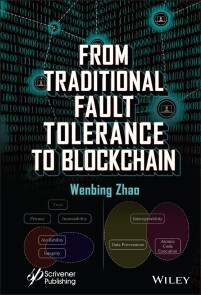
From Traditional Fault Tolerance to Blockchain
This book covers the most essential techniques for designing and building dependable distributed systems, from traditional fault tolerance to the blockchain technology. Topics include checkpointing and logging, recovery-orientated computing, replication, distributed consensus, Byzantine fault tolerance, as well as blockchain.This book intentionally includes traditional fault tolerance techniques so that readers can appreciate better the huge benefits brought by the blockchain technology and why it has been touted as a disruptive technology, some even regard it at the same level of the Internet. This book also expresses a grave concern on using traditional consensus algorithms in blockchain because with the limited scalability of such algorithms, the primary benefits of using blockchain in the first place, such as decentralization and immutability, could be easily lost under cyberattacks.DR. ZHAO received the PhD degree in Electrical and Computer Engineering from the University of California, Santa Barbara, in 2002. He is now a Full Professor in the Department of Electrical Engineering and Computer Science at Cleveland State University. He has more than 200 academic publications and three of his recent research papers in the dependable distributed computing area have won the best paper awards. Dr. Zhao also has two US utility patents and a patent application on blockchain under review.List of Figures xiiiList of Tables xixAcknowledgments xxiPreface xxiiiReferences xxix1 INTRODUCTION 11.1 Basic Concepts and Terminologies for Dependable Computing 21.1.1 System Models 21.1.2 Threat Models 31.1.3 Dependability Attributes and Evaluation Metrics 61.2 Means to Achieve Dependability 91.2.1 Fault Avoidance 91.2.2 Fault Detection and Diagnosis 91.2.3 Fault Removal 101.2.4 Fault Tolerance 111.3 System Security 13References 182 LOGGING AND CHECKPOINTING 212.1 System Model 222.1.1 Fault Model 232.1.2 Process State and Global State 232.1.3 Piecewise Deterministic Assumption 262.1.4 Output Commit 262.1.5 Stable Storage 272.2 Checkpoint-Based Protocols 272.2.1 Uncoordinated Checkpointing 272.2.2 Tamir and Sequin Global Checkpointing Protocol 292.2.3 Chandy and Lamport Distributed Snapshot Protocol 352.2.4 Discussion 382.3 Log Based Protocols 402.3.1 Pessimistic Logging 422.3.2 Sender-Based Message Logging 51References 603 RECOVERY-ORIENTED COMPUTING 633.1 System Model 653.2 Fault Detection and Localization 683.2.1 Component Interactions Modeling and Anomaly Detection 723.2.2 Path Shapes Modeling and Root Cause Analysis 763.2.3 Inference-Based Fault Diagnosis 803.3 Microreboot 893.3.1 Microrebootable System Design Guideline 903.3.2 Automatic Recovery with Microreboot 913.3.3 Implications of the Microrebooting Technique 923.4 Overcoming Operator Errors 933.4.1 The Operator Undo Model 943.4.2 The Operator Undo Framework 95References 994 DATA AND SERVICE REPLICATION 1034.1 Service Replication 1054.1.1 Replication Styles 1074.1.2 Implementation of Service Replication 1094.2 Data Replication 1114.3 Optimistic Replication 1164.3.1 System Models 1174.3.2 Establish Ordering among Operations 1194.3.3 State Transfer Systems 1224.3.4 Operation Transfer System 1264.3.5 Update Commitment 1314.4 CAP Theorem 1364.4.1 2 out 3 1394.4.2 Implications of Enabling Partition Tolerance 140References 1435 GROUP COMMUNICATION SYSTEMS 1475.1 System Model 1495.2 Sequencer Based Group Communication System 1525.2.1 Normal Operation 1535.2.2 Membership Change 1575.2.3 Proof of Correctness 1655.3 Sender Based Group Communication System 1665.3.1 Total Ordering Protocol 1675.3.2 Membership Change Protocol 1745.3.3 Recovery Protocol 1835.3.4 The Flow Control Mechanism 1905.4 Vector Clock Based Group Communication System 192References 1976 CONSENSUS AND THE PAXOS ALGORITHMS 1996.1 The Consensus Problem 2006.2 The Paxos Algorithm 2026.2.1 Algorithm for Choosing a Value 2026.2.2 Algorithm for Learning a Value 2046.2.3 Proof of Correctness 2046.2.4 Reasoning of the Paxos Algorithm 2066.3 Multi-Paxos 2126.3.1 Checkpointing and Garbage Collection 2136.3.2 Leader Election and View Change 2146.4 Dynamic Paxos 2166.4.1 Dynamic Paxos 2176.4.2 Cheap Paxos 2206.5 Fast Paxos 2276.5.1 The Basic Steps 2286.5.2 Collision Recovery, Quorum Requirement, and Value Selection Rule 2296.6 Implementations of the Paxos Family Algorithms 2356.6.1 Hard Drive Failures 2366.6.2 Multiple Coordinators 2366.6.3 Membership Changes 2376.6.4 Limited Disk Space for Logging 241References 2427 BYZANTINE FAULT TOLERANCE 2457.1 The Byzantine Generals Problem 2467.1.1 System Model 2477.1.2 The Oral Message Algorithms 2507.1.3 Proof of Correctness for the Oral Message Algorithms 2607.2 Practical Byzantine Fault Tolerance 2617.2.1 System Model 2627.2.2 Overview of the PBFT Algorithm 2637.2.3 Normal Operation of PBFT 2657.2.4 Garbage Collection 2677.2.5 View Change 2687.2.6 Proof of Correctness 2717.2.7 Optimizations 2737.3 Fast Byzantine Agreement 2777.4 Speculative Byzantine Fault Tolerance 2787.4.1 The Agreement Protocol 2797.4.2 The View Change Protocol 2837.4.3 The Checkpointing Protocol 2887.4.4 Proof of Correctness 288References 2908 CRYPTOCURRENCY AND BLOCKCHAIN 2958.1 History of Cryptocurrency 2958.2 Bitcoin 2988.2.1 Decentralized Network and Architecture 3018.2.2 Self-Contained Cryptography 3028.2.3 Decentralized Data Structure 3048.2.4 Decentralized Algorithms 3138.3 Ethereum 3178.3.1 Ethereum Computing Model 3188.3.2 Block and Consensus 3268.3.3 Tokenization 3408.4 Attacks on Blockchain 342References 3479 CONSENSUS ALGORITHMS FOR BLOCKCHAIN 3499.1 Model on Blockchain Consensus 3539.1.1 Requirements on Puzzle Design 3549.1.2 Zero-Knowledge Proof 3559.2 Proof of Work 3569.3 Proof of Resources 3579.3.1 Using Storage as Resource 3579.3.2 Using Computing as Resource 3599.4 Virtual Mining 3609.4.1 PeerCoin PoS 3609.4.2 Fixed-Epoch Time Based PoS Schemes 3689.4.3 Proof of Elapsed Time 371References 37510 BLOCKCHAIN APPLICATIONS 37710.1 The Value of Blockchain 37810.1.1 Non-Functional Benefits 37910.1.2 Functional Benefits 38210.2 Blockchain-Enabled Cyber-Physical Systems 38310.2.1 Cyber-Physical Systems 38310.2.2 Application Categories 38510.2.3 Blockchain-Enabled Operations in CPS 39010.3 On Blockchain Throughput 39810.3.1 On-Chain Approach 39910.3.2 Off-Chain Approach 40210.4 A Critical Look on Blockchain from Economy Perspective 40810.4.1 Blockchain Technology from the Economic View 40910.4.2 Economic Functions of Blockchain 41210.4.3 Blockchain as a Financial Infrastructure 416References 419Index 427
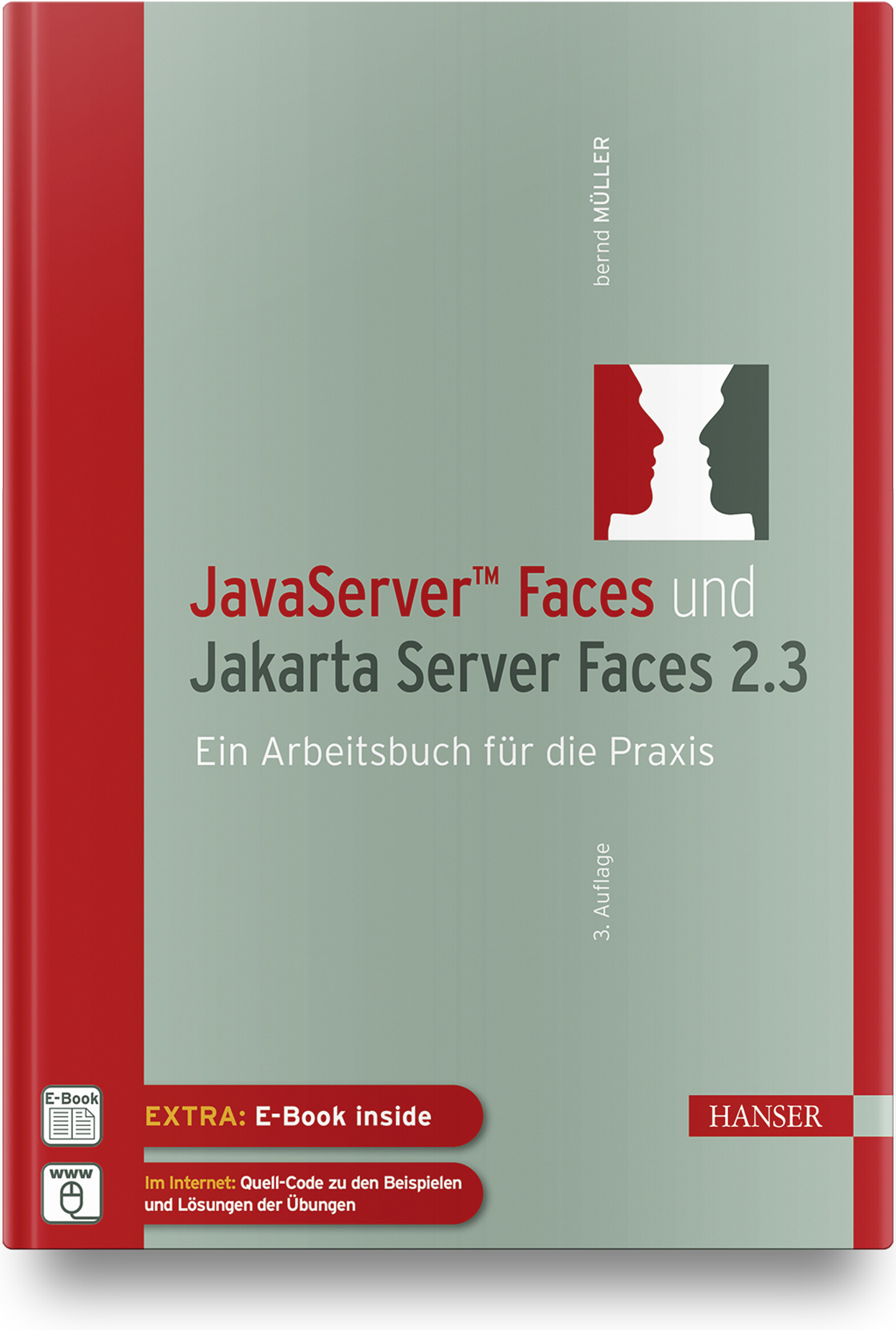
JavaServer Faces und Jakarta Server Faces 2.3 (3.Auflg.)
Das Arbeitsbuch für Java-Webentwickler in aktualisierter 3. Auflage.JavaServerTM Faces und Jakarta Server Faces 2.3 sind ein Framework für die Entwicklung von Benutzerschnittstellen für bzw. als Teil einer Java-Web-Anwendung. Dieses Arbeitsbuch führt Sie Schritt für Schritt in die Programmierung mit JSF ein. Sie erfahren, wie Sie damit moderne Benutzerschnittstellen für die Praxis entwickeln.Und natürlich geht es auch darum, wie JSF in eine Java-Web-Anwendung zu integrieren sind. Behandelt werden auch Themen wie die Anbindung an eine Datenbank mit JPA, die Verwendung von CDI sowie Authentifizierung und Autorisierung.Verfolgen Sie Schritt für Schritt die Entwicklung einer betrieblichen Anwendung und lernen Sie so anhand realer Aufgabenstellungen alle wichtigen Aspekte von JSF 2.3 kennen. Mit Hilfe der Übungen, deren Lösungen sich von der Website zum Buch und von GitHub herunterladen lassen, können Sie das Gelernte selbst ausprobieren und umsetzen.Aus dem Inhalt:EinleitungJSF im DetailContext und Dependency InjectionWeiterführende ThemenClassic ModelsSpezialthemenVerwendete SystemeAusblick/Anhang: Die Tags der Standardbibliotheken

JavaServer™ Faces und Jakarta Server Faces 2.3
DAS ARBEITSBUCH FÜR JAVA-WEBENTWICKLER // - Steigen Sie mit diesem fundierten Arbeitsbuch in die Entwicklung von Benutzerschnittstellen mit JavaServerTM Faces und Jakarta Server Faces 2.3 ein. - Anhand einer Beispielanwendung werden alle wichtigen Aspekte von JSF erläutert. - Vertiefen und erweitern Sie Ihre Fertigkeiten mit den zahlreichen Übungen. - Verwendet werden ausschließlich Open-Source-Systeme, so dass Sie alle Übungen und Beispiele ohne weitere Lizenzkosten nachvollziehen können. - Im Internet: Quell-Code zu den Beispielen und Lösungen der Übungen auf der Autorenwebsite zum Buch und GitHub - Ihr exklusiver Vorteil: E-Book inside beim Kauf des gedruckten Buches JavaServerTM Faces und Jakarta Server Faces 2.3 sind ein Framework für die Entwicklung von Benutzerschnittstellen für bzw. als Teil einer Java-Web-Anwendung. Dieses Arbeitsbuch führt Sie Schritt für Schritt in die Programmierung mit JSF ein. Sie erfahren, wie Sie damit moderne Benutzerschnittstellen für die Praxis entwickeln. Und natürlich geht es auch darum, wie JSF in eine Java-Web-Anwendung zu integrieren sind. Behandelt werden auch Themen wie die Anbindung an eine Datenbank mit JPA, die Verwendung von CDI sowie Authentifizierung und Autorisierung. Verfolgen Sie Schritt für Schritt die Entwicklung einer betrieblichen Anwendung und lernen Sie so anhand realer Aufgabenstellungen alle wichtigen Aspekte von JSF 2.3 kennen. Mit Hilfe der Übungen, deren Lösungen sich von der Website zum Buch und von GitHub herunterladen lassen, können Sie das Gelernte selbst ausprobieren und umsetzen. AUS DEM INHALT // Einleitung/JSF im Detail/Context und Dependency Injection/Weiterführende Themen/Classic Models/Spezialthemen/Verwendete Systeme/Ausblick/Anhang: Die Tags der Standardbibliotheken

Information Refinement Technologies for Crisis Informatics
Marc-André Kaufhold explores user expectations and design implications for the utilization of new media in crisis management and response. He develops a novel framework for information refinement, which integrates the event, organisational, societal, and technological perspectives of crises. Therefore, he reviews the state of the art on crisis informatics and empirically examines the use, potentials and barriers of both social media and mobile apps. Based on these insights, he designs and evaluates ICT concepts and artifacts with the aim to overcome the issues of information overload and quality in large-scale crises, concluding with practical and theoretical implications for technology adaptation and design.About the author:Marc-André Kaufhold is a postdoc at the Chair of Science and Technology for Peace and Security (PEASEC) in the Department of Computer Science at the Technical University of Darmstadt. His research focuses on the user-centred design and evaluation of mobile apps and social media technologies in the context of crisis and security research.Part I: Outline.- Part II: Theoretical and Empirical Findings.- Part III: Design and Evaluation Findings.- Part IV: Conclusion and Outlook.

Configuration of Apache Server To Support ASP
The paper aim is to configure Apache Server to support ASP. Two methods were tested. The first, by installing Bundle::Apache::ASP, and the second, by installing SUN ONE ASP Server. Two possible options for connecting to a Microsoft Access database with Sun ONE ASP for UNIX or Linux, using the using SequeLink, and using the Sun ONE ASP Database Publisher tool to migrate an Access database to MySQL, were studied. The paper is composed from the following parts,1. Setting up working environment when working with CodeCharge Studio program, software for building web applications.2. Connecting to databases in ASP.3. ASP program example.4. Configuring apache server to support ASP by installing Bundle::Apacahe::ASP.5. Configuring apache server to support ASP by installing Sun ONE ASP.I am Dr. Hidaia Mahmoud Mohamed Alassouli. I completed my PhD degree in Electrical Engineering from Czech Technical University by February 2003, and my M. Sc. degree in Electrical Engineering from Bahrain University by June 1995. I completed also one study year of most important courses in telecommunication and computer engineering courses in Islamic university in Gaza. So, I covered most important subjects in Electrical Engineering, Computer Engineering and Telecommunications Engineering during my study. My nationality is Palestinian from gaza strip.I obtained a lot of certified courses in MCSE, SPSS, Cisco (CCNA), A+, Linux.I worked as Electrical, Telecommunicating and Computer Engineer in a lot of institutions. I worked also as a computer networking administrator.I had considerable undergraduate teaching experience in several types of courses in many universities. I handled teaching the most important subjects in Electrical and Telecommunication and Computer Engineering.I could publish a lot of papers a top-tier journals and conference proceedings, besides I published a lot of books in Publishing and Distribution houses.I wrote a lot of important Arabic articles on online news websites. I also have my own magazine website that I publish on it all my articles: http:// www.anticorruption.000space.comMy personal website: www.hidaia-alassouli.000space.comEmail: hidaia_alassouli@hotmail.com

Cisco Networks
For beginning and experienced network engineers tasked with building LAN, WAN, and data center connections, this book lays out clear directions for installing, configuring, and troubleshooting networks with Cisco devices. Cisco Networks, 2nd Edition is a practical guide and desk reference for Cisco engineers. This new edition will discuss tools that can be used to automate and troubleshoot networks. A new chapter on quality of service has been added to teach managing network resources by prioritizing specific types of network traffic. The new edition has an updated wireless section which focuses on an updated controller and integration with Cisco Identity Services Engine (ISE) and Cisco Prime Infrastructure.This practical desk companion doubles as a comprehensive overview of the basic knowledge and skills needed by CCNA and CCNP exam takers. Prior familiarity with Cisco routing and switching is desirable but not necessary, as Chris Carthern, Dr. Will Wilson, and Noel Rivera start their book with a review of network basics. Further they explain practical considerations and troubleshooting when establishing a physical medium for network communications. Later they explain the concept of network layers, intermediate LAN switching, and routing. Next they introduce you to the tools and automation used with Cisco networks. Moving forward they explain management planes, data planes, and control planes. Next they describe advanced security, trouble shooting, and network management. They conclude the book with a section which focuses on using network automation to automate Cisco IOS networks.WHAT YOU WILL LEARN* Configure Cisco switches, routers, and data center devices in typical corporate network architectures* Use black-hat tools to conduct penetration testing on the security of your network* Configure and secure virtual private networks (VPNs)* Enable identity management in your network with the Cisco Identity Services Engine (ISE) WHO THIS BOOK IS FORNetwork designers, engineers, programmers, managers, and students.CHRIS is a senior network engineer for Mantech and has worked for the department of defense. He is responsible for designing, installing, and maintaining the Cisco network infrastructure and mentoring junior network engineers. Carthern took his BS (honors) in computer science from Morehouse College and his MS in system engineering from the University of Maryland Baltimore County (UMBC). He holds the following certifications: Cisco Certified Network Professional (CCNP), Certified Information Systems Security Professional (CISSP), Brocade Certified Network Professional (BCNP), and ITIL v3. He is also an award winning photographer and indie movie producer.NOEL RIVERA is a systems architect with CACI who specializes in communications networks, IT security, and infrastructure automation. He has worked at NASA, DoD, Lockheed Martin, and CACI. Mr. Rivera holds a bachelors of electrical engineering from the University of Puerto Rico at Mayaguez and two masters degrees one in electrical engineering and another in computer science from Johns Hopkins University. Mr. Rivera holds the following certifications: Cisco Internetwork Expert in Routing and Switching (CCIE-RS), Cisco Internetwork Expert in Security (CCIE-SEC), Certified Systems Security Professional (CISSP), Certified Ethical Hacker (CEH), Juniper Network Certified Service Provider Professional (JNCIP-SP ), Juniper Networks Certified Cloud Professional (JNCIP-Cloud), VMWare Certified Data Center Virtualization Professional (VCP-DCV), VMWare Certified Network Virtualization Professional (VCP-NV), ITILv3 and is currently working on his Juniper Networks Certified Service Provider Expert certification (JNCIE-SP) and Microsoft Azure Solutions Architect Expert certification.DR. WILSON is a senior network consulting engineer. He specializes in optimization of routing and in security. He is responsible for assisting customers with resolving complex architectural and operation issues. He holds a bachelor’s degree in mathematics from the University of Colorado. His doctorate is in computer science with a focus on applications of artificial intelligence in information security. He maintains the following certifications: Cisco CCIE Routing and Switching, CCIE Security, all of the CCNP tracks, Cisco DevNet Professional, VMware VCP-NV, Certified Ethical Hacker, CISSP, MCSE, and PMP.CHAPTER 1. PRACTICAL NETWORKING INTRO[The purposes and functions each layer in network communications; discussion of OSI and TCP/IP protocols. How the layers work together and what do they tell us about the layers below.]1.1 OSI Model1.2 Physical layer1.3 Data Link layer1.4 Network layer1.5 Transport layer1.6 Session layer1.7 Presentation layer1.8 Application layer1.9 TCP/IP Protocol1.10 Port Numbers - (List common enterprise port numbers)1.11 Types of Communications - Broadcast, Unicast, Multicast and Anycast1.12 Types of Networks1.13 Network Architectures1.14 Intro and use case for software define networking1.15 SummaryCHAPTER 2. THE PHYSICAL MEDIUM[Practical considerations and troubleshooting when establishing a physical medium for network communications. Common problems at the physical layer.]2.1 Physical medium2.2 Standards2.3 Cables2.4 Ethernet2.5 Negotiation2.6 Duplex2.7 Unidirectional Link Detection (UDLD)2.8 Common issues2.9 SummaryCHAPTER 3. PROTOCOLS AND THE DATA LINK LAYER[The idea of protocols and their use, functions of the data link layer using IEEE 802.3 and switching. What the data link tells about the physical medium state and the higher layer protocols.]3.1 Protocols -- Ethernet, MPLS, LLDP, CDP, Spanning Tree, LACP, DOT1Q,3.2 Link layer functions3.3 Link layer discovery protocol3.4 Link layer related to other layers3.5 Types of messages3.6 SummaryCHAPTER 4. THE NETWORK LAYER[The concept of routing, which protocol transmissions are routable and IP addressing, including architecture requirements for IPv4 and IPv6 networks; subnetting. Observing the protocol layer transitions with packet captures]4.1 IP Communication Types - Broadcast, Multicast, Unicast, Anycast4.2 IP Addressing (Public vs Private) Bogons and Martians4.3 CIDR4.4 IPv44.5 IPv64.6 Subnetting4.7 Subnetting exercises4.8 SummaryCHAPTER 5. INTERMEDIATE LAN SWITCHING[Basic switching concepts, switch operations, common switching helper protocols their use and functions: (Trunking 802.1q, EtherChannels 802.3ad, RSTP 802.1D. Review the purpose of VLANs; their implementation and multilayer devices.]5.1 Switching5.2 LAGs5.3 Spanning Tree and Spanning Tree interop, Spanning Tree Convergence5.4 VLANs5.5 Trunking5.6 VTP5.7 MSTP5.8 Labs; Exercises5.9 SummaryCHAPTER 6. ROUTING[Routing concepts with practical implementation, including static routing and dynamic protocols such as OSPF, BGP, RIP and EIGRP.]6.1 Static routing6.2 Routing protocols6.3 IS-IS6.4 EIGRP6.5 OSFP6.6 BGP6.7 Labs; Exercises6.8 SummaryCHAPTER 7. INTRODUCTION TO TOOLS AND AUTOMATION[Introduction into using tools and automation that will be used in further chapters for different use cases.]7.1 Tools overview7.2 Introduction to prime infrastructure7.3 Introduction to ISE7.4 Introduction to SD-WAN / vManage7.5 Introduction to DNACHAPTER 8. SWITCH AND ROUTER TROUBLESHOOTING (NOTE: NEEDS WORK, ADD MPLS TROUBLESHOOTING.ROUTING TROUBLESHOOTING CAN BE QUIET BIG SHOULD WE BREAK IT DOWN?WE ALSO NEED TO ADD DATA STRUCTURES FOR SWITCHING/ROUTING: MAC TABLE, ARP TABLE, CEF ADJACENCY TABLE, FIB TABLES, RIB TABLE ETC.)[How to troubleshoot and resolve issues with Cisco network devices and Client side tools.]8.1 Techniques8.2 VLANs8.3 Trunking8.4 Routing8.5 Dynamic routing8.6 Spanning tree8.7 EtherChannel8.8 Tools8.9 Labs; Exercises8.10 SummaryCHAPTER 9. NAT/DHCP (ADD A SECTION ON NAT AND IPSEC AND NAT AFFECTED PROTOCOLS)[The purpose of NAT and DCHP and how to configure them on network devices.]9.1 NAT9.2 Static Nat9.3 Dynamic Nat9.4 PAT9.5 DHCP9.6 Setting up router as DHCP server9.7 NAT affected protocols9.8 Labs; Exercises9.9 SummaryCHAPTER 10. MANAGEMENT PLANE[How to administer Cisco devices, including booting, working from rommom, managing cisco images, upgrading the IOS, and configuring syslog and SNMPv3. Also port security, access-lists, password security and ssh, SNMPv3, TACACS, RADIUS, Logging]10.1 Authentication and authorization10.2 SSH10.3 Password recovery10.4 User accounts10.5 Logging10.6 Banners10.7 AAA10.8 Disabling services10.9 IOS switch upgrade10.10 Configuration using prime infrastructure10.11 Introduction to netconf10.12Labs; Exercises10.13 SummaryCHAPTER 11. DATA PLANE[Commons traffic protocols and the applications of filters. Netflow/Sflow]11.1 Traffic protocols11.2 Filters11.3 Netflow/Sflow11.4 Labs; Exercises11.5 SummaryCHAPTER 12. CONTROL PLANE[Securing the protocol exchange, IGP, BGP, DNS and NTP]12.1 Layer 212.2 IGP12.3 BGP12.4 DNS12.5 Protocol independent multicasting12.6 NTP12.7 Managing control plane using tools12.8 Labs; Exercises12.9 SummaryCHAPTER 13. INTRODUCTION TO AVAILABILITY[Redundancy at layer 2 and layer 3: GLBP, VRRP and multilinks. How to VoIP and video configurations; creating high availability and redundancy.]13.1 High availability13.2 HSRP13.3 VRRP13.4 GLBP13.5 SLB13.6 Multilinks13.7 Layer 2 extensions overview13.8 Labs; Exercises13.9 SummaryCHAPTER 14. ADVANCED ROUTING[How to implement multi-area OSPF, eBGP, IPv6 routing, IPv4 route redistribution to static routes, and dynamic routing protocols; layer 3 path control; implementing basic teleworker and branch services, including GRE tunnels]14.1 Route maps14.2 Policy based routing14.3 Redistribution14.4 EIGRP14.5 Multi-area OSPF14.6 BGP14.7 IPv6 routing14.8 GRE tunnels14.9 IPsec VPNs14.10 Labs; Exercises14.11 SummaryCHAPTER 15. QOS[How to implement, manage and optimize QoS in Cisco Networks]15.1 Intro to QoS15.2 Classification and marking15.3 Policing and shaping15.4 QoS in IPv615.5 QoS design strategies15.6 QoS for tunnels and sub-interfaces15.7 Troubleshooting15.8 Labs15.9 SummaryCHAPTER 16. ADVANCED SECURITY[How to implement advanced security solutions, including private VLANs, VACLs and PACLs; implementing port authentication, and Extended ACLs.]16.1 Private VLANs16.2 Dot1x16.3 Extended ACL16.4 VACL16.5 PACL16.6 MAC ACL16.7 DHCP snooping16.8 IDS/IPS16.9 MAC SEC16.10 Compliance16.11 Labs; Exercises16.12 SummaryCHAPTER 17. ADVANCED TROUBLESHOOTING[How to verify advanced routing problems, including EIGRP, OSPF, eBGP, route redistribution, NAT, DHCP, VACLs, PACLs, and IPv6 routing.]17.1 Route redistribution17.2 ACLs17.3 NAT17.4 PACL17.5 Dynamic routing protocols17.6 IPv617.7 IPsec17.8 GRE tunnels17.9 HSRP, VRRP, GLBP17.10 Labs; Exercises17.11 SummaryCHAPTER 18. EFFECTIVE NETWORK MANAGEMENT[Aggregation of data from the control, data and managementplane for effective network and data flow management. Use of logs, SNMP, IDSalerts and Netflow/Sflow]18.1 Logs18.2 SNMP18.3 SLAs and embedded event manager18.4 sFlow/NetFlow18.5 Tools18.6 Labs; Exercises18.7 SummaryCHAPTER 19. DATA CENTER[How to configure VLANs and interswitch communications using a Nexus with NX-OS software; configuring routing on NX-OS software, including OSPF and BGP; port channels and port profiles; configuring the Nexus for Fabric Extender (FEX) support.]19.1 NX-OS19.2 NX-OSv overview19.3 VLAN19.4 VTP19.5 Virtual Route Forwarding (VRF)19.6 EIGRP19.7 OSPF19.8 BGP19.9 Port profiles19.10 Fabric extenders19.11 Fabric design19.12 GLBP19.13 Virtual Port Channel (vPC)19.14Virtual Device Context (VDC)19.15 VXLAN19.16 OTV19.17 ACI overview19.18 Labs; Exercises19.19 SummaryCHAPTER 20. WIRELESS LAN[The basic components of the Cisco Wireless Network architecture; how to install access points and wireless controllers and incorporate them into switches; wireless security, including port authentication, authentication, and encryption.]20.1 Wireless components20.2 Wireless access points20.3 Wireless controllers20.4 Integration with ISE20.5 Cisco prime infrastructure20.6 Security and authentication20.7 Labs; Exercises20.8 SummaryCHAPTER 21. FIREPOWER[The basic components of the Cisco Firepower; how to configure and manage firewalls and Intrusion Prevention and incorporating them into network architectures, including traffic analysis, Packet filtering, NAT, VPNs, Remote Access and device management.]21.1 Testing Policies in a Safe Environment21.2 Baseline network21.3 Access rules21.4 Open services21.5 Anti-Spoofing21.6 Service policies21.7 Cluster21.8 Multi-Context21.9 Virtual21.10 Active/Active21.11 Active/Standby21.12 SGT based ACLs21.13 Routing21.14 VPNs21.15 Labs; Exercises21.16 SummaryCHAPTER 22. NETWORK PENETRATION TESTING[This section will focus on testing the security of your network; performing basic network penetration testing using NMAP, NESSUS, Linux Backtrack and Metasploit tools.]22.1 Reconnaissance and scanning22.2 Vulnerability assessment22.3 Exploitation22.4 Labs22.5 SummaryCHAPTER 23. MPLS[This section will focus on Multiprotocol Label Switching (MPLS) and its implementation in modern networks that is mostly used by enterprises and service providers.]23.1 Intro to MPLS23.2 LDP23.3 MPLS Layer3 VPN23.4 MPLS Layer2 VPN (VPLS)23.5 VRF Lite23.6 IPv6 over MPLS23.7 MPLS troubleshooting23.8 Labs23.9 SummaryCHAPTER 24. DMVPN[This section will focus on the implementation of dynamic multipoint virtual private networks (DMVPN). We will explore implementing DMVPNs with a hub and spoke architecture; using routing protocols and IPsec.]24.1 Intro DMVPN24.2 Phase 124.3 Phase 224.4 Phase 324.5 Flex VPN24.6 DMVPN troubleshooting24.7 Labs24.8 SummaryCHAPTER 25. NETWORK AUTOMATION[This section will focus on using network automation to automate Cisco IOS networks.]25.1 Python25.2 Python APIs25.3 Napalm25.4 Nornir25.5 Labs25.6 Summary

SAP Solution Manager
Mit diesem Buch lernen Sie alle Funktionen von SAP Solution Manager 7.2 SPS11 in praktischen Anleitungen kennen. Das Autorenteam zeigt Ihnen, wie Sie die verschiedenen Werkzeuge einrichten und anwenden, z.B. Change Request Management, Projektmanagement, Focused Build und die Test-Suite. Nicht zuletzt erfahren Sie, wie der SAP Solution Manager Sie in allen Phasen eines SAP-S/4HANA-Projekts unterstützt. Aus dem Inhalt: GrundkonfigurationNeue FunktionenProzessmanagement und LösungsdokumentationIT-ServicemanagementProjektmanagementAnforderungsmanagementChange Control ManagementTest-SuiteTechnischer und fachlicher BetriebCustom Code ManagementFocused Build, Focused Run und Focused InsightsMigration nach SAP S/4HANA Vorwort ... 19 Einleitung ... 21 1. SAP Solution Manager 7.2 - Funktionsüberblick ... 27 1.1 ... Einsatzmöglichkeiten des SAP Solution Managers ... 27 1.2 ... ITIL mit dem SAP Solution Manager ... 28 1.3 ... Die wichtigsten Neuerungen in SAP Solution Manager 7.2 SPS05 bis SPS11 ... 32 1.4 ... Erste Schritte mit SAP Solution Manager 7.2 in der SAP Cloud Appliance Library ... 36 1.5 ... Einführungsmethode der nächsten Generation - SAP Activate ... 40 1.6 ... Offen für alles - neue APIs ... 40 1.7 ... Nutzungsrechte für Kunden ... 41 2. Grundkonfiguration ... 43 2.1 ... Wichtige Informationen und SAP-Hinweise zur Grundkonfiguration ... 44 2.2 ... Obligatorische Konfigurationsaufgaben ... 45 2.3 ... Verwaltete Systeme konfigurieren ... 66 2.4 ... Grundkonfiguration der Embedded Search ... 76 2.5 ... Benutzer mit der Benutzerverwaltung anlegen ... 78 3. Prozessmanagement ... 81 3.1 ... Grundlegende Begriffe und Konzepte ... 83 3.2 ... Voraussetzungen für die Nutzung des Prozessmanagements ... 91 3.3 ... Lösungsverwaltung ... 96 3.4 ... Lösungsdokumentation ... 116 3.5 ... Deployments ... 152 3.6 ... Integration in andere Bereiche des SAP Solution Managers ... 156 3.7 ... SAP Best Practices für die Lösungsdokumentation ... 162 4. IT-Servicemanagement ... 165 4.1 ... Benutzeroberflächen des IT-Servicemanagements ... 165 4.2 ... Grundvoraussetzungen für den Einsatz des IT-Servicemanagements ... 181 4.3 ... Zentrale Funktionen des IT-Servicemanagements ... 197 4.4 ... Prozesse im IT-Servicemanagement ... 232 4.5 ... Focused-Build-Erweiterung »einfache IT-Anforderung« ... 257 4.6 ... Kundenbericht: Erweiterungen für das ITSM und ChaRM bei der bonprix Handelsgesellschaft mbH ... 265 5. Projektmanagement ... 271 5.1 ... Einführung in das IT-Portfolio- und Projektmanagement ... 272 5.2 ... Voraussetzungen für den Einsatz des IT-Projektmanagements ... 274 5.3 ... Projektarten ... 281 5.4 ... Projekte verwalten ... 282 5.5 ... Projektanalyse und Dashboards ... 304 5.6 ... Integration von IT-PPM und SAP Solution Manager ... 308 5.7 ... SAP-Roadmaps ... 313 6. Anforderungsmanagement ... 315 6.1 ... Wichtige Begriffe im Kontext des Anforderungsmanagements ... 315 6.2 ... Grundkonfiguration des Anforderungsmanagements ... 317 6.3 ... Funktionen des Anforderungsmanagements ... 327 6.4 ... SAP-Fiori-Applikation »Meine Geschäftsanforderungen« ... 346 7. Change Control Management ... 351 7.1 ... Einordnung von Change Request Management und Quality Gate Management ... 352 7.2 ... Grundvoraussetzungen für den Einsatz von Change Request Management und Quality Gate Management ... 354 7.3 ... Quality Gate Management ... 381 7.4 ... Verfügbare Transportmanagementinfrastruktur ... 389 7.5 ... Transportbezogene Prüfungen ... 396 7.6 ... Nützliche Funktionen für duale Systemlandschaften ... 413 7.7 ... Transportanalyse und Änderungsdiagnose ... 422 8. Change Request Management ... 429 8.1 ... Architektur des Change Request Managements ... 429 8.2 ... Änderungszyklen ... 434 8.3 ... Aufgabenpläne ... 448 8.4 ... Änderungsantrag ... 450 8.5 ... Änderungsdokumente ... 456 8.6 ... Nützliche Funktionen im Change Request Management ... 489 8.7 ... Integration des Change Request Managements mit anderen SAP-Solution-Manager-Szenarien ... 503 9. Test-Suite ... 511 9.1 ... Die Test-Suite im Überblick ... 512 9.2 ... Grundkonfiguration der Test-Suite ... 514 9.3 ... Der Testprozess ... 526 9.4 ... Testautomatisierung ... 557 9.5 ... Änderungseinflussanalyse ... 571 10. Technischer Betrieb ... 591 10.1 ... Einheitliche User Experience für das Monitoring ... 592 10.2 ... Berechtigungen im Umfeld des technischen Betriebs ... 595 10.3 ... Architektur der Monitoring and Alerting Infrastructure ... 596 10.4 ... Technisches Monitoring ... 606 10.5 ... Integrations-Monitoring ... 636 10.6 ... Monitoring von SAP HANA und Business-Intelligence-Lösungen ... 645 10.7 ... Ausnahmenverwaltung ... 647 10.8 ... SAP EarlyWatch Alert ... 650 10.9 ... Technische Administration ... 652 10.10 ... Konfigurationsvalidierung ... 665 10.11 ... Ursachenanalyse ... 673 10.12 ... Monitoring-Dashboards ... 675 10.13 ... Kundenbericht: System Monitoring bei der s.Oliver Bernd Freier GmbH & Co.KG ... 678 11. Fachlicher Betrieb ... 683 11.1 ... Was wir unter dem Begriff »Business Process Operations« verstehen ... 684 11.2 ... Voraussetzungen für die Nutzung von Business-Process-Operations-Anwendungen ... 685 11.3 ... Geschäftsprozess-Monitoring ... 689 11.4 ... Geschäftsprozessoptimierung ... 704 11.5 ... Jobverwaltung ... 715 11.6 ... Datenkonsistenzmanagement ... 724 11.7 ... Perfomanceoptimierung für Geschäftsprozesse ... 733 11.8 ... Anwendungsbeispiel: IDoc-Monitoring ... 734 11.9 ... Kundenbericht: Geschäftsprozess-Monitoring bei der Otto Group ... 736 12. Verwaltung kundeneigener Entwicklungen ... 745 12.1 ... Einführung in das Custom Code Lifecycle Management ... 745 12.2 ... Grundvoraussetzungen für den Einsatz des Custom Code Lifecycle Managements ... 747 12.3 ... Stadtmodell ... 754 12.4 ... Bibliothek für kundeneigene Entwicklungen ... 756 12.5 ... Qualitäts-Cockpit ... 760 12.6 ... Stilllegungs-Cockpit ... 765 12.7 ... SAP-BW-Reporting ... 772 12.8 ... Dashboard für die Verwaltung kundeneigener Entwicklungen ... 774 12.9 ... Custom Code Analytics ... 776 12.10 ... Kundenbericht: Vorbereitung auf SAP S/4HANA bei den Wuppertaler Stadtwerken ... 778 13. Focused Solutions ... 783 13.1 ... Focused Build ... 783 13.2 ... Focused Insights ... 841 13.3 ... SAP Focused Run ... 863 14. SAP Solution Manager und SAP S/4HANA ... 871 14.1 ... Phase »Discover« ... 873 14.2 ... Phase »Prepare« ... 876 14.3 ... Phase »Explore« ... 878 14.4 ... Phasen »Realize« und »Deploy« ... 880 14.5 ... Phase »Run« ... 882 15. Weitere Funktionen ... 885 15.1 ... Datenvolumenmanagement ... 885 15.2 ... SAP-Engagement und Servicelieferung ... 896 15.3 ... Systemempfehlungen ... 899 15.4 ... TREX ... 902 Das Autorenteam ... 905 Index ... 909

Cash Management mit SAP S/4HANA
Cash is King! Mit diesem Buch können Sie Ihre Geldflüsse mit SAP S/4HANA zielgerichtet steuern und optimieren. Es zeigt Ihnen z.B., wie Sie Ihren Liquiditätsstatus ermitteln, die Liquidität sicherstellen und Bankkonten verwalten. Sie erfahren, wie „One Exposure from Operations“ verschiedene Datenquellen in einer zentralen Tabelle zusammenführt. Auch die Funktionen von SAP Bank Account Management werden anschaulich dargestellt. Das erfahrene Autorenteam illustriert mit zahlreichen Abbildungen und praktischen Hinweisen die notwendigen Schritte zur Migration auf SAP S/4HANA für das Cash Management. Aus dem Inhalt: BankbeziehungsmanagementZahlungsprozesse und Cash PoolingSAP-Fiori-Apps und WorkflowsLiquiditätsstatus und -vorschau‚Cashflow-Analyse‚SAP Bank Communication Management‚Integration von Unternehmensprozessen‚Liquiditätsplanung mit SAP Analytics Cloud‚One Exposure from Operations‚Customizing, Migration und Erweiterung Vorwort ... 17 Einleitung ... 19 1. SAP S/4HANA im Überblick ... 25 1.1 ... Die Datenbank SAP HANA ... 26 1.2 ... Single Source of Truth ... 26 1.3 ... Softwarevarianten und Betriebsmodelle: On-Premise und Cloud ... 28 1.4 ... Lizenzen und Gebühren für SAP S/4HANA ... 29 1.5 ... Die Benutzeroberfläche SAP Fiori ... 31 1.6 ... Fazit ... 61 2. SAP-Lösungen für das Cash Management ... 63 2.1 ... Aufgaben und Ziele des Cash Managements ... 64 2.2 ... SAP Cash and Liquidity Management ... 68 2.3 ... SAP Bank Communication Management ... 73 2.4 ... SAP Multi-Bank Connectivity ... 75 2.5 ... Payment Medium Workbench ... 76 2.6 ... Advanced Payment Management ... 77 2.7 ... SAP In-House Cash ... 78 2.8 ... SAP Treasury and Risk Management ... 80 2.9 ... Architektur eines integrierten Cash-Management-Systems in SAP S/4HANA ... 81 2.10 ... Fazit ... 83 3. Grundlegende Konzepte im Cash Management in SAP S/4HANA ... 85 3.1 ... Datenflüsse und zentrale Datenspeicherung im Überblick ... 85 3.2 ... Zentrale Konzepte von SAP Cash Management ... 89 3.3 ... Reporting-Felder ... 90 3.4 ... Fazit ... 97 4. Liquiditätsstatus ermitteln ... 99 4.1 ... Überblick über den Tagesfinanzstatus ... 100 4.2 ... Elektronische Kontoauszüge einlesen ... 102 4.3 ... Buchungslogik des elektronischen Kontoauszugs ... 106 4.4 ... Kontoauszugsverarbeitung überwachen ... 109 4.5 ... SAP-Fiori-Apps zum Liquiditätsstatus ... 117 4.6 ... Übersicht über SAP-Fiori-Apps und Transaktionen für den Liquiditätsstatus ... 142 4.7 ... Fazit ... 145 5. Kurzfristige Liquiditätsvorschau erzeugen ... 147 5.1 ... Überblick über die Liquiditätsvorschau ... 148 5.2 ... Qualität und Sichtweite der Liquiditätsvorschau ... 149 5.3 ... Zentrale Felder in der Liquiditätsvorschau ... 152 5.4 ... Einzelsätze bearbeiten ... 153 5.5 ... SAP-Fiori-Apps für die Liquiditätsvorschau ... 161 5.6 ... SAP-GUI-Transaktion FF7BN für die Liquiditätsvorschau ... 177 5.7 ... Übersicht über SAP-Fiori-Apps und Transaktionen für die Liquiditätsvorschau ... 180 5.8 ... Fazit ... 182 6. Kurzfristige Liquidität steuern und disponieren ... 185 6.1 ... Überblick über die Disposition liquider Mittel ... 186 6.2 ... Zahllauf abwickeln und freigeben ... 190 6.3 ... Kontenüberträge und Einzelzahlungen im SAP-System ... 202 6.4 ... Cash Pooling und Kontenclearing im SAP-System ... 223 6.5 ... Übersicht über SAP-Fiori-Apps und Transaktionen für die Liquiditätsdisposition ... 256 6.6 ... Fazit ... 260 7. Stammdaten für Banken und Bankkonten pflegen ... 261 7.1 ... Überblick über die Bankkontenverwaltung ... 262 7.2 ... Die SAP-Fiori-App »Banken verwalten« ... 265 7.3 ... Die SAP-Fiori-App »Bankkonten verwalten« ... 290 7.4 ... Freigabeverfahren für Bankkontenstammdaten ... 313 7.5 ... Review-Prozess für Bankkonten ... 332 7.6 ... Bankgebühren überwachen ... 338 7.7 ... Übersicht über SAP-Fiori Apps und Transaktionen für die Bankkontenverwaltung ... 341 7.8 ... Fazit ... 343 8. Liquidität langfristig planen ... 345 8.1 ... Systemunabhängiger Überblick über die Liquiditätsplanung ... 346 8.2 ... SAP-Lösungen für die Liquiditätsplanung ... 356 8.3 ... Überblick über SAP Analytics Cloud ... 357 8.4 ... Planungsmodell erstellen mit SAP Analytics Cloud ... 376 8.5 ... Liquidität operativ planen mit SAP Analytics Cloud ... 395 8.6 ... Integration von SAP Analytics Cloud in das SAP Fiori Launchpad ... 421 8.7 ... Fazit ... 422 9. Cashflow-Informationen im One Exposure from Operations zusammenführen ... 423 9.1 ... One Exposure im Überblick ... 424 9.2 ... Datenquellen für das One Exposure ... 425 9.3 ... Ableitungslogiken im One Exposure ... 427 9.4 ... Integration von internen Datenquellen im Detail ... 444 9.5 ... Integration von externen Datenquellen im Detail ... 463 9.6 ... Hilfsprogramme für das One Exposure ... 470 9.7 ... Die Snapshot-Funktion ... 482 9.8 ... Fazit ... 484 10. SAP Cash Management implementieren ... 485 10.1 ... Die Implementierung vorbereiten ... 486 10.2 ... Allgemeine Einstellungen einrichten ... 489 10.3 ... Bankkontenverwaltung einrichten ... 492 10.4 ... Cash Operations einrichten ... 507 10.5 ... Verteiltes Cash Management einrichten ... 540 10.6 ... Berechtigungen ausprägen ... 543 10.7 ... Stammdaten aufbauen ... 544 10.8 ... Datenaufbau im One Exposure durchführen ... 547 10.9 ... Fazit ... 557 11. Von SAP ERP nach SAP S/4HANA migrieren ... 559 11.1 ... Migration planen ... 561 11.2 ... Altdaten bereinigen ... 565 11.3 ... Customizing durchführen ... 566 11.4 ... Stammdaten migrieren ... 569 11.5 ... Initiale Banksalden importieren ... 574 11.6 ... Bewegungsdaten im One Exposure aufbauen ... 577 11.7 ... Migration prüfen und abschließen ... 579 11.8 ... Fazit ... 579 Die Autoren ... 581 Index ... 583

Starting Guide for Postfix Mail Server Configuration Supporting Anti Spam and Anti Virus
This work provides starting guide for simple Postfix mail server configuration. Then I configured the Postfix mail server to support Anti-Spam and Anti-Virus, using two methods.• Method 1: With Postfix, SpamAssassin, ClamAV and Amavis-new• Method 2: With Postfix, SpamAssassin, ClamAV and ProcmailThe report includes the following sections1. How Postfix receives mail:2. How Postfix delivers mail3. Starting guide for quick Postfix configuration4. Postfix mail server and Dovecot configuration5. Installing ClamAV and SpamAssassin6. Installing and configuring Squirrelmail:7. Method 1 to support Antivirus and Antispam: Using Postfix, Amavis-new, ClamAV, SpamAssassin8. Method 2 to support Antivirus and Antispam: Using Postfix, Procmail, ClamAV, SpamAssassinI am Dr. Hidaia Mahmoud Mohamed Alassouli. I completed my PhD degree in Electrical Engineering from Czech Technical University by February 2003, and my M. Sc. degree in Electrical Engineering from Bahrain University by June 1995. I completed also one study year of most important courses in telecommunication and computer engineering courses in Islamic university in Gaza. So, I covered most important subjects in Electrical Engineering, Computer Engineering and Telecommunications Engineering during my study. My nationality is Palestinian from gaza strip.I obtained a lot of certified courses in MCSE, SPSS, Cisco (CCNA), A+, Linux.I worked as Electrical, Telecommunicating and Computer Engineer in a lot of institutions. I worked also as a computer networking administrator.I had considerable undergraduate teaching experience in several types of courses in many universities. I handled teaching the most important subjects in Electrical and Telecommunication and Computer Engineering.I could publish a lot of papers a top-tier journals and conference proceedings, besides I published a lot of books in Publishing and Distribution houses.I wrote a lot of important Arabic articles on online news websites. I also have my own magazine website that I publish on it all my articles: http:// www.anticorruption.000space.comMy personal website: www.hidaia-alassouli.000space.comEmail: hidaia_alassouli@hotmail.com
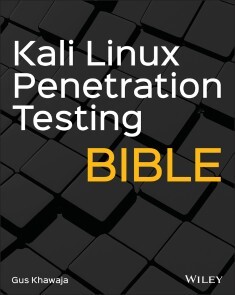
Kali Linux Penetration Testing Bible
YOUR ULTIMATE GUIDE TO PENTESTING WITH KALI LINUXKali is a popular and powerful Linux distribution used by cybersecurity professionals around the world. Penetration testers must master Kali’s varied library of tools to be effective at their work. The Kali Linux Penetration Testing Bible is the hands-on and methodology guide for pentesting with Kali.You’ll discover everything you need to know about the tools and techniques hackers use to gain access to systems like yours so you can erect reliable defenses for your virtual assets. Whether you’re new to the field or an established pentester, you’ll find what you need in this comprehensive guide.* Build a modern dockerized environment* Discover the fundamentals of the bash language in Linux* Use a variety of effective techniques to find vulnerabilities (OSINT, Network Scan, and more)* Analyze your findings and identify false positives and uncover advanced subjects, like buffer overflow, lateral movement, and privilege escalation* Apply practical and efficient pentesting workflows* Learn about Modern Web Application Security Secure SDLC* Automate your penetration testing with PythonGUS KHAWAJA is an expert in application security and penetration testing. He is a cybersecurity consultant in Montreal, Canada and has a depth of experience working with organizations to protect their assets from cyberattacks. He is a published author and online educator in the field of cybersecurity.Introduction xxCHAPTER 1 MASTERING THE TERMINAL WINDOW 1Kali Linux File System 2Terminal Window Basic Commands 3Tmux Terminal Window 6Starting Tmux 6Tmux Key Bindings 7Tmux Session Management 7Navigating Inside Tmux 9Tmux Commands Reference 9Managing Users and Groups in Kali 10Users Commands 10Groups Commands 14Managing Passwords in Kali 14Files and Folders Management in Kali Linux 15Displaying Files and Folders 15Permissions 16Manipulating Files in Kali 19Searching for Files 20Files Compression 21Manipulating Directories in Kali 23Mounting a Directory 23Managing Text Files in Kali Linux 24Vim vs. Nano 26Searching and Filtering Text 27Remote Connections in Kali 29Remote Desktop Protocol 29Secure Shell 30SSH with Credentials 30Passwordless SSH 32Kali Linux System Management 34Linux Host Information 36Linux OS Information 36Linux Hardware Information 36Managing Running Services 38Package Management 39Process Management 41Networking in Kali Linux 42Network Interface 42IPv4 Private Address Ranges 42Static IP Addressing 43DNS 45Established Connections 46File Transfers 47Summary 48CHAPTER 2 BASH SCRIPTING 49Basic Bash Scripting 50Printing to the Screen in Bash 50Variables 52Commands Variable 54Script Parameters 54User Input 56Functions 56Conditions and Loops 57Conditions 58Loops 60File Iteration 61Summary 63CHAPTER 3 NETWORK HOSTS SCANNING 65Basics of Networking 65Networking Protocols 66TCP 66UDP 67Other Networking Protocols 67IP Addressing 69IPv4 69Subnets and CIDR 69IPv6 70Port Numbers 71Network Scanning 72Identifying Live Hosts 72Ping 73ARP 73Nmap 73Port Scanning and Services Enumeration 74TCP Port SYN Scan 75UDP 75Basics of Using Nmap Scans 76Services Enumeration 77Operating System Fingerprinting 79Nmap Scripting Engine 80NSE Category Scan 82NSE Arguments 84DNS Enumeration 84DNS Brute-Force 85DNS Zone Transfer 86DNS Subdomains Tools 87Fierce 87Summary 88CHAPTER 4 INTERNET INFORMATION GATHERING 89Passive Footprinting and Reconnaissance 90Internet Search Engines 90Shodan 91Google Queries 92Information Gathering Using Kali Linux 94Whois Database 95TheHarvester 97DMitry 99Maltego 99Summary 103CHAPTER 5 SOCIAL ENGINEERING ATTACKS 105Spear Phishing Attacks 105Sending an E-mail 106The Social Engineer Toolkit 106Sending an E-mail Using Python 108Stealing Credentials 109Payloads and Listeners 110Bind Shell vs. Reverse Shell 111Bind Shell 111Reverse Shell 112Reverse Shell Using SET 113Social Engineering with the USB Rubber Ducky 115A Practical Reverse Shell Using USB Rubber Ducky and PowerShell 117Generating a PowerShell Script 118Starting a Listener 118Hosting the PowerShell Script 119Running PowerShell 120Download and Execute the PS Script 120Reverse Shell 121Replicating the Attack Using the USB Rubber Ducky 122Summary 122CHAPTER 6 ADVANCED ENUMERATION PHASE 125Transfer Protocols 126FTP (Port 21) 126Exploitation Scenarios for an FTP Server 126Enumeration Workflow 127Service Scan 127Advanced Scripting Scan with Nmap 128More Brute-Forcing Techniques 129SSH (Port 22) 130Exploitation Scenarios for an SSH Server 130Advanced Scripting Scan with Nmap 131Brute-Forcing SSH with Hydra 132Advanced Brute-Forcing Techniques 133Telnet (Port 23) 134Exploitation Scenarios for Telnet Server 135Enumeration Workflow 135Service Scan 135Advanced Scripting Scan 136Brute-Forcing with Hydra 136E-mail Protocols 136SMTP (Port 25) 137Nmap Basic Enumeration 137Nmap Advanced Enumeration 137Enumerating Users 138POP3 (Port 110) and IMAP4 (Port 143) 141Brute-Forcing POP3 E-mail Accounts 141Database Protocols 142Microsoft SQL Server (Port 1433) 142Oracle Database Server (Port 1521) 143MySQL (Port 3306) 143CI/CD Protocols 143Docker (Port 2375) 144Jenkins (Port 8080/50000) 145Brute-Forcing a Web Portal Using Hydra 147Step 1: Enable a Proxy 148Step 2: Intercept the Form Request 149Step 3: Extracting Form Data and Brute-Forcing with Hydra 150Web Protocols 80/443 151Graphical Remoting Protocols 152RDP (Port 3389) 152RDP Brute-Force 152VNC (Port 5900) 153File Sharing Protocols 154SMB (Port 445) 154Brute-Forcing SMB 156SNMP (Port UDP 161) 157SNMP Enumeration 157Summary 159CHAPTER 7 EXPLOITATION PHASE 161Vulnerabilities Assessment 162Vulnerability Assessment Workflow 162Vulnerability Scanning with OpenVAS 164Installing OpenVAS 164Scanning with OpenVAS 165Exploits Research 169SearchSploit 171Services Exploitation 173Exploiting FTP Service 173FTP Login 173Remote Code Execution 174Spawning a Shell 177Exploiting SSH Service 178SSH Login 178Telnet Service Exploitation 179Telnet Login 179Sniffing for Cleartext Information 180E-mail Server Exploitation 183Docker Exploitation 185Testing the Docker Connection 185Creating a New Remote Kali Container 186Getting a Shell into the Kali Container 187Docker Host Exploitation 188Exploiting Jenkins 190Reverse Shells 193Using Shells with Metasploit 194Exploiting the SMB Protocol 196Connecting to SMB Shares 196SMB Eternal Blue Exploit 197Summary 198CHAPTER 8 WEB APPLICATION VULNERABILITIES 199Web Application Vulnerabilities 200Mutillidae Installation 200Apache Web Server Installation 200Firewall Setup 201Installing PHP 201Database Installation and Setup 201Mutillidae Installation 202Cross-Site Scripting 203Reflected XSS 203Stored XSS 204Exploiting XSS Using the Header 205Bypassing JavaScript Validation 207SQL Injection 208Querying the Database 208Bypassing the Login Page 211Execute Database Commands Using SQLi 211SQL Injection Automation with SQLMap 215Testing for SQL Injection 216Command Injection 217File Inclusion 217Local File Inclusion 218Remote File Inclusion 219Cross-Site Request Forgery 220The Attacker Scenario 221The Victim Scenario 222File Upload 223Simple File Upload 223Bypassing Validation 225Encoding 227OWASP Top 10 228Summary 229CHAPTER 9 WEB PENETRATION TESTING AND SECURE SOFTWARE DEVELOPMENT LIFECYCLE 231Web Enumeration and Exploitation 231Burp Suite Pro 232Web Pentest Using Burp Suite 232More Enumeration 245Nmap 246Crawling 246Vulnerability Assessment 247Manual Web Penetration Testing Checklist 247Common Checklist 248Special Pages Checklist 248Secure Software Development Lifecycle 250Analysis/Architecture Phase 251Application Threat Modeling 251Assets 251Entry Points 252Third Parties 252Trust Levels 252Data Flow Diagram 252Development Phase 252Testing Phase 255Production Environment (Final Deployment) 255Summary 255CHAPTER 10 LINUX PRIVILEGE ESCALATION 257Introduction to Kernel Exploits and Missing Configurations 258Kernel Exploits 258Kernel Exploit: Dirty Cow 258SUID Exploitation 261Overriding the Passwd Users File 263CRON Jobs Privilege Escalation 264CRON Basics 265Crontab 265Anacrontab 266Enumerating and Exploiting CRON 266sudoers 268sudo Privilege Escalation 268Exploiting the Find Command 268Editing the sudoers File 269Exploiting Running Services 270Automated Scripts 270Summary 271CHAPTER 11 WINDOWS PRIVILEGE ESCALATION 273Windows System Enumeration 273System Information 274Windows Architecture 275Listing the Disk Drives 276Installed Patches 276Who Am I? 276List Users and Groups 277Networking Information 279Showing Weak Permissions 282Listing Installed Programs 283Listing Tasks and Processes 283File Transfers 284Windows Host Destination 284Linux Host Destination 285Windows System Exploitation 286Windows Kernel Exploits 287Getting the OS Version 287Find a Matching Exploit 288Executing the Payload and Getting a Root Shell 289The Metasploit PrivEsc Magic 289Exploiting Windows Applications 293Running As in Windows 295PSExec Tool 296Exploiting Services in Windows 297Interacting with Windows Services 297Misconfigured Service Permissions 297Overriding the Service Executable 299Unquoted Service Path 299Weak Registry Permissions 301Exploiting the Scheduled Tasks 302Windows PrivEsc Automated Tools 302PowerUp 302WinPEAS 303Summary 304CHAPTER 12 PIVOTING AND LATERAL MOVEMENT 305Dumping Windows Hashes 306Windows NTLM Hashes 306SAM File and Hash Dump 307Using the Hash 308Mimikatz 308Dumping Active Directory Hashes 310Reusing Passwords and Hashes 310Pass the Hash 311Pivoting with Port Redirection 312Port Forwarding Concepts 312SSH Tunneling and Local Port Forwarding 314Remote Port Forwarding Using SSH 315Dynamic Port Forwarding 316Dynamic Port Forwarding Using SSH 316Summary 317CHAPTER 13 CRYPTOGRAPHY AND HASH CRACKING 319Basics of Cryptography 319Hashing Basics 320One-Way Hash Function 320Hashing Scenarios 321Hashing Algorithms 321Message Digest 5 321Secure Hash Algorithm 323Hashing Passwords 323Securing Passwords with Hash 324Hash-Based Message Authenticated Code 325Encryption Basics 326Symmetric Encryption 326Advanced Encryption Standard 326Asymmetric Encryption 328Rivest Shamir Adleman 329Cracking Secrets with Hashcat 331Benchmark Testing 332Cracking Hashes in Action 334Attack Modes 336Straight Mode 336Combinator 337Mask and Brute-Force Attacks 339Brute-Force Attack 342Hybrid Attacks 342Cracking Workflow 343Summary 344CHAPTER 14 REPORTING 345Overview of Reports in Penetration Testing 345Scoring Severities 346Common Vulnerability Scoring System Version 3.1 346Report Presentation 349Cover Page 350History Logs 350Report Summary 350Vulnerabilities Section 350Summary 351CHAPTER 15 ASSEMBLY LANGUAGE AND REVERSE ENGINEERING 353CPU Registers 353General CPU Registers 354Index Registers 355Pointer Registers 355Segment Registers 355Flag Registers 357Assembly Instructions 358Little Endian 360Data Types 360Memory Segments 361Addressing Modes 361Reverse Engineering Example 361Visual Studio Code for C/C++ 362Immunity Debugger for Reverse Engineering 363Summary 368CHAPTER 16 BUFFER/STACK OVERFLOW 369Basics of Stack Overflow 369Stack Overview 370PUSH Instruction 370POP Instruction 371C Program Example 371Buffer Analysis with Immunity Debugger 372Stack Overflow 376Stack Overflow Mechanism 377Stack Overflow Exploitation 378Lab Overview 379Vulnerable Application 379Phase 1: Testing 379Testing the Happy Path 379Testing the Crash 381Phase 2: Buffer Size 382Pattern Creation 382Offset Location 382Phase 3: Controlling EIP 383Adding the JMP Instruction 384Phase 4: Injecting the Payload and Getting a Remote Shell 386Payload Generation 386Bad Characters 386Shellcode Python Script 387Summary 388CHAPTER 17 PROGRAMMING WITH PYTHON 389Basics of Python 389Running Python Scripts 390Debugging Python Scripts 391Installing VS Code on Kali 391Practicing Python 392Python Basic Syntaxes 393Python Shebang 393Comments in Python 393Line Indentation and Importing Modules 394Input and Output 394Printing CLI Arguments 395Variables 395Numbers 395Arithmetic Operators 397Strings 397String Formatting 397String Functions 398Lists 399Reading Values in a List 399Updating List Items 399Removing a list item 400Tuples 400Dictionary 400More Techniques in Python 400Functions 400Returning Values 401Optional Arguments 401Global Variables 402Changing Global Variables 402Conditions 403if/else Statement 403Comparison Operators 403Loop Iterations 404while Loop 404for Loop 405Managing Files 406Exception Handling 407Text Escape Characters 407Custom Objects in Python 408Summary 409CHAPTER 18 PENTEST AUTOMATION WITH PYTHON 411Penetration Test Robot 411Application Workflow 412Python Packages 414Application Start 414Input Validation 415Code Refactoring 417Scanning for Live Hosts 418Ports and Services Scanning 420Attacking Credentials and Saving the Results 423Summary 426APPENDIX A KALI LINUX DESKTOP AT A GLANCE 427Downloading and Running a VM of Kali Linux 428Virtual Machine First Boot 428Kali Xfce Desktop 429Kali Xfce Menu 430Search Bar 430Favorites Menu Item 430Usual Applications 432Other Menu Items 433Kali Xfce Settings Manager 433Advanced Network Configuration 435Appearance 436Desktop 439Display 441File Manager 442Keyboard 445MIME Type Editor 447Mouse and Touchpad 448Panel 449Workspaces 450Window Manager 451Practical Example of Desktop Customization 454Edit the Top Panel 454Adding a New Bottom Panel 454Changing the Desktop Look 457Installing Kali Linux from Scratch 458Summary 466APPENDIX B BUILDING A LAB ENVIRONMENT USING DOCKER 467Docker Technology 468Docker Basics 468Docker Installation 468Images and Registries 469Containers 470Dockerfile 472Volumes 472Networking 473Mutillidae Docker Container 474Summary 475Index 477

Overview of Some Voice Over IP Calls and SMS Verifications Services Providers
This book provides brief survey of the some Voice Over IP (VOIP) providers, including the providers that offers free calls to some countries. Then, I will mention some websites that offer virtual phone numbers from around the world to receive activation codes and SMS confirmations online..The report consists from the following parts:1. How does VOIP work?2. Getting free phone number in US or Canada and other countries3. Betamax (Dellmont sarl) VOIP Service Provider.4. Some free websites that can be used to receive SMS online using numbers from some countries.5. Best websites that offer SMS verification, sending SMS and renting number services.6. Inphonex VOIP Provider.7. eFax8. VOIP Frequently asked questions.I am Dr. Hidaia Mahmoud Mohamed Alassouli. I completed my PhD degree in Electrical Engineering from Czech Technical University by February 2003, and my M. Sc. degree in Electrical Engineering from Bahrain University by June 1995. I completed also one study year of most important courses in telecommunication and computer engineering courses in Islamic university in Gaza. So, I covered most important subjects in Electrical Engineering, Computer Engineering and Telecommunications Engineering during my study. My nationality is Palestinian from gaza strip.I obtained a lot of certified courses in MCSE, SPSS, Cisco (CCNA), A+, Linux.I worked as Electrical, Telecommunicating and Computer Engineer in a lot of institutions. I worked also as a computer networking administrator.I had considerable undergraduate teaching experience in several types of courses in many universities. I handled teaching the most important subjects in Electrical and Telecommunication and Computer Engineering.I could publish a lot of papers a top-tier journals and conference proceedings, besides I published a lot of books in Publishing and Distribution houses.I wrote a lot of important Arabic articles on online news websites. I also have my own magazine website that I publish on it all my articles: http:// www.anticorruption.000space.comMy personal website: www.hidaia-alassouli.000space.comEmail: hidaia_alassouli@hotmail.com
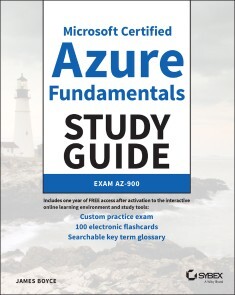
Microsoft Certified Azure Fundamentals Study Guide
QUICKLY PREPS TECHNICAL AND NON-TECHNICAL READERS TO PASS THE MICROSOFT AZ-900 CERTIFICATION EXAMMicrosoft Certified Azure Fundamentals Study Guide: Exam AZ-900 is your complete resource for preparing for the AZ-900 exam. Microsoft Azure is a major component of Microsoft’s cloud computing model, enabling organizations to host their applications and related services in Microsoft’s data centers, eliminating the need for those organizations to purchase and manage their own computer hardware. In addition, serverless computing enables organizations to quickly and easily deploy data services without the need for servers, operating systems, and supporting systems. This book is targeted at anyone who is seeking AZ-900 certification or simply wants to understand the fundamentals of Microsoft Azure. Whatever your role in business or education, you will benefit from an understanding of Microsoft Azure fundamentals.Readers will also get one year of FREE access to Sybex’s superior online interactive learning environment and test bank, including hundreds of questions, a practice exam, electronic flashcards, and a glossary of key terms. This book will help you master the following topics covered in the AZ-900 certification exam:* Cloud concepts* Cloud types (Public, Private, Hybrid)* Azure service types (IaaS, SaaS, PaaS)* Core Azure services* Security, compliance, privacy, and trust* Azure pricing levels* Legacy and modern lifecyclesGrowth in the cloud market continues to be very strong, and Microsoft is poised to see rapid and sustained growth in its cloud share. Written by a long-time Microsoft insider who helps customers move their workloads to and manage them in Azure on a daily basis, this book will help you break into the growing Azure space to take advantage of cloud technologies. JAMES BOYCE is a Sr. Technical Account Manager for Microsoft. He has authored more than 60 books on computer technology, covering topics from Windows Server and client, Microsoft Office, networking, programming, and hardware to AutoCAD and UNIX. A former Contributing Editor for Windows Magazine, he has written for numerous print and online publications and has managed globally dispersed teams supporting Windows Server, SharePoint, and other systems. Jim has also been a college instructor.Introduction xixAssessment Test xxxiiCHAPTER 1 CLOUD CONCEPTS 1Understanding Cloud Computing 2Benefits of Cloud Computing 4Economic Benefits 4Scalability and Elasticity 5High Availability 7Fault Tolerance 7Disaster Recovery 8Human Resources 9Financial Models 9Cloud Computing Models and Responsibilities 10Software-as-a-Service 10Infrastructure-as-a-Service 12Platform-as-a-Service 13Shared Responsibility 15Public, Private, and Hybrid Cloud Models 16Public Cloud 16Private Cloud 17Hybrid Cloud 17Summary 18Exam Essentials 18Review Questions 21CHAPTER 2 AZURE CORE SERVICES 25Core Azure Architectural Components 26Geographies and Regions 26Availability Zones 28Bringing It All Together 30Resources and Resource Groups 31Azure Resource Manager 33Azure Subscriptions and Billing Scope 33Azure Subscriptions 33Azure Billing Accounts 34Billing Scope 35Azure Tenants 37Core Azure Services 37Virtual Machines 38Virtual Machine Scale Sets 39Availability Sets 40Azure App Service 42Azure Container Instances 42Azure Kubernetes Service 43Windows Virtual Desktop 44Core Azure Storage 44Blob Storage 44Blob Storage Tiers 45Disk Storage 45File Storage 46Storage Accounts 46Core Data Services 47Structured and Unstructured Data 47Azure SQL Database 47SQL Managed Instance 48Cosmos DB 48Azure Database for MySQL 49Azure Database for PostgreSQL 49Azure Database Migration Service 49Microsoft Marketplace 50Summary 50Exam Essentials 51Review Questions 53CHAPTER 3 AZURE CORE NETWORKING SERVICES 59Networking Concepts 60Client-Server and Serverless Computing 60Network Addressing 61Domain Name System 61Routing 63Virtual Networks 63Load Balancers 64VPN Gateway 66Azure VPN Gateway 67ExpressRoute 68Content Delivery Networks 69Summary 70Exam Essentials 71Review Questions 72CHAPTER 4 SECURITY, COMPLIANCE, PRIVACY, AND TRUST 75Network Security 77Defense in Depth 77Azure Firewall 78Web Application Firewall 80Network Security Groups 81Application Security Groups 83User-Defined Routes 83Azure DDoS Protection 84Authentication and Authorization 84Azure Active Directory 84Authentication and Authorization 86Azure Multifactor Authentication 87Conditional Access 87Single Sign-On (SSO) 88Security Tools and Features 88Azure Security Center 88Azure Key Vault 90Azure Information Protection 91Azure Advanced Threat Protection 91Azure Sentinel 92Azure Dedicated Hosts 92Azure Governance Methodologies 93Azure Policies 93Azure Initiatives 94Role-Based Access Control 94Resource Locks 97Azure Blueprints 97Microsoft Cloud Adoption Framework for Azure 99Azure Monitoring and Reporting Options 100Azure Monitor 100Azure Service Health 102Azure Advisor 103Compliance and Data ProtectionStandards 105Industry Compliance Standards and Terms 105Microsoft Privacy Statement 106Online Service Terms 107Data Protection Addendum 107Trust Center 107Service Trust Portal 107Compliance Manager 108Azure Government 109Azure China 109Summary 110Exam Essentials 111Review Questions 114CHAPTER 5 AZURE SOLUTIONS 123Internet of Things (IoT) 124Azure IoT Hub 124Azure IoT Central 125Azure Sphere 126Artificial Intelligence 126Azure Machine Learning 127Azure Cognitive Services 128Azure Bot Service 128Serverless Computing 128Azure Functions 129Azure Logic Apps 129DevOps 130Azure DevOps Services 130GitHub and GitHub Actions 130Azure DevTest Labs 131Summary 131Exam Essentials 131Review Questions 133CHAPTER 6 AZURE PRICING, SERVICE LEVELS, AND LIFECYCLE 137Purchasing Azure Services 138Azure Subscriptions 138Purchasing Services 139Factors Affecting Cost 139Billing Zones 141Planning and Managing Azure Costs 141TCO Calculator 141Pricing Calculator 143Managing and Minimizing Azure Cost 144Azure Cost Management + Billing 148Service Level Agreements 149Composite SLAs 150Availability Zones 150Service Lifecycles 151Preview 151General Availability 151Summary 152Exam Essentials 152Review Questions 154CHAPTER 7 CREATING AND MANAGING AZURE RESOURCES 157Azure Management Tools 158Azure Portal 158Azure PowerShell 160Azure CLI 161Azure Cloud Shell 161Azure Mobile App 162Using ARM Templates 163Bringing It All Together 163Creating and Managing Resources 163Creating a Free Subscription 164Creating Resource Groups 165Creating Azure Resources and Services 166Deleting Resources and Services 174Summary 175Exam Essentials 175Review Questions 177Appendix Answers to Review Questions 179Chapter 1: Cloud Concepts 180Chapter 2: Azure Core Services 181Chapter 3: Azure Core Networking Services 184Chapter 4: Security, Compliance, Privacy, and Trust 185Chapter 5: Azure Solutions 189Chapter 6: Azure Pricing, Service Levels, and Lifecycle 190Chapter 7: Creating and Managing Azure Resources 192Index 193
Cloud Technologies
CLOUD TECHNOLOGIESCONTAINS A VARIETY OF CLOUD COMPUTING TECHNOLOGIES AND EXPLORES HOW THE CLOUD CAN ENHANCE BUSINESS OPERATIONSCloud Technologies offers an accessible guide to cloud-based systems and clearly explains how these technologies have changed the way organizations approach and implement their computing infrastructure. The author includes an overview of cloud computing and addresses business-related considerations such as service level agreements, elasticity, security, audits, and practical implementation issues. In addition, the book covers important topics such as automation, infrastructure as code, DevOps, orchestration, and edge computing.Cloud computing fundamentally changes the way organizations think about and implement IT infrastructure. Any manager without a firm grasp of basic cloud concepts is at a huge disadvantage in the modern world. Written for all levels of managers working in IT and other areas, the book explores cost savings and enhanced capabilities, as well as identifies different models for implementing cloud technologies and tackling cloud business concerns. This important book:* Demonstrates a variety of cloud computing technologies and ways the cloud can enhance business operations* Addresses data security concerns in cloud computing relevant to corporate data owners* Shows ways the cloud can save money for a business* Offers a companion website hosting PowerPoint slidesWritten for managers in the fields of business, IT and cloud computing, Cloud Technologies describes cloud computing concepts and related strategies and operations in accessible language. ROGER MCHANEY is a University Distinguished Teaching Scholar and holder of the Daniel D. Burke Chair for Exceptional Faculty in the Department of Management at Kansas State University, USA.Preface xiiiAcknowledgments xvAbout the Companion Website xvii1 WHAT IS CLOUD COMPUTING? 1Why Cloud Computing? 1Cloud Computing’s Focus 2Cost Reduction 2Capacity Planning 4Organizational Agility 5How Is Cloud Computing Hosted? 6Private Cloud Deployment 6Public Cloud Deployment 6Hybrid Cloud Deployment 7What Are the Different Types of Cloud Solutions? 7Software as a Service (SaaS) 8Platform as a Service (PaaS) 9Infrastructure as a Service (IaaS) 10SaaS versus PaaS versus IaaS: A Review 12Recovery as a Service (RaaS) 12What Are General Benefits of Cloud Services? 13What Are General Disadvantages of Cloud Services? 14What Is the History Behind Cloud Computing? 14Historic Perspective of Hardware Related to Cloud Computing 16Historic Perspective of Software Related to Cloud Computing 17SOA Explained in Terms of Lego Blocks 18Summary 20References 21Bibliography 212 WHO USES THE CLOUD? 23Individuals Users 23Public Cloud Subscription Storage for Individuals 24Private Cloud Storage (PCS) for Individuals 25Hosted Personal Cloud Storage Using Third Party Hardware 27Public Cloud versus Personal Cloud Storage 28Small and Medium Enterprise (SME) Users 28How Can Cloud Computing Save SMEs Money? 28What Cloud Computing Features Appeal to SMEs? 32SME Cloud Software 32Accounting Software 32Human Resources (HR) Software 33Customer Relationship Management (CRM) 36Project Management/Task Organization 40Office Software 42Data Analytics 44Social Media 45Purchasing and Procurement 46Help Desk and Service Software 47Enterprise Resource Planning (ERP) 48Corporate Managers and Users 49Organizational Users of Cloud Computing 50PaaS Users 50IaaS Users 51File Storage and Backup Users 51Disaster Recovery Users 51Big Data Analytics Users 51Summary 51References 52Further Reading 52Website Resources 52Accounting Software 52CRM Software 53Data Analytics 53ERP for SMEs 53Help Desk 53HR Software 53Office Software 54Project Management Tools 54Purchasing and Procurement 54Social Media 543 WHAT IS VIRTUALIZATION? 55Hardware Virtualization 56Hypervisors 56Types of Hardware Virtualization 57Hardware Virtualization Vendors and Products 59Hardware Virtualization Benefits 60Operating System Virtualization 62Operating-System-Level Virtualization (Containerization) 62Containerization Software 63Containers versus Virtual Machines 65Container Cloud Practices 66Containers as a Service (CaaS) 67Storage Virtualization 67DAS (Direct Attached Storage) 67SAN (Storage Area Networks) 69NAS (Network Attached Storage) 70Storage Virtualization Techniques 71File- Versus Block-Level Virtualization 72Summary 72References 72Further Reading 724 CAN THE CLOUD HELP OPERATIONS? 75Load Balancing 75Load Balancing Algorithms 77Static Load Balancing Algorithms 77Dynamic Load Balancing Algorithms 78Cloud Load Balancing Algorithms 79Hardware Versus Software Load Balancing 81Cloud-Based Balancing 81Cloud Load Balancing Versus DNS Load Balancing 82Scalability and Elasticity 82Elasticity in Cloud Environments 83Challenges for Elasticity 84Learning Curve 84Response Time 84Monitoring Elastic Applications 85Stakeholder Needs 85Multiple Levels of Cloud Control 85Security 85Privacy and Compliance 86Benefits of Cloud Elasticity 86Ease of Implementation 86Failover and Fault Tolerance 86On-Demand Computing 87Pay Only for What You Use 87Standardization of Server Pool 88Summary 88References 89Further Reading 895 HOW ARE CLOUDS MANAGED? 91Automation 91Orchestration 92Automation Tasks 92Implementing Orchestration with IaC 93IaC Example 95IaC Tools 97Push Approach 97Pull Approach 97Puppet 98Chef 98SaltStack 99Terraform 99Cloud Provider Resource Management 99AWS CloudFormation 99Google Cloud Deployment Manager 100Azure Resource Manager 101Access Control for Resource Management Tools 102Customized Policies 104APIs and SDKs 105APIs 105SaaS APIs 105PaaS APIs 105IaaS APIs 105SDKs 106SDKs and APIs 106Cloud Backup and Replication 106Cloud Backup 107Cloud Backup Processes 108Cloud Backup Drawbacks 109Cloud Backup Vendors 110Cloud Replication 111Replication Technologies 112DRaaS 113Summary 114References 115Further Reading 115Website Resources 116Backup Providers 116DRaaS Providers 116IaC Providers 1176 WHAT ARE CLOUD BUSINESS CONCERNS? 119Monitoring and Console Tools 119Resource Consumption Monitoring 120Planning for Monitoring 121Cloud Monitoring Tools 121Monitoring Challenges 123Cost Monitoring 123Costs Associated with Zombie Resource Instances 126Service Level Agreements (SLAs) 128SLA Sources 129SLA Components 129SLA Metrics 130Other Performance Considerations 133Performance Failure Penalties 133SLA Data Ownership Clause 134Data Ownership 134Data Location 134Data Disposition 136Data Breaches 136Governmental Access Requests 137SLA Revisions 138Transferring SLAs 138More on SLAs 138Billing 139Amazon Billing 140Third Party Billing Tools 141Summary 141References 142Further Reading 142Website Resources 143Cost and Monitoring Software 143Zombie Instance Management Software 1437 HOW ARE BUSINESS APPLICATIONS IN THE CLOUD MANAGED SAFELY? 145Cloud Vulnerabilities 145Cloud Security Architecture 146IaaS Security Architecture 146IaaS Resource Misconfiguration 147IaaS Resource Vulnerabilities 147IaaS Zombies Vulnerabilities 149PaaS Security Architecture 149SaaS Security Architecture 151Access and Identity Control in the Cloud 152Identity Governance 153IAM Considerations for Developers 154Identity Provisioning 155Cloud Licenses 156IAM with Third Party Vendors 156FIM Benefits 158FIM Challenges 158Identity and Access Management Products 159Identity Management Standards 160Summary 163References 164Bibliography 164Website Bibliography 165Identity Management 1658 WHAT IS CLOUD GOVERNANCE? 167IT Governance Overview 167IT Governance Boards 169IT Governance Frameworks 169COBIT 2019 170ITIL (Information Technology Infrastructure Library) 171AS 8015-2015 172ISO/IEC 38500:2015 174CMMI 174FAIR 174IT Governance in the Cloud 176Choosing a Governance Framework 177Cloud Risk Factors Related to Governance 177IT Audit Committees 178IT Auditor 179IT Controls 179End-User Controls 181Shadow IT 183Acceptable Risk 184SOA Governance 185Ensuring Secure Cloud Data 185Cloud Provider Data Safety Measures 187Cloud Encryption 187Symmetric Key Encryption 189Asymmetric Key Encryption 190Other Encryption Methods 191Secure Sockets Layer (SSL) 191Key Management 194Key Management System Products 195Summary 195References 196Further Reading 1969 WHAT OTHER SERVICES RUN IN THE CLOUD? 199DevOps 199DevOps Ingredients 200Ingredient #1: Communication 200Ingredient #2: Collaboration 201Ingredient #3: Flow 201Ingredient #4: Continuous Improvement 202Ingredient #5: Lean Computing 202Ingredient #6: Tool Kit 203Ingredient #7: Quality 203Cloud-Based Problem-Solving Approaches 204DMAIC 204TRIZ 205Microservices 206Cloud Database Applications 209Cloud Data Models 209Cloud Database Typical Features 211DBaaS Product Examples 211Amazon 211Microsoft 211Google 211Other DBaaS Vendors 212Cloud Analytics Services 212Microsoft Power BI Service 214Domo 215IBM Analytics 215Tableau 215Hadoop 216Hadoop in the Cloud 216Apache Spark 217Apache Storm 217Open Source Private Cloud Software 218OpenStack 218OpenStack Components 219Other Services 219Compute Services 220Application Services 220Summary 221References 221Further Reading 221Website Resources 222Data Analytics Tools 222DBaaS 222NoSQL 222SQL 222DevOps 223Hadoop Competitors 223Private Clouds 223Virtual Databases 223NoSQL 223SQL 22310 WHAT IS THE CLOUD FUTURE? 225NoOps 225Everything as a Service (EaaS) 226Zero Knowledge Cloud Storage 226Serverless Architecture 226Multicloud 227Small Business Clouds 227Machine Learning 228Internet of Things (IoT) 229Cloud Computing as a Utility 229Cloud Streaming Services 230Edge Computing 230Fog Computing 231Summary 232References 233Further Reading 233Glossary 235Chapter 1 List of Terms 235Chapter 2 List of Terms 237Chapter 3 List of Terms 240Chapter 4 List of Terms 243Chapter 5 List of Terms 245Chapter 6 List of Terms 248Chapter 7 List of Terms 250Chapter 8 List of Terms 252Chapter 9 List of Terms 256Chapter 10 List of Terms 258Index 261
Networking All-in-One For Dummies
YOUR ULTIMATE ONE-STOP NETWORKING REFERENCEDesigned to replace that groaning shelf-load of dull networking books you’d otherwise have to buy and house, Networking All-in-One For Dummies covers all the basic and not-so-basic information you need to get a network up and running. It also helps you keep it running as it grows more complicated, develops bugs, and encounters all the fun sorts of trouble you expect from a complex system. Ideal both as a starter for newbie administrators and as a handy quick reference for pros, this book is built for speed, allowing you to get past all the basics—like installing and configuring hardware and software, planning your network design, and managing cloud services—so you can get on with what your network is actually intended to do.In a friendly, jargon-free style, Doug Lowe—an experienced IT Director and prolific tech author—covers the essential, up-to-date information for networking in systems such as Linux and Windows 10 and clues you in on best practices for security, mobile, and more. Each of the nine minibooks demystifies the basics of one key area of network management.* Plan and administrate your network * Implement virtualization * Get your head around networking in the Cloud * Lock down your security protocols The best thing about this book? You don’t have to read it all at once to get things done; once you’ve solved the specific issue at hand, you can put it down again and get on with your life. And the next time you need it, it’ll have you covered.DOUG LOWE is Information Technology Director for a civil engineering firm and a prolific technology author. He has been managing networks for more than 30 years and has written more than 50 technology guides, many in the For Dummies series.Introduction 1BOOK 1: GETTING STARTED WITH NETWORKING 5Chapter 1: Welcome to Networking 7Chapter 2: Network Infrastructure 23Chapter 3: Switches, Routers, and VLANs 39Chapter 4: Cybersecurity 55Chapter 5: Servers and Virtualization 67Chapter 6: Cloud Computing 79BOOK 2: UNDERSTANDING NETWORK PROTOCOLS 89Chapter 1: Network Protocols and Standards 91Chapter 2: TCP/IP and the Internet 115Chapter 3: IP Addresses 123Chapter 4: Routing 145Chapter 5: Dhcp 155Chapter 6: Dns 173Chapter 7: TCP/IP Tools and Commands 207BOOK 3: PLANNING A NETWORK 235Chapter 1: Local Area Networks 237Chapter 2: Wide Area Networks 253Chapter 3: Server Architecture 267Chapter 4: Virtualization Architecture 277Chapter 5: Storage Architecture 289Chapter 6: Backup Architecture 301Chapter 7: Hyperconverged Infrastructure 319BOOK 4: IMPLEMENTING A NETWORK 331Chapter 1: Network Hardware 333Chapter 2: Wireless Networks 345Chapter 3: Windows Clients 365Chapter 4: Mac Networking 375Chapter 5: Network Printers 383Chapter 6: Virtual Private Networks 389BOOK 5: IMPLEMENTING VIRTUALIZATION 395Chapter 1: Hyper-V 397Chapter 2: VMware 417Chapter 3: Azure 429Chapter 4: Amazon Web Services 445Chapter 5: Desktop Virtualization 463BOOK 6: IMPLEMENTING WINDOWS SERVER 2019 471Chapter 1: Installing Windows Server 2019 473Chapter 2: Configuring Windows Server 2019 489Chapter 3: Configuring Active Directory 499Chapter 4: Configuring User Accounts 511Chapter 5: Configuring a File Server 533Chapter 6: Using Group Policy 549Chapter 7: Typing Windows Commands 561Chapter 8: Using PowerShell 589BOOK 7: ADMINISTERING MICROSOFT OFFICE 365 609Chapter 1: Getting Started with Office 365 Administration 611Chapter 2: Configuring Exchange Online 631Chapter 3: Administering Teams 651BOOK 8: IMPLEMENTING LINUX 667Chapter 1: Installing a Linux Server 669Chapter 2: Linux Administration 683Chapter 3: Basic Linux Network Configuration 715Chapter 4: Running DHCP and DNS 727Chapter 5: Doing the Samba Dance 739Chapter 6: Running Apache 747Chapter 7: Running Postfix 761Chapter 8: Linux Commands 771BOOK 9: MANAGING A NETWORK 801Chapter 1: Welcome to Network Administration 803Chapter 2: Managing Remotely 817Chapter 3: Managing Network Assets 835Chapter 4: Solving Network Problems 847Chapter 5: Managing Software Deployment 863Chapter 6: Managing Mobile Devices 875BOOK 10: DEALING WITH CYBERSECURITY 889Chapter 1: Securing Your Users 891Chapter 2: Managing Firewalls and Virus Protection 901Chapter 3: Dealing with Spam 921Chapter 4: Managing Disaster Recovery and Business Continuity Planning 935APPENDIXES 943Appendix A: Directory of Useful Websites 945Appendix B: Glossary 953Index 975
IT-Sicherheitsmanagement (3. Auflg.)
Das umfassende Praxishandbuch in 3. Auflage (04/2021) für IT-Security und technischen Datenschutz nach ISO 27001.Daten werden in Public Clouds verlagert und dort verarbeitet, auf Mobiltelefonen gespeichert, über Chat-Apps geteilt oder im Rahmen von Industrie 4.0 in einer Größenordnung erfasst, die bislang kaum denkbar war. IT-Security-Manager müssen die entsprechenden Maßnahmen nicht nur an diese Veränderungen anpassen, sondern auch an die EU-Datenschutz-Grundverordnung, das IT-Sicherheitsgesetz, die Anforderungen von Kunden oder das China Cybersecurity Law. Alle diese Regelungen haben immense Auswirkungen darauf, wie Unternehmen Daten erfassen, verarbeiten, speichern oder austauschen dürfen. In der Fülle und der Bandbreite der neuen Regelungen liegt aber immer auch die Gefahr, etwas falsch zu machen.Dieser Praxisleitfaden wird Ihnen dabei helfen, sich in der riesigen Menge an Einzelthemen und Aufgaben, mit denen sich IT-Security-Manager auseinandersetzen müssen, zurechtzufinden und den richtigen Weg zu wählen, um mit all diesen Anforderungen umzugehen.Jedes Kapitel beschreibt ausführlich jeweils einen Bereich der IT-Security. Die notwendigen theoretischen Grundlagen wechseln sich dabei ab mit Tipps aus der Praxis für die Praxis, mit für den Berufsalltag typischen Fragestellungen, vielen konkreten Beispielen und hilfreichen Checklisten. Alle Teilgebiete werden abschließend in einem Kapitel zusammengeführt, das die Einführung und Weiterentwicklung eines IT-Sicherheitsmanagements auf Basis der ISO-27000-Normen-Familie unter Beachtung der datenschutzrechtlichen Bestimmungen der EU-DSGVO behandelt.So erhalten Sie sowohl einen kompetenten Praxisleitfaden – auch für den Berufseinstieg – als auch ein umfassendes Nachschlagewerk für Ihre tägliche Arbeit.Aus dem Inhalt:Umfang und Aufgabe des IT-Security-ManagementsOrganisation der IT-SecurityIT-ComplianceKundenaudits am Beispiel TISAXVerzahnung von Informationssicherheit und DatenschutzOrganisation von RichtlinienBetrieb der IT-SecurityIT Business Continuity ManagementIT-NotfallmanagementVerfügbarkeitsmanagementTechnische IT-SecurityIT-RisikomanagementSicherheitsmonitoringIT-Security-AuditManagement von Sicherheitsereignissen und IT-ForensikKennzahlenPraxis: Aufbau eines ISMSAwareness und SchulungInhalt & Leseprobe (PDF-Link)
PHP 8 Objects, Patterns, and Practice
Learn how to develop elegant and rock-solid systems using PHP, aided by three key elements: object fundamentals, design principles, and best practices. The 6th edition of this popular book has been fully updated for PHP 8, including attributes, constructor property promotion, new argument and return pseudo-types, and more. It also covers many features new since the last edition including typed properties, the null coalescing operator, and void return types. This book provides a solid grounding in PHP's support for objects, it builds on this foundation to instill core principles of software design and then covers the tools and practices needed to develop, test, and deploy robust code.PHP 8 Objects, Patterns, and Practice begins by covering PHP's object-oriented features. It introduces key topics including class declarations, inheritance, and reflection. The next section is devoted to design patterns. It explains the principles that make patterns powerful. You’ll cover many of the classic design patterns including enterprise and database patterns. The last segment of the book covers the tools and practices that can help turn great code into a successful project. The section shows how to manage multiple developers and releases with git, and how to manage builds and dependencies with Composer. It also explores strategies for automated testing and continuous integration.After reading and using this book, you will have mastered object-oriented enhancements, design patterns, and the essential development tools available for PHP 8.WHAT YOU WILL LEARN* Work with object fundamentals: write classes and methods, instantiate objects, and create powerful class hierarchies using inheritanceMaster advanced object-oriented features, including static methods and properties, managing error conditions with exceptions, and creating abstract classes and interfaces * Understand and use design principles to deploy objects and classes effectively in your projects* Discover a set of powerful patterns that you can implement in your own projects* Guarantee a successful project including unit testing; version control and build, installation, and package management; and continuous integrationWHO THIS BOOK IS FORAnyone with at least a basic knowledge of PHP who wants to use its object-oriented features in their projects. It is also for PHP coders who want to learn about the practices and tools (version control, testing, continuous integration, etc) that can make projects safe, elegant and stable.MATT ZANDSTRA has worked as a web programmer, consultant, and writer for over two decades. He is the author of SAMS Teach Yourself PHP in 24 Hours (three editions) and is a contributor to DHTML Unleashed. He has written articles for Linux Magazine, Zend, IBM DeveloperWorks, and php|architect Magazine, among others. Matt was a senior developer/tech lead at Yahoo and API tech lead at LoveCrafts. Matt works as a consultant advising companies on their architectures and system management, and also develops systems primarily with PHP, and Java. Matt also writes fiction.Part I. Objects.-1. PHP: Design and Management.-2. PHP and Objects.-3. Object Basics.-4. Advanced Features.-5. Object Tools.-6. Objects and Design.-Part II. Patterns.-7. What Are Design Patterns? Why Use Them?.-8. Some Pattern Principles.-9. Generating Objects.-10. Patterns for Flexible Object Programming.-11. Performing and Representing Tasks.-12. Enterprise Patterns.-13. Database Patterns.-Part III. Practice.-14. Good (and Bad) Practice.-15. PHP Standards.-16. PHP Using and Creating Components with Composer.-17. Version Control with Git.-18. Testing.-19. Automated Build with Phing.-20. Vagrant.-21. Continuous Integration.-22. Objects, Patterns, and Practice.-23. App A: Bibliography.-24. App B: A Simple Parser.

Sicherheit und Prüfung von SAP-Systemen
Sie wollen sichergehen, dass Ihre SAP-Systeme alle Sicherheitsanforderungen erfüllen und ordnungsgemäß konfiguriert sind? Dann führt kein Weg an diesem Standardwerk vorbei. Der Autor zeigt Ihnen Schritt für Schritt, wie Sie bei der Prüfung vorgehen müssen, und vermittelt Ihnen das nötige Hintergrundwissen. Alle Prüfungsthemen werden systematisch und verständlich behandelt – aktuell zu SAP S/4HANA. Aus dem Inhalt: Umgang mit dem SAP-SystemWerkzeuge zur PrüfungAufbau von SAP-Systemen und -LandschaftenAllgemeine SystemsicherheitProtokollierungSichere Remote Function CallsOrdnungsmäßige VerbuchungsvorgängeBenutzerauswertungenSichere EigenentwicklungenBerechtigungen für SAP-Fiori-AnwendungenSicherheit von SAP HANA Einleitung ... 25 1. Umgang mit dem SAP-System und Werkzeuge zur Prüfung ... 31 1.1 ... Transaktionen und SAP-Fiori-Apps ... 31 1.2 ... Reports ... 35 1.3 ... Anzeigen von Tabellen ... 43 1.4 ... Das Benutzerinformationssystem ... 59 1.5 ... Listen als PDF-Datei speichern ... 62 1.6 ... Nutzung der Zugriffsstatistik für Prüfungen ... 63 1.7 ... Tabelleninhalte mit dem QuickViewer auswerten ... 71 1.8 ... SQL-Trace ... 80 1.9 ... Audit Information System ... 84 1.10 ... SAP Access Control ... 90 1.11 ... SAP Enterprise Threat Detection ... 103 1.12 ... Zugriff auf SAP HANA für Prüfer ... 115 2. Aufbau von SAP-Systemen und Systemlandschaften ... 125 2.1 ... SAP NetWeaver und SAP-Komponenten ... 125 2.2 ... Technischer Aufbau von SAP-Systemen ... 131 2.3 ... Systemlandschaften ... 139 2.4 ... Das Mandantenkonzept ... 145 2.5 ... Sicherheit im Mandanten 000 ... 163 3. Allgemeine Systemsicherheit ... 175 3.1 ... Grundlagen für die Prüfung der Systemsicherheit ... 175 3.2 ... Anmeldesicherheit ... 183 3.3 ... Das Notfallbenutzerkonzept ... 206 3.4 ... Sperren von Transaktionscodes ... 210 3.5 ... Logische Betriebssystemkommandos ... 214 3.6 ... Drucken und Speichern ... 223 3.7 ... Batch-Input ... 232 3.8 ... Funktionen von SAP Business Warehouse ... 241 4. Protokollierungskomponenten ... 249 4.1 ... Security-Audit-Log ... 249 4.2 ... Systemprotokollierung ... 271 4.3 ... Protokollierung von Tabellenänderungen ... 278 4.4 ... Protokollierung über Änderungsbelege ... 304 4.5 ... Versionsverwaltung ... 313 4.6 ... Lesezugriffsprotokollierung ... 320 4.7 ... Zugriffsstatistik ... 331 4.8 ... Weitere Protokollkomponenten ... 342 4.9 ... Systemüberwachung mit SAP Enterprise Threat Detection ... 351 5. Remote Function Calls ... 365 5.1 ... Funktionsbausteine ... 365 5.2 ... RFC-Verbindungen ... 376 5.3 ... Trusted Systems ... 383 5.4 ... Zugriff von externen Programmen ... 391 6. Der Verbuchungsvorgang ... 403 6.1 ... Das Prinzip der Verbuchung ... 403 6.2 ... Abgebrochene Buchungen ... 414 6.3 ... Die Belegnummernvergabe ... 419 7. Benutzerauswertungen ... 429 7.1 ... Organisatorische Regelungen ... 429 7.2 ... Die SAP-Standardbenutzer ... 433 7.3 ... Der Benutzerstammsatz ... 442 7.4 ... Referenzbenutzer ... 459 7.5 ... Benutzergruppen ... 465 7.6 ... Sammelbenutzer ... 471 7.7 ... Benutzervermessungsdaten ... 474 7.8 ... Initialkennwörter und Benutzersperren ... 480 7.9 ... Benutzerstammsätze sperren und löschen ... 492 7.10 ... Kennwortverschlüsselung ... 499 7.11 ... Angemeldete Benutzer ... 505 7.12 ... Die Änderungshistorie zu Benutzern ... 509 8. Customizing des SAP-Systems ... 515 8.1 ... Das ABAP Dictionary ... 515 8.2 ... Das Konzept der Tabellensteuerung ... 526 8.3 ... Zugriffe auf Tabellen ... 546 8.4 ... Berechtigungen für Tabellen und Views ... 558 8.5 ... Tabellenzugriffe auf Spalten und Feldwerte einschränken (GTB-Rollen) ... 574 9. Entwicklung in SAP-Systemen ... 587 9.1 ... Entwicklerrichtlinien ... 587 9.2 ... Entwickler- und Objektschlüssel ... 590 9.3 ... Systemänderbarkeit ... 598 9.4 ... Das Transportsystem ... 604 9.5 ... Eigenentwicklungen in ABAP ... 629 9.6 ... Transaktionen ... 667 9.7 ... Berechtigungen zur Anwendungsentwicklung ... 675 10. Berechtigungskonzept in ABAP-Systemen ... 687 10.1 ... Funktionsweise des Berechtigungskonzepts ... 688 10.2 ... Das Berechtigungskonzept in SAP S/4HANA ... 712 10.3 ... Konzepte zum SAP-Berechtigungswesen ... 731 10.4 ... Customizing zum Berechtigungskonzept ... 750 10.5 ... Prüfung von Zugriffsrechten ... 768 10.6 ... Trace von Benutzerberechtigungen ... 787 10.7 ... Berechtigungen für Prüfer ... 794 11. Praktische Prüfung von Berechtigungen ... 797 11.1 ... Zugriffsrechte im Bereich der Berechtigungsverwaltung ... 797 11.2 ... Gesetzeskritische Berechtigungen ... 805 11.3 ... Kritische Basisberechtigungen ... 808 11.4 ... Berechtigungen für das Hacking von SAP-Systemen ... 815 11.5 ... Customizing-Berechtigungen ... 824 11.6 ... Analyse der Qualität des Berechtigungskonzepts ... 838 11.7 ... Analyse von Berechtigungen in SAP Business Warehouse ... 850 12. SAP HANA ... 867 12.1 ... Einführung in SAP HANA ... 867 12.2 ... Systemsicherheit in SAP HANA ... 876 12.3 ... Anmeldesicherheit ... 891 12.4 ... Benutzerverwaltung in SAP HANA ... 898 12.5 ... SAP HANA XSA ... 912 12.6 ... Das Berechtigungskonzept von SAP HANA ... 924 12.7 ... Das Rollenkonzept von SAP HANA ... 939 12.8 ... Analyse des SAP-HANA-Berechtigungskonzepts ... 950 12.9 ... Auditing in SAP HANA ... 963 A. Leitfäden zur SAP-Systemsicherheit ... 979 B. Glossar ... 981 Der Autor ... 989 Index ... 991

SAP S/4HANA Finance
Schlanke Prozesse, aussagekräftige Finanzberichte! Erfahren Sie, welche Vorteile das Zusammenwachsen von FI und CO für Sie hat und welche Funktionen SAP S/4HANA für die Finanzabteilungen bereithält. Darüber hinaus werden Sie mit den wichtigsten Erfolgsfaktoren für die Migration bekannt gemacht. Egal, ob Sie im (IT-)Management, in der Beratung oder in der Finanzabteilung tätig sind: Sie lernen in diesem Buch die Möglichkeiten von SAPs neuer Finanzsoftware kennen. Verständlich und aktuell zu Release 2020. Aus dem Inhalt: SAP HANA und die In-Memory-TechnologieGeschäftspartnerkonzept (Business Partner)SAP FioriFinanzbuchhaltungKostenrechnung/ControllingUniversal Journal und Central FinanceMaterial LedgerErgebnisrechnung (CO-PA)Planung/SAP BPCReportingKonsolidierungAbschlussarbeiten/Financial Closing Einleitung ... 15 1. Einführung in SAP S/4HANA ... 21 1.1 ... In-Memory-Technologie ... 22 1.2 ... SAP Fiori ... 39 2. Versionen von SAP S/4HANA Finance ... 61 2.1 ... SAP Business Suite powered by SAP HANA ... 63 2.2 ... SAP Simple Finance Add-on ... 64 2.3 ... SAP S/4HANA Finance ... 65 2.4 ... SAP S/4HANA ... 66 3. Finanzbuchhaltung ... 73 3.1 ... Grundlegende Änderungen mit SAP S/4HANA Finance ... 74 3.2 ... Auswirkungen auf bestehendes Customizing im Finanzwesen ... 96 3.3 ... Auswirkungen auf bestehendes Customizing in der CO-FI-Echtzeitintegration ... 107 3.4 ... Verwendung zentraler Geschäftspartner ... 109 3.5 ... Anlagenbuchhaltung in SAP S/4HANA ... 112 3.6 ... Cash Management in SAP S/4HANA ... 127 3.7 ... Accruals Management in SAP S/4HANA ... 139 3.8 ... Advanced Compliance Reporting ... 143 4. Controlling ... 147 4.1 ... Sachkonten und Kostenarten ... 148 4.2 ... Kostenstellen, Aufträge und Projekte ... 160 4.3 ... Profit-Center, Funktionsbereiche und Segmente ... 172 4.4 ... Kostenträgerrechnung und Material-Ledger ... 183 4.5 ... Ergebnisrechnung (CO-PA) ... 197 5. Planung ... 221 5.1 ... Finanzplanung und Reporting ... 222 5.2 ... Finanzplanung mit SAP BPC Optimized for SAP S/4HANA ... 227 5.3 ... Finanzplanung mit SAP Analytics Cloud for Planning ... 238 5.4 ... Die neue Planungstabelle ACDOCP ... 248 5.5 ... Zusammenspiel zwischen neuen und alten Planungstransaktionen ... 249 6. Reporting ... 257 6.1 ... Mehrdimensionales Berichtswesen über das Universal Journal ... 258 6.2 ... SAP Fiori im Berichtswesen ... 273 6.3 ... Klassische Berichte in den SAP S/4HANA (Compatibility Views) ... 287 7. Konsolidierung (Group Reporting) ... 297 7.1 ... Einführung ... 297 7.2 ... Wesentliche Merkmale und Grundprinzipien ... 299 7.3 ... Prozess der Konsolidierung ... 308 8. Finanzabschluss ... 337 8.1 ... Finanzabschlussplanung ... 339 8.2 ... Abschlussvorbereitung ... 369 8.3 ... Abschlussausführung ... 373 8.4 ... Abschlussüberwachung und analyse ... 386 8.5 ... Financial Close Manager -- Smart Business Cockpit mit SAP Fiori ... 390 8.6 ... SAP S/4HANA Cloud for Advanced Financial Closing ... 392 9. Szenarien für die Datenmigration ... 409 9.1 ... Datenbereinigung ... 410 9.2 ... Vorbereitungen für eine SAP S/4HANA Conversion ... 416 9.3 ... Migration auf den zentralen Geschäftspartner ... 429 9.4 ... Schritte für die Migration der Rechnungswesendaten ... 437 9.5 ... Übersicht über die Upgrade-Pfade von SAP ERP auf SAP S/4HANA Finance ... 470 9.6 ... Neuimplementierung von SAP S/4HANA ... 477 9.7 ... Aufbau eines Central-Finance-Systems ... 478 9.8 ... Kompatibilitätsumfangsmatrix für die On-Premise-Version von SAP S/4HANA ... 481 10. Die Digitalisierung der Finanzfunktion ... 483 10.1 ... Aktuelle Herausforderungen der Finanzabteilungen ... 484 10.2 ... IT-Systeme im Wandel ... 491 10.3 ... Die Digitalisierung von Routinetätigkeiten im Finanzwesen ... 501 10.4 ... Die Digitalisierung strategischer Tätigkeiten im Finanzwesen ... 507 10.5 ... Neue Erwartungen an die Finanzfunktion ... 513 10.6 ... Vernetzung ... 517 10.7 ... Datensicherheit ... 520 Anhang ... 525 A. Methoden und Tools zur Umsetzung der digitalen Innovationen ... 526 B. Wichtige SAP-Hinweise ... 534 C. Weiterführende Informationsquellen ... 544 D. Änderungen am Datenmodell ... 548 E. Änderungen an Transaktionen ... 557 Das Autorenteam ... 561 Index ... 564
Verwaltung von Windows 10 mit Gruppenrichtlinien und Intune (5. Auflg.)
Ein praktischer Leitfaden in 5. Auflage, 03/2021.Die 5. Auflage des Gruppenrichtlinien-Bestsellers wurde für das aktuelle Feature Release von Windows überarbeitet und um Themen wie die Windows-10-Verwaltung über Microsoft Intune und Auditing ergänzt. Das Buch ist Grundlagen-, Praxis- und Nachschlagewerk in einem. Berücksichtigt werden sowohl die Gruppenrichtlinien-Einstellungen in Windows 10 als auch die Windows Server-Versionen 2019, 2016, 2012 und 2008 R2.Gruppenrichtlinien-Know-how für Einsteiger und Profis:Einsteiger führt das Buch von der Basisverwaltung von Gruppenrichtlinien bis hin zur Entwicklung eigener Vorlagen durch alle wichtigen Themen.Profis finden in diesem Buch Informationen zur Planung von Gruppenrichtlinien, zur Verwaltung (PowerShell und AGMP), zur Erweiterung (per Fremdhersteller-Tools) sowie zur Automatisierung mit PowerShell.Eine Fülle von Beispielen aus der administrativen Praxis zeigt Ihnen, wo Sie welche Einstellungen vornehmen können, wie sich diese auswirken und wie Sie in Ihrer täglichen Arbeit dadurch Zeit sparen können. Zahlreiche Tipps und Hinweise helfen Ihnen bei der Fehlersuche und Problembehebung und warnen Sie vor typischen Fallen.

Die ultimative QNAP NAS Bibel - Das Praxisbuch - mit vielen Insider Tipps und Tricks - komplett in Farbe
Die ultimative QNAP NAS BibelDieses Praxisbuch zu den hochwertigen NAS-Systemen des Anbieters QNAP bietet einen umfassenden Einblick in das Thema der Network-Attached-Storage-Geräte. Dieses Buch begleitet Sie von Anfang an durch das Abenteuer NAS: Falls Sie noch kein Gerät haben, bekommen Sie Entscheidungshilfen für den Kauf, und eine anschauliche Schrittanleitung führt Sie durch den Installationsvorgang. Wenn Sie Ihr NAS schon eingerichtet haben, finden Sie viele praktische Hinweise für die optimale und sichere Konfiguration, die Einrichtung eines eigenen Mailservers, die Verwendung als Fotospeicher, Musikarchiv und weitere spannende Funktionen.Aus dem Inhalt:- Kaufberatun - die richtige Hardware für Ihre Ansprüche- Installation des QNAP NAS- Benutzer- und Zugriffsrechte einrichten- Lokaler und mobiler Zugriff auf Ihre Daten- Musik und Filme mit dem NAS speichern und abspielen- Sicherheit und Systemwartung- Benutzer- und Zugriffsrechte einrichten- Zugriff aus dem lokalen Netzwerk- Mobiler Zugriff von unterwegs- Musik mit dem NAS speichern und abspielen- Filme und TV mit Video Station streamen- Backup-Zentrale für Ihre Geräte- NAS und Geräte per Cloud synchronisieren- Den eigenen Mailserver auf dem NAS einrichtenDer AutorWolfram Gieseke ist langjähriger Sachbuchautor zu IT-Themen. Seine Anfang der 1990er Jahre gestartete Autorentätigkeit umfasst mit über 100 Werken das gesamte Spektrum von Einstiegsliteratur zu den Themen Betriebssysteme und Anwendungen bis hin zu Fachliteratur in den Bereichen Netzwerksicherheit und Programmierung.

Beginning Power Apps
Transform the way your business works with easy-to-build apps. With this updated and expanded second edition, you can build business apps that work with your company's systems and databases, without having to enlist the expertise of costly, professionally trained software developers.In this new edition, business applications expert Tim Leung offers step-by-step guidance on how you can improve all areas of your business. He shows how you can replace manual or paper processes with modern apps that run on phone or tablet devices. For administrative and back-office operations, he covers how to build apps with workflow and dashboard capabilities. To facilitate collaboration with customers and clients, you’ll learn how to build secure web portals with data entry capabilities, including how to customize those portals with code.This hands-on new edition has 10 new chapters—including coverage on model-driven and portal apps, artificial intelligence, building components using the Power Apps Component Framework, using PowerShell for administration, and more—complete with context, explanatory screenshots, and non-technical terminology.WHAT YOU WILL LEARN* Create offline capable mobile apps and responsive web apps* Carry out logic, data access, and data entry through formulas* Embellish apps with charting, file handling, photo, barcode, and location features* Set up Common Data Service, SharePoint, and SQL data sources* Use AI to predict outcomes, recognize images, and analyze sentiment * Integrate apps with external web services and automate tasks with Power Automate * Build reusable code and canvas components, make customizations with JavaScript* Transfer apps and data, and secure, administer, and monitor Power Apps environmentsWHO THIS BOOK IS FORBeginners and non-developers, and assumes no prior knowledge of Power AppsTIM LEUNG is a software developer with more than 10 years of experience in designing and building large-scale commercial applications. He is a recognized expert in the field of rapid application development and his previous publication with Apress, Visual Studio LightSwitch, covers this topic in depth. Tim is a Microsoft certified developer, a chartered member of the British Computer Society, and holds a degree in information technology.PART I: POWER APP FUNDAMENTALSChapter 1: Introducing Power AppsChapter 2: Subscribing to Power AppsChapter 3: Creating Your First AppChapter 4: Sharing AppsChapter 5: Using FormulasPART II: WORKING WITH DATAChapter 6: Setting Up SharePoint, SQL, and moreChapter 7: Working with Tables and RowsChapter 8: Searching and Retrieving DataPART III: DEVELOPING CANVAS APPSChapter 9: Canvas App DesignChapter 10: Using Simple ControlsChapter 11: Using Table/Record Data ControlsPART IV: DEVELOPING MODEL DRIVEN AND PORTAL APPSChapter 12: Building a Dataverse DatabaseChapter 13:Developing Model-Driven AppsChapter 14: Building Portal AppsChapter 15: Retrieving Data from Portal Apps.PART V: ENHANCING APPSChapter 16: Working with Images and MediaChapter 17: Storing and Retrieving FilesChapter 18: Integrating Maps and Location ServicesChapter 19: Charting DataChapter 20: Adding Artificial Intelligence to AppsPART VI: REUSABILITYChapter 21: Building Reusable Canvas ComponentsChapter 22: Building Reusable Code ComponentsPART VII: OFFLINE AND INTEGRATIONChapter 23: Working OfflineChapter 24: Creating Custom Data ConnectorsPART VIII: ADMINISTRATIONChapter 25: Using Power AutomateChapter 26: Transferring Apps and DataChapter 27: Administering SecurityAppendix A - Sample App Data Structure