

Computer und IT
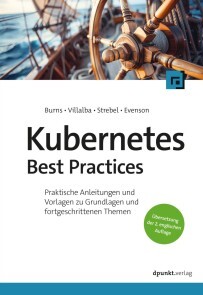
Kubernetes Best Practices
Praktische Anleitungen und Vorlagen zum Bauen erfolgreicher Kubernetes-Anwendungen - Bewährte Vorgehensweisen aus dem Arbeitsalltag von Kubernetes-Mitbegründer Brendan Burns - Praxisnaher Überblick über viele aktuelle und zentrale Themen - Mit Codebeispielen aus erfolgreichen Kubernetes-Projekten In diesem praktischen Leitfaden teilen Brendan Burns und drei weitere Kubernetes-Experten ihre bewährten Vorgehensweisen beim Erstellen von Anwendungen mit Kubernetes mit Ihnen. Sie bündeln jahrzehntelange Erfahrungen aus den unterschiedlichsten Anwendungsbereichen und von Unternehmen, die Kubernetes erfolgreich in der Produktion einsetzen. Konkrete Codebeispiele sowie Strategien zur Fehlervermeidung und -behebung helfen Ihnen bei der Umsetzung in die Praxis. Dieses Buch ist die Übersetzung der zweiten englischen Auflage. Es ist ideal für alle, die mit den grundlegenden Kubernetes-Konzepten vertraut sind und die neuesten Best Practices lernen möchten. Aus dem Inhalt: - Patterns für die Überwachung und Sicherung Ihrer Systeme sowie Verwaltung von Upgrades, Rollouts und Rollbacks - Integration von Diensten und Legacy-Anwendungen - Ausführen von Workloads für Machine Learning in Kubernetes - Sicherstellen der Pod- und Container-Sicherheit - Verstehen von Themen, die für die erfolgreiche Implementierung von Kubernetes immer wichtiger werden, wie z. B. Chaos Engineering/Testing, GitOps, Service Mesh und Observability
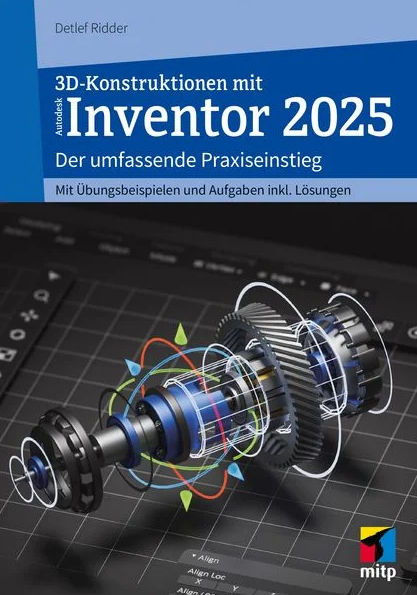
3D-Konstruktionen mit Autodesk Inventor 2025
Der praxisnahe EinstiegDieses Grundlagen- und Lehrbuch zeigt Ihnen anhand vieler einzelner Konstruktionsbeispiele die Möglichkeiten von Inventor 2025 und richtet sich insbesondere an Inventor-Neulinge, die Wert auf einen gründlichen praxisnahen Einstieg legen. Die wichtigsten Vorgehensweisen werden mit vielen einzelnen Beispielen erklärt und können daher leicht für eigene Projekte eingesetzt werden. Inventor von A bis ZAlle wichtigen Befehle werden detailliert vorgestellt: von der Erstellung von 2D-Skizzen mit Bemaßung und Abhängigkeiten über die verschiedenen Arten der Modellierung bis hin zur Erstellung von Baugruppen, Zeichnungsableitung, dem Erstellen von Stücklisten und animierten Präsentationen. Zu jedem Kapitel finden Sie Testfragen mit Lösungen im Anhang, mit denen Sie Ihr Wissen überprüfen und festigen können. Bonuskapitel und Projektdateien zum DownloadDie vollständigen Projekte der 3D-Beispiele inklusive der Bauteile, Baugruppen und Zeichnungen stehen auf der Webseite des Verlags zum Download bereit und helfen Ihnen, alle Übungsbeispiele leicht nachzuvollziehen. Darüber hinaus erhalten Sie zwei digitale Bonuskapitel zu den Spezialthemen »iLogic-Programmierung« und »Module für Blech, Gestell, Welle, Schweißen, BIM-Export, Elektronik«. Aus dem Inhalt:Installation und BenutzeroberflächeSkizzenerstellung in 2D und 3D mit Linie, Bogen, Kreis, Rechteck, Langloch, PolygonAbhängigkeiten und Bemaßungen in der SkizzeAutoCAD-2D-Import3D-Modellierung mit Grundkörpern wie Quader, Zylinder, Kugel und TorusVolumenkörper über Extrusion, Rotation, Sweeping und Lofting (Erhebung)Spezielle Modellierung mit Spirale, Prägen, Ableiten, Rippe und AufklebenVolumenkörper ergänzen: Bohrung, Fase, Rundung, Gewinde, Wandstärke, Flächenverjüngung, Markierungen, Oberflächenbeschaffenheit etc.iFeatures, iMates, iParts, iAssembliesBaugruppen durch Platzieren der Bauteile mit geometrischen Abhängigkeiten oder VerbindungsfunktionenModellzustände, Exemplareigenschaften und GeometrievereinfachungZeichnungsableitung mit Ansichten, Bemaßungen und BeschriftungenErstellen von Stücklisten und PositionsnummernAnimierte Präsentationen, fotorealistische Bilder mit verschiedenen StilenAutoreninfo:Detlef Ridder hat bereits zahlreiche Bücher zu AutoCAD, Inventor, Revit und Archicad veröffentlicht. Er gibt Schulungen zu diesen Programmen und zu CNC und weiß daher, welche Themen für Einsteiger besonders wichtig sind.
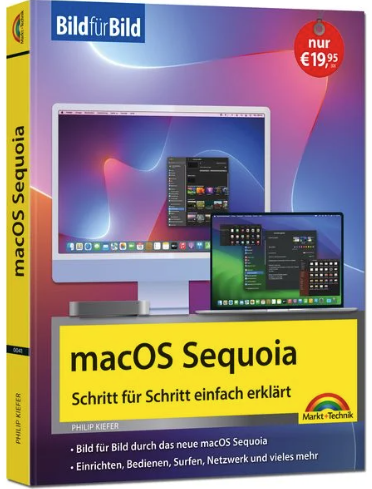
MacOS Sequoia
macOS Sequoia Bild für Bild - sehen und könnenIn vielen Bild-für-Bild-Anleitungen lernen Sie die zentralen Funktionen der aktuellen macOS Sequoia-Version kennen. Sie erfahren alles Wichtige zur Benutzeroberfläche mit Schreibtisch, Dock und Launchpad und personalisieren Ihren Mac, um ihn zu Ihrem ganz eigenen Mac zu machen.Neben den klassischen System-Apps Finder, Mail, Siri, Safari und FaceTime entdecken Sie weitere hilfreiche Apps. Zudem machen Sie sich mit den neuen macOS Sequoia-Features vertraut:Legen Sie beispielsweise mehrere Surfprofile in Safari an oder legen Sie oft besuchte Webseiten als App ins Dock.Umsteiger von Windows bekommen in einem gesonderten Kapitel Tipps zum Umzug der Daten auf den Mac und zu den anfangs etwas ungewohnten Bedienfunktionen, sodass Sie Ihren Mac schnell im Griff haben.Ob Sie einen iMac, ein MacBook oder einen sonstigen Mac nutzen, Sie haben Ihren Apple-Rechner schnell im Griff.Aus dem Inhalt:- Die neuen macOS Sequoia-Funktionen- Dateien und Speicherorte mit dem Finder verwalten- Apps und Geräte installieren- Internet, iCloud und Heimnetzwerk einrichten- Fotos auf dem Mac- Musik, Filme und weitere Medien- Sicherheitsfunktionen- Für Umsteiger: Windows-Daten auf den Mac übertragen- Hilfreiche TastenkombinationenÜber den Autor:Philip Kiefer wurde 1973 in Friedrichshafen geboren. Er ist seit Ende 2001 als freier Autor tätig und hat bereits zahlreiche Bücher zu iPhone, Mac & Co. veröffentlicht.
Bitcoin - Grundlagen und Programmierung (3. Auflg.)
Bitcoin- Grundlagen und ProgrammierungDieses Handbuch ist Ihr Wegweiser durch die zunächst komplexe Welt von Bitcoin. Es vermittelt Ihnen das technische Wissen, das Sie benötigen, um aktiv am Internet des Geldes teilzuhaben. Ganz gleich, ob Sie die nächste Killer-App entwickeln, in ein Start-up investieren oder einfach nur neugierig auf die Technologie sind: Die überarbeitete und erweiterte Auflage liefert Ihnen die Grundlagen für den praktischen Einstieg. Die dritte Auflage beinhaltet: Eine umfassende Einführung in Bitcoin und die zugrundeliegende Blockchain - ideal für eher nichttechnisch ausgerichtete Nutzer, Investoren und Führungskräfte Eine Erklärung der technischen Grundlagen von Bitcoin und der Kryptowährung für Entwickler, Engineers, Software- und SystemarchitektenDetails des dezentralen Bitcoin-Netzwerks, der Peer-to-Peer-Architektur, des Transaktionslebenszyklus und der Sicherheitsmechanismen Neue Entwicklungen wie Taproot, Tapscript, Schnorr-Signaturen und das Lightning-NetzwerkEinen tiefen Einblick in Bitcoin-Anwendungen, einschließlich der Frage, wie man die Bausteine dieser Plattform zu leistungsstarken neuen Tools kombiniertUser Stories, Beispiele und Codeschnipsel zur Veranschaulichung wichtiger technischer Konzepte
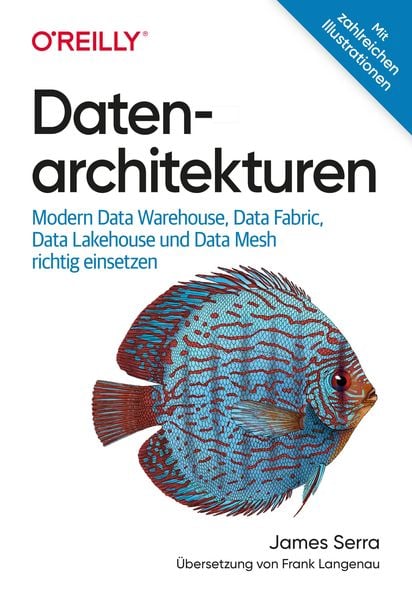
Datenarchitekturen
DatenarchitekturenGewinnen Sie Klarheit über verbreitete Datenarchitektur-KonzepteAlle Konzepte im Überblick: Der erste Leitfaden für die verschiedenen Ansätze, der hilft, eine Architektur auszuwählen, die zu den eigenen Anforderungen passtBeschreibt die populärsten Datenarchitekturen, zeigt Vor- und Nachteile und wie sich Theorie und Praxis unterscheidenInkl. zahlreicher Schaubilder und vergleichender TabellenData Fabric, Data Lakehouse und Data Mesh sind als praktikable Alternativen zum Modern Data Warehouse in den Fokus der Unternehmen gerückt. Diese neuen Architekturen haben solide Vorteile, aber ihre fachliche Einordnung ist auch von Missverständnissen und Übertreibungen geprägt. Dieses praxisorientierte Buch bietet eine gut verständliche Einführung in jeden dieser Architekturansätze und hilft damit Datenexpertinnen und -praktikern, die jeweiligen Vor- und Nachteile zu verstehen.Über den Autor:James Serra erläutert die Konzepte gängiger Datenarchitekturen und zeigt dabei auch, wie sich Data Warehouses weiterentwickeln mussten, um mit Data-Lake-Funktionen arbeiten zu können. Sie erfahren, was Sie mit Data Lakehouses erreichen können und wie Sie Hype und Realität bei Data Meshs unterscheiden. Nach der Lektüre dieses Buchs werden Sie in der Lage sein, die für Ihre Zwecke am besten geeignete Datenarchitektur zu bestimmen.
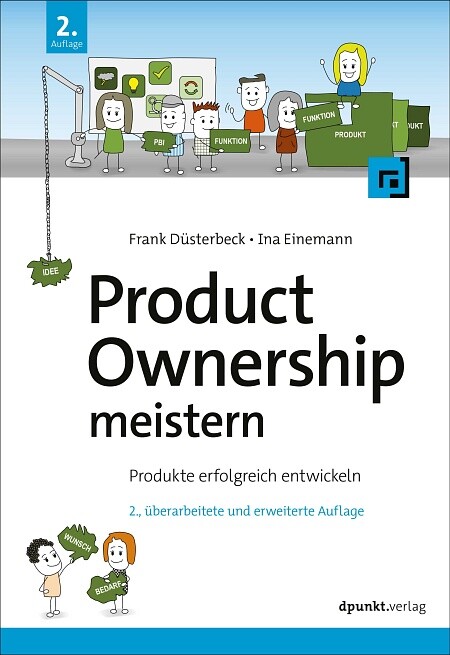
Product Ownership meistern (2. Auflage)
Product Ownership meistern. Produkte erfolgreich entwickeln (2., überarbeitete und erweiterte Auflage)Die Rolle des Product Owners ist anspruchsvoll. Er muss mit seinem Team die Probleme und Bedürfnisse aller Stakeholder durch ein wertvolles Produkt lösen und dabei alle Interessen unter einen Hut bringen. Gerade in der digitalen Produktentwicklung ist er dabei oft mit komplexen und damit schwer einzuschätzenden Problemen konfrontiert.Der erste Schritt zur Bewältigung der Herausforderungen als Product Owner ist es, die Hintergründe der digitalen Produktentwicklung zu verstehen. Zu wissen, warum Komplexität das ausschlaggebende Grundproblem ist und welche Auswirkungen Komplexität auf den gesamten Produktlebenszyklus hat.Der zweite Schritt ist zu wissen, welche Verantwortlichkeiten ein Product Owner hat und welche Stolpersteine es gibt. Methoden und Artefakte zu kennen, ist der dritte Schritt. Dazu gehört auch zu wissen, wie ein Product Owner diese anwenden kann, um sein Team und seine Stakeholder von der Problemerkundung, Ideenfindung und Validierung über die (Weiter-)Entwicklung bis hin zur Ablösung bestmöglich anzuleiten und zu begleiten. Dazu gibt Ihnen »Product Ownership meistern« einen umfangreichen Methodenkatalog mit Tipps, Tricks und Beispielen an die Hand. Bleibt nur noch Schritt vier: Wissen und Methoden anwenden. Nach der Lektüre dieses Buchs haben Sie das Rüstzeug, wahrlich meisterlich Produkte zu entwickeln!Die 2. Auflage wurde um neue Methoden wie Assumption Mapping, Domain Storytelling und Opportunity Solution Tree, weitere Praxistipps und in vielen einzelnen Aspekten ergänzt.Leseprobe (PDF-Link)Über die AutorenFrank Düsterbeck macht Arbeit wert(e)voll – als Geschäftsführer der Kurswechsel Unternehmensberatung GmbH, Berater bei der HEC GmbH, Dozent, Fachbeirat und Sprecher auf diversen Konferenzen und Veranstaltungen. Er ist Experte in den Bereichen digitale Produktentwicklung, Innovation sowie Organisationsentwicklung und -Transformation. Immer mit dem klaren Ziel, wirklich etwas im Denken seiner Gegenüber zu bewirken und über den Einsatz moderner Verfahren und Methoden, eine wertbringende und wertschöpfende Zusammenarbeit zu ermöglichen.Ina Einemann ist selbstständiger Agile Coach mit dem Schwerpunkt auf Anforderungsmanagement und Product Ownership. Seit über zehn Jahren unterstützt sie Unternehmen dabei, agile Methoden erfolgreich zu implementieren und Teams in ihrer Zusammenarbeit zu stärken. Ihr Fokus liegt darauf, Teams zu befähigen und ein Umfeld zu schaffen, in dem sie erfolgreich und motiviert Produkte mit hoher Kundenzufriedenheit entwickeln. Sie spricht regelmäßig auf agilen Konferenzen, ist Kuratorin diverser Konferenzen und einer der Hosts vom agilen Podcast „Mein Scrum ist kaputt“.

Datenarchitekturen
Gewinnen Sie Klarheit über verbreitete Datenarchitektur-Konzepte Alle Konzepte im Überblick: Der erste Leitfaden für die verschiedenen Ansätze, der hilft, eine Architektur auszuwählen, die zu den eigenen Anforderungen passt Beschreibt die populärsten Datenarchitekturen, zeigt Vor- und Nachteile und wie sich Theorie und Praxis unterscheiden Inkl. zahlreicher Schaubilder und vergleichender Tabellen Data Fabric, Data Lakehouse und Data Mesh sind als praktikable Alternativen zum Modern Data Warehouse in den Fokus der Unternehmen gerückt. Diese neuen Architekturen haben solide Vorteile, aber ihre fachliche Einordnung ist auch von Missverständnissen und Übertreibungen geprägt. Dieses praxisorientierte Buch bietet eine gut verständliche Einführung in jeden dieser Architekturansätze und hilft damit Datenexpertinnen und -praktikern, die jeweiligen Vor- und Nachteile zu verstehen. James Serra erläutert die Konzepte gängiger Datenarchitekturen und zeigt dabei auch, wie sich Data Warehouses weiterentwickeln mussten, um mit Data-Lake-Funktionen arbeiten zu können. Sie erfahren, was Sie mit Data Lakehouses erreichen können und wie Sie Hype und Realität bei Data Meshs unterscheiden. Nach der Lektüre dieses Buchs werden Sie in der Lage sein, die für Ihre Zwecke am besten geeignete Datenarchitektur zu bestimmen. Entwickeln Sie ein grundlegendes Verständnis für die verschiedenen Datenarchitekturen Informieren Sie sich über die Stärken und Schwächen der einzelnen Ansätze Verstehen Sie die Unterschiede zwischen Data Warehouses und Data Lakes Profitieren Sie von der langjährigen Erfahrung von James Serra und erfahren Sie, wie Theorie und Praxis der jeweiligen Datenarchitekturen voneinander abweichen Wählen Sie die beste Architektur für Ihren Anwendungsfall aus Lernen Sie, wie man eine Architektur-Design-Sitzung durchführt, das Team organisiert und was die Erfolgsfaktoren für ein Projekt sind
Bitcoin - Grundlagen und Programmierung
Bestseller in 3. Auflage: Die verständliche technische Einführung für Entwickler und Interessierte - Andreas M. Antonopoulos ist einer der weltweit führenden Bitcoin- und Open-Blockchain-Experten. - Die Grundlagen von Blockchain und Bitcoin inklusive des dezentralen Bitcoin-Netzwerks, der Peer-to-Peer-Architektur, des Transaktionslebenszyklus und der Sicherheitsverfahren umfassend erklärt. - Deckt neue Entwicklungen wie Taproot, Tapscript, Schnorr-Signaturen und das Lightning Netzwerk ab und bietet wertvolles Know-how für die Developer-Praxis. Bitcoin und Blockchain haben die Finanzwelt revolutioniert und eine milliardenschwere globale Wirtschaft entstehen lassen. Dieses Handbuch ist Ihr Wegweiser durch die zunächst komplexe Welt von Bitcoin. Es vermittelt Ihnen das technische Wissen, das Sie benötigen, um aktiv am Internet des Geldes teilzuhaben. Ganz gleich, ob Sie die nächste Killer-App entwickeln, in ein Start-up investieren oder einfach nur neugierig auf die Technologie sind: Die überarbeitete und erweiterte Auflage liefert Ihnen die Grundlagen für den praktischen Einstieg. Die dritte Auflage beinhaltet: - Eine umfassende Einführung in Bitcoin und die zugrundeliegende Blockchain – ideal für eher nichttechnisch ausgerichtete Nutzer, Investoren und Führungskräfte - Eine Erklärung der technischen Grundlagen von Bitcoin und der Kryptowährung für Entwickler, Engineers, Software- und Systemarchitekten - Details des dezentralen Bitcoin-Netzwerks, der Peer-to-Peer-Architektur, des Transaktionslebenszyklus und der Sicherheitsmechanismen - Neue Entwicklungen wie Taproot, Tapscript, Schnorr-Signaturen und das Lightning-Netzwerk - Einen tiefen Einblick in Bitcoin-Anwendungen, einschließlich der Frage, wie man die Bausteine dieser Plattform zu leistungsstarken neuen Tools kombiniert - User Stories, Beispiele und Codeschnipsel zur Veranschaulichung wichtiger technischer Konzepte

Analytische Datenarchitekturen
Lange Zeit waren Data Warehouse, Data Mart und Operational Data Store die einzigen verbreiteten Komponenten einer analytischen Datenarchitektur. Die zunehmende Verwendung komplexer Daten zur Entscheidungsunterstützung hat in den letzten Jahren Architekturkomponenten wie den Data Lake oder Möglichkeiten zur analytischen Verwendung von Stromdaten hervorgebracht. War ihr Einsatz in vielen Organisationen zunächst von Misserfolgen begleitet, haben sich mittlerweile Grundsätze etabliert, die einen sinnvollen Einsatz ermöglichen. Seit kurzem sind mit Data Lakehouse, Data Fabric und Data Mesh weitere Ansätze in der Diskussion.Durch diese Vielzahl existierender Ansätze ist der Themenkomplex unübersichtlich geworden und es wird immer schwieriger, den Überblick zu behalten. Genau darin liegt die Zielsetzung des vorliegenden Buches: Mit einem klaren Fokus auf derzeit relevante Architekturkomponenten sollen ihre Hauptmerkmale verdeutlicht werden.MICHAEL SCHULZ hält eine Professur für Wirtschaftsinformatik, insb. analytische Informationssysteme an der NORDAKADEMIE - Hochschule der Wirtschaft und ist Leiter des Master-Studiengangs 'Applied Data Science'. Seine Schwerpunkte liegen in der Business Intelligence und der Data Science.Einleitung.- Analytische Datenarchitektur für die Verfügbarmachung strukturierter Daten.- Analytische Datenarchitektur für die Verfügbarmachung komplexer Daten.- Analytische Datenarchitektur für die Verfügbarmachung beliebiger Datenstrukturen.- Zusammenfassung.

Eigene Spiele erstellen mit Roblox - So einfach!
* ERSCHAFFE DEINE EIGENEN ROBLOX-SPIELE - GANZ OHNE VORWISSEN* SPIELEND LEICHT VON DEN ERSTEN SCHRITTEN BIS ZU CLEVEREN TRICKS* SPAẞ AM PROGRAMMIEREN MIT EINFACHEN SCHRITT-FÜR-SCHRITT-ANLEITUNGEN UND SPANNENDEN AUFGABEN* AKTUELL ZUR NEUEN VERSION VON ROBLOX STUDIO MIT DEUTSCHEN MENÜS.Mit diesem Buch erstellst du kinderleicht deine eigenen Spiele mit Roblox, der beliebtesten Online-Spieleplattform für Kinder und Jugendliche. Dafür brauchst du nichts weiter als einen Computer mit Internetverbindung und dieses Buch.Mithilfe einfacher Schritt-für-Schritt-Anleitungen und anschaulicher Bilder findest du dich schnell in Roblox Studio zurecht und entwirfst deine ersten eigenen Gegenstände und Spielwelten. Du lernst die Roblox-Programmiersprache Lua von Grund auf kennen und erstellst damit ganz einfach tolle Spiele wie deinen eigenen Obby-Hindernisparcours, ein Escape Game mit Zeitlimit, ein Murmelspiel mit Kollisionserkennung und ein Autorennen mit coolen Spezialeffekten.Du lernst, wie du alle Features aus den Spielen an deine Vorstellungen anpasst und beliebig kombinierst. So bist du bestens gerüstet, deine eigenen Ideen mit Roblox Studio umzusetzen und deine Spiele online mit deinen Freunden zu teilen.SPIELE UND PROJEKTE:* Coole Modelle: Tränke, Truhen, Schilder und mehr* Obby-Hindernisparcours mit unsichtbaren Fallen, Förderbändern, Drehbalken und mehr* Escape Game für mehrere Spieler mit Labyrinth, zufälligem Zielpunkt und Zeitlimit* Murmelspiel mit Kollisionserkennung* Autorennen mit tollen Extras wie SpeedUps und Feuerschweif* Noch mehr Features für deine Spiele: Benutzeroberflächen, Punktezähler, Animationen und mehrTanja Köhler lebt und arbeitet als freie Architektin bei München und ist Lehrbeauftragte an der TU München. Dort unterrichtet sie Architekturinformatik und Games Engineering. Zudem betreibt sie ein Studio für Programmierung und Computerspieledesign für Kinder und Jugendliche: www.nextlevel-gauting.de

A Beginner's Guide to Digital Image Repair in Photoshop: Volume 2
Continue to explore how to digitally restore your old historical photos in Photoshop for print out or to use online as still photos. As you progress through this volume’s chapters, you’ll look at some of the many color adjustments and filters that Photoshop has to offer, both old and new. These can assist you in your restoration project or to animate select images._A Beginner’s Guide to Digital Image Repair in Photoshop: Volume 2 _shares various techniques and tips that you can use to restore your own photos using Photoshop’s Adjustment Layers and filters. You’ll look at some basic animation options and the various techniques you can use in Photoshop to repair damage.When done you’ll be ready to move beyond Photoshop and explore the next steps in your project.WHAT YOU’LL LEARN* Use the new and improved Adjustment Layers panel for basic overall color correction.* Discover which old and new filters are useful for repairing most photo issues.* Animate photos using the Photoshop Timeline panel.WHO IS THIS BOOK FORBeginning to Intermediate-level users who would like to learn how to repair old historical photos and slides for digital presentation or for print. Also, for those who are interested in basic digital image repair and animation.Jennifer Harder has worked in the graphic design industry for over 15 years. She has a degree in graphic communications and is currently teaching Acrobat, and Adobe Creative Cloud courses at Langara College. She is also author of several Apress books and related videos.Chapter 1: Adjustment Layers, Blending Modes with Masks for Photo Restoration: Part 1.- Chapter 2: Adjustment Layers, Blending Modes with Masks for Photo Restoration: Part 2.- Chapter 3: Basic Filters for Photo Restoration.- Chapter 4: Advanced Filters for Photo Restoration: Part 1 .-Chapter 5: Advanced Filters for Photo Restoration: Part 2.- Chapter 6: Creating a Parallax: Bringing Your Vintage or Historical Photos to Life.- Chapter 7: Next Steps in Your Photo Restoration Project.
The Joys of Hashing
Build working implementations of hash tables, written in the C programming language. The new and revised Second Edition has been enhanced with simplified code and more comprehensive explanations, aimed at improving clarity and comprehension while exploiting the latest features in C programming.This book starts with simple first attempts devoid of collision resolution strategies. It then progresses through improvements and extensions illustrating different design ideas and approaches, followed by experiments to validate the choices. You will learn how hash tables, when implemented and used appropriately, are exceptionally efficient data structures for representing sets and lookup tables, providing low overhead, constant time, insertion, deletion, and lookup operations._The Joys of Hashing_ walks you through the implementation of efficient hash tables and the pros and cons of different design choices when building tables. The source code used in the book is available on GitHub for your re-use and experiments.WHAT YOU WILL LEARN* Master the basic ideas behind hash tables* Carry out collision resolution, including strategies for handling collisions and their consequences for performance* Resize or grow and shrink tables as needed* Store values by handling when values must be stored with keys to make general sets and mapsWHO THIS BOOK IS FORThose with at least some prior programming experience, especially in C programming.Thomas Mailund is a former associate professor in bioinformatics at Aarhus University, Denmark, and currently Senior Software Architect at the quantum computing company Kvantify. He has a background in math and computer science, including experience programming and teaching in C and R programming languages. For the last decade, his main focus has been on genetics and evolutionary studies, particularly comparative genomics, speciation, and gene flow between emerging species.1. The Joys of Hashing.- 2. Hash Keys, Indices and Collisions.- 3. Collision Resolution, Load Factor and Performance.- 4. Resizing.- 5. Adding Application Keys and Values.- 6. Heuristic Hash Functions.- 7. Universal Hashing.- 8. Conclusions.

Introduction to Python and Large Language Models
Gain a solid foundation for Natural Language Processing (NLP) and Large Language Models (LLMs), emphasizing their significance in today’s computational world. This book is an introductory guide to NLP and LLMs with Python programming.The book starts with the basics of NLP and LLMs. It covers essential NLP concepts, such as text preprocessing, feature engineering, and sentiment analysis using Python. The book offers insights into Python programming, covering syntax, data types, conditionals, loops, functions, and object-oriented programming. Next, it delves deeper into LLMs, unraveling their complex components.You’ll learn about LLM elements, including embedding layers, feedforward layers, recurrent layers, and attention mechanisms. You’ll also explore important topics like tokens, token distributions, zero-shot learning, LLM hallucinations, and insights into popular LLM architectures such as GPT-4, BERT, T5, PALM, and others. Additionally, it covers Python libraries like Hugging Face, OpenAI API, and Cohere. The final chapter bridges theory with practical application, offering step-by-step examples of coded applications for tasks like text generation, summarization, language translation, question-answering systems, and chatbots.In the end, this book will equip you with the knowledge and tools to navigate the dynamic landscape of NLP and LLMs.WHAT YOU’LL LEARN* Understand the basics of Python and the features of Python 3.11* Explore the essentials of NLP and how do they lay the foundations for LLMs.* Review LLM components.* Develop basic apps using LLMs and Python.WHO THIS BOOK IS FORData analysts, AI and Machine Learning Experts, Python developers, and Software Development Professionals interested in learning the foundations of NLP, LLMs, and the processes of building modern LLM applications for various tasks.DILYAN GRIGOROV is a software developer with a passion for Python software development, generative deep learning & machine learning, data structures, and algorithms. He is an advocate for open source and the Python language itself. He has 16 years of industry experience programming in Python and has spent 5 of those years researching and testing Generative AI solutions. Dilyan is a Stanford Student in the Graduate Program on Artificial Intelligence in the classes of people like Andrew Ng, Fei-Fei Li and Christopher Manning. He has been mentored by software engineers and AI experts from Google and Nvidia. His passion for AI and ML stems from his background as an SEO specialist dealing with search engine algorithms daily. He enjoys engaging with the software community, often giving talks at local meetups and larger conferences. In his spare time, he enjoys reading books, hiking in the mountains, taking long walks, playing with his son, and playing the piano.Chapter 1: Evolution and Significance of Large Language Models.- Chapter 2: What Are Large Language Models?.- Chapter 3: Python for LLMs.- Chapter 4: Python and Other Programming Approaches.- Chapter 5: Basic overview of the components of the LLM architectures.- Chapter 6: Applications of LLMs in Python.- Chapter 7: Harnessing Python 3.11 and Python Libraries for LLM Development.
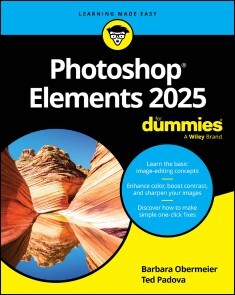
Photoshop Elements 2025 For Dummies
IGNITE YOUR CREATIVITY WITH PHOTOSHOP ELEMENTSIntroducing the latest edition of Photoshop Elements 2025 For Dummies, updated for the newest version of Adobe's affordable and beginner-friendly photo editing software. With this comprehensive guide at your fingertips, you'll unlock the potential of Elements, turning ordinary photos into extraordinary images. Packed with all the essential photo editing tools, this software empowers you to brush up snapshots, create like-worthy social media posts, and create artistic masterpieces. In this easy-to-understand guide, you'll find instructions on using editing tools, working with layers, making one-click fixes, brightening colors, adding filters, and beyond.* Master the basics of Photoshop Elements and make basic edits in Quick Mode* Learn advanced editing techniques such as background replacement, stylize type, apply blend modes, social meda sharing, and other creative tricks,* Discover the latest AI features such as depth of field, change object color, and combine photos* Utilize camera raw to transform your camera's image data into stunning photographsPerfect for non-professional photographers and graphic designers new to Elements or looking for a refresh, this best-selling Dummies guide is your essential companion for getting started with Elements and learning insider tips to create images that “pop.”

iPhone und iPad - Handbuch für alle Einstellungen & Funktionen - Mit Schritt-für-Schritt-Anleitungen zu allen Innovationen und Tricks
Entdecken Sie die besten Funktionen Ihres Smartphones! Möchten Sie auf Ihr neues iPhone umsteigen oder es erstmalig einrichten? Dann ist dieser Ratgeber für Sie geeignet. Smartphones und Tablets haben den klassischen Computer oder Laptop inzwischen weitgehend ersetzt. Das iPhone und iPad gehören trotz ähnlich leistungsstarken Geräten am Markt zu den beliebtesten. Die Bedienung wird mit diesem Buch selbst für Dummies ein Kinderspiel – von den Grundfunktionen der Apps, der Sicherheit sowie der Funktionen der AI ist alles beinhaltet. So können Sie das Beste aus Ihrem Apple-Produkt herausholen. Der Leitfaden dient als Bedienungshilfe um Ihre Daten und Kontakte sicher zu übertragen. Lernen Sie alles über Bluetooth, Siri und iOS 18 sowie iPadOS18. Auch die Konfiguration Ihres Bildschirms wird dank des Ratgebers eine Leichtigkeit. Durch zahlreiche Screenshots, Abbildungen und Schritt-für-Schritt-Anleitungen finden Sie sich mühelos zurecht und können alle Vorteile Ihres Gerätes genießen: - Konto einrichten: Steigen Sie reibungslos auf Ihr neues iPhone oder iPad um oder richten Sie es ein. - Künstliche Intelligenz: Lernen Sie die neuen KI-Funktionen kennen und anzuwenden. - Apps entdecken: Finden und nutzen Sie praktische Apps für Bücher, FaceTime, Podcasts, Fitness und mehr. - Kamera und Bildbearbeitung nutzen: Holen Sie das Beste aus Ihren Fotos heraus und sichern Sie sie per iCloud. - Sicherheit: Schützen Sie Ihre Daten, Medien und Zugänge mit der Passwörter-App.

Flutter App Development
Create apps for iOS and Android phones and tablets using Flutter, a Google framework that produces two outputs for a single app. Let's face it, creating iOS apps using Apple tools such as Swift and Xcode is extremely complicated. Creating Android apps with Kotlin and Android Studio is just as difficult. This book breaks down complex concepts and tasks into easily digestible segments with examples, full-color pictures, and hands-on labs with starters and solutions.As you work through the accompanying lab exercises, you'll learn the Dart programming language; the entire Flutter development toolchain; the differences between stateful and stateless widgets; and a working knowledge of the architecture of apps. You’ll work with themes and styles, develop custom widgets, and even teach your app to respond to gestures like taps, swipes, and pinches. You’ll also design, create, and control the layout of your app. Create tools to handle form data entry from users. And ultimately create killer multiscreen apps with navigation, menus, and tabs.You’ll see that with Flutter, you can write an app one time that produces two outputs: one that can be submitted to the Apple App Store and another that can be uploaded to the Google Play Store. In short, one code creates the same app that runs on iPhones, iPads, Android phones and tablets, virtually all devices. And if you like, it can also create a version that runs on Macs, Windows, Linux, and in browsers!_Flutter App Development_ explains difficult topics in plain, everyday terms that simplify the process of writing mobile apps.WHAT YOU'LL LEARN* Get the most out of great Flutter widgets* Create custom widgets, both stateless and stateful* Exercise expert control over your Flutter layouts* Manage data in stateful widgets and with libraries like Riverpod* Exchange data actively with RESTful API serversWHO THIS BOOK IS FORDevelopers who have coded in JavaScript, Python, Java, C#, C++, or any similar language. Managers, product owners, and business analysts who need to understand Flutter's capabilities.RAP PAYNE started Agile Gadgets, a mobile app development company in 2003. Through it, Rap is a consultant, trainer, and entrepreneur who has written apps, mentored developers, and taught software development classes for Fortune 500 companies like Boeing, Walmart, Coca-Cola, Wells Fargo, Honda, CVS, Chase, HP, Lockheed, Exxon-Mobil, Lowe's, Nike, J.C. Penney, USAA, Raytheon, and government agencies like the NSA, the FBI, US Air Force, Navy, Army, NASA, Britain's GCHQ, Canada's postal service, and several provincial governments, to name a few.As a professional mentor and trainer, Rap has mastered teaching highly complex ideas in easy-to-understand ways. And as a real-world developer, he understands the need to teach these topics using practical and realistic examples and exercises. Rap and his wife Becky have been married for over 30 years. In addition to their five children (all home educated), Rap is a spiritual father to many younger men whom he has mentored over the years. Rap is a middle-of-the-pack marathoner, triathlete, and power lifter.Chapter 1: Hello, Flutter.- Chapter 2: Developing in Flutter.- Chapter 3: Everything is Widgets.- Chapter 4: Value Widgets.- Chapter 5: Gestures.- Chapter 6: Navigation.- Chapter 7: Managing State.- Chapter 8: State Management Libraries.- Chapter 9: Making RESTful Calls with HTTP.- Chapter 10: Styling with Themes.- Chapter 11: Laying Out the Scene.- Chapter 12: Layout - Positioning Widgets.- Chapter 13: Layout - Fixing Overflows.- Chapter 14: Layout - Filling Extra Space.- Chapter 15: Layout - Fine Tuning Positioning.- Chapter 16: Layout - Special Presentation Widgets.- Appendix A: Dart Language Overview.- Appendix B: Futures, Async, and Await.- Appendix C: Including Packages in Your Flutter App.- Appendix D: How to Work with Files.- Appendix E: How to Debug Your Layout.

Windows 11 For Dummies, 2nd Edition
TAKE CONTROL OF YOUR WINDOWS 11 EXPERIENCE, THE EASY WAYWith millions of copies sold over 18 editions, Windows For Dummies is the all-time best selling tech reference—and there’s a reason. Windows 11 For Dummies, 2nd Edition brings you up to speed on the latest version of Windows, so you can make your PC operate the way you need it to with no guesswork. This straightforward and approachable resource helps you keep your PC or laptop humming, helping you do things like create user profiles, get connected to networks, find lost files, make your computer play nice with a printer, and fix the most common Windows hiccups. New Windows users and upgraders alike can swiftly get up and running with Windows 11, thanks to this wildly popular guide.* Discover updated tips and tricks for the latest version of Windows operating system* Get jargon-free instructions on setting up your computer, keeping your data safe, and tailoring your Windows experience* Find the apps you need and avoid all the extras you don’t need* Walk through the most common features of Windows 11Even if you have no prior experience with Windows, Windows 11 For Dummies, 2nd Edition is your go-to guide for learning this popular operating system. Intermediate PC users will also find the insider info they need to keep their computers running smoothly and securely.ALAN SIMPSON is a veteran tech writer with nearly 40 years of experience covering everything from programming languages to Microsoft operating systems and software. He is the best-selling author of Alan Simpson’s Windows Bible and the co-author of Python All-in-One For Dummies.

ChatGPT in Softwareprojekten
ChatGPT in Softwareprojekten. Mit KI Codequalität, Anforderungen und Dokumentation verbessern (1. Auflage, Oktober 2024)Entwicklerinnen, Projektmanager und Softwarearchitekten erfahren in diesem Praxisbuch, wie sie ChatGPT und andere Sprachmodelle nutzen, um ihre eigene Produktivität und die ihres Teams erheblich zu steigern. Sprachmodelle können Entwickler effektiv unterstützen, indem sie Code strukturieren, optimieren und automatisiert kommentieren. Auch Anforderungsdefinitionen und Dokumentationen sind für den Informationsfluss im Projekt enorm wichtig, zählen aber häufig zu den ungeliebten Aufgaben. ChatGPT kann hier eingesetzt werden, um zeitraubende manuelle Arbeiten abzukürzen und konsistentere Dokumente zu erstellen.Dieser praktische Einstieg zeigt anhand von vielfältigen Beispielen, wie Sie die neuen Möglichkeiten der Sprachmodelle für Ihre Arbeit nutzen können. Das Buch erläutert:mit welchen Prompting-Strategien Sie die besten Ergebnisse erzielen und welche Risiken bestehenwas gute Software auszeichnet und wie Sie mit ChatGPT die Codestruktur verbessern, Code optimieren und automatisiert kommentieren lassenwie Sie Anforderungen mit ChatGPT auf Konsistenz und Vollständigkeit prüfen und Vorschläge zur Priorisierung erhaltenwie Sie User Stories mit LLMs strukturieren und Dokumente für unterschiedliche Zielgruppen aufbereitenwie Sie Dokumentationen zu APIs, Datenmodellen, Programmabläufen und Algorithmen mit LLMs erstellenAutoreninfo:Patrick Schnell ist Softwareentwickler, Informatiker und Geschäftsführer der schnell.digital, einer innovativen Softwareagentur. Mit über 17 Jahren Projekterfahrung entwickelt er maßgeschneiderte Lösungen für verschiedenste Branchen. Seine Leidenschaft gilt neuen Technologien wie KI, NoSQL-Datenbanken oder der Hybrid-App-Entwicklung. Als Autor und Speaker teilt er sein umfangreiches Wissen und inspiriert andere Entwickler durch Fachartikel und Vorträge. Patrick Schnell motiviert sein Team, stets innovative und zukunftsorientierte Lösungen zu entwickeln, um den Anforderungen der Kunden gerecht zu werden.Zielgruppe: Entwickler*innen, Architekt*innen und Projektmanager*innen v.a. in KMUs

Modernizing .NET Web Applications
In 2016, Microsoft introduced the new generation of .NET called .NET Core. It brought many fundamental improvements to the platform, but there were also many breaking changes and missing APIs, especially when it comes to creating web applications. Upgrading any website running on .NET Framework to the new .NET Core proved to be a complex process, which can take months or even years.This book describes two approaches you can take to incrementally modernize legacy .NET web applications. It explains the changes that happened in ASP.NET MVC, ASP.NET Web API, Entity Framework, ASP.NET Identity, SignalR, and other libraries. It also shows a migration path for applications written in ASP.NET Web Forms: a technology which isn’t supported in the new .NET at all.In addition, the book describes the new frameworks available in the ASP.NET Core platform (Blazor, Razor Pages, ASP.NET Core MVC, SignalR Core, and so on) and helps you decide which technology will be the best fit.The book also covers several “soft” areas: how to explain the benefits or necessity for the modernization to your company management, how to deal with refactoring and improving the overall code quality during the entire process, and how to adjust the architecture of the application to be ready for another technology upgrade in the future.The topic of modernization is highly relevant. There are still plenty of legacy .NET applications that are being actively developed and maintained. Many of them were developed for 10+ years, they involve plethora of company-specific know-how, and it is not economically feasible to rewrite them from scratch.WHAT YOU WILL LEARN* Discover the changes you need to make in a legacy ASP.NET application to migrate it to .NET 8 and beyond* Estimate the required effort and prepare the entire process* Use the In-place or Side-by-side approach to modernize your application incrementally* Migrate from ASP.NET Web Services or WCF to REST or gRPC* Migrate from ASP.NET SignalR to SignalR Core or from Entity Framework to EF Core* Migrate from Forms Authentication to ASP.NET Identity* Migrate ASP.NET Web Forms to Blazor Server or DotVVM* Migrate ASP.NET MVC and Web Pages to ASP.NET Core MVC and Razor Pages* Refactor and clean up your codebase to make it more maintainableWHO THIS BOOK IS FOR.NET developers who work with ASP.NET web applications running on the .NET framework, and tech leads and software architects who make technical decisions about legacy .NET projects used in their organizationTOMÁŠ HERCEG lives in the Czech Republic, and has been a Microsoft MVP since 2009. He runs a software consulting company called RIGANTI, and he has founded DotVVM, an open-source framework for building web apps using a popular MVVM design pattern. He often speaks at conferences and user groups, and he is the founder of Update Conference, the largest .NET developer event in the Czech Republic.Tomas spent a large part of his career helping his customers with technical decisions, such as cloud migration, microservices architecture, domain-driven design, and modernization of large legacy applications. He wrote many technical articles about .NET development and conducted numerous courses and hands-on labs. Writing this book seemed like the next step forward.Chapter 1: Introduction.- Chapter 2: Justifying Modernization.- Chapter 3: Before You Start.- Chapter 4: Migrating APIs and Web Services.- Chapter 5: Migrating Data Access.- Chapter 6: Migrating Identity Stores.- Chapter 7: In-place Migration of UI Applications.- Chapter 8: Side-by-Side Migration of UI Applications.- Chapter 9: Migration of ASP.NET MVC and Web Pages.- Chapter 10: A Word on Architecture.- Chapter 11: Conclusion.
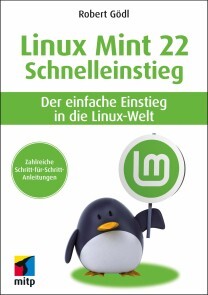
Linux Mint 22 - Schnelleinstieg
* Linux Mint ganz einfach installieren und einsetzen * Die Benutzeroberflächen Cinnamon, Mate und XFCE kennenlernen und anpassen * Windows und Linux Mint parallel betreiben Steigen Sie mit Linux Mint in die Linux-Welt ein! Mit diesem Buch erhalten Sie eine leicht verständliche Schritt-für-Schritt-Anleitung für die Installation und den Einsatz von Linux Mint 22. Dafür benötigen Sie keinerlei Linux-Kenntnisse und können schnell und einfach von Windows umsteigen. Sie werden Schritt für Schritt durch die verschiedenen Installationsmöglichkeiten von Linux Mint geführt (Live-Version, Festinstallation, Linux Mint als einziges oder als zweites Betriebssystem parallel zu Windows) und erfahren, wie Sie Linux Mint einrichten und an Ihre Bedürfnisse anpassen. Um sich schnell zurechtzufinden, erhalten Sie eine Einführung in die für Linux Mint empfohlenen Arbeitsoberflächen Cinnamon, Mate und XFCE sowie einen Überblick über vorinstallierte und weitere beliebte Linux-Software. Darüber hinaus erfahren Sie, wie Sie Software, die eigentlich für den Betrieb unter Windows gedacht ist, auch unter Linux nutzen können. Eine Einführung in die wichtigsten Linux-Grundlagen wie die Datei- und Benutzerverwaltung, die Installation von Software (Paketverwaltung) sowie das Terminal runden diesen Praxiseinstieg ab. So sind Sie optimal darauf vorbereitet, alle im Alltag anfallenden Aufgaben mit Linux Mint zu meistern. Aus dem Inhalt: * Grundlagen zu Linux und Mint * Installation und Live-Version * Die grafischen Oberflächen Cinnamon, Mate und XFCE * Anwendungen nachinstallieren * Windows-Programme mit Linux Mint nutzen * Linux-Alternativen zu gängigen Windows-Programmen * Backups und Sicherheit * Terminal und Verzeichnishierarchie Robert Gödl ist überzeugter Linux-Nutzer mit einer Vorliebe für das Testen von freien Betriebssystemen und freier Software. Nach über 20 Jahren ohne Microsoft Windows möchte er anderen zeigen, dass Linux heute einfach zu installieren, zu nutzen und zu verstehen ist. Ohne viele technische IT-Begriffe macht er Linux auch Benutzern ohne Vorkenntnisse schnell und einfach zugänglich.
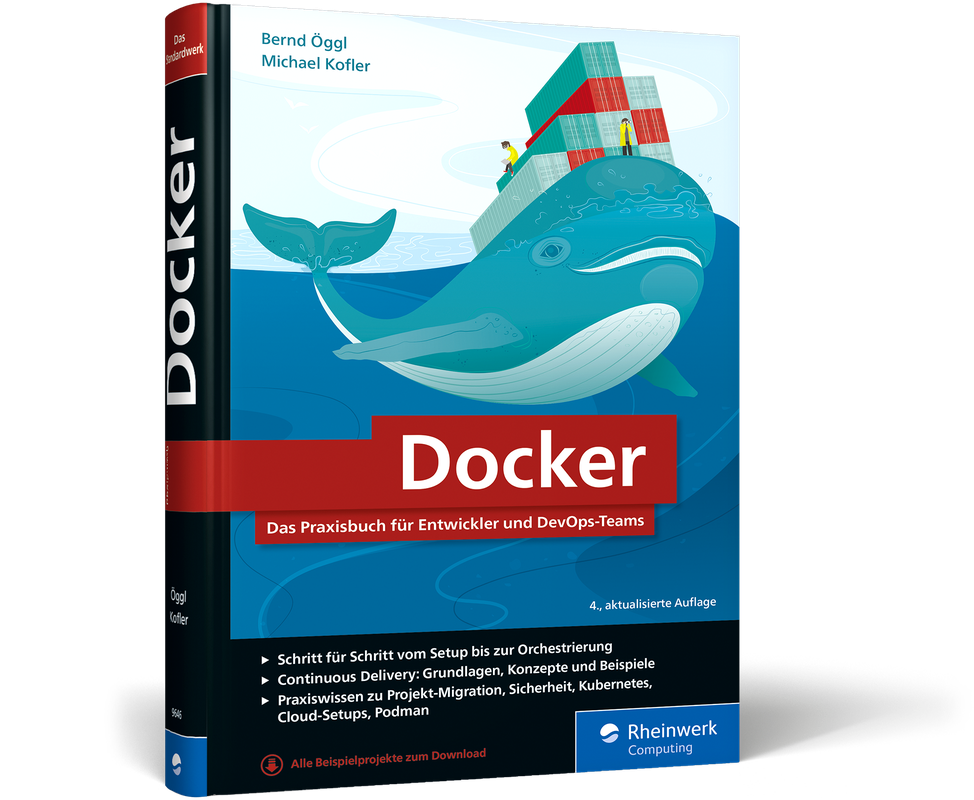
Docker (4. Auflage)
Docker. Das Praxisbuch für Entwickler und DevOps-Teams. In 4., aktualisierte Auflage 2023Docker ist aus der modernen Softwareentwicklung nicht mehr wegzudenken. Ob Sie in der Softwareentwicklung zuhause sind oder Systeme administrieren, ob Sie gerade einsteigen oder bereits produktiv mit Containern arbeiten: Dieses Buch zeigt Ihnen nicht nur Docker und die Containerwelt, es lässt Sie auch mit dem Troubleshooting und der Orchestrierung nicht allein. Mit Best Practices, umfangreichem Werkzeugkasten und vielen Tipps zur Projekt-Migration, Container-Sicherheit, Docker ohne Root, Kubernetes, Podman, dem Docker Desktop und mehr.Grundlagen, Werkzeuge, Praxis1. Docker und Podmann erklärt: So setzen Sie Container produktiv einOhne Software-Container läuft nichts mehr in modernen Entwicklungsumgebungen! Dieses Buch erklärt Ihnen die Konzepte und Ideen hinter Docker und zeigt Ihnen, wie Sie Container sauber in Ihre Umgebung integrieren und produktiv einsetzen.2. Continuous Delivery – aber richtig!Sie erfahren, wie sie eine Continuous Delivery Pipeline aufbauen und nutzen. Beschleunigen Sie so Entwicklungsprozesse und sorgen Sie für reibungslose Übergänge zwischen Test- und Produktivumgebungen.3. Ihr WerkzeugkastenSetzen Sie Programmiersprachen, Datenbanksysteme und Webserver gekonnt in Containern ein und orchestrieren Sie Ihre Apps zu fertigen Setups. Hier finden Sie Anleitungen zu allen wichtigen Tools und erfahren, wie Sie zeitgemäß gute Software entwickeln. Von Python bis Swift, von MariaDB bis Reddis, von Apache bis Node.js.Aus dem InhaltHello World! Docker einfach und gut einsetzenKonzepte und GrundlagenDocker-KommandosDocker ComposeDocker DesktopPodman: Die Docker-AlternativeWerkzeugkasten: Server, Datenbanken, Programmiersprachen, Web-AppsProjektmigrationContainer-Sicherheit, Docker ohne RootContinuous Integration und Delivery mit Gitlab, Multi-Arch-BuildsDocker in der Cloud & KubernetesPraxisbeispiele: LAMP-Stack im Container, Grafana und mehrLeseprobe (PDF-Link)Über den AutorenBernd Öggl setzt als erfahrener Systemadministrator und Webentwickler Docker schon seit vielen Jahren in Produktivumgebungen ein. Er kennt die potentiellen Probleme und geht in diesem Leitfaden gezielt auf die einzelnen Lernschritte ein.Michael Kofler ist der renommierteste Fachbuchautor im deutschsprachigen Raum und behandelt von Linux über Swift bis zur IT-Security alle wichtigen Fachthemen. Hier erklärt er Ihnen verständlich und nachvollziehbar, wie Docker funktioniert.
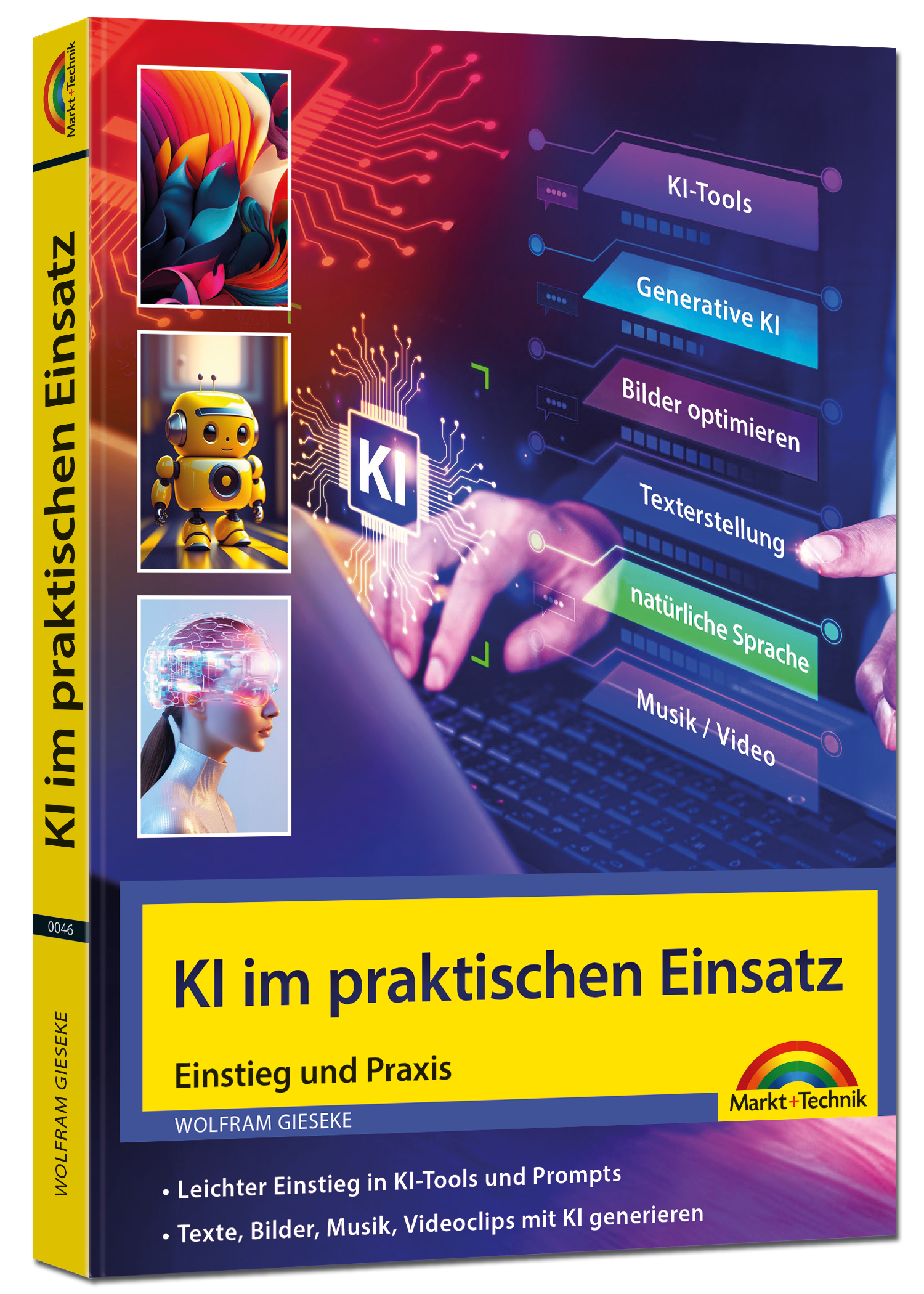
KI im praktischen Einsatz
KI im praktischen Einsatz. Einstieg und Praxis (Oktober 2024)KI, die künstliche Intelligenz, ist in aller Munde und sorgt sowohl für frohe als auch für sorgenvolle Gesichter. Mit diesem Buch bekommen Sie einen Einblick in die neue Technik, die soeben dabei ist, die Welt auf ihre Art zu revolutionieren. Erfolgsautor Wolfram Gieseke zeigt an einfachen, nachvollziehbaren Beispielen, wie Sie KI-Werkzeuge schon heute nutzbringend für sich arbeiten lassen. So erfahren Sie, wie Sie die verschiedenen verfügbaren Webangebote und Apps einsetzen können, um Texte, Bilder, Musik oder Videoclips zu erstellen. Der Schwerpunkt liegt auf Diensten und Apps, die sich kostenfrei oder mit Registrierung nutzen lassen oder zumindest ausgiebig bzw. mit erträglichen Einschränkungen testen lassen.Autoreninfo:Wolfram Gieseke ist langjähriger Windows-Experte und viel gelesener Autor zahlreicher erfolgreicher Bücher zu den Themen Windows-Betriebssystem und Netzwerksicherheit.Zielgruppe:Alle, die sich für KI interessieren

IT-Sicherheit (2. Auflage)
Für Unternehmen ist es existenziell, die Sicherheit ihrer Informationen, Systeme und Produkte zu gewährleisten. Dies trifft heute mehr denn je zu, denn mit zunehmender Vernetzung wächst auch die Angriffsfläche: Jedes vernetzte Gerät ist ein potenzielles Einfallstor für Gefährdungen, und das erhöht das Risiko zusätzlich. Doch wie können Sie Ihr Unternehmen vor diesen Gefährdungen schützen und Sicherheit gewährleisten?Die Antwort auf diese Frage – und viele hilfreiche Impulse und Best Practices – bietet Ihnen dieser Praxisratgeber zum Thema IT-Sicherheit. Es werden alle für Entscheider:innen relevanten Aspekte der IT-Sicherheit beschrieben und das für weiterführende Entscheidungen erforderliche Know-how zielgerichtet vermittelt. Das Buch dient als Leitfaden auf Ihrem Weg zur konsequenten und gleichzeitig effizienten Sicherstellung und Umsetzung von IT-Sicherheit im Unternehmen.Aus dem InhaltZiele von IT Security (Vertraulichkeit, Integrität, Verfügbarkeit)Grundlegende Maßnahmen (Berechtigungen zuteilen, Ausfallplanung, Tests etc.)Absicherung der IT-Infrastruktur im UnternehmenIT Security in der CloudSystematische Umsetzung von Bedrohungs- und RisikoanalysenSichere ProduktentwicklungSicherheit in Produktionsnetzen und -anlagenRechtliche RahmenbedingungenOrganisation des IT-Sicherheitsmanagements im UnternehmenSicherheitsstandards und -zertifizierungenRelevante Wechselwirkungen zwischen Datenschutz und IT-SicherheitAutoreninfo:Prof. Dr. Michael Lang ist Professor für Wirtschaftsinformatik an der Technischen Hochschule Nürnberg. Seine Forschungs- und Lehrschwerpunkte liegen in den Bereichen Digitale Transformation, Business Analytics und IT-Management.Dr. Hans Löhr ist Professor für Informatik mit Schwerpunkt in den Bereichen IT-Sicherheit und Kryptografie an der Technische Hochschule Nürnberg Georg Simon Ohm. Er promovierte am Horst-Görtz-Institut für IT-Sicherheit der Ruhr-Universität Bochum und war daraufhin langjährig in der zentralen Konzernforschung der Robert Bosch GmbH und danach bei der SUSE Software Solutions Germany GmbH tätig.
Future Networking Essentials
Explore virtualized networking environments through the Cloud, Edge, and 5G core networks, and their applications. This book covers the primary approaches related to setting up and experimenting with related cloud and networking environments using virtual networks, and virtual network functions.You’ll start by experimenting with future networking environments and learn a variety of Docker basics and essential networking skills. Specifically, containers, networking, volumes, iptables (for Docker environment security) and default orchestration features are discussed to help set up custom cloud, edge, and 5G core networking environments. Hands-on activities related to Docker networking and services features for publishing, scaling, and monitoring of services are also provided. By the end of Part 1, you’ll be able to set up a variety of custom networking environments easily using Docker compose features and secure the set-up using iptables.Part 2 introduces Network Function Virtualization (NFV) architecture, and its roles in Cloud and 5G core networks. You’ll learn to deploy an open source 5G core platform from OpenAirInterface (OAI) using Docker. Then, you’ll set up and evaluate Virtual Network Functions (VNF) over suitable virtual networks. Hands-on activities are featured to guide you through the process of setting up and deploying VNFs such as DHCP, DNS, and proxy servers.Finally, Part 3 discusses key virtual networks such as IP VLANs, MAC VLANs, and overlay networks using Docker cluster setups. You’ll use interesting hands-on activities to easily experiment and learn cloud and 5G core network set-up related virtual networks, overlay networks, and network slicing. When done, you’ll be able to set up a variety of VNFs, carefully deploying VNFs, and conducting slicing activities over Docker cluster setups.WHAT YOU’LL LEARN* Explore Cloud, Edge, and 5G core networking using Docker networking features.* Build and evaluate a variety of virtual networks and deploy Virtual Network Functions (VNFs) and Network Slices using Docker swarm setups.* Set up and deploy an open source 5G core network using Docker for experimenting.* Enhance cloud environment and applications security using linux security features such as Capabilities, Seccomp, and AppArmors.* Develop and evaluate network security experiments using Scapy and Docker networks.WHO THIS BOOK IS FORNetwork engineers, cloud engineers, students, faculty, and cloud and networking researchers.Dr Anil Kumar Rangisetti received his PhD in the field of computer science and engineering from IIT Hyderabad. He has nearly 10 years of teaching and research experience in computer science and engineering. During his career, he worked at prestigious Indian institutions such as IIIT Dharwad, SRM-AP, and GMR, and worked at MNC such as ARICENT, IRL-Delhi. Currently he is working as Assistant Professor in the Department of CSE, IIITDM Kurnool.Broadly his research interests include Wi-Fi, Next Generation Mobile Networks, SDN, NFV, and Cloud computing. He published a number of novel research publications with IEEE, Springer, Elsevier, Wiley in the field of a variety of networking technologie such as Wi-Fi, 4G/5G, SDN , NFV and Cloud technologies. He guided a significant number of undergraduate and postgraduate students for project works. Besides research activities, he is interested in writing books on computer science technologies and programming languages.Part 1: Docker Basics and Networking.- Chapter 1: Getting started with Future Networking Environments.- Chapter 2: Exploring Docker Networking features.- Chapter 3: Setting up realistic networking scenarios.- Part 2: Network Function Virtualization and Virtual Networks Basics.- Chapter 4: Virtualizing network functions in cloud and telecom core networks.- Chapter 5: Experiment with VNFs over Docker Containers.- Chapter 6: Importance of virtual networks in cloud and telecom networks.- Part 3: Cloud and Networking Security.- Chapter 7: Learning Docker Security for experimenting with Cloud Security.- Chapter 8: Explore Scapy for experimenting with networking environments security.- Chapter 9: Recreating and analyzing realistic network security scenarios.