

Allgemein

Natural Language Processing on Oracle Cloud Infrastructure
This book demonstrates how to use Oracle Cloud Infrastructure (OCI) and Hugging Face technologies to develop advanced NLP solutions. Through a practical case study, it addresses common NLP challenges and offers strategies for creating efficient, cost-effective transformer-based models. By the end of this book, you will have the skills and knowledge to create cutting-edge NLP solutions on OCI, customized to meet the needs of various industries and projects.The book takes you through the complete NLP solution life cycle—covering data preparation, model fine-tuning, deployment, and monitoring—while highlighting key topics such as cost-effectiveness and responsible AI for NLP implementations. Drawing from real-world experience and offering practical insights, it bridges the gap between theory and practice, equipping you to design and deploy scalable, cost-efficient NLP solutions.WHAT YOU WILL LEARN* Master key NLP concepts and the OCI ecosystem* Create high-quality datasets using Hugging Face and OCI Data Labeling Service* Fine-tune domain-specific pre-trained models from Hugging Face using OCI Data Science Notebook Sessions* Deploy and operationalize your models with OCI Data Science Model Deployments* Automate the NLP life cycle with OCI Data Science Pipelines* Implement cost-effective strategies throughout the entire NLP life cycle, from dataset preparation to model training and deploymentWHO THIS BOOK IS FORA diverse audience interested in implementing NLP solutions on Oracle Cloud Infrastructure: NLP practitioners, data scientists, and machine learning engineers who want to learn how to leverage Oracle AI and Hugging Face to implement an end-to-end NLP solution life cycle, from data preparation to model deployment; Oracle practitioners who want to expand their Oracle expertise by exploring OCI's advanced capabilities for building and scaling cutting-edge NLP solutions in enterprise environments; business decision makers who want to discover the strategic benefits of NLP solutions on OCI, including cost-effectiveness and responsible AI, while driving business valueHICHAM ASSOUDI is an accomplished IT professional and AI expert with over 30 years of experience, including more than 25 years specializing in Oracle technologies. He holds a PhD in Computer Science and is also an OCI Certified Architect. Hicham has held key roles such as Technology Manager at Oracle and IT Architect at IBM, offering highly specialized technical consulting to major corporations across Canada, the US, and Europe.Hicham’s journey into AI began over a decade ago during his doctoral studies, where he initially focused on intelligent agents and general machine learning. He later specialized in natural language processing (NLP) from the early days of transformer models, positioning him at the forefront of NLP innovation. As the founder of Typica.ai, an AI startup, Hicham applies cutting-edge research to practical NLP solutions, empowering organizations to leverage NLP for significant business impact.In addition to his industry contributions, Hicham maintains strong ties to academia as an External Research Associate at the AI Lab of UQAM University in Montreal, bridging the gap between academic research and real-world applications.Part 1: Foundations and Case Study Introduction.- Chapter 1: NLP Essentials.- Chapter 2: Oracle Cloud for NLP.- Chapter 3: Healthcare NLP Case Study.- Part2: Case Study Implementation.- Chapter 4: Tenancy Preparation.- Chapter 5: Dataset Preparation.- Chapter 6: Model Fine-tuning.- Part 3: Case Study Deployment and Wrap-Up.- Chapter 7: Model Deployment and Monitoring.- Chapter 8: MLOps and Conclusion.

Signals and Systems
INTRODUCTORY COURSE TEXTBOOK ON SIGNALS AND SYSTEMS WITH NUMEROUS EXAMPLES AND CODE SNIPPETS IMPLEMENTED IN PYTHONSupported by code examples, Signals and Systems: Theory and Practical Explorations with Python is a textbook resource for a complete introductory course in systems and signals, enabling readers to run Python programs for convolution, discrete time Fourier transforms and series, sampling, and interpolation for a wide range of functions. Readers are guided step-by-step through basic differential equations, basic linear algebra, and calculus to ensure full comprehension of the exercises. This book is supported by a companion website, hosting interactive material to draw functions, and run programs in Python; it is enriched with audiovisual material via linking to related videos. Links to resources that provide a deeper explanation about the important concepts in the book, such as the systems approach, complex numbers, harmony, the Euler equation, and Hilbert spaces, are also included. Written by two highly qualified academics, topics covered in Signals and Systems include:* Systems approach for modeling the natural and manmade systems and some application areas* Representation of complex and real signals by basic functions, such as, real and complex exponentials, unit step and unit impulse functions* Properties of signals, such as symmetry, harmony, energy, power, continuity and discreteness* Convolution and correlation operations for continuous time and discrete time signals and systems* Representation of systems by impulse response, frequency response, transfer function, block diagram, differential and difference equations* Properties of systems, such as linearity, time invariance , memory, invertibility, stability and causality* Continuous time and discrete time Fourier analysis in Hilbert space and their extension to Laplaca transform and z-transform* Filtering by Linear Time Invariant systems in time and frequency domains, covering low pass, high pass band pass and band reject filters.* Sampling theorems for continuous time and discrete time systems, covering A/D and D/A conversion, sampling and interpolation.Signals and Systems is an ideal textbook resource for a one semester introductory course on signals and systems for upper level undergraduate and graduate students in computer science, electrical engineering and data science. It is also a useful reference for professionals working in bioinformatics, robotics, remote sensing, and related fields. FATOS TUNAY YARMAN VURAL is a Professor in the Department of Computer Engineering at Middle East Technical University, Turkey. She is a Senior Member of the IEEE and received her PhD from Princeton University, USA, in 1981. EMRE AKBAS is an Associate Professor in the Department of Computer Engineering at Middle East Technical University, Turkey. Dr. Akbas received his PhD from the University of Illinois at Urbana-Champaign, USA, in 2011.

AI Solutions for the United Nations Sustainable Development Goals (UN SDGs)
Learn the United Nations Sustainable Development Goals (UN SDGs) and see how machine learning can significantly contribute to their realization. This book imparts both theoretical knowledge and hands-on experience in comprehending and constructing machine learning-based applications for addressing multiple UN SDGs using JavaScript. The reading begins with a delineation of diverse UN SDG targets, providing an overview of previous successful applications of machine learning in solving realistic problems aligned with these targets. It thoroughly explains fundamental concepts of machine learning algorithms for prediction and classification, coupled with their implementation in JavaScript and HTML programming. Detailed case studies examine challenges related to renewable energy, agriculture, food production, health, environment, climate change, water quality, air quality, and telecommunications, corresponding to various UN SDGs. Each case study includes related works, datasets, machine learning algorithms, programming concepts, and comprehensive explanations of JavaScript and HTML codes used for web-based machine learning applications. The results obtained are meticulously analyzed and discussed, showcasing the pivotal role of machine learning in advancing the relevant SDGs. By the end of this book, you’ll have a firm understanding of SDG fundamentals and the practical application of machine learning to address diverse challenges associated with these goals. You will: * Understand the fundamental concepts of the UN SDGs, AI, and machine learning algorithms. * Employ the correct machine learning algorithms to address challenges on the United Nations Sustainable Development Goals (UN SDGs)? * Develop web-based machine learning applications for the UN SDGs using Javascript, and HTML. * Analyze the impact of a machine learning-based solution on a specific UN SDG. Learn the United Nations Sustainable Development Goals (UN SDGs) and see how machine learning can significantly contribute to their realization. This book imparts both theoretical knowledge and hands-on experience in comprehending and constructing machine learning-based applications for addressing multiple UN SDGs using JavaScript. The reading begins with a delineation of diverse UN SDG targets, providing an overview of previous successful applications of machine learning in solving realistic problems aligned with these targets. It thoroughly explains fundamental concepts of machine learning algorithms for prediction and classification, coupled with their implementation in JavaScript and HTML programming. Detailed case studies examine challenges related to renewable energy, agriculture, food production, health, environment, climate change, water quality, air quality, and telecommunications, corresponding to various UN SDGs. Each case study includes related works, datasets, machine learning algorithms, programming concepts, and comprehensive explanations of JavaScript and HTML codes used for web-based machine learning applications. The results obtained are meticulously analyzed and discussed, showcasing the pivotal role of machine learning in advancing the relevant SDGs. By the end of this book, you’ll have a firm understanding of SDG fundamentals and the practical application of machine learning to address diverse challenges associated with these goals. What You’ll Learn * Understand the fundamental concepts of the UN SDGs, AI, and machine learning algorithms. * Employ the correct machine learning algorithms to address challenges on the United Nations Sustainable Development Goals (UN SDGs)? * Develop web-based machine learning applications for the UN SDGs using Javascript, and HTML. * Analyze the impact of a machine learning-based solution on a specific UN SDG. Who This Book Is For Data scientists, machine learning engineers, software professionals, researchers, and graduate students. Dr. Tulsi Pawan Fowdur received his BEng (Hons) degree in Electronic and Communication Engineering with honors from the University of Mauritius in 2004. He was also the recipient of a Gold medal for having produced the best degree project at the Faculty of Engineering in 2004. In 2005 he obtained a full-time PhD scholarship from the Tertiary Education Commission of Mauritius and was awarded his PhD degree in Electrical and Electronic Engineering in 2010 by the University of Mauritius. He is also a Registered Chartered Engineer of the Engineering Council of the UK, Fellow of the Institute of Telecommunications Professionals of the UK, and a Senior Member of the IEEE. He joined the University of Mauritius as an academic in June 2009 and is presently an Associate Professor at the Department of Electrical and Electronic Engineering of the University of Mauritius. His research interests include Mobile and Wireless Communications, Multimedia Communications, Networking and Security, Telecommunications Applications Development, the Internet of Things, and AI. He has published several papers in these areas and is actively involved in research supervision, reviewing papers, and also organizing international conferences. Lavesh Babooram received his BEng (Hons) degree in Telecommunications Engineering with Networking with honors from the University of Mauritius in 2021. He was also awarded a Gold medal for having produced the best degree project at the Faculty of Engineering in 2021. Since 2022, he has been an MSc by Applied Research student at the University of Mauritius. With in-depth knowledge of telecommunications applications design, analytics, and network infrastructure, he aims to pursue research in Networking, Multimedia Communications, Internet of Things, Artificial Intelligence, and Mobile and Wireless Communications. He joined Mauritius Telecom in 2022 and is currently working in the Customer Experience and Service Department as a Pre-Registration Trainee Engineer. Chapter 1: Introduction to Machine Learning Applications Development and the UN SDGs.- Chapter 2: Utilizing Machine Learning Algorithms for Power generation prediction and classification in Wind Farms.- Chapter 3: Crop Recommendation System Using Machine Learning Algorithms for achieving SDGs 2, 9, and 12.- Chapter 4: Aligning Manufacturing Emissions with SDGs 9 and 13 Using Machine Learning Algorithms.- Chapter 5: Water Potability Testing Using Machine Learning.- Applying Machine Learning for Air Quality Monitoring Targeting SDG 3 and 13.- Chapter 7: Clustering the Development of Worldwide Internet Connectivity with Unsupervised Learning for SDGs 7, 9, and 11.

Architecting Enterprise AI Applications
This book explores how to define, design, and maintain enterprise AI applications, exploring the impacts they will have on the teams who work with them.The book is structured into four parts. In Part 1: Defining Your AI Application, you are introduced to the dynamic interplay between human adaptability and AI specialization, the concept of meta systems, and the mechanics of prediction machines. In Part 2: Designing Your AI Application, the book delves into the anatomy of an AI application, unraveling the intricate relationships among data, machine learning, and reasoners. This section introduces the building blocks and enterprise architectural framework for designing multi-agent systems. Part 3: Maintaining Your AI Application takes a closer look at the ongoing life cycle of AI systems. You are guided through the crucial aspects of testing and test automation, providing a solid foundation for effective development practices. This section covers the critical tasks of security and information curation that ensure the long-term success of enterprise AI applications. The concluding section, Part 4: AI Enabled Teams, navigates the evolving landscape of collaborative efforts between humans and AI. It explores the impact of AI on remote work dynamics and introduces the new roles of the expert persona and the AI handler. This section concludes with a deep dive into the legal and ethical dimensions that AI-enabled teams must navigate.This book is a comprehensive guide that not only equips developers, architects, and product owners with the technical know-how of AI application development, but also delves into the broader implications for teams and society.WHAT YOU WILL LEARN* Understand the algorithms and processes that enable AI to make accurate predictions and enhance decision making* Grasp the concept of metasystems and their role in the design phase of AI applications* Know how data, machine learning, and reasoners drive the functionality and decision-making capabilities of AI applications* Know the architectural components necessary for scalable and maintainable multi-agent AI applications* Understand methodologies for testing AI applications, ensuring their robustness, accuracy, and reliability in real-world applications* Understand the evolving dynamics of human-AI coordination facing teams in the new enterprise working environmentWHO THIS BOOK IS FORA diverse audience, primarily targeting enterprise architects, middle managers, tech leads, and team leads entrenched in the IT sector or possessing a tech-savvy background, including professionals such as digital marketers. Additionally, tech-savvy individual contributors—ranging from digital content creators and data analysts to administrators and programmers—stand to benefit significantly.ANTON CAGLE is a seasoned leader specializing in cloud automation and AI Ops, boasting over two decades of expertise in enterprise architecture and application design. With a passion for delivering democratized, data-driven solutions and automation, Anton focuses on empowering medium to large-sized companies. His dedication extends to mentoring and coaching engineers at all skill levels, fostering a culture of continuous learning and innovation.Recognizing the pivotal role of cloud, data, and AI in shaping the future of business software, Anton is on a mission to guide companies beyond basic automation solutions. His goal is to seamlessly integrate big data and machine learning into organizational frameworks, preparing businesses for the next wave of scalable operations. Anton's approach has led to remarkable transformations for clients, including the reduction of deployment process waste, accelerated feature time to market, and the implementation of cutting-edge cloud data architectures.AHMED CEIFELNASR AHMED is a highly skilled ML engineer, data scientist, and cloud engineer with over six years of experience in developing and deploying data-driven solutions. Ahmed specializes in building and fine-tuning machine learning models, leveraging advanced deep learning techniques, and optimizing cloud-based solutions. His expertise extends to cloud engineering and DevOps practices, where he excels in designing and implementing scalable, efficient cloud architectures and automating deployment processes.With hands-on experience in AWS Cloud environments and a strong background in cloud tools, Ahmed is adept at integrating AI with cloud technologies to create robust, production-ready solutions. He has a proven track record of driving impactful results across various industries, from retail and real estate to fitness and enterprise applications.Ahmed is committed to continuous learning and growth, always seeking to make a significant impact in the fields of AI, data science, and cloud engineering. His career reflects his dedication to advancing technology, optimizing cloud infrastructure, and fostering innovation through data-driven strategies and cutting-edge technology.Part 1: Defining Your AI Application.- Chapter 1: Human Flexibility and AI Specialization.- Chapter 2: Meta Systems.- Chapter 3: Prediction Machines.- Part 2: Designing Your AI Application.- Chapter 4: Anatomy of an AI Application.- Chapter 5: Data, Machine Learning, and Reasoners.- Chapter 6: Large Language Models (LLMs).- Chapter 7: AI Agents.- Part 3: Maintaining Your AI Application.- Chapter 8: Testing Your Enterprise AI Application.- Chapter 9: Testing automation for enterprise ai applications.- Chapter 10: Security.- Chapter 11: Information Curation.- Part 4: AI Enabled Teams.- Chapter 12: Remote Work and Reskilling.- Chapter 13: Expert Personas.- Chapter 14: The Role of the AI Handler.- Chapter 15: Legal and Ethical Considerations.

Digital Twins and Cybersecurity
Digital Twins and Cybersecurity delves into the intricacies of digital twins, covering emerging trends in digital twin technology, and understands the complex relationship between digital twins and cybersecurity. This book highlights the growing threats in the digital landscape and cybersecurity measures to ensure the integrity and confidentiality of digital twin ecosystems. With a focus on the significance of cybersecurity, the book outlines the potential consequences of cyber-attacks on digital twins and emphasizes the importance of robust authentication, access control, and proactive threat detection.The chapters encompass a wide range of topics based on real-world case studies offering valuable insights into digital twin technology, the various types of digital twins, and solutions for future developments. This book also delves into the challenges and mitigation strategies for digital twins in industries such as manufacturing, healthcare, and transportation. In addition to the topics covered in this book, Digital Twins and Cybersecurity aims to bridge the gap between theoretical knowledge and practical implementation. Lastly, this book is accessible to a wide range of readers, including professionals in industries to provide future challenges and developments in this dynamic space.P. NAVEEN, PH.D., is an assistant professor in the Department of Electrical and Electronics Engineering, KPR Institute of Engineering and Technology, Coimbatore, India. He completed his Ph.D. in the field of wireless sensor networks. His research interests include image processing and machine learning. His areas of academic interest include image processing, VLSI signal processing, wavelets, and soft computing techniques. He has authored 2 books titled ‘Understanding the Metaverse and its Technological Marvels: Beyond Reality and Received Signal Strength Based Target Localization and Tracking Using Wireless Sensor Networks.’R. MAHESWAR, PH.D., earned his Ph.D. in the field of wireless sensor networks from Anna University in 2012. He is a professor in the Department of Electronics and Communications Engineering, KPR Institute of Engineering and Technology, Coimbatore, India. His research interests included wireless sensor networks, IoT, queuing theory, and performance evaluation. He authored a book titled ‘Received Signal Strength Based Target Localization and Tracking Using Wireless Sensor Networks.’ He serves as an associate editor for the Alexandria Engineering Journal and a guest editor for the Wireless Network Journal.U.S. RAGUPATHY, PH.D., is a professor in the Department of Electronics and Communication Engineering, KPR Institute of Engineering and Technology, Coimbatore, India. He obtained his Ph.D. in medical image processing from Anna University in 2011. His areas of academic interest include image processing, VLSI signal processing, wavelets, and soft computing techniques. He has published 93 papers in international journals and conferences. He received the Best Faculty Award and the Best Researcher Award from Kongu Engineering College. He has organized more than 30 national-level seminars, workshops, and FDPs. Ragupathy is instrumental in promoting outcome-based education at Kongu Engineering College.M. AKILA, PH.D., is an adjunct professor in the Department of Computer Science and Engineering, KPR Institute of Engineering and Technology, Coimbatore, India. Her mission is to enhance the standards of education by providing an efficient and effective learning environment that complements the core values of KPRIET. She has contributed more than 35 research papers to peer-reviewed international journals. She has conducted numerous sponsored educational programs in engineering throughout her career.
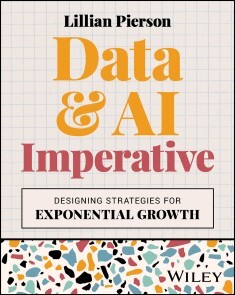
Data & AI Imperative
UNLOCK PREDICTABLE BOTTOM LINE GROWTH THROUGH TAILORED DATA AND AI STRATEGIES.In The Data & AI Imperative: Designing Strategies for Exponential Growth, celebrated data-driven growth leader, Lillian Pierson, delivers a masterclass in developing custom strategies to harness the full potential of data and AI within your organization. This book offers a clear, actionable roadmap for leveraging your company's data and technology assets to drive significant, reliable growth. With over two decades of experience, Pierson unveils her proprietary STAR framework through which you'll learn to survey, take stock of, and assess your company's current state. Finally, you'll be guided on how to recommend strategies that drive growth via the execution of optimally positioned data- and AI- intensive projects or products that directly improve your business bottom line. From conception to execution, learn to:* Identify high-impact opportunities for data or AI interventions within your business.* Assess your organization's readiness and data literacy to ensure successful outcomes.* Implement practical, effective tactics for overseeing your data-intensive projects, from strategic plans to profitable realities.* Develop and deploy AI and data strategies that exceed your business goals.While ideal for executives, managers, and other leaders of data- or AI-intensive companies, The Data & AI Imperative is also invaluable to data and technical professionals who aspire to elevate their impact by turning technical expertise into strategic leadership success. LILLIAN PIERSON, P.E., is an industry-renowned data- and AI-driven growth strategist, advisor and fractional CMO for B2B technology companies. She’s also a licensed professional engineer who’s supported the expansion of 10% of the Fortune 100 whilst educating over 2 million learners on topics of data strategy, data science, AI, and growth marketing. Acknowledgments ixAbout the Author xiIntroduction xiiiPART I THE DATA & AI ADVANTAGE IN MODERN BUSINESS 1Chapter 1 Leveling the Playing Field with Data and AI 3Chapter 2 Introduction to Data Strategy 17Chapter 3 Types of Data-Intensive Use Cases Based on Business Objectives 32Chapter 4 Data- and AI-Driven Product-Led Growth 49Chapter 5 Amplifying Growth Marketing Outcomes with Data and AI 66Chapter 6 Validating Product-Market Fit for Commercial Data and AI Products and Services 83PART II THE DATA & AI TRIFECTA: ETHICAL CONSIDERATIONS, DEPLOYMENT TACTICS, AND COMPETITIVE ANALYSIS 105Chapter 7 Complying with Regulatory and Ethical Standards 107Chapter 8 Practical Tactics for Successful AI Deployments 121PART III THE TECHNICAL FOUNDATION FOR GROWTH 139Chapter 9 Surveying Your Industry and Organization 141Chapter 10 Perform a Technical Assessment 160Chapter 11 Stakeholder Engagement and Data Literacy 176Chapter 12 Assessing Your Current State Organization 193Chapter 13 Assessing Your Current State AI Ethics and Data Privacy 215PART IV FORMULATING AND IMPLEMENTING AN AI STRATEGY 235Chapter 14 Selecting and Scoping a Winning Use Case 237Chapter 15 Evaluating All Relevant Resources 249Chapter 16 Data Strategy Recommendations for Reaching Future State Goals 277Chapter 17 Finalizing Your Strategic Plan 299Index 320
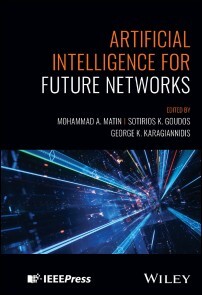
Artificial Intelligence for Future Networks
AN EXPLORATION OF CONNECTED INTELLIGENT EDGE, ARTIFICIAL INTELLIGENCE, AND MACHINE LEARNING FOR B5G/6G ARCHITECTUREArtificial Intelligence for Future Networks illuminates how artificial intelligence (AI) and machine learning (ML) influence the general architecture and improve the usability of future networks like B5G and 6G through increased system capacity, low latency, high reliability, greater spectrum efficiency, and support of massive internet of things (mIoT). The book reviews network design and management, offering an in-depth treatment of AI oriented future networks infrastructure. Providing up-to-date materials for AI empowered resource management and extensive discussion on energy-efficient communications, this book incorporates a thorough analysis of the recent advancement and potential applications of ML and AI in future networks. Each chapter is written by an expert at the forefront of AI and ML research, highlighting current design and engineering practices and emphasizing challenging issues related to future wireless applications. Some of the topics include:* Signal processing and detection, covering preprocess and level signals, transform signals and extract features, and training and deploying AI models and systems* Channel estimation and prediction, covering channel characteristics, modeling, and classic learning-aided and AI-aided estimation techniques* Resource allocation, covering resource allocation optimization and efficient power consumption for different computing paradigms such as Cloud, Edge, Fog, IoT, and MEC* Antenna design using AI, covering basics of antennas, EM simulator/optimization algorithms, and surrogate modelingIdentifying technical roadblocks and sharing cutting-edge research on developing methodologies, Artificial Intelligence for Future Networks is an essential reference on the subject for professionals and researchers involved in the field of wireless communications and networks, along with graduate and PhD students in electrical and computer engineering programs of study. MOHAMMAD A. MATIN is a Professor and Chairman in the Department of Electrical and Computer Engineering at North South University, Dhaka, Bangladesh. SOTIRIOS K. GOUDOS is a Professor in the Department of Physics at the Aristotle University of Thessaloniki, Greece and the Director of the ELEDIA@AUTH lab member of the ELEDIA Research Center Network. GEORGE K. KARAGIANNIDIS is a Professor in the Department of Electrical and Computer Engineering of Aristotle University of Thessaloniki, Greece, and the Head of the Wireless Communications and Information Processing (WCIP) Group. About the Editors xvList of Contributors xviiAcknowledgments xxi1 INTELLIGENT BEAM PREDICTION AND TRACKING 1Christos Masouros, Jianjun Zhang, and Yongming Huang1.1 Introduction 11.2 Challenge of Beam Prediction Modeling in Wireless Communications 51.3 Prior Identification – Perspective of Function Space 71.3.1 Perspective of Function Space 81.3.2 Useful Priors for Beam Process Modeling 91.3.2.1 High-speed Train Communication 91.3.2.2 Indoor Environment 91.3.2.3 City Street Environment 91.4 Methodology from Stochastic Process 121.5 Stochastic Continuity – Beam Index Difference 161.5.1 Beam Index Difference Technique 161.5.2 BPT Solution via Beam Index Difference 171.5.3 Theoretical Analysis for Beam Index Difference 211.6 Stochastic Smoothness – Hybrid Data-induced Kalman Filtering 251.6.1 Theoretical Foundation 261.6.2 Implicit Dynamics Learning via Multitask Learning 281.6.3 SDE Representation and Efficient Inference 311.7 Beam Width Optimization 331.7.1 Stochastic Continuity – Locality Principle of Beam Change and Data Transmission with Multiresolution Beam 331.7.2 Stochastic Smoothness – Low-frequency Sounding via BWO and Long-term Prediction 351.8 Numerical Results 361.8.1 Simulation Results for Stochastic Continuity 371.8.2 Simulation Results for Stochastic Smoothness 391.9 Conclusion 45References 462 SIGNAL DETECTION WITH MACHINE LEARNING 51Jayakrishnan Vijayamohanan, Arjun Gupta, Manel Martínez-Ramón, and Christos Christodoulou2.1 Introduction 512.2 Symbol Detection 522.2.1 The Viterbi Algorithm 522.2.2 Channel Equalization Through Machine Learning 542.2.3 Machine Learning Implementations of the Viterbi Algorithm 572.3 Modulation Detection 602.3.1 Signal Model 612.3.2 Feature Selection 622.3.3 Maximum Likelihood Estimation 642.3.4 Neural Modulation Detection 642.3.4.1 Convolutional Neural Network 652.3.4.2 CNN Modulation Detection 672.4 Source Detection 742.4.1 Array Signal Model 742.4.2 Conventional Source Detection 772.4.3 Neural Source Detection 792.4.3.1 CNN Detector 802.4.3.2 RadioNet 822.5 Conclusion 84References 853 AI-AIDED CHANNEL PREDICTION 93Oscar Stenhammar, Gábor Fodor, and Carlo FischioneAcronyms 933.1 Introduction 943.1.1 Channel Aging 943.1.2 Channel Estimation 963.1.3 Channel Prediction 963.2 Preliminaries 983.2.1 Multilayer Perceptron 983.2.2 Convolutional Neural Network 1003.2.3 Recurrent Neural Network 1013.2.3.1 Long Short-Term Memory 1013.2.3.2 Gated Recurrent Units 1033.2.4 Transformer 1033.3 Previous Work 1053.3.1 Previous Work in Channel Estimation 1053.3.2 Conventional Channel Prediction 1073.3.3 Previous Work in AI-Aided Channel Prediction 1093.4 Experimental Evaluations 1133.4.1 Simulation Setup 1133.4.2 Neural Network Setup 1153.4.3 Experimental Results 1183.5 Discussion 1213.6 Summary 123References 1244 SEMANTIC COMMUNICATIONS 131Qiyang Zhao, Hang Zou, Mehdi Bennis, and Merouane Debbah4.1 Introduction 1314.2 Semantic Information and Semantic-Native Communication 1344.2.1 Semantic Information Theory 1344.2.2 Semantic-Native Communication 1374.3 Interplay of AI and Semantic Communication 1404.3.1 AI for Semantic Communication 1404.3.2 Semantic-Native Collective Intelligence 1434.4 Conclusion 145References 1465 FEDERATED LEARNING FOR WIRELESS COMMUNICATIONS 151Ahmet M. Elbir and Wei Shi5.1 Introduction 1515.2 Channel Models 1555.2.1 mmWave Channel Model 1555.2.2 THz Channel Model 1575.2.2.1 Near-Field Array Model 1585.2.2.2 Near-Field Beam Squint 1605.3 Federated Learning for Channel Estimation 1625.3.1 Training Data Collection 1625.3.2 FL-Based Model Training 1635.3.3 FL for mmWave Channel Estimation in Massive MIMO 1655.3.4 FL for mmWave Channel Estimation in RIS-Assisted Massive Mimo 1695.3.5 FL for THz Channel Estimation 1725.4 FL For Hybrid Beamforming 1765.5 Conclusions 178Acknowledgment 179References 1796 FEDERATED LEARNING IN MESH NETWORKS 185Xu Wang, Yuanzhu Chen, and Octavia A. Dobre6.1 Introduction 1856.1.1 Federated Learning 1856.1.2 Mesh Networks 1866.1.3 The Convergence: Federated Learning on Mesh Networks 1876.2 Decentralized Federated Learning 1886.2.1 Traditional Federated Learning versus Decentralized Federated Learning 1896.2.2 Core Principles of Decentralized Federated Learning 1916.2.3 Advantages of Decentralization in Federated Learning 1916.2.4 Architecture Variants for Decentralized Federated Learning 1926.2.5 Challenges of Decentralization in Federated Learning 1926.3 Mesh Networks 1926.3.1 Why Mesh Networks 1936.3.2 Fundamental Concepts and Terminologies 1936.3.3 Topological Structures 1936.3.4 Advantages of Mesh Networks 1946.3.5 Challenges and Limitations 1956.3.6 Integration with Federated Learning 1956.4 The Intersection: Decentralized Federated Learning over Mesh Networks 1966.4.1 Natural Synergy Between Federated Learning and Mesh Networks 1966.4.2 Potential Benefits of the Convergence 1966.4.3 Enabling Technologies 1986.4.4 Challenges at the Intersection 1986.4.4.1 Communication Overhead 1986.4.4.2 Data Heterogeneity and Non-IID Data 1996.4.4.3 Model Aggregation in Decentralized Networks 1996.4.4.4 Network Latency and Asynchrony 1996.4.4.5 Security and Privacy Concerns 1996.4.4.6 Scalability Concerns 2006.4.4.7 Fault Tolerance and Robustness 2006.4.4.8 Resource Constraints 2006.5 Solutions 2006.5.1 Communication Overhead 2006.5.2 Data Heterogeneity and Non-IID Data 2016.5.3 Model Aggregation in Decentralized Networks 2016.5.4 Latency and Asynchrony 2026.5.5 Security and Privacy Concerns 2026.5.6 Scalability Concerns 2026.5.7 Fault Tolerance and Robustness 2036.5.8 Resource Constraints 2036.6 State-of-the-Art and Noteworthy Implementations 2046.6.1 Decentralized Federated Learning Techniques 2046.6.1.1 Network Topology 2046.6.1.2 Communication Protocols 2046.6.1.3 Privacy Enhancements 2056.6.2 Advances in Mesh Networking Technologies 2056.6.2.1 Low-Latency Protocols 2056.6.2.2 Scalable Architectures 2066.6.2.3 Security Enhancements 2066.6.3 Decentralized Federated Learning on Mesh Networks: Integrated Approaches 2066.6.4 Toolkits and Platforms 2076.6.5 Benchmarks and Evaluation 2086.7 Future Directions and Open Research Challenges 2096.7.1 Advanced Algorithms 2096.7.2 Enhanced Security Mechanisms 2096.7.3 Network Optimization 2106.7.4 Interoperability and Standardization 2106.7.5 Energy Efficiency and Sustainability 2116.7.6 User-Centric Approaches 2116.7.7 Real-time Decentralized Federated Learning 2126.7.8 Codesigning Hardware and Software 2126.7.9 Ethical and Regulatory Considerations 2136.7.10 Interdisciplinary Research 2136.8 Concluding Remarks 213References 2147 ANTENNA DESIGN USING ARTIFICIAL INTELLIGENCE 227Sotirios K. Goudos, Mohammad A. Matin, and George K. Karagiannidis7.1 Introduction 2277.2 Evolutionary Algorithms 2297.2.1 Mainstream Algorithms 2297.2.1.1 Genetic Algorithms 2297.2.1.2 Particle Swarm Optimization 2307.2.1.3 Differential Evolution 2317.2.1.4 Ant Colony Optimization 2327.2.2 Emerging Algorithms 2357.2.2.1 Biogeography-Based Optimization 2357.2.2.2 Grey Wolf Optimizer 2357.2.2.3 Wind-Driven Optimization 2357.2.2.4 Salp Swarm Algorithm 2357.2.2.5 Artificial Bee Colony (ABC) 2367.2.2.6 Harmony Search (HS) 2367.2.2.7 Shuffled Frog-Leaping Algorithm 2377.2.3 Antenna Optimization Using Evolutionary Algorithms 2377.2.3.1 Problem Formulation 2377.2.3.2 Numerical Results 2397.3 Machine Learning 2447.3.1 Artificial Neural Networks (ANNs) 2447.3.2 Support Vector Machines 2447.3.3 Gaussian Process (GP) 2457.3.4 Deep Learning (DL) 2457.3.5 ANFIS 2457.3.6 Surrogate Modeling 2467.3.6.1 Surrogate Modeling Example 2487.4 Knowledge Representation 2527.5 Conclusion 253References 2538 AI-DRIVEN APPROACHES FOR SOLVING ELECTROMAGNETIC INVERSE PROBLEMS 257Marco Salucci, Maokun Li, and Andrea Massa8.1 Introduction 2578.2 Mathematical Formulation 2588.3 AI-Based EM–IP Solution Strategies 2628.3.1 3-Step Learning-by-Examples (LBE) Framework 2638.3.2 System-by-Design (SbD) Framework 2678.3.3 Deep Learning (DL) Framework 2698.4 Applications 2718.4.1 Microwave Imaging of Free-Space and Buried Objects 2718.4.2 Biomedical Imaging 2728.4.3 Non-destructive Testing and Evaluation (NDT/NDE) 2748.4.4 Wireless Detection, Localization, and Tracking of Targets 2758.5 Conclusions 276Acknowledgments 276References 2779 RA-BASED RIS-1 DESIGN USING SUPPORT VECTOR MACHINES TO ENHANCE MMWAVE 5G COVERAGE 283Álvaro F.Vaquero, Eduardo Martinez-de-Rioja, Jesús A. López-Fernández, and Manuel Arrebola9.1 Introduction 2839.1.1 RA-Based Reflective Intelligent Surface 2859.1.2 Considerations of RA-Based RIS Design 2879.2 RIS-1 Unit-Cell Characterization Using SVR 2899.2.1 Passive Unit Cell for RIS-1 Design 2899.2.2 SVR-Based Models of RA Unit Cells 2919.2.2.1 SVM Theoretical Background 2939.2.2.2 Model Selection, Expected Accuracy, and Training 2979.2.2.3 Efficient Grid Search 2999.3 RIS-1: Analysis and Optimization 3029.3.1 Radiated Field by a RIS 3049.3.1.1 Electric Field on the RIS Aperture 3049.3.1.2 Radiated Field of an RIS 3079.3.2 Intersection Approach Framework 3119.3.3 Generalized Intersection Approach 3159.4 SVR-Based Design of RIS-1 to Enhance 5G mmWave NF Coverage 3179.4.1 Definition of Scenario and Single-Layer Unit Cell 3179.4.2 Unit-Cell Modeling Based on SVR 3209.4.2.1 Discussion on the Number of Training Patterns, Time Cost and Achieved Precision 3219.4.2.2 Reflection Coefficients 3239.4.3 RIS-1 Designed Based on Intersection Approach Framework 3259.4.4 RIS-1 Design Process 3299.5 Conclusions and Road Map 332References 33410 AI AT THE PHYSICAL LAYER FOR WIRELESS NETWORK SECURITY AND PRIVACY 341Aly S. Abdalla, Bo Tang, and Vuk Marojevic10.1 Introduction 34110.2 Network Security and Privacy Threats and Vulnerabilities 34210.2.1 Security Threats 34210.2.2 Identifying and Assessing Network Security and Privacy Threats 34310.2.3 Exploiting Vulnerabilities: Techniques and Attack Vectors 34410.3 Fundamentals of AI for Network Security and Privacy 34610.3.1 Supervised Learning 34710.3.2 Unsupervised Learning 34910.3.3 Reinforcement Learning 35010.3.4 Generative Adversarial Networks 35110.3.5 Federated Learning 35210.3.6 Ensemble Learning 35310.4 AI-Driven Physical Layer Security Solutions 35510.4.1 Intelligent Beamforming 35610.4.2 AI-Based Radio Frequency Fingerprinting Techniques 35710.4.3 AI-Assisted Power Control 35810.5 Case Study: UAV-Assisted PLS for Terrestrial Wireless Communications Networks 35910.6 Practical Considerations and Challenges of Implementing AI-Based Security Solutions 36610.6.1 Scalability and Performance Optimization of AI Models 36610.6.2 Privacy Considerations of AI-Enhanced Wireless Network Security 36710.7 Conclusions and Outlook 369References 370Index 381

Erstellung hochwertiger Shader für Unity®
Shader gelten oft als mystisch und schwer zu entwickeln, selbst für erfahrene Programmierer, Künstler und Entwickler aus anderen Bereichen des Spieldesigns. Dieses Buch räumt mit dieser Vorstellung auf, indem es Ihr Wissen über in Stufen aufbaut. Es beginnt mit grundlegenden Shader-Mathematiken, erklärt, wie sich die Denkweise der Shader-Entwicklung von anderen Arten von Kunst und Programmierung unterscheidet, und geht dann langsam auf Themen wie Vertex- und Fragment-Shader, Beleuchtung, Tiefenbasierte Effekte, Texture Mapping und Shader Graph ein.Jedes dieser Themen wird mit einer umfassenden Aufschlüsselung, der benötigten Theorie und einigen praktischen Anwendungen für die im jeweiligen Kapitel gelernten Techniken präsentiert. Der HLSL (High Level Shading Language)-Code und Shader Graphs werden für jeden relevanten Abschnitt bereitgestellt, ebenso wie zahlreiche Screenshots.Am Ende des Buches werden Sie ein gutes Verständnis für den Shader-Entwicklungsprozess haben und bestens gerüstet sein, um Ihre eigenen ästhetischen und leistungsstarken Shader-Effekte für Ihre Spiele zu erstellen!WAS SIE IN DIESEM BUCH LERNEN Shaders in den Rendering-Pipelines von Unity zu verwenden Shader zu schreiben und ihr Verhalten mit C#-Skripting zu ändern Shader Graph für eine Entwicklung ohne Code zu nutzen Die wichtige Mathematik hinter Shadern zu verstehen, insbesondere Raumtransformationen Die Leistung von Shadern zu analysieren, um Optimierungspotenziale zu identifizieren ZUM INHALT Kapitel 1: Einführung in Shader in Unity. Kapitel 2: Mathematik für die Shader-Entwicklung. Kapitel 3: Ihr allererster Shader. Kapitel 4: Shader-Grafik. Kapitel 5: Texturen, UV-Koordinaten & Normal Mapping. Kapitel 6: Transparenz. Kapitel 7: Der Tiefenpuffer. Kapitel 8: Transparenz und Alpha. Kapitel 9: Weitere Shader-Grundlagen. Kapitel 10: Beleuchtung und Schatten. Kapitel 11: Bildeffekte und Nachbearbeitung. Kapitel 12: Erweiterte Shader. Kapitel 13: Profiling und Optimierung. Kapitel 14: Shader-Rezepte für Ihre Spiele. ZIELGRUPPENDieses Buch richtet sich an Anfänger in der Shader-Entwicklung oder Leser, die den Schritt von Shader-Code zum Shader Graph machen möchten. Es enthält auch einen Abschnitt über Shader-Beispiele für diejenigen, die bereits die Grundlagen von Shadern kennen und nach spezifischen Anwendungsfällen suchen.DANIEL ILETT ist Doktorand an der University of Warwick. Als leidenschaftlicher Spieleentwickler hat er sich auf Shader und technische Kunst spezialisiert. Er ist Autor verschiedener Lehr- und Tutorial-Inhalte, darunter Videos und schriftliche Arbeiten, die sich an Anfänger und fortgeschrittene Entwickler richten. Darüber hinaus arbeitet er freiberuflich an Shadern und visuellen Effekten für Spiele.

Private Intelligence Services
Die Einführung des Buches legt den Grundstein für die nachfolgenden Kapitel, indem sie die Definitionen und Grundlagen der Wirtschaftskriminalität klärt und ein solides Verständnis für die Dimensionen und die Tragweite dieser Herausforderung schafft. Sie legt dar, wie Wirtschaftskriminalität nicht nur finanzielle Verluste verursacht, sondern auch das Vertrauen in Märkte und Institutionen untergräbt, was weitreichende soziale und wirtschaftliche Konsequenzen nach sich zieht.Im ersten Kapitel wird die Zusammenarbeit zwischen privaten Intelligence-Unternehmen und staatlichen Behörden beleuchtet. Es werden Fallstudien und Beispiele präsentiert, die demonstrieren, wie eine erfolgreiche Partnerschaft aussehen kann, und welche Herausforderungen und Spannungsfelder dabei auftreten können. Das Kapitel unterstreicht die Bedeutung von Vertrauen, Transparenz und gegenseitigem Respekt für den Erfolg dieser Kooperationen.Das zweite Kapitel widmet sich den spezifischen Herausforderungen und Anforderungen, die verschiedene Branchen und Sektoren an private Intelligence-Unternehmen stellen. Es wird detailliert aufgezeigt, wie unterschiedlich die Bedürfnisse von Unternehmen, je nach Größe, Branche und geografischer Lage sein können, und wie maßgeschneiderte Lösungen aussehen können. Es wird deutlich, dass eine tiefgehende Branchenkenntnis und Spezialisierung essentiell sind, um effektive Dienstleistungen zu bieten.Das dritte Kapitel ist in mehrere Unterkapitel gegliedert und deckt ein breites Spektrum an Themen ab, darunter die besonderen Anforderungen bestimmter Zielgruppen, Methoden und Techniken zur Sicherung von Vermögenswerten und Informationen, sowie praxisnahe Fallbeispiele und Best Practices. Hier wird auch aufgezeigt, wie Unternehmen wie Foreus als Dienstleister in der Praxis agieren und welche Rolle sie im Gesamtkontext spielen.Das vierte Kapitel setzt sich mit den rechtlichen und ethischen Aspekten von Private Intelligence auseinander. Es werden aktuelle Gesetzgebungen und Rechtsprechungen diskutiert, ethische Dilemmata beleuchtet und klare Empfehlungen und Richtlinien für verantwortungsvolles Handeln präsentiert.Das fünfte Kapitel blickt in die Zukunft und versucht eine Prognose über die nächsten 10 Jahre im Bereich Private Intelligence und Wirtschaftskriminalität abzugeben. Es werden technologische Entwicklungen, Ausbildungs- und Weiterbildungsmöglichkeiten sowie potentielle Herausforderungen und Chancen diskutiert.Das abschließende sechste Kapitel fasst die zentralen Erkenntnisse zusammen, bietet konkrete Handlungsempfehlungen für verschiedene Fachleute und endet mit abschließenden Gedanken und einem Ausblick in die Zukunft.STEFAN EMBACHER blickt auf eine 13-jährige intensive Laufbahn im Sicherheitssektor zurück. Seine Erfahrungen reichen von der Zusammenarbeit mit Rechtsanwaltskanzleien, Staatsanwaltschaften bis hin zu internationalen Behörden. Nach mehreren Jahren beim österreichischen Bundesheer trat er eine Tätigkeit bei einem des geheimnisvollsten Unternehmens der Welt in den USA an.Einleitung.- Private Intelligence für Rechtsanwälte und Steuerberater.- Private Intelligence für Wirtschaftsprüfer, Detektive und Lobbyisten.- Private Intelligence in Privatbanken und Family Offices.- Rechtliche und ethische Aspekte von Private Intelligence.- Zukunft von Private Intelligence im Kampf gegen Wirtschaftskriminalität.- Schlusswort und Handlungsempfehlungen.

Ökonomische Nachhaltigkeit - Interdisziplinäre Perspektiven
Dieses Buch bietet als Band 4 einer zunächst vier Bände umfassenden Reihe grundlegende Informationen zum Thema „Ökonomische Nachhaltigkeit“. Die weiteren Bände der Reihe sind Band 1 (Allgemeine Grundlagen), Band 2 (Ökologie) und Band 3 (Soziales). Band 4 erläutert nach einer Darstellung der Grundlagen der Wirtschaft folgende Themenbereiche: Wirtschaftssystem, Finanzierung, Infrastruktur, Produktion und Konsum, Handel sowie Arbeit. In jedem dieser Kapitel werden zunächst die wesentlichen Fakten dargestellt und darauf aufbauend die Herausforderungen und aktuellen Entwicklungen erörtert. Das Kapitel „Wirtschaftssystem“ behandelt unter anderem die Themen Postwachstumsökonomie und Gemeinwohl-Ökonomie, Unterschiede im Wohlstand in verschiedenen Ländern sowie die Grenzen des Wirtschaftswachstums. Im Kapitel „Finanzierung“ geht es beispielsweise um Besteuerung, Entwicklungshilfe und Auslandsverschuldung. Das Kapitel „Infrastruktur“ behandelt nach einer Erläuterung der Bedeutung wirtschaftlicher Infrastruktur exemplarisch die Themen Infrastrukturdefizite und nachhaltige Innovationen. Wandel des Konsumverhaltens, Ressourcenknappheit, Megatrends im Handel, globaler Handel, Zukunft der Arbeit sowie informeller Arbeitssektor sind ausgewählte Stichworte in den Kapiteln „Produktion und Konsum“, „Handel“ sowie „Arbeit“. Das Buch unterstützt Führungskräfte, Spezialisten in Unternehmen und Politik sowie Studierende dabei, die vielfältigen Herausforderungen der ökonomischen Nachhaltigkeit besser zu verstehen. Neben Ökonomen werden auch Informatiker, Juristen und andere Berufsgruppen angesprochen, die über ihre Fachperspektive hinaus ein umfassendes Verständnis von ökonomischer Nachhaltigkeit erwerben möchten. Prof. Dr. Michael Jacob lehrt und forscht im Fachbereich Betriebswirtschaft der Hochschule Kaiserslautern. Nach einer Bankausbildung und einem Studium der Betriebswirtschaftslehre war er unter anderem als Mitglied der Geschäftsführung bei PricewaterhouseCoopers Consulting S.à r.l. Luxembourg und als wissenschaftlicher Leiter am Institut für Betriebswirtschaft und Wirtschaftsinformatik tätig. Als Autor von bisher sieben Fachbüchern und vielen anderen Veröffentlichungen versucht er, die Theorie mit seinen umfangreichen Praxiserfahrungen zu verknüpfen und Themen fachübergreifend zu vernetzen.Grundlagen der ökonomischen Dimension.- Wirtschaftssystem.- Finanzierung.- Infrastruktur.- Produktion und Konsum.- Handel.- Arbeit.- Gesamtbetrachtung.

Azure-Sicherheitshandbuch
Wussten Sie, dass die häufigsten Cloud-Sicherheitsbedrohungen auf Fehlkonfigurationen von Cloud-Diensten und nicht auf Angriffe von außen zurückzuführen sind? Wenn Sie das nicht wussten, sind Sie nicht allein. In der lokalen Welt waren die Cybersicherheitsrisiken auf das Netzwerk des Unternehmens beschränkt, aber im Zeitalter des Cloud Computing sind sowohl die Auswirkungen als auch die Wahrscheinlichkeit potenzieller Risiken deutlich höher. Mit dem Aufkommen der DevOps-Methodik liegt die Verantwortung für die Sicherheit nun bei allen, die am Lebenszyklus der Anwendungsentwicklung beteiligt sind, und nicht nur bei den Sicherheitsspezialisten. Durch die Anwendung der klaren und pragmatischen Empfehlungen in diesem Buch können Sie die Sicherheitsrisiken von Cloud-Anwendungen in Ihrem Unternehmen reduzieren.Dies ist das Buch, das jeder Azure-Lösungsarchitekt, Entwickler und IT-Fachmann zur Hand haben sollte, wenn er mit dem Lernen über Azure-Sicherheit beginnt. Es entmystifiziert die Vielzahl von Sicherheitskontrollen und bietet zahlreiche Richtlinien für Azure, wodurch stundenlange Lernmüdigkeit und Verwirrung vermieden werden. Im Laufe des Buches lernen Sie, wie Sie Ihre Anwendungen mit den nativen Sicherheitskontrollen von Azure schützen können. Nach der Lektüre dieses Buches wissen Sie, welche Sicherheitsleitplanken zur Verfügung stehen, wie effektiv sie sind und wie hoch die Kosten für ihre Implementierung sein werden. Die Szenarien in diesem Buch sind real und stammen aus der Sicherung von Unternehmensanwendungen und Infrastrukturen, die auf Azure laufen.WAS SIE LERNEN WERDEN* Behebung der Sicherheitsrisiken von Azure-Anwendungen durch Implementierung der richtigen Sicherheitskontrollen zur richtigen Zeit* Erreichen Sie ein Sicherheitsniveau und bleiben Sie in Ihrer Azure-Umgebung sicher, indem Sie Leitplanken zur Automatisierung sicherer Konfigurationen festlegen.* Schutz der gängigsten Referenz-Workloads gemäß bewährter Sicherheitsverfahren* Entwerfen Sie sichere Zugangskontrolllösungen für Ihren administrativen Azure-Zugang sowie für den Zugang zu Azure-AnwendungenFÜR WEN DIESES BUCH BESTIMMT ISTCloud-Sicherheitsarchitekten, Cloud-Anwendungsentwickler und Cloud-Lösungsarchitekten, die mit Azure arbeiten. Es ist auch eine wertvolle Ressource für IT-Experten, die für die Sicherung von Azure-Workloads im Unternehmen verantwortlich sind.KARL OTS ist ein führender Cloud- und Cybersicherheitsexperte mit mehr als einem Jahrzehnt Erfahrung im Bereich Microsoft Azure-Sicherheit. Er hat mit großen Unternehmen in Bereichen wie Technologie, Fertigung und Finanzen zusammengearbeitet. Karl Ots ist ein anerkannter Microsoft Regional Director, ein patentierter Erfinder, ein LinkedIn Learning-Dozent und ein Microsoft Azure MVP. Er besitzt die Zertifizierungen Azure Security Engineer, SABSA Foundation SCF und CISSP. Karl ist ein häufiger Redner zu Cloud-Sicherheitsthemen auf globalen Konferenzen wie Microsoft Ignite oder (ISC)2 Security Congress. Er ist Gastgeber des Cloud Gossip-Podcasts.Kapitel 1. Einführung in die Cloud-Sicherheitsarchitektur - Kapitel 2. Identitäts- und Zugriffsmanagement . - Kapitel 3. Protokollierung und Überwachung - Kapitel 4. Netzwerksicherheit.- Kapitel 5. Workload-Schutz- Daten.- Kapitel 6. Workload-Schutz- Platform-as-a-Service.- Kapitel 7. Workload-Schutz - Container - Kapitel 8. Workload-Schutz - IaaS.

Generative AI For Executives
In the fast-evolving digital landscape, understanding the potential of generative AI is a strategic advantage. This book can serve as an easy to read introduction to the topic of the transformative power of AI in content creation, customer engagement, and operational efficiency. By deciphering complex AI concepts into practical insights, we empower decision-makers to envision innovative strategies, foster cross-industry collaborations, and navigate ethical considerations. The book will help executives and business decision makers to harness the immense potential of generative AI responsibly, ensuring data integrity and compliance while fostering a competitive edge.The book is focused on (1) Explaining in jargon-free language what Generative AI, and AI in general, (2) What problems they solve, and (3) What technologies make them possible.WHAT YOU WILL LEARNHow generative AI models are built, how they generate new data or content, and the underlying algorithms powering these processesVarious practical applications of generative AI in business contextsThe challenges that could arise during the integration of generative AI into business processesWHO THIS BOOK IS FORThis book is meant to be bought and read by busy executives and business leadersAHMED BOUZID is Founder and CEO of Witlingo, a McLean, Virginia, based startup that builds products and solutions to help brands establish and grow their Voice and Social Audio presence. Prior to Witlingo, Dr. Bouzid was Head of Alexa’s Smart Home Product at Amazon and VP of Product and Innovation at Genesys. Dr. Bouzid is an Ambassador at the Open Voice Network and heads their Social Audio Community. Dr. Bouzid holds 12 patents in the Speech Recognition and Natural Language Processing field, and was recognized as a “Speech Luminary” by Speech Technology Magazine.PAOLO NARCISO is head of Product and Program Development at AARP Foundation, a Washington, DC based national non-profit. In his role, he develops and deploys solutions that build financial stability and social connections. He holds a Doctorate in Education from Creighton University and sits on multiple technology boards, advising on the use of blockchain in healthcare and to secure property rights for marginalized populations.WEIYE MA: Dr. Weiye Ma obtained her PhD in Speech Processing and Recognition from Katholieke Universiteit Leuven (Belgium) in 1999, and has been practicing professionally in the Speech Recognition field since 1994. She has held several technical leadership roles in Unisys, Schneider Electric, Convergys, and is now Lead Speech Scientist at the MITRE Corporation, in charge of building Speech systems for the Federal Aviation Agency.Chapter 1: Unraveling the Basics of Generative AI.- Chapter 2: Exploring the Transformative Potential of Generative AI.- Chapter 3: Revolutionizing Content: Generative AI in Marketing and Advertising.- Chapter 4: Elevating Customer Interactions with Generative AI.- Chapter 5: Streamlining Operations through Generative AI.- Chapter 6: Pioneering Products with Generative AI.- Chapter 7: Charting the Course: Strategies for Successful Generative AI Implementation.- Chapter 8: Navigating Risks and Legalities of Generative AI.- Chapter 9: Quantifying Success: Evaluating the ROI of Generative AI Initiatives.- Chapter 10: Looking Ahead: Preparing for the Future of Generative AI.
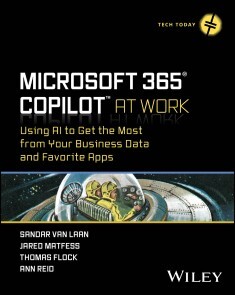
Microsoft 365 Copilot At Work
LEARN TO LEVERAGE MICROSOFT'S NEW AI TOOL, COPILOT, FOR ENHANCED PRODUCTIVITY AT WORKIn Microsoft 365 Copilot At Work: Using AI to Get the Most from Your Business Data and Favorite Apps, a team of software and AI experts delivers a comprehensive guide to unlocking the full potential of Microsoft's groundbreaking AI tool, Copilot. Written for people new to AI, as well as experienced users, this book provides a hands-on roadmap for integrating Copilot into your daily workflow. You'll find the knowledge and strategies you need to maximize your team's productivity and drive success. The authors offer you a unique opportunity to gain a deep understanding of AI fundamentals, including machine learning, large language models, and generative AI versus summative AI. You'll also discover:* How Copilot utilizes AI technologies to provide real-time intelligent assistance and revolutionize the way you work with Microsoft 365 apps* Practical Implementation Strategies for project and change management, as well as practical guidance on rolling out Copilot within your organization* Specific use cases, including Outlook, Teams, Excel, PowerPoint, and OneNote, and how Copilot can streamline tasks and boost efficiency across various Microsoft applicationsTake your Copilot proficiency to the next level with advanced AI concepts, usage monitoring, and custom development techniques. Delve into Microsoft Framework Accelerator, Copilot plugins, semantic kernels, and custom plugin development, empowering you to tailor Copilot to your organization's unique needs and workflows. Get ready to revolutionize your productivity with Microsoft 365 Copilot! SANDAR VAN LAAN is a Senior Principal at Slalom within the Microsoft Modern Work and AI space, leading Copilot rollouts across multiple clients and demonstrating a deep understanding of AI and its practical applications in the enterprise environment. His strategic approach has been instrumental in guiding organizations through the adoption process, ensuring seamless integration and maximizing the benefits of AI technologies. JARED MATFESS serves as an AI Architect at AvePoint, bringing more than two decades of experience within the Microsoft ecosystem to his role. He has been honored with the Microsoft MVP award six times for the Office App & Services category and is actively engaged in sharing his expertise at various community events. Jared’s primary ambition is to assist organizations in their transformation by leveraging advanced technologies like AI. THOMAS FLOCK is a senior consultant at Slalom and specializes in data integrating using AI. His father was a senior engineer for MCI starting in 1983 when he was born, so Thomas has been around computers all his life. Thomas grew up in the Fairfax Virginia area and his first job was for Network Access Solutions in Herndon as a TCP/IP tester. ANN REID is a keen early adopter and experienced M365 Copilot implementation consultant with Slalom. With over 20 years of IT experience, she recognizes the transformative impact of M365 Copilot on organizations as well as challenges it presents. She shares some practical knowledge and strategies for building robust information protection capabilities and demystifies the process of prompt engineering for M365 Copilot. Introduction xxiPART I UNDERSTANDING AND USING COPILOT 1CHAPTER 1 INTRODUCTION TO ARTIFICIAL INTELLIGENCE 3The Importance of AI 4Foundations of AI 5Real-World Applications of AI 6Impact of AI on Various Industries 7Healthcare Industry 7Manufacturing Industry 8Finance Industry 9Case Studies of Successful AI Implementations 10Ethical Considerations 12Responsible Use of AI 13Future Ethical Considerations 14AI and Society 15Public Perception and Acceptance of AI 16The Future of AI 16Potential Advancements and Breakthroughs 16Preparing for an AI-driven Future 17Conclusion 18CHAPTER 2 INTRODUCTION TO MICROSOFT 365 COPILOT 19Microsoft 365 Copilot—Your Personal AI Assistant 19Differences from Other Chat-based AI Personal Assistants 21Fitting Microsoft 365 Copilot into a Day-to-day Routine 21Prompt Generation 24Fact-Checking 24Microsoft 365 Copilot Versus Clippy 24The Security of Microsoft 365 Copilot 25Conclusion 25CHAPTER 3 AN INTRODUCTION TO PROMPT ENGINEERING 27Introduction to Large Language Models 28Foundations of Prompt Engineering 29Concept of Prompt Engineering 29Three Prompt Mnemonics 30Refining Your Prompt 33Other Prompting Styles 34Prompt Validation Steps 36Copilot Lab 38Overview of Copilot Lab 38Bookmarking Your Favorite Prompts 40The Future of Prompt Engineering 40Conclusion 41CHAPTER 4 SECURITY/PURVIEW PLANNING IN PREPARATION FOR COPILOT 43Introduction to Information Protection 43Deploying M365 Copilot 44Building a Culture of Information Protection 44Identifying Weaknesses in Information Protection 45Conducting a Risk Assessment 46Review Your Security Foundations 48Zero Trust and Conditional Access 48Identity Access Management 49Dynamic Access Policies 50Data Classification and Sensitivity Labels 52Review Your Data Policies 53Data Loss Prevention Policies 54Data Retention Policy 54Data Encryption Policy 55Data Breach Policy 56Acceptable Use Policy 57Review Your Toolkit 58Microsoft Entra ID 59Microsoft Copilot Dashboard 60Public Web Content in M365 Copilot 61Microsoft Purview 62SharePoint Advanced Management 65AI-Powered Security Capability 66Get Your Pilot Started with These Initial Steps 67Conclusion 69CHAPTER 5 PLANNING YOUR MICROSOFT 365 COPILOT ROLLOUT 71Project Management 72Stakeholder Management 72The Project Team Pilot 73The “Equity” Risk 76The “Oversharing” Risk 77Technical Enablement 79Initial Provisioning Issues 80Governance 80Content Governance 81Copilot Acceptable Use Policy 82Microsoft 365 Copilot Operating Model Dependency 82Generative AI Steering Committee Best Practices 84Change Management 86The Power of Personas 88Building Your Change Champion Network 89Identifying Change Champions 89Mobilizing Change Champions 90Creating Onboarding Materials 90Copilot Lab 91Hosting Office Hours 92Success Measures 93Technical Extensibility 97Managing Microsoft 365 Copilot Extensibility Requests 97Building Your Copilot Center of Excellence 99Conclusion 100CHAPTER 6 MICROSOFT COPILOT BUSINESS CHAT 101Free Personal Versus Paid Corporate Versions 102Accessing the Free Version of Business Chat 102Accessing the Paid Version of Business Chat 104Working with Business Chat 108Pulling Data from the Internet 110Pulling Information from Internal Systems 112Copilot on Your Phone 113Privacy Concerns Using Business Chat 116Conclusion 117CHAPTER 7 MICROSOFT OUTLOOK 119Creating Communications with Microsoft 365 Copilot 120Drafting Your Prompt 120Tone and Length 121Refining Your Message 123Managing Escalations 124Microsoft 365 Copilot Coaching 124Summarizing Email Threads 125Email Summarization—Chat 127Calendar Information 129Conclusion 131CHAPTER 8 COPILOT IN MICROSOFT TEAMS 133Managing Project Communications 134Summarizing Chats and Channel Communications 134Creating Posts and Chats with Copilot 138Creating a post or chat with Copilot 138Tone and Length 141Copilot and Grammatical Issues 141Managing Project Meetings 141Using Copilot During a Live Meeting 142Using Copilot with a Past Meeting 143Copilot in Microsoft Teams Phone 144Data Privacy and Security 144Conclusion 146CHAPTER 9 COPILOT IN MICROSOFT EXCEL 147Getting Started with Copilot in Excel 147Identifying a Dataset 148Preparing Your Workbook 148Manipulating Excel Data 150Creating New Formulas 150Creating Charts 152Creating a PivotTable with Copilot 156Asking Questions About Your Data 157Copilot Suggested Prompts for Data Insights 159Additional Formatting 162Managing Sales Data with Copilot 165Conclusion 171CHAPTER 10 COPILOT IN MICROSOFT POWERPOINT 173Preparing Your PowerPoint Template for Copilot 174Initial Setup of an Organizational Assets Library 174PowerPoint Template Requirements 175Creating Your First PowerPoint Presentation with Copilot 176Improving the Prompt 177Improving the Content 179Generating New Content 182Navigating Microsoft PowerPoint with Copilot 184Creating a PowerPoint Presentation from a Microsoft Word Document 186Refining Your Presentation with Copilot 188Using Copilot to Get Feedback on a Presentation 189Using Copilot to Clarify a Presentation 190Using Copilot to Improve Engagement on a Presentation 191Conclusion 191CHAPTER 11 COPILOT IN MICROSOFT LOOP 193Loop Overview 193What’s in a Loop? 194Getting Started with Loop 195Loop Components within Teams 196Creating a Loop Workspace 197Inviting Others to Collaborate 198When to Use Loop 199Positioning Loop in Your Organization 200Use Cases for Loop 200Microsoft 365 Copilot in Loop 202Brainstorming with Copilot 204Unlocking Insights with Copilot 208Conclusion 210CHAPTER 12 TRANSFORMING TEXT WITH COPILOT IN MICROSOFT WORD 211Getting Started with Copilot in Word 212Using Reference Documents to Enhance Copilot Results 214Rewriting with Copilot 215Copilot’s Document Analysis Capability 218Conclusion 220PART II EXTENDING COPILOT 221CHAPTER 13 UNLOCKING REAL VALUE WITH COPILOT 223The Business Case for Copilot 223Executive Summary 225Background and Introduction 226Business Objectives 228Current Situation Analysis 229Solution Description 230Implementation Plan 231Cost-Benefit Analysis 231Evaluation and Measurement 233Presenting Your Business Case 234Measuring Business Value 234Copilot Adoption Dashboard Setup 234Accessing the Copilot Adoption Dashboard 235Copilot Adoption Dashboard “Advanced Features” 238Viva Pulse Surveys 238Mapping Business Processes: The Proposal Use Case 242Mapping Your RFP Response Process 243Aligning Tasks to Copilot Capabilities 243Building an Enterprise Prompt Library 244Reporting Your ROI 246Conclusion 248CHAPTER 14 INTRODUCTION TO MICROSOFT COPILOT STUDIO 249Who Should Use Copilot Studio? 250Customizing Existing Copilot vs. Creating a Stand-alone Copilot 250Getting Started with Microsoft Copilot Studio 252Navigating the Copilot Studio User Interface 252Building Your First Copilot 255Testing Your Copilot 259Publishing Your Copilot 260Creating a Copilot Plugin 264Testing Your Copilot Plugin 270Conclusion 272CHAPTER 15 CREATING A CUSTOM TEAMS COPILOT 273Extensibility Options 274Knowledge and Software Prerequisites 274An Understanding of the General Architecture of Plugins 275A Code Background 275A Microsoft Developer Account 276Node.js and npm 277Introduction to Node.js 277Installing Node.js 278Selecting the Correct Version of Node.js 279npm Configuration Tips 280Installing .NET 282A Configured Integrated Development Environment 283Installing and Setting Up VSCode IDE 284Downloading VSCode 284Essential Extensions for VSCode 285Customizing the IDE for Productivity 285Installing Azure AI Studio SDKs and Necessary Libraries 286Setting Up TypeScript for Azure AI Development 286Git 287Installing Git 287Initial Git Setup 288Building a Custom Teams Copilot 288Deploying a Custom Teams Copilot 300Introduction to Semantic Kernel 304Conclusion 305CHAPTER 16 COPILOT WAVE 2 FEATURES 307Bizchat, aka Copilot Chat 307Copilot Updates in Outlook 309Copilot Updates in PowerPoint 310Copilot Updates in Microsoft Teams 314Copilot Updates in Word 314Copilot Updates in Excel 315Copilot Updates in OneDrive 317Copilot Pages 319Copilot Agents 321Conclusion 323Index 325

Big Data Analytics als elementares Kundenbindungsinstrument für Banken
Die vorliegenden Untersuchungen schließen nicht nur eine bestehende Lücke in der akademischen Diskussion zu Big Data Analytics im deutschen Bankwesen, sondern tragen auch zu praktischem Wissen aus verschiedenen Blickwinkeln bei. Erstmalig wurde für Banken in Deutschland der Bezug zwischen dem Modell „Grundsätze der Kundenberatung“ im Zusammenhang mit Big Data Analytics aus der Bankkundenperspektive und der Bankberaterperspektive untersucht. Der Hauptbeitrag dieser Forschung und ihre Originalität bilden Ergebnisse, um den Einsatz von Big Data Analytics als elementares Kundenbindungsinstrument für Banken in Deutschland besser zu verstehen und Richtungen aufzuzeigen, diesen zu nutzen bzw. auszubauen.DR. CARSTEN GIEBE arbeitet seit über 20 Jahren im Deutschen Bankensektor, u.a. in einer Regionalbank sowie als Management Consultant in verschiedenen Unternehmen im Bereich Banking & Finance. Aktuell ist er bei einem Spitzenverband der deutschen Kreditwirtschaft im Bereich „Geschäftsmodell und Portfoliosteuerung“ beschäftigt. Er ist gelernter Bankkaufmann, Bankfachwirt, Diplom-Kaufmann und promovierte in Management und Organisationswissenschaften im Rahmen eines internationalen Promotionsprogramms. Dr. Giebe forscht im Bereich digitale Transformation im deutschen Bankensektor und im Speziellen zu Big Data Analytics. In diesem Zusammenhang veröffentlichte er Beiträge in wissenschaftlichen Journalen und renommierten Fachbüchern. Er gehört freiberuflich als Lehrkraft zur Hochschule Macromedia sowie zur Hochschule Fresenius und lehrt in Berlin.Einleitung und Problemstellung.- Literaturrecherche und Forschungsstand.- Ziele und Beschreibung des Forschungsansatzes.- Empirischer Teil I: Analyse der Banken in Deutschland.- Empirischer Teil II: Online–Befragung von Bankkunden.- Empirischer Teil III: Interviews mit Bankexperten.- Zusammenfassung der Forschungsergebnisse.- Interpretation und Diskussion.- Danksagungen.- Bibliografie.

Grundlagen der Nachhaltigkeit - Interdisziplinäre Perspektiven
Dieses Buch bietet umfassende Informationen zum Thema „Nachhaltigkeit“. Es erläutert zunächst unterschiedliche Begriffsverständnisse der Nachhaltigkeit sowie verwandte Begriffe, wie z. B. Corporate Responsibility (CR), Corporate Social Responsibility (CSR) und Environmental, Social and Governance (ESG). Darauf aufbauend werden geschichtliche Entwicklungen dargestellt und die Umsetzung in ausgewählten Branchen beleuchtet. Weitere Schwerpunkte sind Strategien, Managementregeln und Leitprinzipien sowie die nachhaltigen Entwicklungsziele der Vereinten Nationen (SDGs). Modelle zur Lösung von Zielkonflikten und ausgewählte Ansätze zur Bewertung von Nachhaltigkeit finden ebenfalls Berücksichtigung. Unter anderem wird auf den ökologischen Fußabdruck, den Social Progress Index (SPI), den Genuine Progress Indicator (GPI) und das Life Cycle Sustainability Assessment (LCSA) eingegangen. Abschließend werden die menschlichen Bedürfnisse in Relation zur Nachhaltigkeit gesetzt. Das Buch unterstützt Führungskräfte, Fachleute in Unternehmen und Politik sowie Studierende dabei, die vielfältigen Herausforderungen der Nachhaltigkeit besser zu verstehen. Neben Ökonomen richtet es sich auch an Informatiker, Juristen und andere Berufsgruppen. Der Autor Prof. Dr. Michael Jacob lehrt und forscht im Fachbereich Betriebswirtschaft der Hochschule Kaiserslautern. Davor war er unter anderem als Mitglied der Geschäftsführung bei PricewaterhouseCoopers Consulting Luxembourg und als wissenschaftlicher Leiter am Institut für Betriebswirtschaft und Wirtschaftsinformatik tätig. Dieses Buch bietet als Band 1 von zunächst vier Bänden grundlegende Informationen zum Thema „Nachhaltigkeit“. Weitere Bestandteile der Reihe sind Band 2 (Ökologie), Band 3 (Soziales) und Band 4 (Ökonomie). Band 1 erläutert zunächst unterschiedliche Begriffsverständnisse der Nachhaltigkeit und vielfältige andere Begriffe, wie z. B. Corporate Responsibility (CR), Corporate Social Responsibility (CSR) und Environmental, Social und Governance (ESG). Darauf aufbauend werden geschichtliche Entwicklungen aufgezeigt und die Umsetzung in ausgewählten Branchen dargestellt. Weitere Schwerpunkte sind Strategien, Managementregeln und Leitprinzipien sowie die nachhaltigen Entwicklungsziele der Vereinten Nationen (SDGs). Modelle zur Lösung von Zielkonflikten und ausgewählte Ansätze zur Bewertung von Nachhaltigkeit finden ebenfalls Berücksichtigung. Unter anderem wird auf den ökologischen Fußabdruck, den Social Progress Index (SPI), den Genuine Progress Indicator (GPI) und das Life Cycle Sustainability Assessment (LCSA) eingegangen. Abschließend werden die menschlichen Bedürfnisse in Relation zur Nachhaltigkeit gesetzt. Das Buch hilft Führungskräften, Spezialisten in Unternehmen und Politik sowie Studierenden, die vielfältigen Herausforderungen der Nachhaltigkeit besser zu verstehen. Neben Ökonomen werden auch Informatiker, Juristen und andere Berufsgruppen angesprochen, wenn sie über ihre Fachperspektive hinaus ein umfassendes Verständnis von Nachhaltigkeit erwerben wollen. Begriffe.- Entwicklung und Umsetzung.- Zielkonzepte und Bewertung.- Systematik menschlicher Bedürfnisse. Prof. Dr. Michael Jacob lehrt und forscht im Fachbereich Betriebswirtschaft der Hochschule Kaiserslautern. Nach einer Bankausbildung und einem Studium der Betriebswirtschaftslehre war er unter anderem als Mitglied der Geschäftsführung bei PricewaterhouseCoopers Consulting S.à r.l. Luxembourg und als wissenschaftlicher Leiter am Institut für Betriebswirtschaft und Wirtschaftsinformatik tätig. Als Autor von bisher sieben Fachbüchern und vielen anderen Veröffentlichungen versucht er, die Theorie mit seinen umfangreichen Praxiserfahrungen zu verknüpfen und Themen fachübergreifend zu vernetzen.

Ökologische Nachhaltigkeit - Interdisziplinäre Perspektiven
Dieses Buch bietet als Band 2 einer zunächst vier Bände umfassenden Reihe grundlegende Informationen zum Thema „Ökologische Nachhaltigkeit“. Die weiteren Bände der Reihe sind Band 1 (Allgemeine Grundlagen), Band 3 (Soziales) und Band 4 (Ökonomie). Band 2 erläutert nach einer Einführung zum Aufbau und der Entstehung der Erde folgende Themenbereiche: Klima, Leben, Luft, Wasser und Boden. In jedem dieser Kapitel werden zunächst die wesentlichen Fakten dargestellt und darauf aufbauend die Herausforderungen und aktuellen Entwicklungen erörtert. Das Kapitel „Klima“ behandelt unter anderem das Klimasystem, die Klimageschichte, Klimazonen, Klimamodelle und die Folgen des Klimawandels. Im Kapitel „Leben“ geht es beispielsweise um Lebensräume, Biodiversität, den Verlust der Artenvielfalt und Überfischung. Das Kapitel „Luft“ behandelt nach einer Erläuterung der Atmosphäre exemplarisch die Themen Treibhausgase und Luftverschmutzung. Wasserkreislauf, Wasserknappheit, Ozeanversauerung, Bodenfruchtbarkeit und Bodentrockenheit sind ausgewählte Stichworte in den Kapiteln „Wasser“ und „Boden“. Das Buch unterstützt Führungskräfte, Spezialisten in Unternehmen und Politik sowie Studierende dabei, die vielfältigen Herausforderungen der ökologischen Nachhaltigkeit besser zu verstehen. Neben Ökonomen werden auch Informatiker, Juristen und andere Berufsgruppen angesprochen, die über ihre Fachperspektive hinaus ein umfassendes Verständnis von ökologischer Nachhaltigkeit erwerben möchten. Prof. Dr. Michael Jacob lehrt und forscht im Fachbereich Betriebswirtschaft der Hochschule Kaiserslautern. Nach einer Bankausbildung und einem Studium der Betriebswirtschaftslehre war er unter anderem als Mitglied der Geschäftsführung bei PricewaterhouseCoopers Consulting S.à r.l. Luxembourg und als wissenschaftlicher Leiter am Institut für Betriebswirtschaft und Wirtschaftsinformatik tätig. Als Autor von bisher sieben Fachbüchern und vielen anderen Veröffentlichungen versucht er, die Theorie mit seinen umfangreichen Praxiserfahrungen zu verknüpfen und Themen fachübergreifend zu vernetzen.Grundlagen der ökologischen Dimension.- Klima.- Leben.- Luft.- Wasser.- Boden.- Übergreifende Themen.

Soziale Nachhaltigkeit - Interdisziplinäre Perspektiven
Dieses Buch bietet grundlegende Informationen zum Thema „Soziale Nachhaltigkeit“. Es erläutert nach einer Darstellung der Grundlagen der Gesellschaft folgende Themenbereiche: Gerechtigkeit, Gesundheit, Ernährung, Sicherheit, Bildung, Wohnen und Energie. In jedem dieser Kapitel werden zunächst die wesentlichen Fakten dargestellt und darauf aufbauend die Herausforderungen und aktuellen Entwicklungen erörtert. Das Kapitel „Gerechtigkeit“ behandelt unter anderem die Themen globale Gerechtigkeit, Generationengerechtigkeit sowie Ungleichheit und Armut. Im Kapitel „Gesundheit“ geht es beispielsweise um Wohlbefinden, Lebenserwartung und gesundheitliche Ungleichheit. Das Kapitel „Ernährung“ behandelt exemplarisch die Themen Ernährungssicherheit und Ernährungssouveränität, klimafreundliche und nachhaltige Ernährung sowie Hunger. Sicherheitsmanagement, Frieden, Bildungschancen, inklusive Bildung, Wohnungspolitik, Urbanisierung sowie Energiewende und erneuerbare Energien sind ausgewählte Stichworte der weiteren Kapitel. Das Buch unterstützt Führungskräfte, Spezialisten in Unternehmen und Politik sowie Studierende dabei, die vielfältigen Herausforderungen der sozialen Nachhaltigkeit besser zu verstehen. Neben Ökonomen werden auch Informatiker, Juristen und andere Berufsgruppen angesprochen, die über ihre Fachperspektive hinaus ein umfassendes Verständnis von sozialer Nachhaltigkeit erwerben möchten. Der Autor Prof. Dr. Michael Jacob lehrt und forscht im Fachbereich Betriebswirtschaft der Hochschule Kaiserslautern. Davor war er unter anderem als Mitglied der Geschäftsführung bei PricewaterhouseCoopers Consulting Luxembourg und als wissenschaftlicher Leiter am Institut für Betriebswirtschaft und Wirtschaftsinformatik tätig. Dieses Buch bietet als Band 3 einer zunächst vier Bände umfassenden Reihe grundlegende Informationen zum Thema „Soziale Nachhaltigkeit“. Die weiteren Bände der Reihe sind Band 1 (Allgemeine Grundlagen), Band 2 (Ökologie) und Band 4 (Ökonomie). Band 3 erläutert nach einer Darstellung der Grundlagen der Gesellschaft folgende Themenbereiche: Gerechtigkeit, Gesundheit, Ernährung, Sicherheit, Bildung, Wohnen und Energie. In jedem dieser Kapitel werden zunächst die wesentlichen Fakten dargestellt und darauf aufbauend die Herausforderungen und aktuellen Entwicklungen erörtert. Das Kapitel „Gerechtigkeit“ behandelt unter anderem die Themen globale Gerechtigkeit, Generationengerechtigkeit sowie Ungleichheit und Armut. Im Kapitel „Gesundheit“ geht es beispielsweise um Wohlbefinden, Lebenserwartung und gesundheitliche Ungleichheit. Das Kapitel „Ernährung“ behandelt nach einer Erläuterung der ernährungswissenschaftlichen Grundbegriffe exemplarisch die Themen Ernährungssicherheit und Ernährungssouveränität, klimafreundliche und nachhaltige Ernährung sowie Hunger. Sicherheitsmanagement, Frieden, Bildungschancen, inklusive Bildung, Wohnungspolitik, Urbanisierung sowie Energiewende und erneuerbare Energien sind ausgewählte Stichworte in den Kapiteln „Sicherheit“, „Bildung“, „Wohnen“ und „Energie“. Das Buch unterstützt Führungskräfte, Spezialisten in Unternehmen und Politik sowie Studierende dabei, die vielfältigen Herausforderungen der sozialen Nachhaltigkeit besser zu verstehen. Neben Ökonomen werden auch Informatiker, Juristen und andere Berufsgruppen angesprochen, die über ihre Fachperspektive hinaus ein umfassendes Verständnis von sozialer Nachhaltigkeit erwerben möchten. Grundlagen der sozialen Dimension.- Gerechtigkeit.- Gesundheit.- Ernährung.- Sicherheit.- Bildung.- Wohnen.- Energie. Prof. Dr. Michael Jacob lehrt und forscht im Fachbereich Betriebswirtschaft der Hochschule Kaiserslautern. Nach einer Bankausbildung und einem Studium der Betriebswirtschaftslehre war er unter anderem als Mitglied der Geschäftsführung bei PricewaterhouseCoopers Consulting S.à r.l. Luxembourg und als wissenschaftlicher Leiter am Institut für Betriebswirtschaft und Wirtschaftsinformatik tätig. Als Autor von bisher sieben Fachbüchern und vielen anderen Veröffentlichungen versucht er, die Theorie mit seinen umfangreichen Praxiserfahrungen zu verknüpfen und Themen fachübergreifend zu vernetzen.

AI-Powered Ecommerce
This book helps you explore the fusion of artificial intelligence with the world of online retail, providing an in-depth understanding of how AI technologies are revolutionizing ecommerce. From decoding ecommerce business models to optimizing efficiency in ecommerce deliveries, each chapter delves into a specific aspect of AI-powered ecommerce, providing practical insights and strategies for success. The journey commences with decoding ecommerce business models in a diverse landscape. From direct selling to marketplace platforms, the book illuminates the inner workings of each model, exploring revenue drivers, cost considerations, and the components of profitability. As you progress through the book, it delves deeper into the ecommerce platform itself, exploring its role in facilitating transactions and nurturing customer relationships. Subsequent chapters delve into the intricacies of merchandising in ecommerce, search, recommendation engines, ranking algorithms, personalization techniques, and efficiency improvements. From teaching the science behind matching queries to products to crafting personalized customer experiences, each chapter offers invaluable insights and actionable strategies for leveraging AI in ecommerce. Whether you're a seasoned ecommerce professional or a newcomer, this book equips you with the knowledge and actionable use cases needed to stay ahead of the curve in an increasingly competitive landscape. What You Will Learn * Understand the buyer and seller aspects of ecommerce platforms and how they engage customers * Know the diverse landscape of ecommerce business models * Apply AI/ML technologies to ecommerce to enhance user experience and drive business outcomes * Know how AI/ML can influence revenue generation and cost optimization in ecommerce businesses This book helps you explore the fusion of artificial intelligence with the world of online retail, providing an in-depth understanding of how AI technologies are revolutionizing ecommerce. From decoding ecommerce business models to optimizing efficiency in ecommerce deliveries, each chapter delves into a specific aspect of AI-powered ecommerce, providing practical insights and strategies for success. The journey commences with decoding ecommerce business models in a diverse landscape. From direct selling to marketplace platforms, the book illuminates the inner workings of each model, exploring revenue drivers, cost considerations, and the components of profitability. As you progress through the book, it delves deeper into the ecommerce platform itself, exploring its role in facilitating transactions and nurturing customer relationships. Subsequent chapters delve into the intricacies of merchandising in ecommerce, search, recommendation engines, ranking algorithms, personalization techniques, and efficiency improvements. From teaching the science behind matching queries to products to crafting personalized customer experiences, each chapter offers invaluable insights and actionable strategies for leveraging AI in ecommerce. Whether you're a seasoned ecommerce professional or a newcomer, this book equips you with the knowledge and actionable use cases needed to stay ahead of the curve in an increasingly competitive landscape. What You Will Learn * Understand the buyer and seller aspects of ecommerce platforms and how they engage customers * Know the diverse landscape of ecommerce business models * Apply AI/ML technologies to ecommerce to enhance user experience and drive business outcomes * Know how AI/ML can influence revenue generation and cost optimization in ecommerce businesses Who This Book Is For Data scientists, machine learning engineers, product and category managers in ecommerce, and business executives Chapter 1: Decoding Ecommerce: Business Models for Delivering Value.- Chapter 2: Ecommerce Platform: Journey from Click to Conversion.- Chapter 3: Ecommerce Merchandising: Presenting Curated Products.- Chapter 4: Ecommerce Search: Matching Query to Products.- Chapter 5: Recommendations: Creating Curated Choices.- Chapter 6: Ranking Algorithms: The Science of Sorting.- Chapter 7: Personalization: AI-crafted Personalized Experiences.- Chapter 8: Efficiency: Efficient Ecommerce Deliveries. Ramgopal Prajapat is a seasoned Data Science professional with over 20 years of experience, specializing in Data Science, Machine Learning (ML) and Artificial Intelligence (AL). He held leadership positions at Tata CLiQ, where he directed teams focused on customer experience enhancement and risk mitigation through AI/ML solutions. As an Associate Partner at IBM, Ramgopal led transformative Data and AI programs for various sectors, including the Government of India and asset management companies. With extensive experience with firms such as Accenture, HSBC, and Infosys, he co-founded a hyper-local ecommerce venture, showcasing his expertise in developing and implementing Data Science and AI/ML strategies. Ramgopal's passion for teaching and his recognition of a significant gap in marketplace and AI understanding among professionals led him to write a book aimed at providing comprehensive resources and actionable strategies for mastering AI-powered ecommerce.

Introduction to Data Governance for Machine Learning Systems
This book is the first comprehensive guide to the intersection of data governance and machine learning (ML) projects. As ML applications proliferate, the quality, reliability, and ethical use of data is central to their success, which gives ML data governance unprecedented significance. However, adapting data governance principles to ML systems presents unique, complex challenges. Author Aditya Nandan Prasad equips you with the knowledge and tools needed to navigate this dynamic landscape effectively. Through this guide, you will learn to implement robust and responsible data governance practices, ensuring the development of sustainable, ethical, and future-proofed AI applications.The book begins by covering fundamental principles and practices of underlying ML applications and data governance before diving into the unique challenges and opportunities at play when adapting data governance theory and practice to ML projects, including establishing governance frameworks, ensuring data quality and interpretability, preprocessing, and the ethical implications of ML algorithms and techniques, from mitigating bias in AI systems to the importance of transparency in models.Monitoring and maintaining ML systems performance is also covered in detail, along with regulatory compliance and risk management considerations. Moreover, the book explores strategies for fostering a data-driven culture within organizations and offers guidance on change management to ensure successful adoption of data governance initiatives. Looking ahead, the book examines future trends and emerging challenges in ML data governance, such as Explainable AI (XAI) and the increasing complexity of data.WHAT YOU WILL LEARN* Comprehensive understanding of machine learning and data governance, including fundamental principles, critical practices, and emerging challenges* Navigating the complexities of managing data effectively within the context of machine learning projects* Practical strategies and best practices for implementing effective data governance in machine learning projects* Key aspects such as data quality, privacy, security, and ethical considerations, ensuring responsible and effective use of data* Preparation for the evolving landscape of ML data governance with a focus on future trends and emerging challenges in the rapidly evolving field of AI and machine learningWHO THIS BOOK IS FORData professionals, including data scientists, data engineers, AI developers, or data governance specialists, as well as managers or decision makers looking to implement or improve data governance practices for machine learning projectsADITYA NANDAN PRASAD is an experienced analytics leader with a strong track record in driving business intelligence and recommendations for operational and strategic decision making. He excels at leading and developing high-performing teams and collaborating to identify growth strategies. With a passion for complex data analysis and a tool-agnostic approach, he brings a data-driven perspective to solving business problems. Aditya has successfully led data migration projects and implemented innovative analytics solutions to support strategic business initiatives, and his experience in leading and collaborating with cross-functional teams has helped him become an expert on implementing data governance practices within organizations.Chapter 1: Introduction to Machine Learning Data Governance.- Chapter 2: Establishing a Data Governance Framework.- Chapter 3: Data Quality and Preprocessing.- Chapter .- 4: Data Privacy and Security Considerations.- Chapter 5: Ethical Implications and Bias Mitigation.- Chapter 6: Model Transparency and Interpretability.- Chapter 7: Monitoring and Maintaining Machine Learning System.- Chapter 8: Regulatory Compliance and Risk Management.- Chapter 9: Organizational Culture and Change Management.- Chapter 10: Future Trends and Emerging Challenges.

LPIC-3 Virtualization and Containerization Study Guide
Get up to speed on the key topics required for the Linux Professional Institute's LPIC-3 305 exam, the third in the four-part LPIC-3 certification, which covers virtualization and containerization. The wider LPIC-3 certification helps developers and system administrators become experts in a given context of Linux and Open Source solutions. This study companion is designed to sit alongside your studies and certification guides as you prepare for the exam and will take you through the three main areas of Full Virtualization, Container Virtualization as well as VM Deployment and Provisioning. We will undertake a deep dive of all the major topics, from the basics of virtualizations and containers to in-depth breakdown of virtualization solutions like KVN, Xen and Proxmox as well as popular containers like Docker, Kubernetes, Openstack, Terraform, Packer, Vagrant and others with key concepts covered on the exam called out and applied in each chapter of this book, giving you both practice and reinforcement, a far more effective learning tool than rote learning or similar approaches typically enlisted in exam preparation. LPIC-3 Virtualization and Containerization Study Guide will give you the guidance and support as you take the next exciting step in supercharging your Linux skills and knowledge to take the next step in your professional career. You Will: * Gain a clear picture about the different types of virtualization in use today. * Understand how to work with virtualization solutions like KVM and Xen, and manage them using the libvirt API. * Become aware of the use of fully enterprise-ready virtualization solutions like Proxmox. * Learn the technologies that make Open Source virtualization, possible. Get up to speed on the key topics required for the Linux Professional Institute's LPIC-3 305 exam, the third in the four-part LPIC-3 certification, which covers virtualization and containerization. The wider LPIC-3 certification helps developers and system administrators become experts in a given context of Linux and Open Source solutions. This study companion is designed to sit alongside your studies and certification guides as you prepare for the exam and will take you through the three main areas of Full Virtualization, Container Virtualization as well as VM Deployment and Provisioning. We will undertake a deep dive of all the major topics, from the basics of virtualizations and containers to in-depth breakdown of virtualization solutions like KVN, Xen and Proxmox as well as popular containers like Docker, Kubernetes, Openstack, Terraform, Packer, Vagrant and others with key concepts covered on the exam called out and applied in each chapter of this book, giving you both practice and reinforcement, a far more effective learning tool than rote learning or similar approaches typically enlisted in exam preparation. LPIC-3 Virtualization and Containerization Study Guide will give you the guidance and support as you take the next exciting step in supercharging your Linux skills and knowledge to take the next step in your professional career. You Will: * Gain a clear picture about the different types of virtualization in use today. * Understand how to work with virtualization solutions like KVM and Xen, and manage them using the libvirt API. * Become aware of the use of fully enterprise-ready virtualization solutions like Proxmox. * Learn the technologies that make Open Source virtualization, possible This is for: Developers and more seasoned Linux SysAdmins who are working towards the LPIC-3 certification. It would be expected that readers will meet the requirements of taking the exam which includes having passed the LPIC-2 certification. However, this guide will also be of use to Linux professionals who are not currently pursuing certification but wish to expand and refresh their Linux skills in relation to virtualization and containerization. Chapter 1.Virtualization concepts and theory.- Chapter 2.QEMU.- Chapter 3.Xen..- Chapter 4.Libvirt Virtual Machine Management.- Chapter 5.Virtual Machine Disk Image Management.- Chapter 6.Proxmox, vSwitch and other tools.- Chapter 7.Container virtualization concepts.- Chapter 8.Linux Containers (LXC).- Chapter 9.Docker.- Chapter 10.Container orchestration platforms.- Chapter 11.Podman and other container related tools.- Chapter 12.Cloud management tools.- Chapter 13.Packer.- Chapter 14.Cloud-init.- Chapter 15.Vagrant. Antonio Vazquez is a Senior Linux System Adminsitator with over 20 years of experience in the IT fieid. As an avid champion of FOSS, he has been using Linux for dacades, hold many professional certifications inlcuding the LPIC-3 certification as well as non Linux related topics including cloud and security. Antonio is also a trainer who teaches students to get LPI certified, and also write books in his spare time.

Mastering the Snowflake SQL API with Laravel 10
This book is your essential guide to mastering Snowflake’s SQL API, offering a comprehensive understanding of this powerful tool. In today’s data-driven world, robust, flexible, and scalable solutions are crucial, and Snowflake’s Data Cloud platform is a game-changer in cloud data warehousing and analytics. The book includes examples using both Snowflake and the Laravel PHP Framework, assuming basic knowledge of SQL and Laravel.Key topics include SQL API development, SQL basics, advanced techniques, data security, performance tuning, best practices for data warehousing, integrations, real-world use cases, future trends in data analytics, and leveraging PHP in Laravel for dynamic web applications. This book equips you with the skills to unlock insights, make data-driven decisions, and stay ahead in your industry.Whether you’re aiming to advance your career, enhance your organization’s data infrastructure, or confidently make data-driven decisions, _Mastering Snowflake SQL API with Laravel 10_ is a must-have resource for excelling in integrated data analytics and cloud data warehousing.What You Will Learn* Master SQL fundamentals and advanced techniques* Explore data loading, security, and performance optimization* Keep up-to-date on best practices for efficient data warehousing* Gain insights into real-word use cases* Prepare for future Snowflake and data innovationsWHO THIS BOOK IS FORData professionals, IT managers, business executives, students, and data enthusiasts.Ronny, a dynamic author in the field of data, analytics, and programming, brings over 15 years of invaluable expertise to his work. Residing in Dallas, Texas, Ronny's passion for data-driven insights ignited during his time at the University of Oklahoma, where he honed his analytical skills and set the foundation for his illustrious career.With a visionary spirit and a knack for leading data teams, Ronny has spearheaded transformative projects across various industries. His journey through the ever-evolving landscape of data technology has not only established him as a thought leader but also fueled his commitment to sharing knowledge. Mastering Snowflake SQL API with Laravel 10 is a testament to Ronny's dedication to empowering others with the skills and wisdom gained from his remarkable journey in the world of data. At the age of 35, Ronny's story exemplifies how passion and expertise can converge to shape the future of data analytics1. Snowflake.- 2. The Snowflake Data Cloud.- 3. Getting Started with Snowflake SQL API.- 4. SQL Basics in Snowflake Using Snowflake SQL API.- 5. Advanced SQL Techniques using Snowflake SQL API.- 6. Data Security and Access Control.- 7. Performance Tuning and Optimization.- 8. Data Warehousing Best Practices.- 9. Working With Laravel 10.- 10. Architectural Patterns and Solutions.- 11. Community and Resources.- 12. Conclusion.

Internet of Medicine for Smart Healthcare
This book provides in-depth explanations and discussions of the latest applications of Artificial Intelligence (AI), machine learning, and the Internet of Medicine, offering readers the cutting edge on this rapidly growing technology that has the potential to transform healthcare and improve patient outcomes. Over the past five years, there have been significant advances in healthcare through the use of artificial intelligence (AI) and machine learning (ML) technologies. AI and machine learning in medical imaging has significantly improved the accuracy and speed of medical imaging analysis, accelerated the drug discovery process by identifying potential drug targets and predicting the efficacy and safety of new drugs, and enabled personalized medicine by analyzing large amounts of patient data to identify individualized treatment plans based on a patient’s genetic makeup and medical history. Internet of Medicine (IoM) refers to the integration of the Internet of Things (IoT) and connected medical devices with healthcare systems and processes to enable remote monitoring, diagnosis, and treatment of patients. IoM is a subset of the larger Internet of Things concept, which involves the connection of everyday devices and appliances to the internet for various purposes. IoM has the potential to revolutionize healthcare by improving patient outcomes, reducing costs, and increasing efficiency. Some of the specific applications of IoM include remote patient monitoring, real-time data analysis, predictive analytics, smart hospitals, and personalized medicine. Abhishek Kumar, PhD, is an assistant director and associate professor in the Computer Science and Engineering Department in Chandigarh University, Punjab, India. He has over 13 years of academic experience with more than 100 publications in reputed, peer-reviewed national and international journals, books, and conferences. Additionally, he has also authored six books and edited 25 books that have been internationally published. He is also a member of various national and international professional societies in the field of engineering and research, including the Institute of Electrical and Electronics Engineers, International Association of Engineers, and Institute of Research Engineers and Doctors. Narayan Vyas is a principal research consultant at AVN Innovations, where he is actively involved in research and development in computer science and engineering. He qualified for the National Testing Agency’s University Grants Commission National Eligibility Test and Junior Research Fellowship on his first attempt, showcasing his academic excellence. He has published many articles in reputed, peer-reviewed national and international Scopus journals and conferences. Additionally, he has served as a keynote speaker and resource person for several workshops and webinars conducted in India. Pramod Singh Rathore is an assistant professor in the Department of Computer and Communication Engineering, Manipal University, Jaipur. With over 11 years of academic teaching experience, he has published more than 55 papers in reputable, peer-reviewed national and international journals, books, and conferences and co-authored and edited numerous books with well-known publishers. He serves on the editorial and advisory committees of the Global Journal Group and is a member of various national and international professional societies in the field of engineering and research, including the International Association of Engineers. Abhineet Anand, PhD, is the Director in the department of Advanced Information Technology-Computer Science and Engineering, Chandigarh University with over 22 years of experience. He has published more than 40 Scopus-indexed papers, 25 papers in international conferences, eight international journals, three national journals, and three national conferences. He has been part of 20 special sessions at various international conferences as a session chair/co-chair and contributed at 20 different conferences as a Technical Program Committee member. Pooja Dixit is visiting faculty in the Department of Computer Science and Engineering, Maharshi Dayanand Saraswati University, Ajmer, India with over eight years of experience. She has published many papers in reputable, peer-reviewed national and international journals, books, and conferences. Her research includes Artificial intelligence, Data Mining, Machine Learning, and Internet of Things.

ChatGPT Power-Prompting
* Effektive Prompting-Strategien für maßgeschneiderte KI-Ergebnisse inkl. Custom GPTs * Über 1.000 praxisbewährte Prompts für Beruf und Alltag * Ideal für Einsteiger und Fortgeschrittene geeignet Ihr Weg zum Power-Prompting Mit diesem Praxisbuch lernen Sie alle Techniken, um das Potenzial von ChatGPT und ähnlicher KIs voll auszuschöpfen. Sie erfahren, wie Sie zielgerichtete Prompts schreiben und mit der KI interagieren, um qualitativ hochwertige Ergebnisse zu erhalten, die genau Ihren Anforderungen entsprechen. Ganz gleich, ob Sie ChatGPT im Berufsalltag oder privat einsetzen - dieses Buch führt Sie Schritt für Schritt zum Erfolg. Systematischer Leitfaden für Einsteiger und Profis Dieses Buch bietet eine umfassende Einführung in das professionelle Prompt Engineering. Erfahren Sie, wie Sie ChatGPT bestimmte Rollen zuweisen, Kontext und Zielgruppe genau festlegen und differenzierte Antworten erzielen. Diese grundlegenden Techniken sowie das Erstellen von Custom GTPs ermöglichen es Ihnen, die KI gezielt zu steuern und für jeden Anwendungsfall optimale Ergebnisse zu erhalten. ChatGPT effektiv in der Praxis einsetzen Über 1.000 praxiserprobte Prompts demonstrieren, wie Sie ChatGPT als mächtiges Werkzeug in Ihren Alltag oder Arbeitsprozess integrieren: vom kreativen Schreiben über Reiseplanung, Sprachen lernen Bewerbungsschreiben und Terminplanung bis hin zu Marketing und Serien-Mails. So sind sie perfekt auf den Einsatz von ChatGPT in der Praxis vorbereitet. Aus dem Inhalt: * Strategien für bessere Prompts * Prompting-Parameter: Zielgruppe, Tonfall, Schlüsselwörter und mehr * Kreativität der Ausgabe steuern mit Temperaturen * ChatGPT eine Rolle zuweisen * Interaktive Abfragen generieren * Kreatives schreiben mit KI: * Geschichten * Reden * Drehbücher * Blogbeiträge * Praxis-Prompts für Alltag und Familie: * Sprachen lernen * Reise- und Eventplanung * Rezepte * ChatGPT im Beruf: * Produktivität * E-Mails und Serienbriefe * Social Media und Marketing * Karriereplanung * Personalisierte Chatbots erstellen mit Custom GPTs Ulrich Engelke, Jahrgang 1963, hat das erste Staatsexamen in Germanistik und Anglistik sowie einen Magister mit Schwerpunkt Linguistik. Nach einem kurzen Ausflug in das Verlagswesen und selbstständiger Tätigkeit als Fachautor, hat er eine Internetagentur gegründet. Heute ist er als Unternehmensberater für Onlinemarketing mit Schwerpunkt SEO tätig. Sein besonderes Interesse gilt technischen Innovationen und deren ökonomischen wie gesellschaftlichen Auswirkungen.

KI-Prompts schreiben für Dummies
EINFACH UNMISSVERSTÄNDLICH MIT KI KOMMUNIZIERENKI bietet viele Einsatzmöglichkeiten und kann Sie bei Ihren Aufgaben unterstützen. Dafür müssen Sie lernen, präzise Prompts für KI-Systeme zu entwickeln. Die Autoren zeigen Ihnen, wie Sie Prompts formulieren, die effektive Ergebnisse liefern, und wie Sie diese Ergebnisse auswerten und verfeinern. Außerdem lernen Sie die führenden Plattformen, besten Chatbots und Kreativ-Tools für Ihre Bedürfnisse kennen. So sparen Sie Zeit beim Entwerfen von Websites, bei Bildbearbeitung und Recherche und verbessern die Interaktion mit Ihren Kunden. SIE ERFAHREN* Wie KI Prompts »versteht«* Wie Sie Text, Bilder, Audio, Video und Code generieren* Wie Sie Ihre Geschäftsprozesse oder Ihren Kundenservice verbessern* Welche Aufgaben KI auch in Zukunft nicht übernehmen kannSTEPHANIE DIAMOND ist Marketingexpertin und Autorin oder Mitautorin von mehr als zwei Dutzend Büchern. JEFFREY ALLAN ist Direktor des Instituts für verantwortungsvolle Technologie und künstliche Intelligenz (IRT) an der Nazareth University. Über die Autoren 9Einleitung 23TEIL I: GENERATIVE KI – ERSTE SCHRITTE 27Kapitel 1: Grundlagen der generativen KI 29Kapitel 2: Ausgaben der generativen KI 49Kapitel 3: Auf den wichtigsten KI-Plattformen navigieren 65TEIL II: DIE KUNST, DIE RICHTIGEN PROMPTS ZU SCHREIBEN 85Kapitel 4: Erfolgreiche KI-Prompts entwickeln und schreiben 87Kapitel 5: KI-Inhalte für Autoren und Marketingspezialisten 105Kapitel 6: Visuelle Erfahrungen mit KI für Designer 121Kapitel 7: Erweiterung des eigenen Portfolios mit KI für Kreative 135TEIL III: KI-GESTÜTZTE GESCHÄFTSSTRATEGIEN 147Kapitel 8: Personalisierung der Customer Journey mit KI 149Kapitel 9: Ihre Online-Geschäfte voranbringen mit KI 165Kapitel 10: Besserer Kundenservice mit KI-Chatbots 181TEIL IV: ZUKUNFTSSICHERHEIT FÜR IHRE KARRIERE 197Kapitel 11: Aufbau einer KI-gestützten persönlichen Marke 199Kapitel 12: Arbeitsplatzsicherheit in der Welt der KI 217TEIL V: VERANTWORTUNGSVOLLE NUTZUNG VON KI 235Kapitel 13: Ethische Aspekte einer verantwortungsvollen Nutzung von KI 237Kapitel 14: KI testen und verantwortungsvoll einsetzen 251TEIL VI: DER TOP-TEN-TEIL 265Kapitel 15: Zehn Fehler, die Sie beim Schreiben von KI-Prompts vermeiden sollten 267Kapitel 16: Zehn Anzeichen dafür, dass Sie KI in Ihre Arbeit einbinden sollten 273Kapitel 17: Zehn KI-Strategien zur Förderung des Geschäftserfolgs 279Abbildungsverzeichnis 283Stichwortverzeichnis 285