

Computer und IT
Proactive Cyber Threat Intelligence
This book explores innovative methods to enhance cybersecurity by leveraging official and unofficial information sources on the web. While traditional approaches like Cyber Threat Intelligence (CTI) and Security Information and Event Management (SIEM) rely on past breaches, this work emphasizes a proactive stance, utilizing Open Source Intelligence (OSINT) to predict and prepare for emerging threats. Drawing from crisis informatics and data mining, the research introduces automated approaches for collecting, enriching, and analyzing cybersecurity information across diverse web sources, providing security teams with tools to identify emerging threats while reducing manual workload. For security professionals and researchers, this work demonstrates how automation can enhance human expertise in cybersecurity, paving the way for more robust and proactive threat detection. Introduction.- Research Background and Field.- Research Methodology and Context.- Findings.- Discussion.- The Notion of Relevance in Cybersecurity: A Categorization of Security Tools and Deduction of Relevance Notions.- A Domain-Adapted Language Model for the Cybersecurity Domain.- Bandit on the Hunt: Dynamic Crawling for Cyber Threat Intelligence.- Navigating the Shadows: Evaluating the Dark Web for Cyber Threat.- OVANA: An Approach to Analyze and Improve the Information Quality of Vulnerability Databases.- Common Vulnerability Scoring System Prediction based on Open Source Intelligence Information Sources.- Reducing Information Overload: Because Even Security Experts Need to Blink.
Level Up with Azure AI Foundry
Harness the power of AI through Microsoft’s Azure platform, AI Foundry. Azure AI Foundry includes a versatile and powerful suite of tools designed to cater to the needs of developers, data scientists, and organizations aiming to leverage AI for transformative outcomes. This book demystifies the Azure AI Foundry ecosystem by offering a comprehensive overview of its foundational concepts, tools, and services. The book begins with an overview of generative AI, detailing its concepts, architecture, and differences from traditional AI. You will then learn Azure AI Foundry Prompt Flow, covering its features, setup, and navigation. In addition, you will explore how to create, debug Prompt Flow, and build intelligent multi-modal AI applications. You will also understand responsible AI and governance with AI Foundry. After reading this book, you will understand how to utilize Azure’s AI tools to create impactful solutions that can drive efficiency, enhance decision making, and unlock new opportunities in your field. What You Will Learn: Get up to speed on the fundamentals of generative AIUnderstand the essential components of Azure AI Foundry, including Prompt Flow, multi-modal applicatios, and other key tools for building intellgent applicationsIntegrate AI capabilities into existing systems and workflowsKnow the latest trends and innovations in AI and how Azure AI Foundry can be used to drive cutting-edge solutions across various industriesManage security and governance of your AI application with AI Foundry Who This Book Is For Data professionals, AI enthusiasts, enterprise leaders, and aspiring data scientists keen on exploring Azure AI Foundry Chapter 1: Getting Started with Azure AI Foundry.- Chapter 2: Exploring Azure AI Foundry.- Chapter 3: Building with Prompt Flow.- Chapter 4: Bringing Your Own Data to AI Foundry.- Chapter 5: Exploring Multimodal AI Capabilities.- Chapter 6: Deploying, Monitoring and Ensuring AI Safety.

Securing Cyber-Physical Systems
Protect critical infrastructure from emerging threats with this essential guide, providing an in-depth exploration of innovative defense strategies and practical solutions for securing cyber-physical systems. As industries increasingly rely on the convergence of digital and physical infrastructures, the need for robust cybersecurity solutions has grown. This book addresses the key challenges posed by integrating digital technologies into critical physical systems across various sectors, including energy, healthcare, and manufacturing. Focusing on innovative defence strategies and practical solutions, this book provides an in-depth exploration of the vulnerabilities and defence mechanisms essential to securing cyber-physical systems. The book is designed to equip researchers, cybersecurity professionals, and industry leaders with the knowledge to protect critical infrastructure from emerging digital threats. From understanding complex vulnerabilities to implementing secure system designs, this volume offers a comprehensive guide to fortifying and securing the systems that shape our modern, interconnected world. Readers will find the volume: Explores the evolving threat landscape, encompassing potential attacks on critical infrastructure, industrial systems, and interconnected devices;Examines vulnerabilities inherent in cyber-physical systems, such as weak access controls, insecure communication channels, and the susceptibility of physical components to digital manipulation;Uses real-world case studies to introduce strategies for assessing and quantifying the cybersecurity risks associated with cyber-physical systems, considering the potential consequences of system breaches;Provides an overview of cybersecurity measures and defense mechanisms designed to fortify cyber-physical systems against digital threats, including intrusion detection systems, encryption, and security best practices;Discusses existing and emerging regulatory frameworks aimed at enhancing cybersecurity in critical infrastructure and physical systems. Audience Researchers, cybersecurity professionals, information technologists and industry leaders innovating infrastructure to protect against digital threats. K. Ananthajothi, PhD is a Professor in the Department of Computer Science and Engineering at Rajalakshmi Engineering College, Chennai, India. He has published one book, two patents, and several research papers in international journals and conferences. His research focuses on machine learning and deep learning. S. N. Sangeethaa, PhD is a Professor in the Department of Computer Science and Engineering at the Bannari Amman Institute of Technology, Sathyamangalam, Tamil Nadu, India. She has published seven books, more than 25 research articles in reputable journals, and more than 50 papers in national and international conferences. Her research interests include artificial intelligence, machine learning, and image processing. D. Divya, PhD is an Assistant Professor in the Department of Computer Science and Engineering at Misrimal Navajee Munoth Jain Engineering College, Chennai, India. She has published several papers in international journals. Her research focuses on data mining and machine learning. S. Balamurugan, PhD is the Director of Albert Einstein Engineering and Research Labs and the Vice-Chairman of the Renewable Energy Society of India. He has published more than 60 books, 300 articles in national and international journals and conferences, and 200 patents. His research interests include artificial intelligence, augmented reality, Internet of Things, big data analytics, cloud computing, and wearable computing. Sheng-Lung Peng, PhD is a Professor and the Director of the Department of Creative Technologies and Product Design at the National Taipei University of Business, Taiwan. He has published more than 100 research papers in addition to his role as a visiting professor and board member for several international universities and academic groups. His research interests include designing and analyzing algorithms for bioinformatics, combinatorics, data mining, and networks.

Digital Immune System
Equip yourself with the knowledge to build a resilient digital infrastructure by understanding how the digital immune system leverages advanced technologies to proactively defend against cyber threats. The concept of the digital immune system represents a significant advancement in cybersecurity, reflecting the industry’s shift toward more intelligent and adaptive defense mechanisms. Drawing inspiration from biological immune systems, the digital immune system offers a solution that naturally adapts and responds to evolving threats. This book explores this evolving landscape, focusing on the integration of advanced technologies like artificial intelligence, machine learning, and automation to build resilient digital infrastructures. It delves into how these technologies can create a self-sustaining ecosystem that detects, responds to, and mitigates cyber threats in real-time and highlights the significance of predictive analytics and behavioral analysis in identifying potential threats before they materialize. Through case studies and real-world examples, the book demonstrates how organizations have successfully implemented digital immune systems to protect their assets and maintain operational integrity in an increasingly hostile digital environment. Additionally, the book addresses the challenges and ethical considerations involved in deploying a digital immune system. It discusses the balance between security and privacy, the potential for false positives, and the need for transparency in automated decision-making processes. By providing a comprehensive overview of the current state and prospects of digital immunity, the book serves as a crucial resource for cybersecurity professionals, IT leaders, and anyone interested in understanding the next-generation of digital defense mechanisms. Readers will find the book: Introduces the emergence of the digital immune system; Discusses different applications of the digital immune system across various industries; Comprehensively covers the fundamentals of the digital immune system for different domains, presenting state-of the-art analysis and real-world case studies; Examines the importance of a proactive approach to cybersecurity, emphasizing the need for organizations to move beyond traditional reactive measures. Audience Research scholars in computer science and AI, IT professionals, network administrators, cybersecurity and blockchain technology experts, engineering students and government research agencies looking to the future of cybersecurity. Sujata Priyambada Dash, PhD is an Assistant Professor in the Department of Management at the Birla Institute of Technology, Mesra, Ranchi, Jharkhand, India. She has published one edited book, several book chapters, and numerous articles in international journals and conferences. Vaibhav Mishra, PhD is an Associate Professor at the ICFAI Business School Hyderabad, Telangana, India. He has published research articles in international journals of repute and edited books on blockchain, AI, and machine learning. Bijeta Shaw, PhD is an Assistant Professor in the Operations and IT Department at ICFAI Business School Hyderabad, Telangana, India. She has authored numerous research articles in international journals and coordinated conferences. Sandeep Kumar Panda, PhD is a Professor and the Associate Dean in the School of Science and Technology at the ICFAI Foundation for Higher Education Hyderabad, Telangana, India. He has published six edited books, several book chapters, and more than 80 articles in international journals and conferences. S. Balamurugan, PhD is the Director of Research and Development at Intelligent Research Consultancy Services. He has published about 50 books, more than 300 articles in international journals and conferences, and 55 patents.
Industrial Control System (ICS) and Operational Technology (OT) Security
Operational Technology (OT) refers to hardware and software used to monitor, control, and manage industrial processes, infrastructure, and assets across sectors like manufacturing, energy, transportation, and utilities. It includes systems such as Industrial Control Systems (ICS), SCADA, PLCs, and DCS. ICS Security is the protection of industrial automation and control systems that manage critical operations like power generation, water treatment, and oil and gas production. Its goal is to safeguard confidentiality, integrity, and availability while mitigating risks from cyber threats, disruptions, and unauthorized access. With this book, our goal is to help readers understand how to secure complex industrial environments by providing a clear introduction to ICS and OT security. We will begin by explaining what ICS and OT are, how they differ from traditional IT, and why those differences matter. From there, the discussion will focus on the increasing importance of ICS/OT security—particularly in the context of IT and OT convergence, where systems and data are becoming more interconnected. You will also gain an understanding of the key components that make up Industrial Control Systems and how they work together to monitor and control industrial operations. These components—including SCADA, PLC, HMI, and DCS—are essential for ensuring operational efficiency, safety, and security in industries like manufacturing, energy, and critical infrastructure. What you Will Learn · The major differences between IT and OT security · Key components of Industrial Control Systems · The major challenges in ICS/OT security · Why ICS/OT security is very important in the digitalization era · The most common and widely used ICS/OT standards, tools, and frameworks Who This Book is for: Beginners of OT Security environment. The book assumes you have an understanding of the IT Security environment and will be a great book for those who wish to learn the major differences and key elements of ICS and OT Security. Chapter 1: Introduction of Industrial Control System (ICS) and Operational Technology (OT) Security.- Chapter 2: Key Components of Industrial Control Systems.- Chapter 3: Challenges in ICS/OT Security.- Chapter 4: ICS and OT Security tools and framework.
IAM and PAM Cybersecurity
In today’s digital age, organizations face growing cyber threats targeting user identities and access credentials. Identity and Access Management (IAM) helps secure identities, manage privileges, and enforce security policies—making it essential for zero-trust security, compliance, and efficiency. Privileged Access Management (PAM), a specialized branch of IAM, focuses on protecting and monitoring privileged accounts such as administrators, root users, and service accounts. Because these accounts have elevated access, they are prime targets for cyberattacks. Together, IAM and PAM safeguard access to systems, applications, and data, playing a vital role in cloud security, IoT, and enterprise environments by preventing unauthorized access and mitigating insider threats. Readers will learn: · Why securing identities is critical today · Key differences between IAM and PAM · Major access management risks and challenges · Common IAM and PAM solutions (e.g., Azure AD, Okta, CyberArk, BeyondTrust, SSH Communications Security) Chapter 1: IAM, Securing Identities in the Digitalization Era.- Chapter 2: PAM, Protecting Privileged Accounts and Access Management.- Chapter 3: IAM and PAM risks, impacts, and challenges.- Chapter 4: IAM and PAM tools and frameworks.
Suchmaschinen-Optimierung für Dummies
Mit SEO bei Google ganz oben landen und für mehr Traffic auf Ihrer Website sorgen Ihre Website ist gerüstet für zahlreiche Besucher, und Sie hoffen auf hohe Umsätze oder viele Interaktionen? Dann ist es Zeit für SEO. Dieses Buch zeigt Ihnen, wie Ihre Website von Suchmaschinen besser gefunden wird und wie Sie bei Google ganz oben landen. Finden Sie die richtigen Suchbegriffe und stimmen Sie Ihre Inhalte darauf ab, optimieren Sie Ihre Website, die Ladezeiten, Texte und Snippets und unterstützen Sie den Google-Crawler beim Erfassen der Seiten. Zahlreiche Beispiele und Anekdoten aus der Praxis sorgen nicht nur für ein gutes Ranking, sondern auch für Spaß beim Lesen. Sie erfahren Wie Suchmaschinen-Optimierung funktioniertWie Sie Ihre Website für SEO optimierenWelche hilfreichen Tipps und Tricks es rund um das Thema SEO gibtWie Künstliche Intelligenz Sie bei SEO unterstützen kann Julian Dziki beschäftigt sich seit 2008 mit Suchmaschinen-Optimierung. Er ist Gründer und Geschäftsführer von Seokratie, einer Agenturgruppe für SEO und Online-Marketing (München, Kitzbühel). Er hält Vorträge, postet in seinem SEO-Blog, organisiert Meetups und zertifiziert beim BVDW Fachkräfte für SEO.

KI und Recht für Dummies
Rechtssicherheit bei der Entwicklung und Nutzung von KI gewinnen Lassen auch Sie sich von KI unterstützen – Content von ChatGPT erstellen, Grafiken von Midjourney gestalten und Fragen von CoPilot beantworten? Oder nutzen Sie schon KI-Modelle in Ihren eigenen Systemen und bieten Kundenservice via Chatbot mithilfe künstlicher Intelligenz an? Haben Sie dabei Datenschutz, Urheberrecht, die Vorgaben der KI-Verordnung und Haftungsfragen im Blick? Dieses Buch erklärt Ihnen verständlich und praxisnah die rechtlichen Aspekte der Nutzung künstlicher Intelligenz und hilft Ihnen dabei, rechtliche Fallstricke zu erkennen und Risiken zu minimieren – damit Sie die Effizienz und Innovationskraft von künstlicher Intelligenz rechtssicher nutzen können! Sie erfahren Was die KI-Verordnung für Ihre Nutzung von KI bedeutetWelche Rolle das Urheberrecht bei der Contenterstellung mit KI spieltWas für das Training von KI-Systemen giltWie Sie Chatbots rechtssicher einsetzen Dr. Kristina Schreiber ist Rechtsanwältin und Partnerin bei Loschelder Rechtsanwälte in Köln, spezialisiert auf die Beratung zu KI, ITK und Daten. Marlene Schreiber ist Rechtsanwältin und Partnerin bei HÄRTING Rechtsanwälte in Berlin, spezialisiert auf die Beratung zu KI, IT und digitalen Geschäftsmodellen.
AI-Driven Software Testing
AI-Driven Software Testing explores how Artificial Intelligence (AI) and Machine Learning (ML) are revolutionizing quality engineering (QE), making testing more intelligent, efficient, and adaptive. The book begins by examining the critical role of QE in modern software development and the paradigm shift introduced by AI/ML. It traces the evolution of software testing, from manual approaches to AI-powered automation, highlighting key innovations that enhance accuracy, speed, and scalability. Readers will gain a deep understanding of quality engineering in the age of AI, comparing traditional and AI-driven testing methodologies to uncover their advantages and challenges. Moving into practical applications, the book delves into AI-enhanced test planning, execution, and defect management. It explores AI-driven test case development, intelligent test environments, and real-time monitoring techniques that streamline the testing lifecycle. Additionally, it covers AI’s impact on continuous integration and delivery (CI/CD), predictive analytics for failure prevention, and strategies for scaling AI-driven testing across cloud platforms. Finally, it looks ahead to the future of AI in software testing, discussing emerging trends, ethical considerations, and the evolving role of QE professionals in an AI-first world. With real-world case studies and actionable insights, AI-Driven Software Testing is an essential guide for QE engineers, developers, and tech leaders looking to harness AI for smarter, faster, and more reliable software testing. What you will learn: • What are the key principles of AI/ML-driven quality engineering • What is intelligent test case generation and adaptive test automation • Explore predictive analytics for defect prevention and risk assessment • Understand integration of AI/ML tools in CI/CD pipelines Who this book is for: Quality Engineers looking to enhance software testing with AI-driven techniques. Data Scientists exploring AI applications in software quality assurance and engineering. Software Developers – Engineers seeking to integrate AI/ML into testing and automation workflows. Part 1.- Chapter 1: The Role of AI and ML in Modern Software Testing.- Chapter 2: Software Testing from Manual to AI-Driven Automation.- Chapter 3: Quality Engineering in the Age of AI.- Chapter 4: Comparing Traditional and AI-Driven Testing.- Chapter 5: SDLC vs STLC Understanding the Basics.- Chapter 6: The Testing Pyramid in Traditional and AI-Driven Testing.- Part 2.- Chapter 7: Revolutionizing Test Planning and Execution with AI/ML.- Chapter 8: Intelligent Test Case Development with AI/ML.- Chapter 9: AI/ML-Driven Test Setup and Management.- Chapter 10: AI/ML in Smart Defect Management and Resolution.- Chapter 11: Test Closure with AI/ML Reporting and Continuous Feedback.- Chapter 12: Eliminating Testing Gaps with AI/ML Precision.- Part 3.- Chapter 13: Scaling Software Testing with AI/ML.- Chapter 14: Enhancing CI/CD Pipelines with AI/ML Driven Testing.- Chapter 15: AI/ML for Real-Time Test Execution Monitoring.- Chapter 16: Predicting Failures with AI/ML Analytics.- Chapter 17: The Future of QE with AI-Driven Testing.- Chapter 18. Next Steps to Implementing AI-Driven QE.

Taking Testing Seriously
Explore and implement the Rapid Software Testing approach with expert guidance from industry leaders Discover the secrets to mastering software testing in Taking Testing Seriously: The Rapid Software Testing Approach. This comprehensive guide offers an in-depth exploration of the Rapid Software Testing (RST) methodology, providing practical insights into implementing it on your projects. Led by the innovators who crafted RST over more than 30 years, this is the first comprehensive description of RST ever put in writing. It is your ticket to enhancing your testing skills, finding bugs that matter, and building your reputation as a tester. Taking Testing Seriously dives deep into the scientific foundations of testing, challenging conventional assumptions. With contributions from seasoned software testing professionals, expert interviews, and practical case studies and examples, the book covers essential topics such as how to think like a tester, what it means to be a responsible tester, how to develop testing skills, and how to apply AI to the testing process. It also addresses common pitfalls like "automation bias" and the industry's odd obsession with test cases. Whether you're a tester, programmer, or a technical manager, Taking Testing Seriously is an invaluable resource that will elevate your grasp of the fundamentals and timeless dynamics in software testing. This essential guide will help you learn to appreciate and develop your tacit knowledge while finding opportunities to use tools to help you succeed across all the seasons and contexts of testing. Elevate your software testing approach with a methodology from industry leaders who dedicated their careers to studying, practicing, and teaching the craft of testing. Dive into the world of expert software testing with Taking Testing Seriously: The Rapid Software Testing Approach. This book arms software professionals with the knowledge required to master the Rapid Software Testing (RST) methodology. Written by two co-creators of the RST approach and supplemented by material from respected testers who offer valuable insights, it is an essential read for anyone seeking excellence in the craft of testing. Taking Testing Seriously offers a rich exploration of the RST methodology through insightful interviews, expert discussions, practical case studies, and real-world examples. It thoroughly covers key topics such as the psychology of testing, the science behind it, the fundamental processes and heuristics of test design, and much more. This book provides concrete strategies for addressing common software testing challenges and integrating new solutions with existing systems. You will: Gain insights from experienced software testers through in-depth interviews and expert adviceLearn how to the skills of testing are needed more than ever in an AI-powered IT industryDiscover strategies to leverage the latest automation technologies to refine and expedite your testing processesEscape from the echo chamber of “best practices” and learn to think critically about testing Focusing on the mindset and skillset of excellent testing, Taking Testing Seriously is a must-have resource for software engineers and technical leaders eager to improve their testing proficiency. Whether you are looking to advance your career or simply want to ensure your next project meets the highest standards of quality, this book provides the tools you need. Order your copy today and start transforming the way you and your team approach software testing. JAMES BACH is the creator of the Rapid Software Testing methodology, founder and CEO of software testing and training company Satisfice, and the co-author of the critically acclaimed bestseller Lessons Learned in Software Testing (Wiley 2001). MICHAEL BOLTON has over 30 years of experience testing, developing, managing, and writing about software. For over 20 years, he has led DevelopSense, a Toronto-based testing and development consultancy. In 2006, he became co-creator (with creator James Bach) of Rapid Software Testing (RST).
Data Engineering for Beginners
A first-hand, expert guide to the technical skills and industry insights you need to launch your data engineering career In Data Engineering for Beginners, big-data expert Chisom Nwokwu delivers a comprehensive, beginner-friendly guide for early-career engineers, analysts, and industry professionals eager to master the fundamentals of data engineering. As AI continues to transform industries, this book clearly shows how data engineering sits at the heart of building intelligent systems. Through real-world scenarios and hands-on insights, you’ll gain a head start in a future-proof career built on data. Nwokwu offers a clear and accessible intro to the core pillars of data engineering, including database fundamentals, data warehouses, data lakes, data pipelines, and the crucial topics of data quality, security, and governance. In addition to easy-to-follow explanations of key technical concepts, she also offers practical insights into data engineering career paths, breaking down the essential skills and tools you’ll need to ace an interview and land your first role. Data Engineering for Beginners is an essential resource for anyone looking to build or expand their technical skillset in data engineering. Whether you’re launching a new career as a data engineer, data analyst, or data scientist, or you’re a marketing specialist, financial analyst, or AI practitioner. This book serves as a practical and accessible starting point. It’s not just for tech professionals; it’s a valuable tool for anyone working with data or aiming to contribute to modern, data-driven systems. A hands-on technical and industry roadmap for aspiring data engineers In Data Engineering for Beginners, big data expert Chisom Nwokwu delivers a beginner-friendly handbook for everyone interested in the fundamentals of data engineering. Whether you're interested in starting a rewarding, new career as a data analyst, data engineer, or data scientist, or seeking to expand your skillset in an existing engineering role, Nwokwu offers the technical and industry knowledge you need to succeed. The book explains: Database fundamentals, including relational and noSQL databasesData warehouses and data lakesData pipelines, including info about batch and stream processingData quality dimensionsData security principles, including data encryptionData governance principles and data frameworkBig data and distributed systems conceptsData engineering on the cloudEssential skills and tools for data engineering interviews and jobs Data Engineering for Beginners offers an easy-to-read roadmap on a seemingly complicated and intimidating subject. It addresses the topics most likely to cause a beginning data engineer to stumble, clearly explaining key concepts in an accessible way. You'll also find: A comprehensive glossary of data engineering termsCommon and practical career paths in the data engineering industryAn introduction to key cloud technologies and services you may encounter early in your data engineering career Perfect for practicing and aspiring data analysts, data scientists, and data engineers, Data Engineering for Beginners is an effective and reliable starting point for learning an in-demand skill. It's a powerful resource for everyone hoping to expand their data engineering Skillset and upskill in the big data era. CHISOM NWOKWU, is a Big-Data Engineer, Multi-Published Author, and Creator specialising in the design and development of scalable data platforms for teams. She’s an Azure Certified Data Engineer Associate who has worked with large international firms, including Microsoft and Bank of America.

AWS Certified AI Practitioner Study Guide
Your complete guide to succeeding on the AWS Certified AI Practitioner exam The AWS® Certified AI Practitioner Study Guide is a comprehensive resource for complete coverage of the AIF-C01 exam. This Sybex Study Guide covers all of the AIF-C01 objectives. You’ll prepare for the exam smarter and faster with Sybex thanks to accurate content including, assessment tests that validate and measure exam readiness, real-world examples and scenarios, practical exercises, and chapter review questions. Retain what you’ve learned with the Sybex online learning environment and test bank, accessible across multiple devices. Get prepared for the AWS Certified AI Practitioner exam with Sybex. Coverage of 100% of all exam objectives in this Study Guide means you’ll be ready for: Fundamentals of AI and MLFundamentals of Generative AIApplications of Foundation ModelsGuidelines for Responsible AISecurity, Compliance, and Governance for AI Solutions ABOUT THE AWS CERTIFIED AI PRACTITIONER CERTIFICATION The AWS Certified AI Practitioner certification validates your expertise in in artificial intelligence, machine learning, and generative AI. The qualification demonstrates your familiarity with foundational AI and ML principles, responsible AI practices, and AWS services and tools. Interactive learning environment Take your exam prep to the next level with Sybex’s superior interactive online study tools. To access our learning environment, simply visit www.wiley.com/go/sybextestprep, register your book to receive your unique PIN, and instantly gain one year of FREE access after activation to: Interactive test bank with 2 practice exams to help you identify areas where further review is needed. Get more than 90% of the answers correct, and you’re ready to take the certification exam.100 electronic flashcards to reinforce learning and last-minute prep before the examComprehensive glossary in PDF format gives you instant access to the key terms so you are fully prepared Quickly and intelligently prepare for the AIF-C01 exam and succeed in your first role as an AWS AI practitioner In AWS Certified AI Practitioner Study Guide: Foundational (AIF-C01) Exam, a team of veteran AWS and AI specialists walks you through an efficient and effective path to success on the challenging AIF-C01 exam. You'll demonstrate your knowledge and effectiveness with artificial intelligence (AI) and machine learning (ML), generative AI technologies, and their associated AWS services and tools, independent of any specific job role or industry title. You'll discover how to understand the appropriate uses of AI, ML, and generative AI technologies, when to use the various products and tools available, and how to ask relevant questions within your organization. The book covers the fundamentals of AI, ML, and generative AI, applications of foundation models, guidelines for responsible AI use, and security, compliance, and governance for AI solutions. Inside the book: Complimentary access to the online Sybex learning environment, including practice tests and exams, chapter review questions, flashcards, and a searchable key term glossaryMaterial to help you become familiar with Amazon Web Services tools, including EC2, S3, Lambda, and SageMakerExplanations of Amazon Web Services infrastructure, including discussions of AWS regions, availability zones, and edge locations Perfect for anyone interested in building AI/ML solutions on Amazon Web Services, AWS Certified AI Practitioner Study Guide is a must-read resource for everyone planning to take the AIF-C01 exam, as well as those interested in working—or already working—in this dynamic and exciting field. ABOUT THE AUTHORS VIKRAM ELANGO is a Senior Generative AI Specialist Solutions Architect at AWS. VIVEK GANGASANI is a Sr. Generative AI Specialist Architect and Tech Lead for Inference. SHREYAS SUBRAMANIAN is a Principal Data Scientist at AWS, inventor with 20+ AI patents, and author of three AI books and 50+ technical publications.

Using Amazon Bedrock
A start-to-finish playbook for building generative AI solutions on AWS with Amazon Bedrock In Using Amazon Bedrock: Learn to Architect, Secure and Optimize Generative AI Applications on AWS, AWS Community Builder and artificial intelligence expert Renaldi Gondosubroto delivers a hands-on walkthrough of Amazon Bedrock, Amazon Web Services’ central, fully managed service for building generative-AI apps. The author dives deep into the techniques you can use to create generative AI solutions, including prompt engineering with foundational models, guidance for working with multimodal models, fine-tuning, and interacting with the API. You’ll find optimized code samples, best practices, and step-by-step guides for creating reliable, secure, and cost-effective generative AI tools. You’ll also discover repeatable frameworks for iterating and optimizing production models and explanations of the latest capabilities including guardrails and utilizing Claude 4. Using Amazon Bedrock is a must-read guide for cloud architects, AI engineers, developers, and programmers interested in building efficient, working solutions using generative AI technology. It covers every useful feature offered in Bedrock and explains exactly how to use them as you develop sustainable and scalable software that solves real-world problems. A from-scratch roadmap to building generative AI solutions on AWS with Amazon Bedrock In Using Amazon Bedrock: Learn to Architect, Secure and Optimize Generative AI Applications on AWS, accomplished Software Engineer, developer advocate, and AWS Community Builder, Renaldi Gondosubroto, delivers an in-depth walkthrough of Amazon Bedrock, the keystone generative AI service on the Amazon Web Services cloud. Gondosubroto offers a start-to-finish guide of the service and its capabilities, from prompt engineering with foundational models to building applications using the API, working with multimodal models, and fine-tuning. This book provides hands-on instruction on Amazon Bedrock from an experienced developer and AI specialist. It’s packed with real-world code samples, proven best practices, and techniques that result in reliable, secure, and cost-effective generative AI solutions. You’ll also find: Demonstrations of robust governance guardrails and strategies for reducing development timeRepeatable, industry-grade frameworks for continuously iterating and optimizing models in productionContemporary updates that incorporate the latest announcements made by Amazon at the re:Invent conference in December 2024 and beyond Perfect for cloud architects, artificial intelligence engineers, and software engineers, Using Amazon Bedrock is an insightful, original, and practical roadmap to generative AI on AWS that explains the AI fundamentals you need to understand to get started in AWS generative AI development and the hands-on techniques you’ll use every day to transform those concepts into efficient, working solutions. RENALDI GONDOSUBROTO is an AWS Community Builder, an accomplished software engineer with over a decade of architecting solutions on AWS, and a developer advocate in the tech community. He currently holds all 14 AWS certifications. He has extensive experience developing AI solutions for small and large enterprises.

AI in Early Education
An original and up-to-date examination of how to use AI to improve pre-school and early childhood education In AI in Early Education: Integrating Artificial Intelligence for Inclusive and Effective Learning, examines how to use artificial intelligence technology to enhance teaching and learning with personalized learning pathways, inclusive instructional practices, and increased student engagement. The book explores key themes, like AI literacy for young learners, ethical and pedagogical considerations, and the professional development that educators need to effectively integrate these tools into their classrooms. You’ll also find: Ways to use AI to support diverse learners, including those with special educational needs Hands-on strategies that offer educators clear, practical ways to bring AI tools into the classroom A careful emphasis on inclusion strategies, demonstrating how AI can help tailor learning experiences to meet the needs of all students Perfect for educators, teacher trainers, researchers, regulators, and policymakers interested in how artificial intelligence might contribute to the improvement of early childhood and primary education, AI in Early Education is also a must-read for pre-service and in-service teachers and professionals involved in curriculum development and inclusive education. An original and up-to-date examination of how to use AI to improve pre-school and early childhood education In AI in Early Education: Integrating Artificial Intelligence for Inclusive and Effective Learning, examines how to use artificial intelligence technology to enhance teaching and learning with personalized learning pathways, inclusive instructional practices, and increased student engagement. The book explores key themes, like AI literacy for young learners, ethical and pedagogical considerations, and the professional development that educators need to effectively integrate these tools into their classrooms. You'll also find: Ways to use AI to support diverse learners, including those with special educational needsHands-on strategies that offer educators clear, practical ways to bring AI tools into the classroomA careful emphasis on inclusion strategies, demonstrating how AI can help tailor learning experiences to meet the needs of all students Perfect for educators, teacher trainers, researchers, regulators, and policymakers interested in how artificial intelligence might contribute to the improvement of early childhood and primary education, AI in Early Education is also a must-read for pre-service and in-service teachers and professionals involved in curriculum development and inclusive education. Dr. Stamatios Papadakis is an Assistant Professor in Educational Technology at the Department of Preschool Education, University of Crete, Greece. His research focuses on the integration of digital technologies, computational thinking, and educational robotics in early childhood and primary education. He has authored and edited numerous books and articles on mobile learning, STEM education, and AI in education. He also serves as Editor and Editorial Board Member in several international journals and is actively involved in major European initiatives in digital education.
Machine Learning For Dummies
An accessible guide to machine learning Machine learning is the process that drives the world’s most powerful artificial intelligence systems. This book walks you through exactly how this exciting discipline actually works. You’ll learn all about the tools, code, and math behind machine learning. You’ll also find step-by-step instructions for testing it out on your own and an easy-to-follow introduction to building smart algorithms. This is your guide to understanding how to build predictive models, detect anomalies, analyze text and images, and more. Inside …Understand the basicsLearn machine learning codeDemystify the mathBuild real-world algorithmsExplore examples and appsWork with large datasetsAccess effective toolsTest out your creations The most human-friendly book on machine learning Somewhere buried in all the systems that drive artificial intelligence, you'll find machine learning—the process that allows technology to build knowledge based on data and patterns. Machine Learning For Dummies is an excellent starting point for anyone who wants deeper insight into how all this learning actually happens. This book offers an overview of machine learning and its most important practical applications. Then, you'll dive into the tools, code, and math that make machine learning go—and you'll even get step-by-step instructions for testing it out on your own. For an easy-to-follow introduction to building smart algorithms, this Dummies guide is your go-to. Piece together what machine learning is, what it can do, and what it can't doLearn the basics of machine learning code and how it integrates with large datasetsUnderstand the mathematical principles that AI uses to make itself smarterConsider real-world applications of machine learning and write your own algorithms With clear explanations and hands-on instruction, Machine Learning For Dummies is a great entry-level resource for developers looking to get started with AI and machine learning. Luca Massaron is a data science, machine learning, and artificial intelligence expert. He’s the author of Artificial Intelligence For Dummies, Deep Learning For Dummies, and Machine Learning For Dummies. John Paul Mueller was a long-time tech author whose credits include previous editions of this book along with Artificial Intelligence For Dummies and Algorithms For Dummies.

Blockchain and the Water Supply Chain
Blockchain and the Water Supply Chain explores the transformative potential of blockchain technology in ensuring sustainable, transparent and efficient water governance. Placing water at the center of smart infrastructure innovation, the book addresses the urgent need for trustworthy and traceable systems in the distribution and management of water resources. This book also delves into how blockchain can revolutionize the water supply chain through decentralized monitoring, smart contracts and immutable data records to reduce losses, enhance accountability and enable real-time decision making. It analyzes key challenges such as interoperability, scalability and regulatory hurdles, while also showcasing innovative use cases and pilot projects across the globe. With contributions from experts in water management, blockchain and environmental policy, this book bridges the gap between digital innovation and sustainable resource management, and is an essential guide for researchers, policymakers and technologists aiming to reshape the future of water systems. Abhishek Kumar is Senior IEEE Member/Assistant Director at Chandigarh University, India. His expertise spans AI, Renewable Energy and Image Processing. Priya Batta is Associate Professor at Amity School of Engineering and Technology, Amity University, Punjab, India. She has over 11 years of experience and 15+ publications. Her expertise includes AI, blockchain and IoT. S. Oswalt Manoj is Professor at Alliance University, Bengaluru, India. His research encompasses AI, Big Data and Cloud Computing. Dhaya Chinnathambi is Professor and Head at Adhiparasakthi Engineering College, India. She specializes in Machine Learning, Data Science and Software Architecture. Srivel Ravi is Assistant Professor at Adhiparasakthi Engineering College, India. He specializes in AI-powered Drones, Healthcare Applications and Embedded Systems.
Appium Insights
This books helps you embark on the journey to master the art of Appium automation, from installation all the way to building a Plugin and Driver. It covers the Appium 3.0 version which is the latest version which involves a complete re-architecture. You'll begin by following step-by-step instructions on installing Appium, configuring Node packages, and creating a simple test. In these initial chapters, you'll gain an understanding of Appium Architecture and the command lifecycle. Once you understand the basics, the book will then guide you in testing automation for Android and iOS, both for real devices and for emulators. These chapters also provide instructions on how to run tests in parallel, native shell commands, and how to prepare iOS real devices for test automation. Chapters also cover low-level technical implementations, which will enable you to contribute to Appium and open a way to open-source software contributions. Following this, you'll discuss the intricacies of configuring and developing robust method wrappers, a crucial skill for supporting multiple test suites with both native commands. The book goes beyond the basics, exploring techniques to make test suites faster when running tests in CI like Jenkins, GitHub Actions, as well as cloud environments like Lambda Test, BrowserStack. It will also help you understand advanced topics such as gestures, plugin development, and continuous testing in CI environments. By the end of this book, you'll have developed the expertise to debug Appium command failures and construct a sophisticated test automation framework, as well as excel in your Appium test automation endeavours and deliver reliable, efficient testing solutions. What You'll Learn: Master advanced techniques in Appium Mobile Test Automation.Solve common challenges encountered in real-world projects and strategize to overcome them.Test automation for various platforms like TV apps, Roku, Raspberry Pi, and more.Contribute to the Appium project and engage in open-source contributions. Who is this book for: Software Testers, software architects, QA engineers, and DevOps engineers Chapter 1 - Introduction to Appium 2.0.- Chapter 2 - Getting started with Appium.- Chapter 3 - Real Device Configuration.- Chapter 4 - All about Desired Capabilities.- Chapter 5 - How to Inspect Elements.- Chapter 6 - Writing First Test.- Chapter 7 - Understand Appium Logs.- Chapter 8 - All you need to know on Gestures.- Chapter 9 - Build Appium Plugin.- Chapter 10 - Optimizing and Troubleshooting Appium Tests.- Chapter 11 - Contribute to Appium.- Chapter 12- Running Appium Tests in CI.

Virtual Reality and Augmented Reality with 6G Communication
Stay ahead of the technological curve with this essential book, which provides a comprehensive guide to the transformative convergence of Virtual Reality (VR), Augmented Reality (AR), and 6G communication. Virtual Reality and Augmented Reality with 6G Communication delves into the transformative landscape where cutting-edge technologies meet. This book explores the convergence of Virtual Reality (VR) and Augmented Reality (AR) with groundbreaking 6G technology, providing a comprehensive examination of use cases, applications, and the challenges associated with this synergy. As we stand on the precipice of a technological renaissance, this book serves as a comprehensive guide, navigating the uncharted territories where immersive experiences meet cutting-edge connectivity. This book comprehensively covers the basics of these innovative technologies by diving into the foundational realms of VR, AR, and 6G technology. Through in-depth explanations, this essential reference provides a profound understanding of the intricate mechanisms that power these transformative domains, setting the stage for the unparalleled convergence that awaits. B. Sundaravadivazhagan, PhD is faculty in the Department of Information Technology at the University of Technology and Applied Science with more than 21 years of experience. He has published more than 25 technical articles in international journals and conferences. His research interests include the Internet of Things, artificial intelligence and machine learning, deep learning, cloud computing, and cyber security. N. Gnanasankaran, PhD is assistant professor in the Department of Computer Science at Thiagarajar College with more than 15 years of research and teaching experience. He has published more than 35 research articles in international journals and conferences, four books, and 14 book chapters, and holds eight patents. His areas of research focus on software engineering, data science, machine learning, big data, and IoT. Pethuru Raj, PhD is a chief architect in the Edge AI division of Reliance Jio Platforms Ltd. with more than 22 years of experience. He has more than 130 publications to his credit, including books, chapters, and articles published in international journals and conferences. His research interests include cyber-physical systems, cloud computing, and smart cities. A. Saleem Raja, PhD is an associate professor in the Department of Information Technology at the Shinas University of Technology and Applied Sciences with more than 16 years of research experience. He has published more than 25 research papers in national and international journals, conferences, and book chapters. His research interests include cybersecurity, machine learning, deep learning, natural language processing, image processing, and the Internet of Things.

iPhone und iPad
Alle iPhone- und iPad-Features in einem verständlichen Handbuch - ideal für Einsteiger und Senioren Dieses umfassende iPhone- und iPad-Handbuch ist der perfekte Ratgeber für alle, die ihr Apple-Gerät besser verstehen und optimal nutzen möchten - ob Einsteiger, Umsteiger oder Senioren. Schritt für Schritt werden die wichtigsten Funktionen erklärt: - Grundlagen und erste Schritte mit dem iPhone oder iPad - Apps installieren und sicher nutzen (App Store, Apple Music, Kamera und mehr) - Datenschutz & Privatsphäre richtig einstellen - Alles rund um iOS 26 & iPadOS 26 - mit allen Neuerungen der Benutzeroberfläche - Tipps & Tricks für die iPhone Pro Kamera Dank vieler Screenshots, leicht verständlicher Erklärungen und einer klaren Struktur eignet sich dieses Buch sowohl für Anfänger als auch für Senioren, die eine einfache und sichere Anleitung suchen. Ob iPhone für Einsteiger, iPhone-Pro-Kamera Handbuch oder iPad Handbuch - dieser Ratgeber vereint alle wichtigen Themen in einer Ausgabe. Ein unverzichtbares Nachschlagewerk für alle, die ihr Apple iPhone oder iPad Schritt für Schritt kennenlernen und richtig nutzen möchten!
Menschliche Führung für humane Technologie
Dieses Buch untersucht die Beziehung zwischen natürlicher und künstlicher Intelligenz in unserer sich schnell entwickelnden Welt. Es tut dies, verankert in einem innovativen multidisziplinären Rahmen und der Prämisse, dass die Gesellschaft eine Zusammensetzung aus mehreren Dimensionen ist, mit Individuen (Mikro), Gemeinschaften (Meso), Ländern (Makro) und dem Planeten (Meta) in der kollektiven Sphäre, und Individuen selbst als multidimensionale Wesen (Bestrebungen, Emotionen, Gedanken, Empfindungen). Diese Perspektive wird angewendet, um die Auswirkungen unseres Übergangs in eine Phase zu analysieren, in der Online- und Offline-Bereiche zunehmend miteinander verflochten sind. Besonderes Augenmerk wird auf den Einfluss der allgegenwärtigen Technologie auf unsere Wahrnehmung des Selbst und der Gesellschaft gelegt. Die zentrale Botschaft ist, dass wir lernen müssen, Agency inmitten von KI zu nutzen, was doppelte Alphabetisierung – menschliche und algorithmische im Hinblick auf natürliche und künstliche Intelligenz – erfordert. Kapitel 1: WARUM: Die Perspektive: POZE - Ein multidisziplinärer Lebensrahmen.- Kapitel 2: WO: Menschen, Technologie und humane Technologie.- Kapitel 3: WER: Menschliche Perspektiven auf humane Technologie.- Kapitel 4: WAS: Optimierung natürlicher und künstlicher Ressourcen, um in einer hybriden Gesellschaft zu gedeihen.
Preisgestaltung neu denken
Dieses Buch hebt das transformative Potenzial KI-gestützter Preisgestaltung hervor und zeigt, wie Unternehmen dadurch Umsatzpotenziale erschließen, Kundenerlebnisse optimieren und sich einen Wettbewerbsvorteil verschaffen können. Durch die Kombination modernster KI-Technologien mit umsetzbaren Strategien bietet es einen umfassenden Fahrplan für Organisationen, die von reaktiven, manuellen Preisprozessen zu proaktiven, datengetriebenen Systemen übergehen möchten, die in Echtzeit vorhersagen, sich anpassen und Mehrwert schaffen. Mit einem klaren Fokus auf praktische Anwendungen überbrückt das Buch die Lücke zwischen technologischer Innovation und realer Umsetzung. Es bietet eine einzigartige Mischung aus strategischen Einblicken, technischen Beispielen – einschließlich Python-Code und KI-Workflows – sowie Fallstudien aus Branchen wie Einzelhandel, Reise und Industrie. Diese Beispiele zeigen, wie Unternehmen ihre Margen erhöht, die Abwanderung reduziert und die Kundentreue gesteigert haben – durch den gezielten Einsatz von KI. Darüber hinaus werden schnell wachsende Trends wie autonome Systeme, Blockchain-Transparenz und ökosystembasierte Preisgestaltung beleuchtet, was das Buch zu einer unverzichtbaren Lektüre für alle macht, die ihre Preisstrategien zukunftssicher gestalten möchten. Ein zentrales Anliegen des Buches ist der menschliche Aspekt der KI-Einführung. Es behandelt Herausforderungen wie Widerstand gegen Veränderungen, ethische Fragen der Preisfairness und den Aufbau von Vertrauen – sowohl intern als auch gegenüber Kundinnen. Indem es KI nicht als Ersatz, sondern als Enabler positioniert, befähigt das Buch Pricing-Expertinnen, von taktischen Rollen in strategische Führungspositionen zu wechseln und die Zusammenarbeit zwischen menschlicher Intuition und maschineller Intelligenz zu fördern. Das Buch wirft provokante Fragen auf: Wie können Unternehmen KI nutzen, ohne Ethik oder Transparenz zu gefährden? Welche Fähigkeiten benötigen Pricing-Teams in einer KI-getriebenen Zukunft? Und wie lässt sich KI-gestützte Preisgestaltung mit übergeordneten Unternehmenszielen in Einklang bringen? Es beantwortet diese Fragen mit klaren, praxisnahen Lösungen und einer Vision für die Integration von KI in das Herz der Unternehmensprozesse – und macht Preisgestaltung so zu einem strategischen Differenzierungsmerkmal. Konzipiert für Führungskräfte, Pricing-Expertinnen und KI-Enthusiastinnen ist dieses Buch nicht nur ein Leitfaden – es ist ein Aufruf zum Handeln, die Zukunft der KI-gestützten Preisgestaltung mit Selbstvertrauen, Kreativität und Zielstrebigkeit zu gestalten. Den Rahmen setzen.- Die Bausteine KI-gestützter Preisgestaltung.- Fallstudien: KI in der Praxis.- Steuerung des organisatorischen Wandels für KI-gestützte Preisgestaltung.- Die Zukunft der KI-gestützten Preisgestaltung.
CompTIA Security+ (SY0-701) Certification Companion
This book covers all topics and requirements of the CompTIA Security+ (SY0-701) certification exam. It will allow readers to easily understand the concepts, information, and skills needed to obtain the associated certification. CompTIA Security+ (SY0-701) is a global certification that validates the baseline skills necessary to perform core security functions and pursue an IT security career. It represents the latest and greatest in cybersecurity, covering the most in-demand skills related to current threats, automation, zero trust, IoT, risk – and more. This book is designed to follow the core requirements of the CompTIA Security+ (SY0-701) certification and thoroughly educated all readers on the domains of Cybersecurity. It has been specifically written to follow the guidelines of the exam, while also incorporating other useful topics that will allows the readers to better understand the material. The book will provide all readers with the appropriate knowledge and information to have a foundational level of security topics. It will primarily serve the newer entrants to the field but will also support more experienced individuals that are looking toward certifications. What You Will Learn: The Role of Cybersecurity ProfessionalsImpact of Cybersecurity on Organizations and IndividualsEmerging Trends in Cybersecurity Overview of Security+ Exam Structure and ObjectivesThe CIA Triad: Confidentiality, Integrity, and AvailabilityAttacks, Threats, and VulnerabilitiesNetwork SecurityIdentity and Access ManagementAuthentication Factors: Single Sign-On, Multi-Factor AuthenticationEndpoint and Application SecurityCryptography and PKISecurity Operations and Incident ResponseGovernance, Risk, and Compliance Who this book is for: This book is for any and all that are trying to get into the field of information technology or achieve certification with CompTIA, particularly for the Security+. There is no set level of skill, experience, or need that the user will require to obtain useful information from this book. Chapter 1: An Introduction to Cybersecurity and CompTIA.- Chapter 2: Core Concepts in Cybersecurity.- Chapter 3: Attacks, Threats, and Vulnerabilities.- Chapter 4: Network Security.- Chapter 5: Identity and Access Management.- Chapter 6: Endpoint and Application Security.- Chapter 7: Cryptography and PKI.- Chapter 8: Security Operations and Incident Response.- Chapter 9: Governance, Risk, and Compliance.- Chapter 10: Final Review and Exam Preparation.
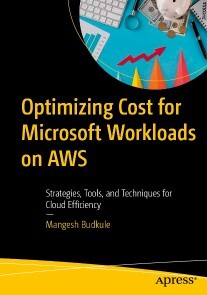
Optimizing Cost for Microsoft Workloads on AWS
Implementing Microsoft on AWS Optimization is a practical guide for professionals managing Microsoft workloads on AWS. This book explores strategies, tools, and techniques to reduce costs, improve efficiency, and ensure regulatory compliance, making it an essential resource for cloud practitioners Beginning with an overview of AWS cost optimization, the book introduces readers to foundational concepts, including the Well-Architected Framework and AWS Cloud Financial Management principles. It delves into selecting the right EC2 instances and EBS storage for Microsoft workloads, offering actionable insights into balancing performance and costs. Licensing is a major focus, with dedicated chapters on Windows and SQL Server licensing strategies. Readers will learn how to leverage BYOL (Bring Your Own License) options, optimize CPU usage, and consolidate instances to cut costs. Additionally, elasticity through Auto Scaling, workload automation, and appropriate pricing models, such as Spot Instances and Reserved Instances, are explored in-depth. It also highlights AWS cost management tools and services, teaching readers how to monitor and optimize cloud spending efficiently. Modernizing Microsoft workloads is another key topic, showcasing how adopting cloud-native approaches can unlock significant savings and long-term benefits. This book equips readers with the knowledge to master cost management for Microsoft workloads on AWS. Whether you're an IT manager, cloud architect, or business leader, this guide leads the way to achieving cost-efficient cloud success. What you will learn: What are the top cost optimization strategies for Microsoft workloads on AWS.Explore AWS tools and automation for streamlined cost optimization.How to optimize compute and storage costs by selecting the right AWS resources.How to identify and eliminate wasteful spending to drive savings and create value. Who this book is for: This book caters to professionals involved in AWS Cloud projects. It is also ideal to for cloud architects, developers, CTOs, and CFOs. Chapter 1: Mastering AWS Cost Management: Key Principles.- Chapter 2: Optimizing EC2 Instance Selection for Microsoft Workloads.- Chapter 3: Strategic Storage Selection: Balancing Cost and Performance.- Chapter 4: Windows Licensing Strategies: Maximizing ROI.- Chapter 5: SQL Server Cost Optimization: License Management Excellence.- Chapter 6: Strategic Pricing Models: Leveraging AWS Purchase Options.- Chapter 7: Driving Elasticity: Dynamic Resource Management for Cost Savings.- Chapter 8: AWS Cost Control: Native Tools and Services.- Chapter 9: Modernization Strategies and Cost impact.- Chapter 10: Generative AI and Cost optimization.
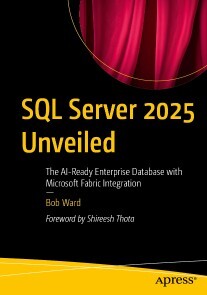
SQL Server 2025 Unveiled
Unveil the data platform of the future with SQL Server 2025—guided by one of its key architects. With built-in AI for application development and advanced analytics powered by Microsoft Fabric, SQL Server 2025 empowers you to innovate—securely and confidently. This book shows you how. Author Bob Ward, Principal Architect for the Microsoft Azure Data team, shares exclusive insights drawn from over three decades at Microsoft. Having worked on every version of SQL Server since OS/2 1.1, Ward brings unmatched expertise and practical guidance to help you navigate this transformative release. Ward covers everything from setup and upgrades to advanced features in performance, high availability, and security. He also highlights what makes this the most developer-friendly release in a decade: support for JSON, RegEx, REST APIs, and event streaming. Most critically, Ward explores SQL Server 2025’s advanced, scalable AI integrations, showing you how to build AI-powered applications deeply integrated with the SQL engine—and elevate your analytics to the next level. But innovation doesn’t come at the cost of safety: this release is built on a foundation of enterprise-grade security, helping you adopt AI safely and responsibly. You control which models to use, how they interact with your data, and where they run—from ground to cloud, or integrated with Microsoft Fabric. With built-in features like Row-Level Security (RLS), Transparent Data Encryption (TDE), Dynamic Data Masking, and SQL Server Auditing, your data remains protected at every layer. The AI age is here. Make sure your SQL Server databases are ready—and built for secure, scalable innovation. What You Will Learn · Understand why SQL Server 2025 is a unique new release · Grasp the fundamentals of AI to leverage AI with your data, using the industry-proven security and scale of SQL Server · Utilize AI modelsof your choice, services, and frameworks to build new AI applications · Explore new developer features such as JSON, Regular Expressions, REST API, and Change Event Streaming · Discover SQL Server 2025's powerful new engine capabilities to increase application concurrency · Examine new high availability features to enhance uptime and diagnose complex HADR configurations · Use new query processing capabilities to extend the performance of your application · Connect SQL Server to Azure with Arc for advanced management and security capabilities · Secure and govern your data using Microsoft Entra · Achieve near-real-time analytics with the unified data platform Microsoft Fabric · Integrate AI capabilities with SQL Server for enterprise AI · Leverage new tools such as SQL Server Management Studio and Copilot experiences to assist your SQL Server journey Who This Book Is For The SQL Server community, including DBAs, architects, and developers eager to stay ahead with the latest advancements in SQL Server 2025, and those interested in the intersection of AI and data, particularly how artificial intelligence (AI) can be seamlessly integrated with SQL Server to unlock deeper insights and smarter solutions 1. The AI-Ready Enterprise Database.- 2. Ready, Set, Go.- 3. AI Fundamentals.- 4. AI Built-in.- 5. The Modern SQL Developers, Developers, Developers.- 6. Connecting to the Cloud with Azure Arc.- 7. The Core Engine of SQL Server 2025.- 8. Integrating SQL Server 2025 with Microsoft Fabric.- 9. Microsoft SQL Ground.