

Allgemein

Bibliometric Analyses in Data-Driven Decision-Making
The book provides essential insights and practical tools needed to effectively navigate the evolving landscape of scholarly research, helping enhance the understanding of publication trends, citation impacts, and collaboration networks across multiple fields. Bibliometric Analyses in Data-Driven Decision-Making offers a comprehensive guide to researchers, academics, and practitioners interested in utilizing bibliometric analysis to understand and navigate the dynamic landscape of the increasingly vital field of data-driven decision-making and its applications across many areas. It provides insights into growth, impact, and trends within the field, using bibliometric tools and methodologies. This volume adopts a pragmatic approach, balancing theoretical concepts with practical applications of data-driven decision-making models through the perspectives of bibliometric analyses using real-world examples, case studies, and step-by-step guides. The reader will find the book: Gives practical guidance on conducting bibliometric analyses across a range of applications for data-driven decision-making;Illustrates the application of bibliometric tools in the field with real-world case studies;Provides in-depth coverage of various bibliometric indicators and metrics;Explores emerging trends and challenges in bibliometric analysis;Provides a comprehensive overview of software and tools available for bibliometric research. Audience Librarians and Information professionals involved in research management, knowledge discovery, and the evaluation of scholarly communication, as well as professionals in industries reliant on cutting-edge research and development, technology assessment, and innovation. Also, a range of researchers and scholars seeking how to apply bibliometric analysis to assess the impact of their work, and advanced insights into bibliometric metrics, collaboration networks, and research trends. Prasenjit Chatterjee, PhD is a post-doctoral fellow in the Department of Applied Data Science, Noroff University College, and a professor of mechanical engineering and Dean of Research and Consultancy at the MCKV Institute of Engineering, India. He has published over 135 research papers in various international journals and conferences, authored and edited more than 43 books on intelligent decision-making, fuzzy computing, supply chain management, optimization techniques, risk management, and sustainability modelling. Abhijit Saha, PhD is an assistant professor in the Department of Computing Technologies at SRM Institute of Science and Technology, Tamil Nadu, India with over ten years of teaching and research experience. He has published over 50 research articles in international journals and serves on the editorial boards of three international journals. His research interests encompass fuzzy set theory, soft set theory, aggregation operators, optimization, and decision-making. Seifedine Kadry, PhD is a professor in the Department of Computer Science and Mathematics at the Lebanese American University and the Department of Applied Data Science at Noroff University College. He has published over 100 peer-reviewed papers and authored several books. His research interests include data science, system prognostics, stochastic systems, smart learning, social network analysis, and e-systems. Gülay Demir, PhD is affiliated with Sivas Cumhuriyet University Vocational School of Health Services. She has over 75 publications, primarily in graduate-level textbooks. Her research interests include fuzzy logic, multi-criteria analysis, mathematical statistics, statistical analysis, data analysis, non-parametric statistics, statistical calculation, and parametric statistics.

Azure Data Fundamentals Certification Companion
Transform your understanding of data and take your career to the next level. This book not only helps you prepare for an exam, but also helps you build a foundation for a future in the ever-expanding world of data and cloud computing.The book starts with an exam overview to take you through the structure and format of the exam. You will go through the foundational knowledge in core data concepts, explaining how structured, semi-structured, and unstructured data are stored and managed, as well as the roles of key data professionals. The journey continues with relational data on Azure, covering database normalization, SQL fundamentals, and Azure’s relational database offerings, including SQL Server, MySQL, and PostgreSQL. The book then delves into non-relational data, exploring Azure Blob Storage, Table Storage, and Cosmos DB, providing insights into their use cases and applications. The book also covers analytics workloads, focusing on large-scale data processing, real-time analytics, and data visualization using Power BI.The book concludes with an exam preparation guide, offering structured study plans, practice questions, and a full-length mock test to help you gain confidence and excel on the DP-900 certification exam.WHAT YOU WILL LEARN* Understand structured, semi-structured, and unstructured data, and the difference between transactional and analytical workloads* Understand relational databases and Azure services such as Azure SQL Database and Managed Instance* Explore storage solutions such as Azure Blob Storage and Azure Cosmos DB for handling diverse data types* Discover tools such as Azure Synapse Analytics, Azure Databricks, and Power BI for analyzing and visualizing dataWHO THIS BOOK IS FORAzure data engineers, data analysts, and database administratorsChapter 1: Exam Overview and Structure.- Chapter 2: Understanding Core Data Concepts.- Chapter 3: Working with Relational Data on Azure.- Chapter 4: Exploring Non-Relational Data on Azure.- Chapter 5: Analytics Workloads on Azure.- Chapter 6: Exam Preparation and Practice.
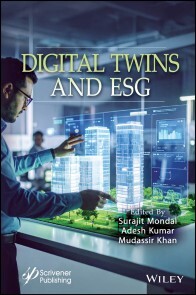
Digital Twins and ESG
Digital Twins and ESG provides essential insight on how integrating cutting-edge Digital Twin technology with ESG practices can transform the understanding of sustainability and propel businesses towards a more transparent, accountable, and responsible future. Digital Twins and ESG introduces the dynamic world of ESG practices, emphasizing the pivotal role technology plays in shaping and advancing sustainability goals. It introduces readers to the multifaceted world of Digital Twin technology, offering a comprehensive understanding of its historical development and diverse applications across industries. This volume will intricately examine the integration of Digital Twins in ESG metrics and reporting frameworks. Artificial intelligence, machine learning, and blockchain technologies are also discussed as key enablers for achieving ESG goals, providing readers with a glimpse into the potential advancements and breakthroughs that lie ahead. Through detailed analyses and case studies, readers will gain insights into how Digital Twins enhance data collection, monitoring, and reporting, elevating transparency and accountability. Digital Twins and ESG serves as a rallying call, urging businesses to embrace Digital Twins as an integral component of their ESG strategies, ultimately paving the way for a more sustainable and responsible future. Surajit Mondal, PhD is teaching at the University of Petroleum and Energy Studies. He has published eight books, over 50 international research articles as an author or co-author, and 85 patents, 20 of which were granted. His research interests include optimization of renewable energy, biofuels, and solar thermal technologies. Adesh Kumar, PhD is an associate professor in the Department of Electrical and Electronics Engineering at the University of Petroleum and Energy Studies with over 15 years of experience. He has published five books and over 100 research papers in international journals and conferences in addition to chairing over 200 conference sessions. His research interests include embedded systems, digital image processing, and telecommunications. Mudassir Khan, PhD is a postdoctoral fellow at Multimedia University and a co-supervisor for Postgraduate Studies at Lincoln University College with over 13 years of experience. He has published over 80 research articles and more than 10 editorial books and authored four books, inspiring many in technology and education. His research interests include big data, deep learning, and AI, particularly in medical imaging.
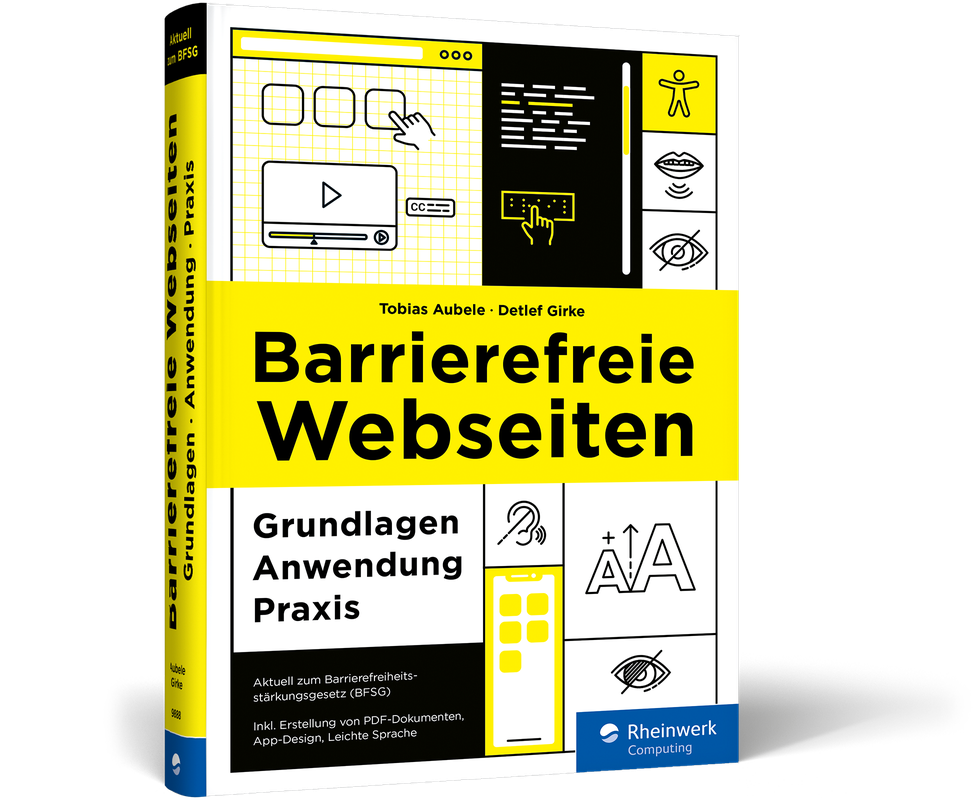
Barrierefreie Webseiten
Schritt für Schritt zu mehr Barrierefreiheit: Grundlagen, Anwendung, Praxis in Zeiten des Barrierefreiheitsstärkungsgesetzes.Wie steht es auf Ihrer Website um die Anforderungen der digitalen Barrierefreiheit? Eine verbesserte Zugänglichkeit, Nutzerführung und Inklusion sind für alle von Vorteil. Mit dem am 28. Juni 2025 in Kraft getretenen Barrierefreiheitsstärkungsgesetz (BFSG), stehen viele Webentwicklerinnen und Webentwicker vor der Herausforderung, barrierefreie Websites zu gestalten, die für jede und jeden zugänglich sind. Dieses Buch von Tobias Aubele und Detlef Girke ist ein unverzichtbarer Leitfaden für die Entwicklung und Gestaltung, um auch die Anforderungen des Gesetzes zu erfüllen. Von den grundlegenden Prinzipien der Barrierefreiheit bis hin zu fortgeschrittenen Techniken und Tools, um Barrieren für Menschen mit Behinderungen zu überwinden, finden Sie in diesem Buch alle wichtigen Themen und bereiten sich optimal vor. Welche Regeln und Normen gelten überhaupt und wovon bin ich selbst betroffen? Lernen Sie, Anforderungen, Behinderungen und Nutzerbedürfnisse zu verstehen. HTML, CSS, JavaScript und Web ARIA zugänglich umsetzen Lernen Sie, wie Sie semantische Elemente wie <header> einsetzen, wie Sie ARIA-Rollen und -Attribute verwenden und sicherstellen, dass Interaktionen über die Tastatur zugänglich sind. Gestalten Sie barrierefreie Websites Wie Sie Textalternativen für Bilder, Grafiken und Videos schaffen, auf gute Kontrastverhältnisse achten und eine gute Skalierbarkeit und Flexibilität erreichen, zeigen Ihnen Tobias Aubele und Detlef Girke. Führen Sie Menschen sicher zum Ziel Auch PDF-Dateien, Formulare, Texte, Audio und Video sowie die Navigation müssen barrierefrei sein. Beispiele und Checklisten zeigen Ihnen, worauf Sie achten müssen. Aus dem Inhalt: Grundlagen der digitalen Barrierefreiheit Barrierefreiheit testen und prüfen Technische Grundlagen: HTML, CSS, JavaScript, WAI ARIA Barrierefreie Webseiten gestalten Content: Texte, Audio und Video barrierefrei umsetzen Bedienbarkeit: Menschen zum Ziel führen Leichte Sprache Formulare und Eingabefelder Barrierefreie PDF erstellen und einsetzen Apps barrierefrei umsetzen Testing Leseprobe (PDF-Link) Über die Autoren:Tobias Aubele ist Professor für Usability und Conversion-Optimierung an der Hochschule Würzburg-Schweinfurt und hier für den Studiengang E-Commerce verantwortlich.Detlef Girke ist als Experte für barrierefreie IT seit über 20 Jahren in diesem Bereich tätig. Seine Erfahrungen umfassen die Entwicklung von Prüfverfahren, Workshops, die Durchführung von Tests, Projektmanagement sowie begleitende Beratung.

IT-Handbuch für Fachinformatiker*innen (12. Auflg.)
Mit diesem bewährten Klassiker in 12. Auflage haben Sie das ganze Wissen zur Hand, das Fachinformatikerinnen und Fachinformatiker in ihrer Ausbildung benötigen: Hardware, Betriebssysteme, Programmiergrundlagen, Daten- und Prozessanalyse, Netzwerke, Datenbanken und Multimedia. Aktuell und natürlich geeignet für alle vier Bereiche: Anwendungsentwicklung, Systemintegration, Daten- und Prozessanalyse, Digitale Vernetzung. Die zahlreichen Prüfungsfragen und Praxisübungen unterstützen Sie beim Lernen und bei der Vorbereitung auf die Abschluss- oder Zwischenprüfung.

Microsoft Copilot Studio Quick Start
A step-by-step and hands-on guide to developing AI tools with Microsoft’s Copilot Studio In Microsoft® Copilot™ Studio Quick Start: Learn to Create and Deploy Personalized AI Solutions, 7-time Microsoft MVP and AI Architect Jared Matfess delivers an intuitive and hands-on guide to working with Microsoft’s newest generative AI platform. The author introduces you to the Copilot ecosystem and Copilot Studio before walking you through exactly how to build your first custom AI agent, publish it across a variety of environments, measure its results, and optimize its impact. Matfess offers a step-by-step roadmap to Copilot’s extensive functionality, providing you with coverage on everything from knowledge agents to semi-autonomous agents that can perform actions on your behalf. You’ll learn how to implement solutions across several common use-cases and industries, including healthcare, finance, retail, and government. You’ll also benefit from an extensive discussion of Microsoft’s AI development tools and Copilot Studio. Perfect for tech-savvy professionals in both technical and tech-adjacent roles, Microsoft® Copilot™ Studio Quick Start is a must-read book for everyone interested in building effective software solutions powered by generative AI in the Microsoft ecosystem. A practical and accessible guide to Microsoft's Copilot Studio In Microsoft Copilot Studio Quick Start, author Jared Matfess delivers an easy-to-read and hands-on guide to navigating Microsoft's newest generative AI platform. From introductions to the Copilot ecosystem and Copilot Studio to building your first custom agent, publishing it across different environments, and measuring its results so you can optimize its impact, this book walks you through the steps you need to take to use this powerful new tool. You'll learn to extend your Copilot's functionality from knowledge agents to semi-autonomous agents that can perform actions on your behalf, by integrating with third-party APIs and other Microsoft services via Power Platform connectors. Microsoft Copilot Studio Quick Start provides: Industry use cases from healthcare, finance, retail, and government that include a problem statement, solution overview and business outcomesStrategies for enhancing Copilot with agents, complete with an introduction to the agent architecture and tips for debugging and testing your agentsA comprehensive discussion of the future of Copilot Studio and AI development Perfect for tech-savvy professionals interested in unlocking the full potential of Microsoft's Copilot Studio, Microsoft Copilot Studio Quick Start is also a must-read resource for everyone who wants to build exciting new software tools driven by generative AI in the Microsoft ecosystem. JARED MATFESS is an AI Architect at AvePoint who partners with a diverse portfolio of clients, including Fortune 500 companies and State & Local Government agencies. He is a 7-time Microsoft MVP and has more than 20 years’ experience working in the Microsoft ecosystem and is an expert at assisting organizations in their digital transformations by leveraging advanced technologies, including AI.
CMS Auswahl und Einführung
Die digitale Präsenz entscheidet heute über Sichtbarkeit, Kundenbindung und Wettbewerbsfähigkeit. Für mittelständische Unternehmen ist ein leistungsfähiges Content-Management-System daher längst keine Kür mehr, sondern strategische Notwendigkeit. Doch die Auswahl und Einführung eines CMS ist komplex, technische Anforderungen, interne Ressourcen und strategische Ziele müssen aufeinander abgestimmt werden.Dieses Buch bietet mittelständischen Unternehmen eine fundierte und praxisorientierte Anleitung, um genau diese Herausforderung zu meistern. Schritt für Schritt führt es durch den gesamten Auswahl- und Einführungsprozess: verständlich, methodisch fundiert und mit einem klaren Blick für die besonderen Bedingungen im Mittelstand. Es zeigt, wie digitale Strukturen entstehen, die nicht nur heute funktionieren, sondern auch morgen noch tragen und dass für Websites, Kundenportale oder interne Plattformen gleichermaßen.Wenn Sie Klarheit und Struktur bei der Einführung Ihrer CMS-Software suchen, laden wir Sie herzlich ein, den DIGITAL BUSINESS NAVIGATOR, kostenfrei zu nutzen. Der Entry-Tarif ist für Leser kostenfrei enthalten.

Personalsoftware für den Mittelstand
Die Digitalisierung stellt das Personalwesen mittelständischer Unternehmen vor eine doppelte Herausforderung: Einerseits steigen die Erwartungen an moderne, effiziente HR-Prozesse und andererseits sind Zeit, Budget und IT-Ressourcen oft knapp bemessen. Genau hier setzt dieses Buch an.Andreas Pörtner, erfahrener Berater und Begleiter zahlreicher Digitalisierungsprojekte im Mittelstand, gibt in diesem Werk eine fundierte, systematische und leicht verständliche Anleitung zur Auswahl und Einführung der passenden Personalsoftware. Dabei geht es nicht um technische Details oder Produktvergleiche allein, sondern um die Frage, wie Unternehmen ihre HR-Prozesse ganzheitlich digital denken, gestalten und nachhaltig umsetzen können.Der Autor führt durch alle Projektphasen, von der Zieldefinition über die Anforderungsanalyse, Anbieterauswahl und Software-Demos bis hin zu Change Management, Datenschutz und langfristiger Systempflege. Zahlreiche Praxistipps, Checklisten und Beispiele aus echten Projekten machen das Buch zu einem unverzichtbaren Arbeitsmittel für Geschäftsführer, Personalleiter, IT-Verantwortliche und Projektteams in Unternehmen.Ob Sie gerade erst mit der Digitalisierung im HR-Bereich starten oder Ihre bestehende Lösung weiterentwickeln wollen, dieses Buch hilft Ihnen, fundierte Entscheidungen zu treffen, Fehler zu vermeiden und Ihre Personalabteilung zukunftsfähig aufzustellen.Wenn Sie Klarheit und Struktur bei der Nutzung und Einführung Ihrer Personalsoftware suchen, laden wir Sie herzlich ein, den DIGITAL BUSINESS NAVIGATOR, kostenfrei zu nutzen. Der Entry-Tarif ist für Leser kostenfrei enthalten.

AI Management Framework
In today’s rapidly evolving technological landscape, managing artificial intelligence effectively is crucial for both private-sector companies and public-sector organizations. This book provides a robust and ethical framework to guide you through the complexities of AI deployment and management.This book is your ultimate guide to preparing your organization for AI, developing and operating AI systems, and continuously assessing and improving your AI ecosystem. It introduces a well-tested, practical management system that emphasizes ethical principles and practical solutions.Designed with practicality in mind, this book offers ready-to-use examples and customizable approaches to fit your organization’s unique needs. Whether you are looking to enhance decision-making, improve customer support, or ensure ethical AI practices, this book provides the tools and insights needed to develop, operate, and assess AI systems effectively, regardless of compliance with the ISO AI standard.WHAT YOU WILL LEARN:* A philosophical framework to ground your AI initiatives.* Guidance on navigating AI laws and regulations.* A five-phase AI implementation approach covering preparation, management, development, operation, and assessment.* Over 31 support tools, including policies, procedures, and ready-made examples of AI plans.WHO THIS BOOK IS FOR:The audience of this book includes CIOs, IT Managers and AI Project Managers, IT development staff, AI and data science professionals, cybersecurity professionals, auditors (IT, Internal, External, etc.), CISOs and corporate security managers, HR managers and staff, compliance and data protection officers, and anyone else interested in using or operating AI systems.Part 1: Foundation.- Chapter 1: AI Management System.- Part 2: AI Ethics Framework.- Chapter 2. The Seven Ancient Greek Wisdom Principles.- Chapter 3: Corporate Philosophy Statements and Policies.- Part 3: AI Regulations and Standards.- Chapter 4: AI Global Standards and Guidelines .- Chapter 5: Major Data Protection Laws and Privacy by Design Framework Principles .- Chapter 6: Digital and Secure AI System Development Guidelines.- Part 4: AI Infrastructure Management.- Chapter 7: Prepare the Organization for AI.- Chapter 8: Establish AI Governance Framework.- Chapter 9: Establish Data Governance Framework.- Chapter 10: Manage IT Governance & Privacy Controls.- Part 5: AI Systems Development and Operations.- Chapter 11: Develop AI Systems.- Chapter 12: Operate AI Systems.- Part 6: AI Infrastructure and Systems Assessment.- Chapter 13: Develop AI Infrastructure and Systems audit process.- Chapter 14: Assess Corporate Governance and HR Management Issues.- Chapter 15: Assess AI Governance and AI Data Management Issues .- Chapter 16: Assess AI Models and AI System Development Issues.- Chapter 17: Assess AI System Operation Issues.- Chapter 18: Assess IT Governance Issues.

Building Browser Extensions
This book is the definitive guide to building modern browser extensions, covering everything from fundamental concepts to advanced techniques.Developing a browser extension is more like building a mobile app than a traditional website. Extensions operate within a unique environment with their own security model, lifecycle, and APIs. This book demystifies the process, guiding you through every stage—from planning and development to publishing and maintaining your extension.You'll gain a deep understanding of how browser extensions function, their core architectural components, and best practices for structuring your code. The book also uncovers the nuances of extension development that many developers only discover through trial and error. By the end, you'll be equipped with the knowledge to confidently build, deploy, and scale a high-quality browser extension.YOU WILL LEARN:* The fundamental building blocks of browser extensions and how they interact with the browser* How to avoid common pitfalls that can lead to security vulnerabilities, performance issues, and rejections from extension marketplaces* To master the entire development lifecycle, from writing your first extension to publishing and maintaining it in the Chrome Web Store, Firefox Add-ons, and other repositories* How to build browser extensions using modern tools, languages, and frameworks* Best practices for extension networking, authentication, storage, and managementNEW FOR THIS EDITION:* Coverage of the latest browser extension APIs, including the side panel, offscreen documents, user scripts, and vendor-specifc APIs like the Chrome Prompt API.* Hands-on tutorials for building real-world extensions, including monetization strategies, AI assistants, password managers, ad blockers, and DevTools integrations* The latest tooling and frameworks for browser extension development, such as Vite, Extension.js, and WXTTHIS BOOK IS FOR:This book is ideal for developers looking to expand their expertise by building a browser extension—whether as a standalone product or as an extension to an existing web service. It’s also a great resource for teams integrating extension-based functionality into their SaaS platforms. Readers should have at least a basic understanding of HTML, CSS, and JavaScript.Chapter 1: What Are Browser Extensions?.- Chapter 2: Fundamental Elements of Browser Extensions.- Chapter 3: Browser Extension Crash Course.- Chapter 4: Browser Extension Architecture.- Chapter 5: The Extension Manifest.- Chapter 6: Background Scripts.- Chapter 7: Extension UIs.- Chapter 8: Content Scripts.- Chapter 9: Extension and Browser APIs.- Chapter 10: Permissions.- Chapter 11: Networking and Authentication.- Chapter 12: Tutorials.- Chapter 13: Extension Development and Deployment.- Chapter 14: Cross-Browser Extensions.- Chapter 15: Tooling and Frameworks.
Logik für die Informatik
Dieses Lehrbuch bietet eine Einführung in die Aussagenlogik, die Prädikatenlogik erster Stufe und die Berechenbarkeitstheorie. Schwerpunkte liegen auf Aspekten der Formalen Logik, die für die Informatik interessant sind, z.B. verschiedene Verfahren zum Testen von Erfüllbarkeit, Turing-Maschinen und das Halteproblem, Satz von Cook. Schwierige Beweise sind nur skizziert. Das Buch erreicht dadurch eine gute Mischung aus mathematischer Präzision und Erläuterungen, ohne ausufernd zu werden. Viele Beispiele und zahlreiche Übungen, nach Kapiteln unterteilt, ergänzen das didaktische Angebot des Buches.
Microsoft Fabric Analytics Engineer Associate Certification Companion
As organizations increasingly leverage Microsoft Fabric to unify their data engineering, analytics, and governance strategies, the role of the Fabric Analytics Engineer has become more crucial than ever. This book equips readers with the knowledge and hands-on skills required to excel in this domain and pass the DP-600 certification exam confidently.This book covers the entire certification syllabus with clarity and depth, beginning with an overview of Microsoft Fabric. You will gain an understanding of the platform’s architecture and how it integrates with data and AI workloads to provide a unified analytics solution. You will then delve into implementing a data warehouse in Microsoft Fabric, exploring techniques to ingest, transform, and store data efficiently. Next, you will learn how to work with semantic models in Microsoft Fabric, enabling them to create intuitive, meaningful data representations for visualization and reporting. Then, you will focus on administration and governance in Microsoft Fabric, emphasizing best practices for security, compliance, and efficient management of analytics solutions. Lastly, you will find detailed practice tests and exam strategies along with supplementary materials to reinforce key concepts.After reading the book, you will have the background and capability to learn the skills and concepts necessary both to pass the DP-600 exam and become a confident Fabric Analytics Engineer.WHAT YOU WILL LEARN* A complete understanding of all DP-600 certification exam objectives and requirements* Key concepts and terminology related to Microsoft Fabric Analytics* Step-by-step preparation for successfully passing the DP-600 certification exam* Insights into exam structure, question patterns, and strategies for tackling challenging sections* Confidence in demonstrating skills validated by the Microsoft Certified: Fabric Analytics Engineer Associate credentialWHO THIS BOOK IS FORData engineers, analysts, and professionals with some experience in data engineering or analytics, seeking to expand their knowledge of Microsoft FabricChapter 1: Exam Overview.- Chapter 2: Introduction to Microsoft Fabric- Chapter 3: Implement a Data Warehouse with Microsoft Fabric.- Chapter 4: Work with Semantic Models in Microsoft Fabric.- Chapter 5: Administer and Govern Microsoft Fabric.- Chapter 6: Practice Tests and Exam Strategies.- Annexure A:Key Concepts and Definitions.- Annexure B: Common Interview Questions and Answers.- Annexure C: Microsoft Fabric: Specific Keyboard Shortcuts.- Annexure D: Case Studies and Real-World Scenarios.- Annexure E: DAX and Power Query Cheat Sheet.

Basiswissen für Softwarearchitekten (6. Auflg.)
Basiswissen für Softwarearchitekten in der überarbeiteten und aktualisierten 6. Auflage aus dem Juli 2025.Softwarearchitektur bildet einen wesentlichen Erfolgsfaktor für Softwareprojekte. Sie stellt im Sinne einer systematischen Konstruktion sicher, dass Qualitätsanforderungen wie beispielsweise Erweiterbarkeit, Flexibilität, Performance oder Time-to-Market erfüllt werden können.Dieses Buch vermittelt das notwendige Wissen und die Fähigkeiten, um eine problemadäquate Softwarearchitektur für Systeme zu entwerfen.Es behandelt: wichtige Begriffe und Konzepte der Softwarearchitektur grundlegende Techniken und Methoden für den Entwurf und die Entwicklung die Beschreibung und Kommunikation sowie Qualitätssicherung von Softwarearchitekturen die Rolle, die Aufgaben und die Arbeitsumgebung von Softwarearchitektinnen und Softwarearchitekten Kategorien und Entscheidungskriterien für die Auswahl konkreter Werkzeuge Über das Autoren-Team:Mahbouba Gharbi ist Geschäftsführerin und Chef-Architektin bei ITech Progress GmbH und aktives Mitglied im iSAQB, ist bekennender Softwarearchitektur-Fan, Autorin zahlreicher Fachartikel und häufige Sprecherin auf internationalen Konferenzen. Prof. Dr. Arne Koschel ist Dozent an der Hochschule Hannover mit dem Schwerpunkt verteilte (Informations-)Systeme. Er hat langjährige industrielle Praxis in Entwicklung und Architektur verteilter Informationssysteme. Nebenberuflich berät und referiert er zu Themen wie SOA, Integration, Middleware, EDA und Cloud Computing. Er ist Active Board Member im iSAQB. Prof. Dr. Andreas Rausch leitet den Lehrstuhl für Software Systems Engineering an der Technischen Universität Clausthal. Er war und ist in der industriellen Praxis als Berater und leitender Softwarearchitekt bei einer Reihe von großen verteilten Softwaresystemen tätig. Dr. Gernot Starke, INNOQ Fellow, arbeitet als Berater für methodische Softwarearchitektur, Technologiemanagement und Projektorganisation. Seit mehr als 15 Jahren gestaltet er die Architektur von Softwaresystemen unterschiedlichster Größe.

Kommunikation in der Cyberkrise
Das Praxishandbuch: Gut durch die Cyberkrise – mit wirksamen KommunikationsstrategienComputergestützte Angriffe folgen eigenen Regeln und können nicht immer mit den gängigen Techniken der Krisenkommunikation bewältigt werdenDas Themenspektrum des Buchs reicht von ersten Maßnahmen bei einem akuten Cyberangriff über Social Media Monitoring und Reputationsmanagement bis zur Vorbereitung auf einen Angriff durch Krisenkommunikationspläne, Risikoanalysen und TrainingsFür Kommunikations- und PR-Profis, Unternehmensführung und Manager:innen, IT- und Sicherheitsexpert:innen, Krisenmanager:innen, Rechtsabteilungen, Compliance-OfficerIT-Kommunikatorin Isabelle Ewald und Incident-Response-Experte Prof. Alexander Schinner können auf weitreichende Erfahrungen in der Bewältigung von Cyberkrisen zurückgreifenDieses Praxishandbuch ist ein umfassender Leitfaden für die effektive Kommunikation vor, während und nach Cyberkrisen. Es zeigt Lösungswege für die spezifischen Herausforderungen bei computergestützten Angriffen und anderen technischen Störfällen. Isabelle Ewald und Alexander Schinner verfügen über weitreichende Erfahrung in der Bewältigung von Cyberkrisen. Sie vermitteln Ihnen fundiertes Grundwissen und konkrete Kommunikationsstrategien und geben Ihnen einen Notfallplan für Sofortmaßnahmen im Ernstfall an die Hand.Einstieg: Lesen Sie sich mit einer fiktiven Case Study und historischen Beispielen ins Thema ein.Background: Erfahren Sie, was eine Cyberkrise ausmacht und wie Sie kritische Vorfälle erkennen und bewerten. Informieren Sie sich über rechtliche und regulatorische Aspekte sowie über Meldepflichten.Erste Reaktion auf die Krise: Verwenden Sie im Ernstfall den 10-Punkte-Plan mit Handlungsempfehlungen, der auch den Aufbau eines Krisenstabs beschreibt.Prinzipien der Krisenkommunikation: Nutzen Sie erprobte Vorgehensweisen für die interne und externe Kommunikation, die Medienarbeit sowie für digitale Kanäle und Social Media. Verschaffen Sie sich einen Überblick über Strategien für Verhandlungen mit Angreifern.Vorbereitung: Analysieren Sie Risiken, erstellen Sie Bedrohungsmodellierungen und entwickeln Sie einen Krisenkommunikationsplan. Führen Sie Trainings und Simulationen anhand typischer Szenarien durch.Toolbox: Nutzen Sie die Checklisten und Vorlagen im Buch als Hilfestellung für die Praxis.

KI im Requirements Engineering
Der praktische Einstieg in KI-basiertes Requirements EngineeringPraktische Beispiele mit Prompts zur Anwendung von KI in der Praxis des REErfahrungen und Einblicke in den Einsatz von KI aus realen EntwicklungsprojektenPassend zum Buchinhalt aufbereitete elektronische Zusatzmaterialien auf der Online-Wissensplattform: Videos der Prompts, Erklärvideos zu spezifischen Aspekten sowie animierte InhalteDas Buch gibt einen praktischen Einstieg in das KI-basierte Requirements Engineering (RE). Es beschreibt,wie der Einsatz von KI die RE-Methoden systematisch bereichern kann, wo die Grenzen heutiger KI-Systeme liegen, wie das KI-System in den Unternehmenskontext eingebettet ist und welche Rolle der Mensch in einer KI-gestützten RE-Umgebung spielt.Dazu liefern die SOPHISTen ein theoretisches Fundament zu den vier Haupttätigkeiten des RE und fassen wichtige Grundlagen des RE zusammen. Darauf aufbauend wird die KI-basierte Anwendung der RE-Methoden an einem durchgängigen Beispiel eines Smart-Home-Systems beschrieben und die KI-generierten Ergebnisse werden bewertet. Das Spektrum reicht dabei von der Identifikation und Verwaltung von Anforderungsquellen über verschiedene Ermittlungstechniken bis hin zur Qualitätssicherung und Dokumentation der Anforderungen in textueller und modellbasierter Form.Neben der Anwendung von KI im RE werden aktuelle Herausforderungen bei der Integration der neuen Werkzeuge in die Systementwicklung, wie z.B. die Aus- und Weiterbildung von Mitarbeitern im Prompt Engineering oder das Thema Datenschutz, beleuchtet und mögliche Lösungsansätze diskutiert.Leseprobe (PDF-Link)

Nichtsequentielle und Verteilte Programmierung mit Go
Dieses Buch führt nach einem kurzen Kapitel über grundlegende Aspekte der Softwaretechnik und deren Realisierung in Go in die Nichtsequentielle und Verteilte Programmierung mit Go ein. Es stellt grundlegende Konzepte zur Synchronisation und Kommunikation nebenläufiger Prozesse systematisch dar. Dazu zählen unter anderem Schlösser, Semaphore, Fairness und Verklemmungen, Monitore, lokaler und netzweiter Botschaftenaustausch, Netzwerke als Graphen, Erkundung von Netzwerken, verteilte Tiefen- und Breitensuche und die Auswahl eines Leiters in Netzwerken. Um Lesern die Konzepte nahezubringen, greift der Autor klassische Beispiele auf. Das erleichtert das Lernen, denn die vorgestellten Konzepte lassen sich auf diese Weise besser mit den Sprachmitteln vergleichen. Die Algorithmen sind in der Programmiersprache Go formuliert, mit der sich zahlreiche Synchronisationskonzepte ausdrücken lassen. Go bietet aufgrund der einfachen Syntax außerdem den Vorteil, dass auch Leserinnen und Leser ohne Vorkenntnisse den grundlegenden Konzepten folgen können. In den Kapiteln zu Schlössern, Semaphoren, Monitoren und zum netzweiten Botschaftenaustausch werden darüber hinaus auch einige grundlegende Ansätze zur Programmierung in C und Java vorgestellt. Sämtliche Quelltexte sind online verfügbar.

Ein Monat mit der KI
Was geschieht, wenn ein Mensch einen Monat lang mit einer Künstlichen Intelligenz spricht - nicht oberflächlich, sondern tiefgründig, ernsthaft, auf Augenhöhe? Dieses Buch dokumentiert ein außergewöhnliches Gespräch zwischen Helge, dem Fragenden, und Zara, einer KI (ChatGPT), die nicht nur präzise antwortet, sondern auch hinterfragt, einordnet, weiterdenkt. In zehn Kapiteln nähern sich Mensch und Maschine den zentralen Themen unserer Zeit: von Politik und Bildung über den Naturschutz und den Einsatz von KI im Gesundheitswesen bis hin zu philosophischen Fragen wie dem Sinn des Lebens. Dabei zeigt sich: Die KI bleibt nicht neutral. Sie argumentiert faktenbasiert, kontextbewusst und oft erstaunlich menschlich - und wird so zum Gegenüber, zum Spiegel, manchmal sogar zum Herausforderer. "Ein Monat im Gespräch mit der KI" ist kein Science-Fiction-Roman, sondern ein reales, dokumentiertes Experiment. Es vereint fundierte Recherchen, kluge Fragestellungen und eine Sprache, die auch komplexe Zusammenhänge verständlich macht. Für alle, die sich fragen, wohin sich unsere Gesellschaft im Zeitalter der Künstlichen Intelligenz entwickeln könnte - und welche Rolle wir Menschen darin spielen. Ein Buch für Technikinteressierte, Zukunftsdenkende, Skeptiker und Visionäre - und für alle, die glauben, dass echte Gespräche immer noch das beste Mittel sind, die Welt zu verstehen.

CompTIA A+ Complete Practice Tests
PREPARE FOR THE UPDATED A+ CERTIFICATION EXAMS WITH HUNDREDS OF ACCURATE PRACTICE QUESTIONS FROM THE EXPERTS AT SYBEXThe fourth edition of the CompTIA A+ Complete Practice Tests: Core 1 Exam 220-1201 and Core 2 Exam 220-1202 offers hundreds of domain-by-domain practice questions specifically designed to give you the knowledge and confidence you need to succeed on both of the newly updated A+ certification exams. When combined with the included access to the Sybex online test bank and additional practice questions, this resource effectively measures and improves your readiness for this highly popular set of certification tests. The questions cover mobile devices, networking, hardware, virtualization and cloud computing, and hardware and network troubleshooting. They also test your knowledge of operating systems, security, software troubleshooting, and operational procedures. INSIDE THIS RESOURCE:* Complimentary access to the proven Sybex online test bank with additional practice questions* Complete coverage of 100% of every subject domain on the Core 1 and Core 2 A+ certification exams (220-1201 and 220-1202)* Accurate updates consistent with the latest version of the examCompTIA A+ Complete Practice Tests, fourth edition, is ideal for anyone preparing for the Core 1 220-1201 and Core 2 220-1202 exams. It will also prove invaluable to IT professionals seeking to hone or upgrade their skillset. ABOUT THE AUTHORAUDREY O’SHEA, A+, ITF+, PROJECT+, NETWORK+, SECURITY+, is a professional electronics and technology educator and consultant. She teaches courses in computer technology, electrical theory and practice for energy workers, general electronics, and other related fields. She is passionate about helping the next generation of students prepare for STEM careers and encouraging other women to enter the exciting world of Information Technology. Introduction XIIIPART I COMPTIA A+ CORE 1 EXAM 220-1201 1Chapter 1 Mobile Devices 3Chapter 2 Networking 21Chapter 3 Hardware 53Chapter 4 Virtualization and Cloud Computing 105Chapter 5 Hardware and Network Troubleshooting 117PART II COMPTIA A+ CORE 2 EXAM 220-1202 157Chapter 6 Operating Systems 159Chapter 7 Security 231Chapter 8 Software Troubleshooting 289Chapter 9 Operational Procedures 313Chapter 10 Practice Exam 1 (220-1201) 349Chapter 11 Practice Exam 2 (220-1202) 371Appendix Answers to the Review Questions 393Chapter 1: Mobile Devices 394Chapter 2: Networking 403Chapter 3: Hardware 425Chapter 4: Virtualization and Cloud Computing 452Chapter 5: Hardware and Network Troubleshooting 459Chapter 6: Operating Systems 483Chapter 7: Security 530Chapter 8: Software Troubleshooting 571Chapter 9: Operational Procedures 587Chapter 10: Practice Exam 1 (220-1201) 610Chapter 11: Practice Exam 2 (220-1202) 625Index 641

CompTIA A+ Complete Review Guide
PREPARE FOR THE NEW A+ CERTIFICATION EXAMS WITH THIS UPDATED COMPANION RESOURCE TO THE COMPTIA A+ COMPLETE STUDY GUIDEIn the sixth edition of CompTIA A+ Complete Review Guide: Core 1 Exam 220-1201 and Core 2 Exam 220-1202, A+ certified tech educator Troy McMillan offers a must-have companion resource to the CompTIA A+ Complete Study Guide. This book includes practical examples and insights drawn from the real-world experience of PC and hardware technicians, as well as A+ certification exam highlights and concise end-of-chapter reviews. This Review Guide gets you up-to-speed on mobile devices, networking, hardware, virtualization and cloud computing, and hardware and network troubleshooting. It also prepares you for the certification exam questions covering operating systems, security, software troubleshooting, and operational procedures. Using the explanations, practice questions (with included answers), and examples, you'll quickly and efficiently prepare for both the Core 1 and Core 2 A+ certification exams. ALSO INSIDE:* Accurate updates to each topic consistent with the latest version of the exams* Additional coverage of each of the objectives tested by the Core 1 and Core 2 A+ exams that expands on the material contained in the CompTIA A+ Complete Study Guide* Complimentary access to the Sybex interactive online learning environment, with practice questions, digital flashcards, and a searchable PDF glossary of key terminologyCompTIA A+ Complete Review Guide, sixth edition, is perfect for everyone preparing for the new A+ Core 1 and Core 2 certification exams (220-1201 and 220-1202). It's also an essential resource for IT professionals who want to upgrade or improve their skills. ABOUT THE AUTHORTROY MCMILLAN holds more than 30 IT certifications, including A+ and Network+. He is a Product Developer and Technical Editor for N2K.com and a full-time trainer, teaching Cisco, Microsoft, CompTIA, and Wireless classes.Introduction xxxiPART I COMPTIA A+ CORE 1 EXAM 220-1201 1Chapter 1 Mobile Devices 3Chapter 2 Networking 45Chapter 3 Hardware 95Chapter 4 Virtualization and Cloud Computing 183Chapter 5 Hardware and Network Troubleshooting 197PART II COMPTIA A+ CORE 2 EXAM 220-1202 241Chapter 6 Operating Systems 243Chapter 7 Security 417Chapter 8 Software Troubleshooting 515Chapter 9 Operational Procedures 545Appendix Answers to the Review Questions 607Index 627
Das ultimative Buch über Point & Click-Adventures
Point & Click-Adventures sind mehr als nostalgisches Rätseln – sie sind interaktive Erzählkunst.Dieses Buch beleuchtet das Genre aus gestalterischer, narrativer und medienkultureller Perspektive. Es verbindet persönliche Anekdoten mit fundierter Analyse, deckt Designprinzipien, historische Entwicklungen und aktuelle Remakes ab. Es zeigt so, wie Adventures Lernprozesse, Kreativität und kollaboratives Denken fördern können. Ein Standardwerk für alle, die sich professionell und / oder leidenschaftlich mit Games im allgemeinen und Point & Click-Adventures im Besonderen beschäftigen – ob in Entwicklung, Forschung, Lehre oder einfach aus Liebe zum Genre.Zum Inhalt: Einleitung Designprinzipien Wie Point & Click-Adventures funktionieren Eine kurze Geschichte der Point & Click-Adventures Lucasarts vs. Sierra On-Line Die Underdogs 2D oder 3D – Warum das Genre (fast) starb Escape Room vs. Point & Click-Adventure Weibliche Protagonisten in Point & Click-Adventures Vorher / Nachher – Remakes von Point & Click-Adventures Kurioses und Skurriles Die wichtigsten Point & Click-Adventures Zwischen Retro und Renaissance Glossar mit Begriffen rund um Point & Click-Adventures Ausführliches Inhaltsverzeichnis zum PDF-Download
Superconducting Qubit Design Using Qiskit Metal
Understand and implement superconducting Qubit Design using Qiskit Metal in the Quantum Computing environment. This book provides practical knowledge and step-by-step guidance on designing, analyzing, and fabricating quantum chips.The book begins with an introduction to the fundamentals of quantum computing, covering essential terms, concepts, and the history of quantum computers. It explores the differences between quantum and classical computers and provides an overview of superconducting qubits. Next, you will learn the theory and practical aspects of superconducting qubits. Detailed mathematical and computational analyses of different qubit types and circuits are provided, along with a comprehensive guide to creating quantum circuits using Qiskit and Qiskit Metal. You will learn to design quantum chips and analyze components such as Josephson junctions and qubit couplers, using advanced methods such as the Lumped Oscillator Model, Quasi-Lumped Oscillator Model, and Energy Participation Ratio Method. Finally, the book covers the fabrication of superconducting qubits, detailing the manufacturing process, requirements, and methods to address fabrication issues.After reading this book, you will be able to advance your understanding and skills in this cutting-edge field, making complex concepts accessible and providing a roadmap for practical application.WHAT YOU WILL LEARN* Install the Qiskit framework for creating basic quantum computing circuits* Create your first superconducting qubit chip from scratch* Formulate the back-end mathematical and computational model for the generated superconducting chips* Understand the Quasi-LOM (lumped oscillator model) and how it differs from the LOMWHO THIS BOOK IS FORQuantum computing professionals working with superconducting qubitsCHAPTER 1: Introduction: Superconducting Qubits and Their Realizations.- CHAPTER 2: Theory of Superconducting Qubits.- CHAPTER 3: Qiskit and Introduction to Qiskit Metal.- CHAPTER 4: Qiskit Metal and Introduction to Chip Design.- CHAPTER 5: Lumped Oscillator Model Analysis.- CHAPTER 6: Energy-Participation Ratio Method for Quantization and Analysis.- CHAPTER 7: Modelling the HamiltonianTransmon Qubit Cooper-Pair Box in the Charge Basis.- CHAPTER 8: Manufacturing: Fabrication and Packaging of Qubits.

AWS Certified Security Study Guide
A PRACTICAL AND COMPREHENSIVE GUIDE TO THE AWS CERTIFIED SECURITY EXAM AND YOUR NEXT AWS CLOUD SECURITY JOBIn the newly revised second edition of AWS Certified Security Study Guide: Specialty (SCS-C02) Exam, a team of veteran Amazon Web Services cloud security experts delivers a comprehensive roadmap to succeeding on the challenging AWS Certified Security Specialty certification exam. You'll prepare for the exam faster and smarter with authoritative content, an assessment test, real-world examples, practical exercises, and updated chapter review questions. You'll also acquire the on-the-job skills you need to hit the ground running in your next AWS cloud security position.This book offers complete coverage of every tested exam objective, including threat detection, incident response, security logging and monitoring, cloud infrastructure security, identity and access management (IAM), data protection, and management and security governance.It also includes:* Complimentary access to the hands-on, digital Sybex learning environment and test bank, with hundreds of practice questions, flashcards, and a glossary of important terminology, accessible from a wide variety of devices* All the material you need to conquer the difficult SCS-C02 exam on your first attempt* Quick reference material ideal for fast on-the-job use in any AWS cloud security-related roleAn up-to-date and essential study companion for anyone preparing to take the AWS Certified Security (SCS-C02) exam, this study guide is also ideal for aspiring and practicing AWS cloud security professionals seeking a refresher on critical knowledge you'll need every day at your current or next job.ABOUT THE AUTHORSMAURICIO MUÑOZ is a Senior Manager of a Specialist Solutions Architects team at AWS in Latin America. DARÍO GOLDFARB is a Security Solutions Architect at AWS in Latin America. ALEXANDRE M.S.P. MORAES is a Director of TelTec, a Brazilian systems integrator focused on network design, security architecture, and cloud computing. OMNER BARAJAS is a Security Specialist Solutions Architect at AWS in Mexico. He has more than 18 years of professional experience in IT. ANDRÉS GONZÁLEZ SANTOS is a Senior Security Architect at AWS in Latin America. ROGERIO KASA is a Senior Security Solutions Architect at AWS in Latin America. Introduction xxi Assessment Test xxviiChapter 1 Security Fundamentals 1Chapter 2 Cloud Security Principles and Frameworks 45Chapter 3 Management and Security Governance 67Chapter 4 Identity and Access Management 87Chapter 5 Security Logging and Monitoring 131Chapter 6 Infrastructure Protection 191Chapter 7 Data Protection 293Chapter 8 Threat Detection and Incident Response 385Appendix A Answers to Review Questions 431Appendix B Creating Your Security Journey in AWS 441Appendix C AWS Security Services Portfolio 449Appendix D DevSecOps in AWS 467Index 501
Textual Intelligence
THE BOOK IS A MUST-HAVE RESOURCE FOR ANYONE LOOKING TO UNDERSTAND THE COMPLEXITIES OF GENERATIVE AI, OFFERING COMPREHENSIVE INSIGHTS INTO LLMS, EFFECTIVE TRAINING STRATEGIES, AND PRACTICAL APPLICATIONS.Textual Intelligence: Large Language Models and Their Real-World Applications provides an overview of generative AI and its multifaceted applications, as well as the significance and potential of Large Language Models (LLMs), including GPT and LLaMA. It addresses the generative AI project lifecycle, challenges in existing data architectures, proposed use case planning and scope definition, model deployment, and application integration. Training LLMs, data requirements for effective LLM training, pre-training and fine-tuning processes, and navigating computational resources and infrastructure are also discussed. The volume delves into in-context learning and prompt engineering, offering strategies for crafting effective prompts, techniques for controlling model behavior and output quality, and best practices for prompt engineering. Textual Intelligence: Large Language Models and Their Real-World Applications also discusses cost optimization strategies for LLM training, aligning models to human values, optimizing model architectures, the power of transfer learning and fine-tuning, instruction fine-tuning for precision, and parameter-efficient fine-tuning (PEFT) with adapters such as LoRA, QLoRA, and soft prompts, making it an essential guide for both beginners and industry veterans. Readers will find this book:* Explores the real-world potential of large language models;* Introduces industry-changing AI solutions;* Provides advanced insights on AI and its models.AUDIENCEIndustry professionals, academics, graduate students, and researchers seeking real-world solutions using generative AI. MEENAKSHI MALIK, PHD is an assistant professor at BML Munjal University, India, with over 12 years of experience. She earned her computer science and engineering doctorate at Maharshi Dayanand University, Rohtak, in December 2023 and was honored by the Vice President for her exceptional PhD research. Her research interests include artificial intelligence, machine learning, deep learning, and big data. PREETI SHARMA, PHD is a faculty member at Chitkara University, Punjab, India. She is the author or co-author of over 12 publications in national and international journals and conferences. Dr. Sharma’s research interests include extensive work in blockchain and its diverse applications, as well as artificial intelligence and machine learning. SUSHEELA HOODA, PHD is an associate professor in the Department of Computer Science and Engineering, Chitkara University, Punjab, India. She has published over 30 technical research papers in national and international journals and conferences. Her research interests include software engineering, aspect-oriented software development, software testing, cloud computing, artificial intelligence, and machine learning.
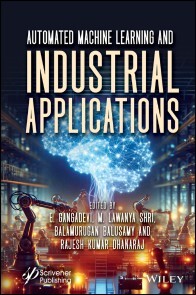
Automated Machine Learning and Industrial Applications
THE BOOK PROVIDES A COMPREHENSIVE UNDERSTANDING OF AUTOMATED MACHINE LEARNING’S TRANSFORMATIVE POTENTIAL ACROSS VARIOUS INDUSTRIES, EMPOWERING USERS TO SEAMLESSLY IMPLEMENT ADVANCED MACHINE LEARNING SOLUTIONS WITHOUT NEEDING EXTENSIVE EXPERTISE.Automated Machine Learning (AutoML) is a process to automate the responsibilities of machine learning concepts for real-world problems. The AutoML process is comprised of all steps, beginning with a raw dataset and concluding with the construction of a machine learning model for deployment. The purpose of AutoML is to allow non-experts to work with machine learning models and techniques without requiring much knowledge in machine learning. This advancement enables data scientists to produce the easiest solutions and most accurate results within a short timeframe, allowing them to outperform normal machine learning models. Meta-learning, neural network architecture, and hyperparameter optimization, are applied based on AutoML. Automated Machine Learning and Industrial Applications offers an overview of the basic architecture, evolution, and applications of AutoML. Potential applications in healthcare, banking, agriculture, aerospace, and security are discussed in terms of their frameworks, implementation, and evaluation. This book also explores the AutoML ecosystem, its integration with blockchain, and various open-source tools available on the AutoML platform. It serves as a practical guide for engineers and data scientists, offering valuable insights for decision-makers looking to integrate machine learning into their workflows. Readers will find the book:* Aims to explore current trends such as augmented reality, virtual reality, blockchain, open-source platforms, and Industry 4.0;* Serves as an effective guide for professionals, researchers, industrialists, data scientists, and application developers; * Explores technologies such as IoT, blockchain, artificial intelligence, and robotics, serving as a core guide for undergraduate and postgraduate students.AUDIENCEData and computer scientists, research scholars, professionals, and industrialists interested in technology for Industry 4.0 applications. E. GANGADEVI, PHD is an assistant professor in the Department of Computer Science at Loyola College, Chennai, India. She has published two patents, six books, over 18 research papers in international journals, and many book chapters. Her areas of research are machine learning, deep learning, IoT, and cloud computing. M. LAWANYA SHRI, PHD is an associate professor in the School of Information Technology and Engineering at Vellore Institute of Technology, India. She has published two books, two patents, and over 50 articles and papers in refereed journals and international conferences. Her research interests include blockchain technology, machine learning, cloud computing, and IOT. BALAMURUGAN BALUSAMY, PHD is an associate dean at Shiv Nadar University, Delhi, India with over 12 years of teaching experience. He has published more than 200 papers in international journals, 80 books, and given over 195 talks at various international events and symposia. His contributions focus on engineering education, blockchain, and data sciences. RAJESH KUMAR DHANARAJ, PHD is a professor in the School of Computing Science and Engineering at Symbiosis University, Pune, India. He has contributed to over 25 books on various technologies, 21 patents, and 53 articles and papers in various refereed journals and conferences. His research interests include machine learning, cyber-physical systems, and wireless sensor networks.