

Computer und IT

AI Solutions for the United Nations Sustainable Development Goals (UN SDGs)
Learn the United Nations Sustainable Development Goals (UN SDGs) and see how machine learning can significantly contribute to their realization. This book imparts both theoretical knowledge and hands-on experience in comprehending and constructing machine learning-based applications for addressing multiple UN SDGs using JavaScript. The reading begins with a delineation of diverse UN SDG targets, providing an overview of previous successful applications of machine learning in solving realistic problems aligned with these targets. It thoroughly explains fundamental concepts of machine learning algorithms for prediction and classification, coupled with their implementation in JavaScript and HTML programming. Detailed case studies examine challenges related to renewable energy, agriculture, food production, health, environment, climate change, water quality, air quality, and telecommunications, corresponding to various UN SDGs. Each case study includes related works, datasets, machine learning algorithms, programming concepts, and comprehensive explanations of JavaScript and HTML codes used for web-based machine learning applications. The results obtained are meticulously analyzed and discussed, showcasing the pivotal role of machine learning in advancing the relevant SDGs. By the end of this book, you’ll have a firm understanding of SDG fundamentals and the practical application of machine learning to address diverse challenges associated with these goals. You will: * Understand the fundamental concepts of the UN SDGs, AI, and machine learning algorithms. * Employ the correct machine learning algorithms to address challenges on the United Nations Sustainable Development Goals (UN SDGs)? * Develop web-based machine learning applications for the UN SDGs using Javascript, and HTML. * Analyze the impact of a machine learning-based solution on a specific UN SDG. Learn the United Nations Sustainable Development Goals (UN SDGs) and see how machine learning can significantly contribute to their realization. This book imparts both theoretical knowledge and hands-on experience in comprehending and constructing machine learning-based applications for addressing multiple UN SDGs using JavaScript. The reading begins with a delineation of diverse UN SDG targets, providing an overview of previous successful applications of machine learning in solving realistic problems aligned with these targets. It thoroughly explains fundamental concepts of machine learning algorithms for prediction and classification, coupled with their implementation in JavaScript and HTML programming. Detailed case studies examine challenges related to renewable energy, agriculture, food production, health, environment, climate change, water quality, air quality, and telecommunications, corresponding to various UN SDGs. Each case study includes related works, datasets, machine learning algorithms, programming concepts, and comprehensive explanations of JavaScript and HTML codes used for web-based machine learning applications. The results obtained are meticulously analyzed and discussed, showcasing the pivotal role of machine learning in advancing the relevant SDGs. By the end of this book, you’ll have a firm understanding of SDG fundamentals and the practical application of machine learning to address diverse challenges associated with these goals. What You’ll Learn * Understand the fundamental concepts of the UN SDGs, AI, and machine learning algorithms. * Employ the correct machine learning algorithms to address challenges on the United Nations Sustainable Development Goals (UN SDGs)? * Develop web-based machine learning applications for the UN SDGs using Javascript, and HTML. * Analyze the impact of a machine learning-based solution on a specific UN SDG. Who This Book Is For Data scientists, machine learning engineers, software professionals, researchers, and graduate students. Dr. Tulsi Pawan Fowdur received his BEng (Hons) degree in Electronic and Communication Engineering with honors from the University of Mauritius in 2004. He was also the recipient of a Gold medal for having produced the best degree project at the Faculty of Engineering in 2004. In 2005 he obtained a full-time PhD scholarship from the Tertiary Education Commission of Mauritius and was awarded his PhD degree in Electrical and Electronic Engineering in 2010 by the University of Mauritius. He is also a Registered Chartered Engineer of the Engineering Council of the UK, Fellow of the Institute of Telecommunications Professionals of the UK, and a Senior Member of the IEEE. He joined the University of Mauritius as an academic in June 2009 and is presently an Associate Professor at the Department of Electrical and Electronic Engineering of the University of Mauritius. His research interests include Mobile and Wireless Communications, Multimedia Communications, Networking and Security, Telecommunications Applications Development, the Internet of Things, and AI. He has published several papers in these areas and is actively involved in research supervision, reviewing papers, and also organizing international conferences. Lavesh Babooram received his BEng (Hons) degree in Telecommunications Engineering with Networking with honors from the University of Mauritius in 2021. He was also awarded a Gold medal for having produced the best degree project at the Faculty of Engineering in 2021. Since 2022, he has been an MSc by Applied Research student at the University of Mauritius. With in-depth knowledge of telecommunications applications design, analytics, and network infrastructure, he aims to pursue research in Networking, Multimedia Communications, Internet of Things, Artificial Intelligence, and Mobile and Wireless Communications. He joined Mauritius Telecom in 2022 and is currently working in the Customer Experience and Service Department as a Pre-Registration Trainee Engineer. Chapter 1: Introduction to Machine Learning Applications Development and the UN SDGs.- Chapter 2: Utilizing Machine Learning Algorithms for Power generation prediction and classification in Wind Farms.- Chapter 3: Crop Recommendation System Using Machine Learning Algorithms for achieving SDGs 2, 9, and 12.- Chapter 4: Aligning Manufacturing Emissions with SDGs 9 and 13 Using Machine Learning Algorithms.- Chapter 5: Water Potability Testing Using Machine Learning.- Applying Machine Learning for Air Quality Monitoring Targeting SDG 3 and 13.- Chapter 7: Clustering the Development of Worldwide Internet Connectivity with Unsupervised Learning for SDGs 7, 9, and 11.
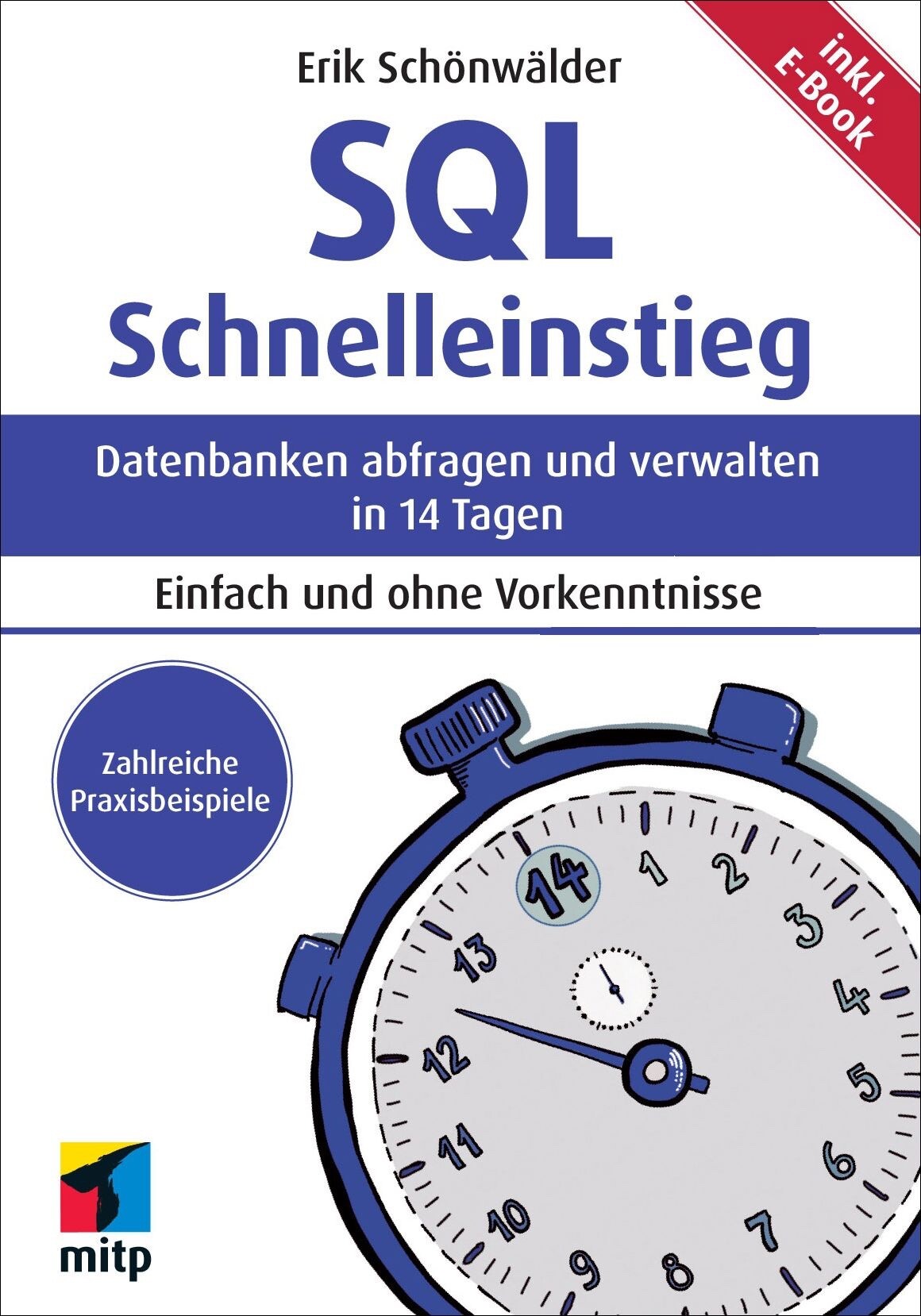
SQL Schnelleinstieg
Datenbanken abfragen und verwalten in 14 TagenMit diesem Buch gelingt Ihnen der einfache Einstieg in das Datenbankmanagement mit der Abfragesprache SQL. Alle Grundlagen werden in 14 Kapiteln leicht verständlich anhand von Beispielen erläutert.Der Autor führt Sie Schritt für Schritt in den Einsatz von SQL und die Grundlagen relationaler Datenbanken ein: von der fundamentalen Syntax und den ersten Datenbankabfragen über das Verknüpfen von Tabellen bis hin zur Datenbankerstellung und der Zugriffskontrolle.Alle Beispiele beziehen sich auf eine Beispieldatenbank, die auf der Webseite des Verlags zum Download bereitsteht, und lassen sich leicht auf eigene Anwendungsfälle übertragen. Die Besonderheiten bei der Verwendung von PostgreSQL und MySQL werden bei jedem Beispiel beschrieben.So sind Sie perfekt auf den Einsatz von SQL im professionellen Umfeld vorbereitet.Aus dem Inhalt:Alle Grundlagen einfach erläutertSQL-Syntax und Datenbank-AbfragenFiltern mit BedingungenGruppierung von Daten und AggregatfunktionenVerknüpfen von Tabellen und ErgebnissenSkalarfunktionen und UnterabfragenDatenbanken erstellen und anpassenRechteverwaltung und ZugriffskontrolleKomplexe SQL-Konzepte – Trigger, Indizes und ViewsLeseprobe (PDF-Link)Über den Autor:Erik Schönwälder arbeitet als wissenschaftlicher Mitarbeiter (Doktorand) an der Technischen Universität Dresden am Lehrstuhl für Datenbanken. Als Dozent lehrt er hauptsächlich Themen wie Datenbank-Engineering, Information Retrieval, SQL und NoSQL. Auch außerhalb der Universität unterrichtet er seine Fachgebiete online, beispielsweise bei der Heise Academy oder auf Udemy.

Erstellung hochwertiger Shader für Unity®
Shader gelten oft als mystisch und schwer zu entwickeln, selbst für erfahrene Programmierer, Künstler und Entwickler aus anderen Bereichen des Spieldesigns. Dieses Buch räumt mit dieser Vorstellung auf, indem es Ihr Wissen über in Stufen aufbaut. Es beginnt mit grundlegenden Shader-Mathematiken, erklärt, wie sich die Denkweise der Shader-Entwicklung von anderen Arten von Kunst und Programmierung unterscheidet, und geht dann langsam auf Themen wie Vertex- und Fragment-Shader, Beleuchtung, Tiefenbasierte Effekte, Texture Mapping und Shader Graph ein.Jedes dieser Themen wird mit einer umfassenden Aufschlüsselung, der benötigten Theorie und einigen praktischen Anwendungen für die im jeweiligen Kapitel gelernten Techniken präsentiert. Der HLSL (High Level Shading Language)-Code und Shader Graphs werden für jeden relevanten Abschnitt bereitgestellt, ebenso wie zahlreiche Screenshots.Am Ende des Buches werden Sie ein gutes Verständnis für den Shader-Entwicklungsprozess haben und bestens gerüstet sein, um Ihre eigenen ästhetischen und leistungsstarken Shader-Effekte für Ihre Spiele zu erstellen!WAS SIE IN DIESEM BUCH LERNEN Shaders in den Rendering-Pipelines von Unity zu verwenden Shader zu schreiben und ihr Verhalten mit C#-Skripting zu ändern Shader Graph für eine Entwicklung ohne Code zu nutzen Die wichtige Mathematik hinter Shadern zu verstehen, insbesondere Raumtransformationen Die Leistung von Shadern zu analysieren, um Optimierungspotenziale zu identifizieren ZUM INHALT Kapitel 1: Einführung in Shader in Unity. Kapitel 2: Mathematik für die Shader-Entwicklung. Kapitel 3: Ihr allererster Shader. Kapitel 4: Shader-Grafik. Kapitel 5: Texturen, UV-Koordinaten & Normal Mapping. Kapitel 6: Transparenz. Kapitel 7: Der Tiefenpuffer. Kapitel 8: Transparenz und Alpha. Kapitel 9: Weitere Shader-Grundlagen. Kapitel 10: Beleuchtung und Schatten. Kapitel 11: Bildeffekte und Nachbearbeitung. Kapitel 12: Erweiterte Shader. Kapitel 13: Profiling und Optimierung. Kapitel 14: Shader-Rezepte für Ihre Spiele. ZIELGRUPPENDieses Buch richtet sich an Anfänger in der Shader-Entwicklung oder Leser, die den Schritt von Shader-Code zum Shader Graph machen möchten. Es enthält auch einen Abschnitt über Shader-Beispiele für diejenigen, die bereits die Grundlagen von Shadern kennen und nach spezifischen Anwendungsfällen suchen.DANIEL ILETT ist Doktorand an der University of Warwick. Als leidenschaftlicher Spieleentwickler hat er sich auf Shader und technische Kunst spezialisiert. Er ist Autor verschiedener Lehr- und Tutorial-Inhalte, darunter Videos und schriftliche Arbeiten, die sich an Anfänger und fortgeschrittene Entwickler richten. Darüber hinaus arbeitet er freiberuflich an Shadern und visuellen Effekten für Spiele.
Ökonomische Nachhaltigkeit - Interdisziplinäre Perspektiven
Dieses Buch bietet als Band 4 einer zunächst vier Bände umfassenden Reihe grundlegende Informationen zum Thema „Ökonomische Nachhaltigkeit“. Die weiteren Bände der Reihe sind Band 1 (Allgemeine Grundlagen), Band 2 (Ökologie) und Band 3 (Soziales). Band 4 erläutert nach einer Darstellung der Grundlagen der Wirtschaft folgende Themenbereiche: Wirtschaftssystem, Finanzierung, Infrastruktur, Produktion und Konsum, Handel sowie Arbeit. In jedem dieser Kapitel werden zunächst die wesentlichen Fakten dargestellt und darauf aufbauend die Herausforderungen und aktuellen Entwicklungen erörtert. Das Kapitel „Wirtschaftssystem“ behandelt unter anderem die Themen Postwachstumsökonomie und Gemeinwohl-Ökonomie, Unterschiede im Wohlstand in verschiedenen Ländern sowie die Grenzen des Wirtschaftswachstums. Im Kapitel „Finanzierung“ geht es beispielsweise um Besteuerung, Entwicklungshilfe und Auslandsverschuldung. Das Kapitel „Infrastruktur“ behandelt nach einer Erläuterung der Bedeutung wirtschaftlicher Infrastruktur exemplarisch die Themen Infrastrukturdefizite und nachhaltige Innovationen. Wandel des Konsumverhaltens, Ressourcenknappheit, Megatrends im Handel, globaler Handel, Zukunft der Arbeit sowie informeller Arbeitssektor sind ausgewählte Stichworte in den Kapiteln „Produktion und Konsum“, „Handel“ sowie „Arbeit“. Das Buch unterstützt Führungskräfte, Spezialisten in Unternehmen und Politik sowie Studierende dabei, die vielfältigen Herausforderungen der ökonomischen Nachhaltigkeit besser zu verstehen. Neben Ökonomen werden auch Informatiker, Juristen und andere Berufsgruppen angesprochen, die über ihre Fachperspektive hinaus ein umfassendes Verständnis von ökonomischer Nachhaltigkeit erwerben möchten. Prof. Dr. Michael Jacob lehrt und forscht im Fachbereich Betriebswirtschaft der Hochschule Kaiserslautern. Nach einer Bankausbildung und einem Studium der Betriebswirtschaftslehre war er unter anderem als Mitglied der Geschäftsführung bei PricewaterhouseCoopers Consulting S.à r.l. Luxembourg und als wissenschaftlicher Leiter am Institut für Betriebswirtschaft und Wirtschaftsinformatik tätig. Als Autor von bisher sieben Fachbüchern und vielen anderen Veröffentlichungen versucht er, die Theorie mit seinen umfangreichen Praxiserfahrungen zu verknüpfen und Themen fachübergreifend zu vernetzen.Grundlagen der ökonomischen Dimension.- Wirtschaftssystem.- Finanzierung.- Infrastruktur.- Produktion und Konsum.- Handel.- Arbeit.- Gesamtbetrachtung.
Helidon Revealed
This book is your comprehensive introduction to Project Helidon, Oracle’s Java-based microservices framework for building cloud-native applications. The book introduces the two flavors of Helidon—Helidon SE and Helidon MP—and shows how to quickly build applications with each one.The book begins by placing the Helidon framework in context and explaining the MicroProfile and Jakarta EE specifications that underlie the building of microservices-based applications. From there, you will learn about the individual components of Helidon SE and Helidon MP, and you will see examples of building applications for both flavors, and for MicroProfile and Jakarta EE. Finally, the book shows how to convert Helidon applications from Java bytecode into native binaries for instant application startup and peak performance.WHAT YOU WILL LEARN* Choose correctly between Helidon SE and Helidon MP* Create starter applications using the Helidon SE and Helidon MP quick starts* Create server and client applications with Helidon SE components* Create a microservices-based application with the MicroProfile specifications* Create a database application with the Jakarta NoSQL specificationWHO THIS BOOK IS FORJava developers who create microservices applications; those interested in building such applications using the Helidon framework; and developers of microservices applications who want functionality such as native-image support through GraalVM, compatibility with MicroProfile, easy connectivity to database engines, and support for reactive development patternsMICHAEL REDLICH has been an active member within the Java community for the past 25 years. He founded the Garden State Java User Group in 2001 that remains in continuous operation. Since May 2016, Mike has served as a Java community news editor for InfoQ where his contributions include news items, technical articles and technical reviews for external authors. He has been the lead Java Queue Editor since July 2021. Mike was named a Java Champion in April 2023.Mike has presented at venues such as Oracle Code One, JCON, Emerging Technologies for the Enterprise, Trenton Computer Festival (TCF), TCF IT Professional Conference, and numerous Java User Groups. Mike serves as a committer on the Jakarta NoSQL and Jakarta Data specifications, and participates on the leadership council of the Jakarta EE AmbassadorsMike recently retired from ExxonMobil Technology & Engineering in Clinton, New Jersey with 33½ years of service. His experience included developing custom scientific laboratory applications, web applications, chemometrics, polymer physics, infrared spectroscopy and automotive testing. He also has experience as a Technical Support Engineer at Ai-Logix, Inc. (now AudioCodes) where he provided technical support and developed telephony applications for customers.Mike makes his home in Flemington, New Jersey with his lovely wife, Rowena, where they spend quality time cycling and traveling to New Orleans, Louisiana and Newport, Rhode Island throughout the year.PART I. GETTING STARTED.- 1. Introduction to Project Helidon.- 2. The MicroProfile Specification.- 3. The Jakarta EE Specifications.- PART II. HELIDON SE.- 4. Generating a Project with Helidon SE.- 5. Helidon Web Server.- 6. Helidon Web Client.- 7. Helidon Config.- 8. Helidon DB Client.- 9. Helidon Security.- PART III. HELIDON MP.- 10. Generating a Project with Helidon MP.- 11. Helidon Metrics.- 12. Helidon Fault Tolerance.- 13. Helidon Health Checks.- Appendix A. MicroProfile Release History.- Appendix B. The Jakarta EE Specifications.- Appendix C. Helidon Reactive Web Server.
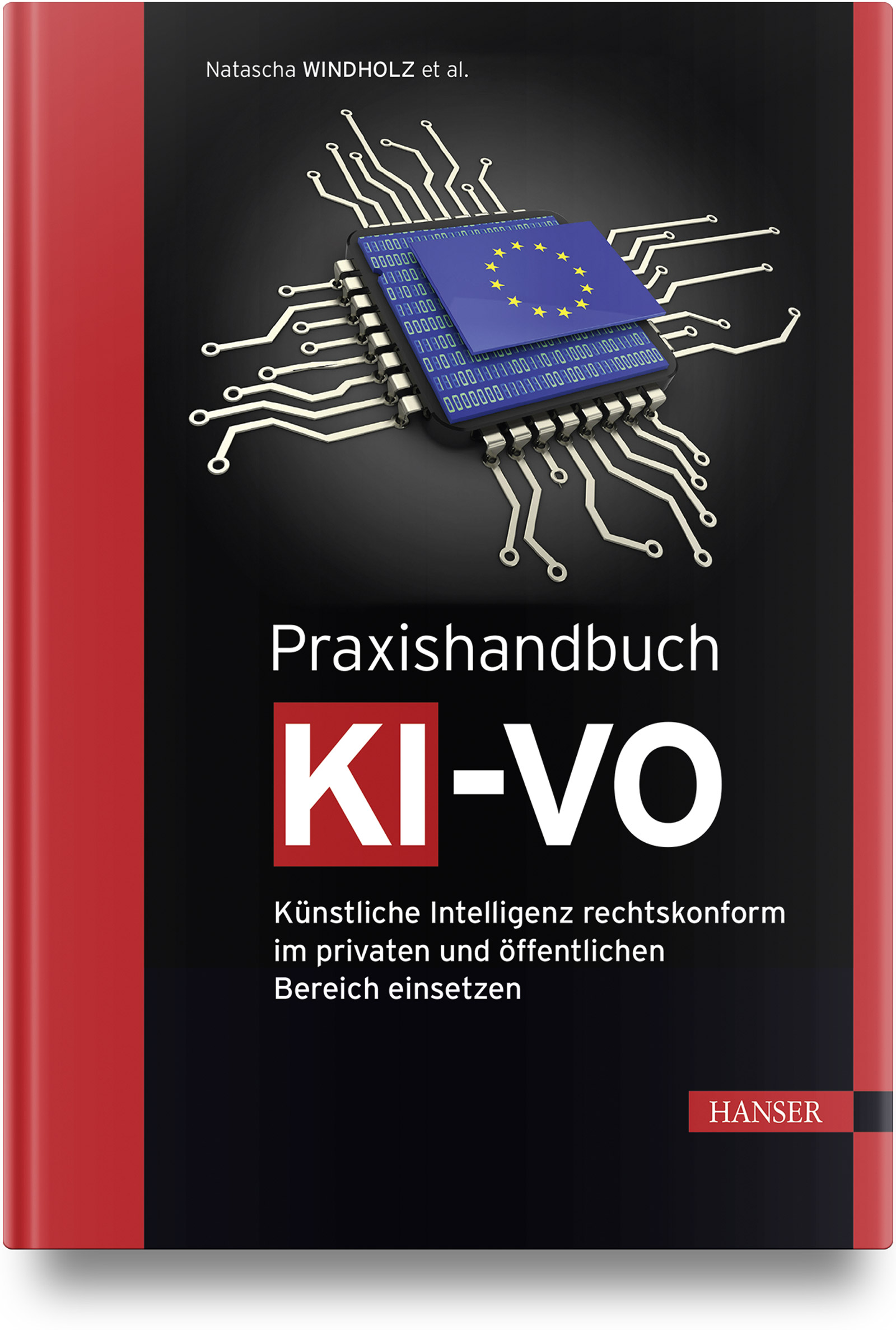
Praxishandbuch KI-VO
Praxishandbuch KI-VOVon Expertinnen für Praktiker:innen – mit diesem Handbuch bereiten Sie sich praxisnah und rechtskonform auf die Anforderungen der europäischen KI-Verordnung vor. Informieren Sie sich umfassend über die Auswirkungen auf die verschiedenen Anwendungsbereiche künstlicher Intelligenz im privaten und öffentlichen Sektor. Nach einer kurzen Einführung in die Geschichte und Technik von KI erhalten Sie eine detaillierte Einordnung der Inhalte der KI-Verordnung anhand der verschiedenen Risikoklassen. Anschließend werden mit dem Einsatz von KI eng verbundene Rechtsgebiete, insbesondere Datenschutz-, IP- und IT-Recht, eingehend behandelt. Anhand von Fallbeispielen erfahren Sie, welche Auswirkungen die KI-VO auf verschiedene Bereiche wie autonomes Fahren, Arbeit, kritische Infrastruktur, Medizin, Versicherung etc. hat. Dabei wird auch die Wechselwirkung mit den für diese Bereiche relevanten Rechtsgebieten berücksichtigt. Ein Praxisüberblick über das Thema KI Governance, Risk und Compliance (GRC) in Unternehmen, Tipps zur Anwendung von Richtlinien und Governance-Rahmenwerken, Umsetzungsideen für eine vertrauenswürdige KI sowie Standards, Normen und Zertifizierungen runden das Werk ab.Das AUTORINNENTEAM besteht aus Juristinnen, die auf IT-und Datenschutzrecht und den Einsatz von KI spezialisiert sind. Darunter sind u. a. eine der Vertreter:innen Österreichs bei den KI-Gesetzesverhandlungen auf EU-Ratsebene und die Gründerin der österreichischen Sektion von Women in AI.AUS DEM INHALTWas ist KI und wie unterscheiden sich Datenwissenschaft und Datenanalytik?Geopolitik der künstlichen IntelligenzKI-VO: Rechte und PflichtenDatenschutzGeistiges EigentumKI und IT-VertragsrechtPrivater SektorÖffentlicher SektorEthik Governance im Unternehmen

Grundlagen der Nachhaltigkeit - Interdisziplinäre Perspektiven
Dieses Buch bietet umfassende Informationen zum Thema „Nachhaltigkeit“. Es erläutert zunächst unterschiedliche Begriffsverständnisse der Nachhaltigkeit sowie verwandte Begriffe, wie z. B. Corporate Responsibility (CR), Corporate Social Responsibility (CSR) und Environmental, Social and Governance (ESG). Darauf aufbauend werden geschichtliche Entwicklungen dargestellt und die Umsetzung in ausgewählten Branchen beleuchtet. Weitere Schwerpunkte sind Strategien, Managementregeln und Leitprinzipien sowie die nachhaltigen Entwicklungsziele der Vereinten Nationen (SDGs). Modelle zur Lösung von Zielkonflikten und ausgewählte Ansätze zur Bewertung von Nachhaltigkeit finden ebenfalls Berücksichtigung. Unter anderem wird auf den ökologischen Fußabdruck, den Social Progress Index (SPI), den Genuine Progress Indicator (GPI) und das Life Cycle Sustainability Assessment (LCSA) eingegangen. Abschließend werden die menschlichen Bedürfnisse in Relation zur Nachhaltigkeit gesetzt. Das Buch unterstützt Führungskräfte, Fachleute in Unternehmen und Politik sowie Studierende dabei, die vielfältigen Herausforderungen der Nachhaltigkeit besser zu verstehen. Neben Ökonomen richtet es sich auch an Informatiker, Juristen und andere Berufsgruppen. Der Autor Prof. Dr. Michael Jacob lehrt und forscht im Fachbereich Betriebswirtschaft der Hochschule Kaiserslautern. Davor war er unter anderem als Mitglied der Geschäftsführung bei PricewaterhouseCoopers Consulting Luxembourg und als wissenschaftlicher Leiter am Institut für Betriebswirtschaft und Wirtschaftsinformatik tätig. Dieses Buch bietet als Band 1 von zunächst vier Bänden grundlegende Informationen zum Thema „Nachhaltigkeit“. Weitere Bestandteile der Reihe sind Band 2 (Ökologie), Band 3 (Soziales) und Band 4 (Ökonomie). Band 1 erläutert zunächst unterschiedliche Begriffsverständnisse der Nachhaltigkeit und vielfältige andere Begriffe, wie z. B. Corporate Responsibility (CR), Corporate Social Responsibility (CSR) und Environmental, Social und Governance (ESG). Darauf aufbauend werden geschichtliche Entwicklungen aufgezeigt und die Umsetzung in ausgewählten Branchen dargestellt. Weitere Schwerpunkte sind Strategien, Managementregeln und Leitprinzipien sowie die nachhaltigen Entwicklungsziele der Vereinten Nationen (SDGs). Modelle zur Lösung von Zielkonflikten und ausgewählte Ansätze zur Bewertung von Nachhaltigkeit finden ebenfalls Berücksichtigung. Unter anderem wird auf den ökologischen Fußabdruck, den Social Progress Index (SPI), den Genuine Progress Indicator (GPI) und das Life Cycle Sustainability Assessment (LCSA) eingegangen. Abschließend werden die menschlichen Bedürfnisse in Relation zur Nachhaltigkeit gesetzt. Das Buch hilft Führungskräften, Spezialisten in Unternehmen und Politik sowie Studierenden, die vielfältigen Herausforderungen der Nachhaltigkeit besser zu verstehen. Neben Ökonomen werden auch Informatiker, Juristen und andere Berufsgruppen angesprochen, wenn sie über ihre Fachperspektive hinaus ein umfassendes Verständnis von Nachhaltigkeit erwerben wollen. Begriffe.- Entwicklung und Umsetzung.- Zielkonzepte und Bewertung.- Systematik menschlicher Bedürfnisse. Prof. Dr. Michael Jacob lehrt und forscht im Fachbereich Betriebswirtschaft der Hochschule Kaiserslautern. Nach einer Bankausbildung und einem Studium der Betriebswirtschaftslehre war er unter anderem als Mitglied der Geschäftsführung bei PricewaterhouseCoopers Consulting S.à r.l. Luxembourg und als wissenschaftlicher Leiter am Institut für Betriebswirtschaft und Wirtschaftsinformatik tätig. Als Autor von bisher sieben Fachbüchern und vielen anderen Veröffentlichungen versucht er, die Theorie mit seinen umfangreichen Praxiserfahrungen zu verknüpfen und Themen fachübergreifend zu vernetzen.

Android 15 - Der schnelle Smartphone-Einstieg
für alle Pixel-, Motorola- & viele weitere Geräte mit purem AndroidMit diesem smarten Praxisbuch gelingt Ihnen der sichere Einstieg in Ihr Smartphone. Lernen Sie Ihr Handy mit dem puren Android 15-Betriebssystem kennen und beherrschen! Anschauliche Anleitungen, Beispiele und Bilder zeigen Ihnen gut nachvollziehbar, wie Sie Ihr mobiles Gerät optimal handhaben – von der Ersteinrichtung und Personalisierung über die große Funktionsvielfalt bis zu den wichtigsten Anwendungen.Nutzen Sie darüber hinaus die übersichtlichen Spicker-Darstellungen: Damit können Sie jene Bedienungs-schritte, die man am häufigsten braucht, aber immer wieder vergisst, auf einen Blick finden und umsetzen. Freuen Sie sich auf viele hilfreiche Tipps und legen Sie ganz einfach los!Aus dem Inhalt:- Alle Bedienelemente Ihres Android 15-Smartphones auf einen Blick- Ersteinrichtung und Tipps zum Umzug- Google-Konto erstellen und verwalten- Die Benutzeroberfläche Ihres Smartphones personalisieren- Apps aus dem Play Store herunterladen- Kontakte anlegen und im Adressbuch verwalten- Anrufe tätigen und SMS austauschen- Nachrichten über Mail & WhatsApp versenden / empfangen- Uhr, Kalender, Maps und andere praktische Apps nutzen- Fotos sowie Videos aufnehmen, verwalten und teilen- Ins Internet gehen über WLAN und mobile Daten- Updates, Datenschutz und Sicherheit

Windows 11 For Seniors For Dummies, 2nd Edition
THE TOP-SELLING WINDOWS BOOK FOR THE OLDER AND WISER CROWDWindows 11 For Seniors For Dummies, 2nd Edition delivers fluff-free information on making the latest version of Windows work for you. You'll get clear guidance on the basics, troubleshooting tips, and advice for staying safe while you use Windows to get online. Even if you've never used Windows before, this friendly guide will quickly teach you how to get started, without all the jargon and complicated steps. These simple steps and solutions give you the confidence boost you need to navigate the latest interface and even try out the artificial intelligence tools built into Windows. With larger print and clearer graphics, this For Seniors title saves you time and energy as you learn your way around your Windows computer.* Get started with the latest version of Windows—without a lot of unnecessary jargon* Communicate with friends, keep track of files, share photos and videos, and stream your favorite media* Try out Copilot, the Windows AI tool that offers fast answers to any question* Be your own tech guru with step-by-step troubleshooting and maintenance adviceThese days, a new computer or a new Windows update shouldn't have to slow you down. Spend less time learning and more time doing, with this edition of Windows For Seniors For Dummies.
Einstieg in Python (2. Auflg.)
Einstieg in Python - Grundlagen der Python-Programmierung leicht und verständlich erklärt, in 2. Auflage aus Dezember 2024Sie wollen endlich programmieren lernen und ihre ersten Projekte umsetzen. Hierfür bietet sich Python als eine der populärsten Programmiersprachen an. Mit diesem Buch gelingt Ihnen mühelos ein Einstieg, denn Sie werden auf Ihrer Entdeckungsreise vom erfahrenden Trainer Michael Inden begleitet. Er erklärt Ihnen die Grundlagen der Python-Programmierung leicht und verständlich. Generell wird die trockene Theorie auf ein Minimum reduziert. Ergänzend werden immer wieder auch Python-spezifische Besonderheiten wie Built-in-Funktionen, Slicing, Comprehensions, Generatoren usw. erklärt, die das Entwicklen erleichtern und Ihre Programme gleich von Anfang an Python-like, stilistisch schön – kurz Pythonic – machen.Eine große Rolle spielt der interaktive Einstieg mithilfe der Python-Kommandozeile. Damit können kleine Programme direkt ausprobiert werden und Erfolgserlebnisse stellen sich schnell ein. Dieses Vorgehen eignet sich ideal, um sich Python im Selbststudium sowie im eigenen Tempo anzueignen. Allmählich werden die Themen anspruchsvoller und die zu erstellenden Programme größer. Schließlich erfahren Sie, wie Sie eine Entwicklungsumgebung einsetzen, und lernen die objektorientierte Programmierung kennen. Mit den erworbenen Grundlagen können Sie sich immer gezielter mit eigenen Projekten beschäftigen. Erste Ideen liefern drei etwas umfangreichere Programmierbeispiele aus der Praxis, die zudem einen Einblick in das schrittweise, erfolgreiche Entwickeln von Applikationen geben.Das Buch besteht aus in sich abgeschlossenen, aufeinander aufbauenden Kapiteln zu den wesentlichen Bereichen der Programmiersprache Python und den relevanten Sprachelementen. Aufgaben und Musterlösungen runden viele Kapitel ab, sodass Sie das zuvor Gelernte direkt anhand neuer Problemstellungen praktizieren und Ihr Wissen vertiefen können.Zahlreiche kurze Codebeispiele verdeutlichen die Lerninhalte und laden zum Experimentieren ein. Gleich von Anfang an lernen Sie, Ihren Sourcecode sauber zu strukturieren und einen guten Stil zu entwickeln. Dabei hilft ein Kapitel zu Programmierregeln, sogenannten Coding Conventions und zum Testen mit Pytest.Diese zweite Auflage ergänzt Kapitel zur Bildverarbeitung sowie zu populären LLMs und deren vielfältigen Einsatzmöglichkeiten. Schließlich werden die Neuerungen aus Python 3.13 im Anhang vorgestellt.Leseprobe (PDF-Link)

Improving Operating Leverage Using Hyperautomation
Improving operating leverage is about operational resilience, structural operational efficiency, and sustainable revenue growth. Activity-based enterprise non-interest cost management is an important component of enterprise risk adjusted return management methodology. This book builds on the author Kannan Subramanian’s earlier book, _Event- and Data-Centric Enterprise Risk-Adjusted Return Management_, delving in depth into enterprise non-interest operating cost management and operating leverage.Operating Leverage is about managing a bank’s capabilities and its capacity to deliver its products and services efficiently. It is not limited to managing operational costs but includes the operational support for the growth of business and for improving profitability. Profit is an absolute measure that denotes the amount of money the bank makes after deducting all expenses. Profitability measures how efficient the bank is at utilizing its resources to generate risk-adjusted returns. The reader can learn to improve risk adjusted operational effectiveness by implementing a nuanced approach to managing performance, risk, control, and cost simultaneously, at the process level.You’ll examine how some institutions have implemented activity-based costing in a siloed environment and without enterprise process automation. Many institutions do not have a scientific way of managing non-interest costs. The book explains why hyperautomation, a technology that intelligently automates business processes, is a more advanced and comprehensive way to manage these factors in a holistic and integrated way._Improving Operating Leverage using Hyperautomation_ is your complete guide to enhancing risk adjusted operational performance through a nuanced approach to performance, risk, control, and costs at the process level.WHAT YOU WILL LEARN* Define and use the bill of resources to improve operating leverage.* Implement activity-based enterprise non-interest cost management using hyperautomation* Monitor performance, risk, control, and cost at the process level.* Implement time-driven activity-based costing for an enterprise risk-adjusted return model.WHO THIS BOOK IS FORMost banking industry professionals, including senior management teams, consultants, central bankers, financial regulators, software vendors, and Business Process Management Suite/Hyperautomation technology vendors.KANNAN SUBRAMANIAN R is a Chartered Accountant with 35+ years of experience in the banking and financial services industry and has experience with financial markets in USA, Europe, and Asia. He has worked for Standard Chartered Bank and for leading banking software solution companies, including the leading global risk management solution provider, Algorithmics, now part of IBM Risk Management & Analytics. KannanHe advises System Design Consulting Prospero AG on strategic matters and in the design of risk management and analytical solutions. He has successfully leveraged his academic and work experience to provide value to his customers. His passion for the subject motivates him to prioritize his time to write books on automation and risk-reward management in banks.www.BankERRM.org www.PBORM.org1 Enterprise Operating Model.- Chapter 2: Non-interest cost management.- Chapter: 3 Enterprise Process Automation, TDABC.- Chapter 4: Operating Leverage.- Chapter 5: Improving Operating Leverage.- Chapter 6: Operating Leverage – Bank of the Future.
ChatGPT Power-Prompting
Chat GPT Power-Prompting. Profi-Strategien für den erfolgreichen Einsatz von KI (1. Auflage, Januar 2025)Ihr Weg zum Power-PromptingMit diesem Praxisbuch lernen Sie alle Techniken, um das Potenzial von ChatGPT und ähnlicher KIs voll auszuschöpfen. Sie erfahren, wie Sie zielgerichtete Prompts schreiben und mit der KI interagieren, um qualitativ hochwertige Ergebnisse zu erhalten, die genau Ihren Anforderungen entsprechen. Ganz gleich, ob Sie ChatGPT im Berufsalltag oder privat einsetzen – dieses Buch führt Sie Schritt für Schritt zum Erfolg.Systematischer Leitfaden für Einsteiger und ProfisDieses Buch bietet eine umfassende Einführung in das professionelle Prompt Engineering. Erfahren Sie, wie Sie ChatGPT bestimmte Rollen zuweisen, Kontext und Zielgruppe genau festlegen und differenzierte Antworten erzielen. Diese grundlegenden Techniken sowie das Erstellen von Custom GTPs ermöglichen es Ihnen, die KI gezielt zu steuern und für jeden Anwendungsfall optimale Ergebnisse zu erhalten.ChatGPT effektiv in der Praxis einsetzenÜber 1.000 praxiserprobte Prompts demonstrieren, wie Sie ChatGPT als mächtiges Werkzeug in Ihren Alltag oder Arbeitsprozess integrieren: vom kreativen Schreiben über Reiseplanung, Sprachen lernen Bewerbungsschreiben und Terminplanung bis hin zu Marketing und Serien-Mails. So sind sie perfekt auf den Einsatz von ChatGPT in der Praxis vorbereitet.Aus dem Inhalt:Strategien für bessere PromptsPrompting-Parameter: Zielgruppe, Tonfall, Schlüsselwörter und mehrKreativität der Ausgabe steuern mit TemperaturenChatGPT eine Rolle zuweisenInteraktive Abfragen generierenKreatives schreiben mit KI:GeschichtenRedenDrehbücherBlogbeiträgePraxis-Prompts für Alltag und Familie:Sprachen lernenReise- und EventplanungRezepteChatGPT im Beruf:ProduktivitätE-Mails und SerienbriefeSocial Media und MarketingKarriereplanungPersonalisierte Chatbots erstellen mit Custom GPTsLeseprobe (PDF-Link)Über den AutorUlrich Engelke, Jahrgang 1963, hat das erste Staatsexamen in Germanistik und Anglistik sowie einen Magister mit Schwerpunkt Linguistik. Nach einem kurzen Ausflug in das Verlagswesen und selbstständiger Tätigkeit als Fachautor, hat er eine Internetagentur gegründet. Heute ist er als Unternehmensberater für Onlinemarketing mit Schwerpunkt SEO tätig. Sein besonderes Interesse gilt technischen Innovationen und deren ökonomischen wie gesellschaftlichen Auswirkungen.

ChatGPT Power-Prompting
* Effektive Prompting-Strategien für maßgeschneiderte KI-Ergebnisse inkl. Custom GPTs * Über 1.000 praxisbewährte Prompts für Beruf und Alltag * Ideal für Einsteiger und Fortgeschrittene geeignet Ihr Weg zum Power-Prompting Mit diesem Praxisbuch lernen Sie alle Techniken, um das Potenzial von ChatGPT und ähnlicher KIs voll auszuschöpfen. Sie erfahren, wie Sie zielgerichtete Prompts schreiben und mit der KI interagieren, um qualitativ hochwertige Ergebnisse zu erhalten, die genau Ihren Anforderungen entsprechen. Ganz gleich, ob Sie ChatGPT im Berufsalltag oder privat einsetzen - dieses Buch führt Sie Schritt für Schritt zum Erfolg. Systematischer Leitfaden für Einsteiger und Profis Dieses Buch bietet eine umfassende Einführung in das professionelle Prompt Engineering. Erfahren Sie, wie Sie ChatGPT bestimmte Rollen zuweisen, Kontext und Zielgruppe genau festlegen und differenzierte Antworten erzielen. Diese grundlegenden Techniken sowie das Erstellen von Custom GTPs ermöglichen es Ihnen, die KI gezielt zu steuern und für jeden Anwendungsfall optimale Ergebnisse zu erhalten. ChatGPT effektiv in der Praxis einsetzen Über 1.000 praxiserprobte Prompts demonstrieren, wie Sie ChatGPT als mächtiges Werkzeug in Ihren Alltag oder Arbeitsprozess integrieren: vom kreativen Schreiben über Reiseplanung, Sprachen lernen Bewerbungsschreiben und Terminplanung bis hin zu Marketing und Serien-Mails. So sind sie perfekt auf den Einsatz von ChatGPT in der Praxis vorbereitet. Aus dem Inhalt: * Strategien für bessere Prompts * Prompting-Parameter: Zielgruppe, Tonfall, Schlüsselwörter und mehr * Kreativität der Ausgabe steuern mit Temperaturen * ChatGPT eine Rolle zuweisen * Interaktive Abfragen generieren * Kreatives schreiben mit KI: * Geschichten * Reden * Drehbücher * Blogbeiträge * Praxis-Prompts für Alltag und Familie: * Sprachen lernen * Reise- und Eventplanung * Rezepte * ChatGPT im Beruf: * Produktivität * E-Mails und Serienbriefe * Social Media und Marketing * Karriereplanung * Personalisierte Chatbots erstellen mit Custom GPTs Ulrich Engelke, Jahrgang 1963, hat das erste Staatsexamen in Germanistik und Anglistik sowie einen Magister mit Schwerpunkt Linguistik. Nach einem kurzen Ausflug in das Verlagswesen und selbstständiger Tätigkeit als Fachautor, hat er eine Internetagentur gegründet. Heute ist er als Unternehmensberater für Onlinemarketing mit Schwerpunkt SEO tätig. Sein besonderes Interesse gilt technischen Innovationen und deren ökonomischen wie gesellschaftlichen Auswirkungen.

CISA Certified Information Systems Auditor Study Guide
PREPARE FOR SUCCESS ON THE 2024 CISA EXAM AND FURTHER YOUR CAREER IN SECURITY AND AUDIT WITH THIS EFFECTIVE STUDY GUIDEThe CISA Certified Information Systems Auditor Study Guide: Covers 2024-2029 Exam Objectives provides comprehensive and accessible test preparation material for the updated CISA exam, which now consists of 150 questions testing knowledge and ability on real-life job practices leveraged by expert professionals.You'll efficiently and effectively prepare for the exam with online practice tests and flashcards as well as a digital glossary. The concise and easy-to-follow instruction contained in the 2024-2029 CISA Study Guide covers every aspect of the exam. This study guide helps readers prepare for questions across the five domains on the test: Information System Auditing Process; Governance and Management of IT; Information Systems Acquisition, Development, and Implementation; Information Systems Operation and Business Resilience; and Protection of Information Assets.This study guide shows readers how to:* Understand principles, best practices, and pitfalls of cybersecurity, which is now prevalent in virtually every information systems role* Protect and control information systems and offer conclusions on the state of an organization's IS/IT security, risk, and control solutions* Identify critical issues and recommend enterprise-specific practices to support and safeguard the governance of information and related technologies* Prove not only competency in IT controls, but also an understanding of how IT relates to business* Includes 1 year free access to the Sybex online learning center, with chapter review questions, full-length practice exams, hundreds of electronic flashcards, and a glossary of key terms, all supported by Wiley's support agents who are available 24x7 via email or live chat to assist with access and login questionsThe CISA Certified Systems Auditor Study Guide: Covers 2024-2029 Exam Objectives is an essential learning resource for all students and professionals preparing for the 2024 version of the CISA exam from ISACA.ABOUT THE AUTHORSPETER H. GREGORY, CISA, CISSP, is a career technologist and cybersecurity leader. He is the Senior Director of GRC at GCI Communications, where he leads security policy, control frameworks, business continuity, third-party risk management, privacy, information and AI governance, and law enforcement wiretaps. MIKE CHAPPLE, PHD, CISA, CISSP, is a teaching professor of IT, analytics, and operations at the University of Notre Dame. He is a cybersecurity professional and educator with over 25 years experience including as chief information officer of Brand Institute and an information security researcher with the National Security Agency and the U.S. Air Force. Mike is the author of more than 200 books and video courses and provides cybersecurity certification resources at CertMike.com. Introduction xxiiiAssessment Test xxxvCHAPTER 1 IT GOVERNANCE AND MANAGEMENT 1IT Governance Practices for Executives and Boards of Directors 3IT Strategic Planning 10Policies, Processes, Procedures, and Standards 12Risk Management 23IT Management Practices 39Organization Structure and Responsibilities 62Maintaining an Existing Program 72Auditing IT Governance 75Summary 80Exam Essentials 81Review Questions 83CHAPTER 2 THE AUDIT PROCESS 87Audit Management 89ISACA Auditing Standards 99Risk Analysis 108Controls 115Performing an Audit 121Control Self-Assessment 144Implementation of Audit Recommendations 147Audit Quality Assurance 148Summary 148Exam Essentials 150Review Questions 152CHAPTER 3 IT LIFE CYCLE MANAGEMENT 157Benefits Realization 159Project Management 165Systems Development Methodologies 191Infrastructure Development and Deployment 230Maintaining Information Systems 234Business Processes 237Managing Third Parties 244Application Controls 247Auditing the Systems Development Life Cycle 253Auditing Business Controls 258Auditing Application Controls 258Auditing Third-Party Risk Management 261Summary 262Exam Essentials 264Review Questions 266CHAPTER 4 IT SERVICE MANAGEMENT 271Information Systems Operations 273Systems Performance Management 274Problem and Incident Management 277Change, Configuration, Release, and Patch Management 279Operational Log Management 286IT Service Level Management 288Database Management Systems 290Data Management and Governance 294Other IT Service Management Topics 295Auditing IT Service Management and Operations 297Summary 301Exam Essentials 302Review Questions 304CHAPTER 5 IT INFRASTRUCTURE 309Information Systems Hardware 310Information Systems Architecture and Software 324Network Infrastructure 330Asset Inventory and Classification 386Job Scheduling and Production Process Automation 390System Interfaces 391End-User Computing 392Auditing IT Infrastructure 393Summary 398Exam Essentials 399Review Questions 401CHAPTER 6 BUSINESS CONTINUITY AND DISASTER RECOVERY 405Business Resilience 406Incident Response Communications 473Auditing Business Continuity Planning 475Auditing Disaster Recovery Planning 479Summary 484Exam Essentials 485Review Questions 487CHAPTER 7 INFORMATION SECURITY MANAGEMENT 491Information Security 493Role of the Information Security Manager 494Information Security Risks 497Building an Information Security Strategy 501Implementing Security Controls 505Endpoint Security 507Network Security Controls 511Cloud Computing Security 519Cryptography 528Exploring Cybersecurity Threats 539Privacy 545Security Awareness and Training 548Security Incident Response 550Auditing Information Security Controls 554Summary 559Exam Essentials 560Review Questions 563CHAPTER 8 IDENTITY AND ACCESS MANAGEMENT 567Logical Access Controls 568Third-party Access Management 587Environmental Controls 592Physical Security Controls 599Human Resources Security 602Auditing Access Controls 606Summary 616Exam Essentials 617Review Questions 619CHAPTER 9 CONDUCTING A PROFESSIONAL AUDIT 623Understanding the Audit Cycle 624How the IS Audit Cycle Is Discussed 625Overview of the IS Audit Cycle 627Summary 699APPENDIX A POPULAR METHODOLOGIES, FRAMEWORKS, AND GUIDANCE 701Common Terms and Concepts 702Frameworks, Methodologies, and Guidance 710Notes 738References 738APPENDIX B ANSWERS TO REVIEW QUESTIONS 741Chapter 1: IT Governance and Management 742Chapter 2: The Audit Process 744Chapter 3: IT Life Cycle Management 746Chapter 4: IT Service Management 748Chapter 5: IT Infrastructure 749Chapter 6: Business Continuity and Disaster Recovery 750Chapter 7: Information Security Management 752Chapter 8: Identity and Access Management 754Index 759

C++ Essentials For Dummies
THE QUICK AND CRYSTAL-CLEAR GUIDE TO C++ PROGRAMMINGC++ Essentials For Dummies is your useful reference to the key concepts of C++, the popular general-purpose language utilized everywhere from building games to writing parts of operating systems. With minimal review and background material—and absolutely no fluff—this book gets straight to the essential topics you need to know to ramp up, brush up, or level up.* Get a helpful intro to the basic concepts of coding in C++* Review what you already know or pick up essential new skills* Create projects that run smoothly with the C++ language* Keep this concise reference book handy for jogging your memory as you workGreat for supplementing classroom learning, reviewing for a certification, or staying knowledgeable on the job, C++ Essentials For Dummies is a fantastic refresher guide that you can always turn to for answers. JOHN PAUL MUELLER produced more than 100 books and more than 600 articles on a range of topics, including functional programming techniques, application development using C++, and machine learning methodologies. RONALD MAK teaches computer science and data science at San Jose State University. He was formerly a senior scientist at NASA and JPL, and has written books on software design, compiler construction, and numerical computing.

Python lernen mit KI-Tools
Python lernen mit KI-Tools - Einstieg in die Programmierung mit KI-Unterstützung, als Erstauflage aus Dezember 2024.Python eignet sich hervorragend für den Einstieg in die Programmierung. Dieser abwechslungsreiche Praxiskurs führt Sie Schritt für Schritt in die Sprache ein, beginnend mit grundlegenden Konzepten über Funktionen und Datenstrukturen bis hin zur objektorientierten Programmierung. Das Buch geht auch auf die spannenden neuen Möglichkeiten ein, die KI-Assistenten wie ChatGPT Programmiererinnen und Programmierern bieten, und zeigt effektives Prompting, das Testen von Code und das Debugging mit KI.Durch zahlreiche Übungen, bei denen KI-Tools zum Einsatz kommen, sowie Fallstudien, kurze Verständnistests und kleinere Projekte in Jupyter Notebooks können Sie die neu erlernten Programmierkonzepte gleich ausprobieren. Auf diese Weise festigen Sie Ihr Verständnis für die konkrete Programmierpraxis und erfahren, wie KI-Assistenten Sie auch zukünftig im Programmieralltag unterstützen können.Starten Sie mit den Grundlagen, einschließlich Sprachsyntax und SemantikEntwickeln Sie eine klare Vorstellung von den jeweiligen ProgrammierkonzeptenLernen Sie Variablen, Anweisungen, Funktionen und Datenstrukturen kennenArbeiten Sie mit Dateien und DatenbankenVerstehen Sie Objekte, Methoden und objektorientierte ProgrammierungWenden Sie Debugging-Techniken an, um Syntax-, Laufzeit- und Semantikfehler zu behebenNutzen Sie KI-Tools von Anfang an, um Ihren Lernprozess zu beschleunigenLeseprobe (PDF-Link)Zum Autor:Allen B. Downey ist Redakteur bei Brilliant und emeritierter Professor für Informatik am Olin College of Engineering, Massachusetts. Er hat am Wellesley- und am Colby-College und an der Universität von Berkeley Informatik unterrichtet. Seinen Doktortitel in Informatik hat er an der U.C. Berkeley erworben, seinen Master am MIT. Seine zahlreichen bei O’Reilly erschienenen Bücher sind bekannt für ihre ausgefeilte und praxiserprobte Didaktik.

Python lernen mit KI-Tools
Nutzen Sie KI-Assistenten, um Python schneller und effektiver zu lernen! Eine der ersten Einführungen in die Programmierung, die virtuelle Assistenten wie ChatGPT (LLMs) aktiv und didaktisch durchdacht für einen besseren Lernerfolg nutzt Die Übungsaufgaben werden mit ChatGPT gelöst und dabei auch der Einsatz von KI-Assistenten als Hilfsmittel für die Programmierung gezeigt Inklusive Prompting, Testen von Code und Debugging mit LLMs Als Lernumgebung werden Jupyter Notebooks genutzt Python eignet sich hervorragend für den Einstieg in die Programmierung. Dieser abwechslungsreiche Praxiskurs führt Sie Schritt für Schritt in die Sprache ein, beginnend mit grundlegenden Konzepten über Funktionen und Datenstrukturen bis hin zur objektorientierten Programmierung. Das Buch geht auch auf die spannenden neuen Möglichkeiten ein, die KI-Assistenten wie ChatGPT Programmiererinnen und Programmierern bieten, und zeigt effektives Prompting, das Testen von Code und das Debugging mit KI. Durch zahlreiche Übungen, bei denen KI-Tools zum Einsatz kommen, sowie Fallstudien, kurze Verständnistests und kleinere Projekte in Jupyter Notebooks können Sie die neu erlernten Programmierkonzepte gleich ausprobieren. Auf diese Weise festigen Sie Ihr Verständnis für die konkrete Programmierpraxis und erfahren, wie KI-Assistenten Sie auch zukünftig im Programmieralltag unterstützen können. Starten Sie mit den Grundlagen, einschließlich Sprachsyntax und Semantik Entwickeln Sie eine klare Vorstellung von den jeweiligen Programmierkonzepten Lernen Sie Variablen, Anweisungen, Funktionen und Datenstrukturen kennen Arbeiten Sie mit Dateien und Datenbanken Verstehen Sie Objekte, Methoden und objektorientierte Programmierung Wenden Sie Debugging-Techniken an, um Syntax-, Laufzeit- und Semantikfehler zu beheben Nutzen Sie KI-Tools von Anfang an, um Ihren Lernprozess zu beschleunigen

Decentralized Business
Embark on a journey to business evolution grounded in the real-world experiences and challenges faced by those at the forefront of the Web2 revolution. In a landscape where adaptability is paramount, this book is a guiding light amidst a sea of uncertainty. Crafted by seasoned Web2 professionals, it offers a unique perspective on transitioning from traditional cloud computing to decentralized technologies.Delving beyond theory, this book provides actionable insights and strategies to navigate the complexities of Distributed Ledger Technologies (DLTs). Rather than just discussing the implementation of DLTs, it explores the intricacies of execution, offering tangible guidance to facilitate a seamless transition to the decentralized landscape. Moreover, this book doesn't stop at transition—it's a blueprint for thriving in the Web3 era. By offering strategic perspectives and tactical advice, it equips businesses of all sizes to not only survive but flourish in the decentralized economy. Whether you're a startup poised for disruption or an established enterprise seeking innovation, 'Decentralized Business' empowers you to confidently embrace the future.The time for passive observation is over; the future of business is decentralized, and _Decentralized Business_ is your guide to navigating this evolution. Join the ranks of forward-thinkers shaping tomorrow's economy—secure your copy now and begin the journey of transformation and opportunity.WHAT YOU WILL LEARN* Understand the foundational concepts of DLTs and their relevance to Web2 professionals.* Review security considerations and best practices for implementing decentralized solutions.* Apply strategies for integrating DLTs into existing cloud-based infrastructures.WHO THIS BOOK IS FORIT managers and executives looking to explore the potential of decentralized solutions; technology consultants advising businesses on digital transformation and cloud-based strategies; professionals and architects are seeking to expand their knowledge into the realm of DLTsSYED MOHAMED THAMEEM NIZAMUDEEN is a distinguished Information Technology leader with a rich history of leadership roles at Oracle, Ernst & Young (EY), and PriceWaterhouseCoopers (PWC). His expertise lies in cloud computing, cloud security, big data, machine learning, AI, and Application Modernization, where he applies his vast knowledge to pioneer innovative solutions.Syed has worked with C-Suite executives of Fortune 100 firms in the past advising them on their Application Modernization efforts in aspects of IaaS, PaaS, SaaS, Cloud Security, Multi-cloud, Internet of Things during his tenure with reputed technology Advisory firms –PricewaterhouseCoopers and Ernst & Young. Syed is committed to advancing technology’s role in shaping the business landscape. Syed can be reached at smthameem@gmail.com.GAURAV DESHMUKH is a highly-skilled technology leader with over a decade of experience driving transformative software engineering initiatives. Throughout his career, he has held pivotal technical roles at prominent companies such as Guidewire, Cigna, Home Depot, American Agricultural Laboratory (AmAgLab), Tata Exlsi, and Amdocs. Gaurav's expertise encompasses a range of cutting-edge technologies, including cloud computing, cybersecurity, software automation, data engineering, and full-stack development with various programming languages and web technology frameworks. He employs his vast knowledge to create innovative solutions that optimize workflows and drive business growth.Gaurav holds both an MBA and a Master's degree in Computer Science, with a focus on data warehousing and computer vision. He is dedicated to elevating the strategic role of software engineering in delivering business value. As a distinguished leader, Gaurav can be reached at gauravkdeshmukh89@gmail.com to explore transformative technical initiatives.Chapter 1: Introduction: Decentralized Business In The Web3 Era.- Chapter 2: Understanding Distributed Ledger Technologies (DLTs).- Chapter 3: Distributed Ledger Technologies: Relevance for Cloud Professionals.- Chapter 4: Use Cases of DLTs in Cloud Computing.- Chapter 5: Integrating DLTs into Cloud-Based Infrastructures.- Chapter 6: Challenges and Security Considerations in Decentralized Implementations.- Chapter 7: Web3 Strategies for Cloud Professionals.- Chapter 8: Case Studies: Successful Transitions.- Chapter 9: Regulatory Considerations in Decentralized Cloud Solutions.- Chapter 10: Future Trends: The Intersection of Cloud and Decentralized Technologies.- Chapter 11: Conclusion: Navigating the Web3 Landscape.
AI and the Reinvention of Work
Artificial intelligence will fundamentally change our working world. We can already see what technology is capable of, but that is nothing compared to what we can expect in the future. Should we be afraid of these changes, or should we welcome them? Are we at the mercy of an unstoppable force? No, because, after all, we are the ones who have brought about this development. This book will help you evaluate your fears by putting the upcoming changes on a solid base. It shows where we have come from in order to understand where we are going to, or, in other words, where we should go in order to shape the future at our will. Using scenarios, Klaus Kornwachs examines the fields of work in which major AI-related changes can be expected and shows that major disruptions have already taken place in the past. You will find out what today’s developments mean and how to classify them without rushing to proclaim a new age. The book offers an outlook on possible future work environments. Work will probably consist of more creative, less routine-based activities. The current employer-employee relationship will change from working to rule to defining and completing tasks independently. This is not a prediction, but a spectrum of possibilities that could result from the technological developments. There is always more than one option. To find out what we want, it is worth looking at the meaning of work as part of human existence. There are many different views on this, all of which are presented in the book. After reading this book, some of the current discussions about the impact of AI on the working world will appear exaggerated to you. You will gain a better understanding of the limits of AI as well as our own limits. You will also be able to decide where AI can overcome those limits and where we need to set limits for ourselves.

Praxishandbuch KI-VO
• Detaillierter Überblick über die KI-Verordnung • Auswirkung der Verordnung auf verschiedene Bereiche (u. a. Finanzen, Arbeitsrecht, Werbung und Verwaltung) • Verwandte Rechtsgebiete (Datenschutz-, IP- und IT-Recht) • Praxisüberblick über KI Governance, Risk und Compliance in Unternehmen • Informationen zu Standards, Normen und Zertifizierungen Von Expertinnen für Praktiker:innen – mit diesem Handbuch bereiten Sie sich praxisnah und rechtskonform auf die Anforderungen der europäischen KI-Verordnung vor. Informieren Sie sich umfassend über die Auswirkungen auf die verschiedenen Anwendungsbereiche künstlicher Intelligenz im privaten und öffentlichen Sektor. Nach einer kurzen Einführung in die Geschichte und Technik von KI erhalten Sie eine detaillierte Einordnung der Inhalte der KI-Verordnung anhand der verschiedenen Risikoklassen. Anschließend werden mit dem Einsatz von KI eng verbundene Rechtsgebiete, insbesondere Datenschutz-, IP- und IT-Recht, eingehend behandelt. Anhand von Fallbeispielen erfahren Sie, welche Auswirkungen die KI-VO auf verschiedene Bereiche wie autonomes Fahren, Arbeit, kritische Infrastruktur, Medizin, Versicherung etc. hat. Dabei wird auch die Wechselwirkung mit den für diese Bereiche relevanten Rechtsgebieten berücksichtigt. Ein Praxisüberblick über das Thema KI Governance, Risk und Compliance (GRC) in Unternehmen, Tipps zur Anwendung von Richtlinien und Governance-Rahmenwerken, Umsetzungsideen für eine vertrauenswürdige KI sowie Standards, Normen und Zertifizierungen runden das Werk ab. Das AUTORINNENTEAM besteht aus Juristinnen, die auf IT-und Datenschutzrecht und den Einsatz von KI spezialisiert sind. Darunter sind u. a. eine der Vertreter:innen Österreichs bei den KI-Gesetzesverhandlungen auf EU-Ratsebene und die Gründerin der österreichischen Sektion von Women in AI. AUS DEM INHALT // • Was ist KI und wie unterscheiden sich Datenwissenschaft und Datenanalytik? • Geopolitik der künstlichen Intelligenz • KI-VO: Rechte und Pflichten • Datenschutz • Geistiges Eigentum • KI und IT-Vertragsrecht • Privater Sektor • Öffentlicher Sektor • Ethik • Governance im Unternehmen
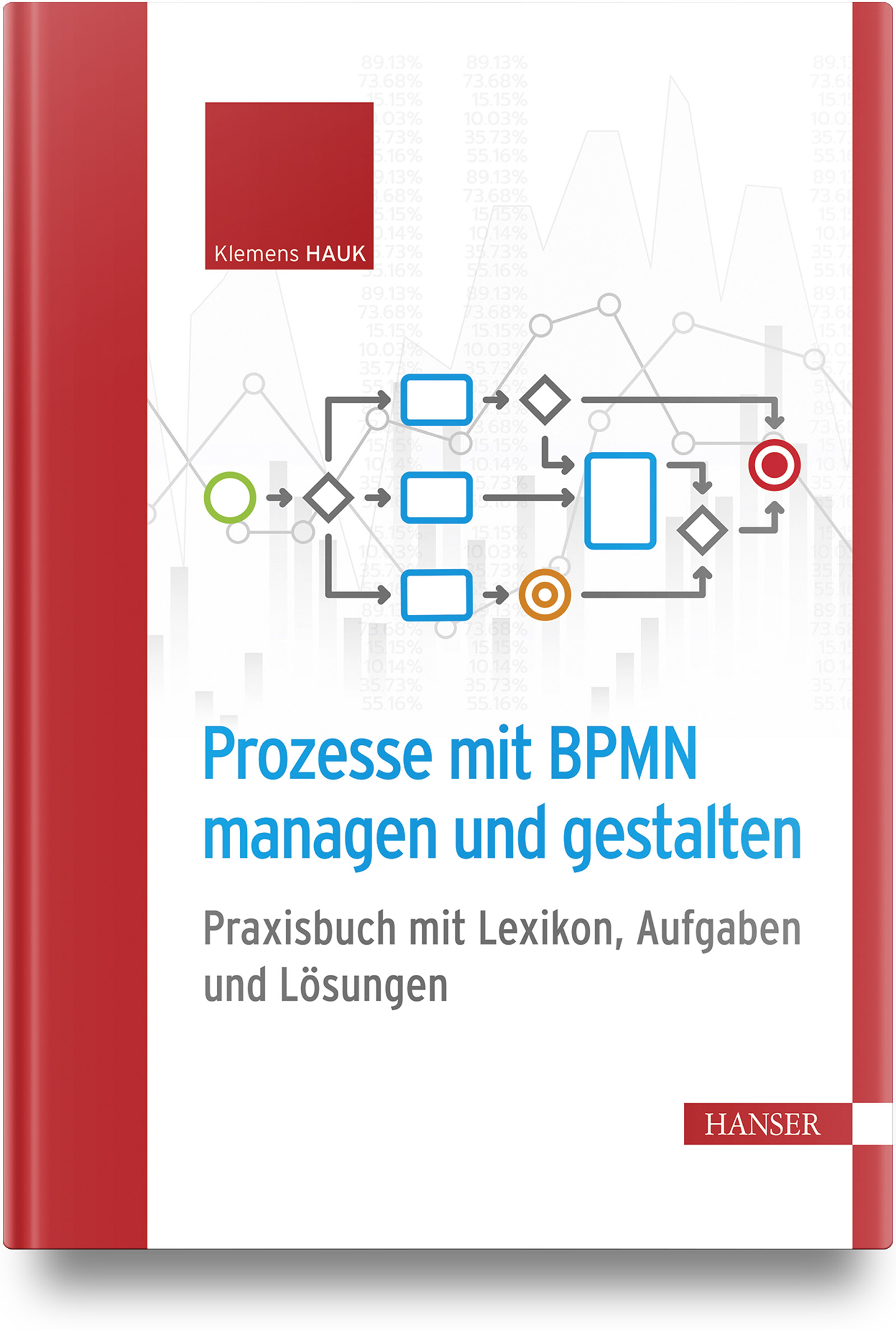
Prozesse mit BPMN managen und gestalten
Lernerfolg garantiert!Mit BPMN (Business Process Model and Notation) werden Prozesse modelliert und einheitlich grafisch dargestellt. BPMN bildet die Basis jeglicher Prozessoptimierung und verknüpft die Anforderungen von Management und IT.Dieses Praktikerwerk besteht aus zwei Teilen: einem Lexikon und einem Aufgabenteil mit Lösungen.Im Lexikonteil werden alle wesentlichen Begriffe rund um BPMN praxisorientiert erläutert und mit vielen Beispielen veranschaulicht. Alle relevanten Fragen rund um das Managen und Modellieren der Prozesse werden dabei beantwortet: Worauf kommt es an? Was sind die Ziele? Warum sind Regeln wichtig und welche bieten sich an? Oder was ist beispielsweise bei der Prozessanalyse, Hierarchisierung oder beim Stil zu beachten?Beim Aufgaben- und Lösungsteil geht es um die konkrete Umsetzung. Hier kommen Sie direkt ins Tun. Die Aufgaben umfassen von Analysen, grafischen Darstellungen bis hin zur Dokumentation Problemstellungen, die genau so auch in der Praxis vorkommen. Anhand des praktischen Lösungsteils ist dabei jederzeit eine Selbsteinschätzung möglich und der Lernerfolg garantiert.- Wissen, worauf es bei BPMN ankommt- Prozesse managen und modellieren- Einfach, anschaulich und konsequent praxisorientiert Dipl. Ing. Klemens Hauk studierte Elektrotechnik und Nachrichtentechnik an der RWTH Aachen. Er ist freiberuflicher IT-Projektleiter (ERP/SAP), IT-Manager in der Industrie (Prozesse & Anwendungsentwicklung), Dozent und Lehrbeauftragter für IT, Projektmanagement, Prozessmodellierung und SAP.

Mastering VMware Cloud Disaster Recovery and Ransomware Resilience
Examine the complexities of detecting ransomware and the potential rocky road to recover after it has infected a system environment. This book addresses the topic of Disaster and Ransomware Recovery in the VMware Cloud.You’ll start by examining the challenge of implementing a robust disaster recovery solution, and how to address it through a Disaster Recovery-as-a-service (DRaaS) approach. The book then introduces the basics of the VMware Live Cyber Recovery solution and how it is fully integrated with VMware Cloud on AWS to offer an easy-to-use SaaS-based solution with a pay-as-you-go model for a faster recovery at a very low TCO. It also provides a technical deep dive into VMware Live Cyber Recovery architecture by detailing the features and capabilities of the solution including the concepts of Protected Sites, Protection Groups, Disaster Recovery Plans, and Failover testing.In subsequent chapters, you’ll review in depth the Ransomware recovery case where you will learn more on the impact of Ransomware on IT organizations and how to address ransomware recovery. Finally, you’ll take a deep dive into the technical architecture and features of the VMware Live Cyber Recovery Ransomware recovery capabilities, and how it can address ransomware threats with a very flexible, on-demand and easy-to-use SaaS delivery model with cloud economics. _Mastering VMware Cloud Disaster Recovery and Ransomware Resilience_ provides you with the best practices on how to recover from ransomware.WHAT YOU’LL LEARN* Review the different concepts of VMware Live Cyber Recovery* Understand the complexity of ransomware attacks and how it can impact your business.* Recover data after a ransomware attack* Implement a ransomware recovery solution.WHO THIS BOOK IS FORIT managers, IT architects, Cloud architects, network engineers, security officers, backup administrators, and infrastructure managersCHRISTOPHE LOMBARD is an IT Architect with 26 years of experience in designing and delivering complex solutions in both consultative and technical leadership with a specific focus on Cloud and IT Transformation. He has worked within large organizations like NEC, CSC, EMC, DELL, and more recently in a startup called Cloudreach. He has helped dozens of IT professionals and organizations achieve their business objectives through business and consultative engagements. During his career, he has served as a Network engineer, project manager, consultant and cloud architect.He started developing his knowledge in VMware in 2005 and his cloud expertise in 2015. He is passionate about the development of innovation in companies using new technologies: cloud, IaaS, infrastructure as code, microservices, and big data. His two areas of expertise opened a door for him at VMware in 2020 during the pandemic.As a Lead Cloud Solution Architect, Christophe helpsdrive VMware Cloud on AWS and VMware Cloud Disaster Recovery products adoption with key customers. He loves to learn, to enable and to educate people including customers, partners, and colleagues on all the cloud technologies he is focused on.Christophe holds an AWS Certified Solution Architect - Associate certification and has following VMware certifications: VMware Cloud (VCP-VMC) 2022, VCP & VCAP DCV, VCP & VCAP - Design NV 2021, and is vExpert 2021/2022/2023. Christophe also promotes and shares his knowledge on VMware technology and cloud solutions on his blog: vminded.com.In his spare time, he enjoys working on his creative pursuits such as photography. Find Christophe at linkedin.com/in/lombardchristopheChapter 1: Introduction-Disaster Recovery Context.- Chapter 2: Understanding VMware Live Cyber Recovery.- Chapter 3: Ransomware Threat and Recovery Strategies.
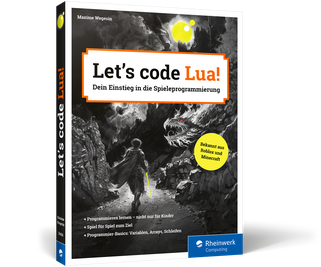
Let's code Lua!
Let's code Lua!Entdecke die vielfältigen Möglichkeiten von Lua! In diesem Buch lernst du spielerisch das Programmieren und erschaffst dabei deine eigenen Games, ganz ohne Vorkenntnisse. Die Programmiersprache Lua ist ideal für Einsteiger, da sie leicht zu lernen ist und schnelle Erfolgserlebnisse bringt.Tauche ein in die spannende Fantasywelt des jungen Zauberers Marvin und programmiere Schritt für Schritt unterhaltsame Minispiele. Von interaktiven Geschichten über »Feuer, Wasser, Eis« bis zu einem 2D-Actionspiel in der »Cave of Doom«. So eignest du dir die Grundlagen der Programmierung an – wie Variablen, Arrays und Schleifen. Maxime Wegesin bringt dir in diesem Buch alles bei, was du brauchst, um coole Games zu programmieren!Aus dem Inhalt:Der spielerische ProgrammieeinstiegHow to Code: die Grundlagen mit LuaSchritt für Schritt zum ersten GameVariablen, Ausdrücke, Arrays und SchleifenInteraktive Geschichten, Monster bekämpfenSpiel für Spiel dazulernenEinführung in das Löve-FrameworkSpiele mit Grafik, Sound und InputZeig, was du gelernt hast in der »Cave of Doom«Über den Autor:Maxime Wegesin hat 2014 an der Uni Bonn seinen Master of Science in Mathematik abgeschlossen. Schon während seines Studiums begleitete er mehrere Programmierkurse und entdeckte seine Leidenschaft dafür, anderen das Programmieren näherzubringen.
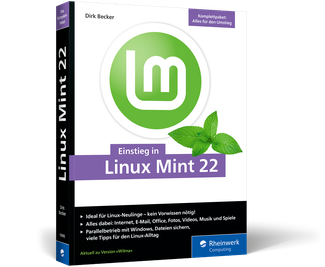
Einstieg in Linux Mint 22 (6. Auflg.)
Einstieg Linux Mint 22 (6. Auflg.)Mit diesem Buch wird der Einstieg in Linux ganz leicht! Aufschlagen, Mint installieren und los geht's. Dirk Becker führt Sie Schritt für Schritt durch die beliebte Linux-Distribution, die genau auf die Bedürfnisse von Linux-Neulingen und Anfängern zugeschnitten ist. Er zeigt Ihnen, welche Variante für Sie die richtige ist und wie Sie das große Angebot an Apps für sich nutzen. Mit dabei sind natürlich die beliebte Office-Suite Libre Office, die Bildbearbeitung mit GIMP sowie die Virtualisierungs-Software Wine, mit der sich Windows-Anwendungen und Games auch auf einem Linux-System nutzen lassen. Tipps zum Arbeiten mit der Konsole und zur Wartung des Systems sowie ein umfangreicher Troubleshooting-Guide machen das Buch zum Must-have für Linux-Einsteiger.Aus dem Inhalt :Linux Mint installierenParallelbetrieb mit WindowsOffice-Anwendungen nutzenIm Internet mit Linux MintMultimedia und SpieleBackup, Datensicherung und VerschlüsselungSystemverwaltung, Terminal, TreiberWindows-Programme mit Wine installierenDateien im Netz freigebenÜber den Autor :Dirk Becker, bekennender Linuxer und zugleich Windows-Administrator, ist ausgebildeter Energieanlagenelektroniker und Informatiker und arbeitet seit 1999 selbstständig in Projekten als Administrator, Programmierer und als Dozent.