

Security
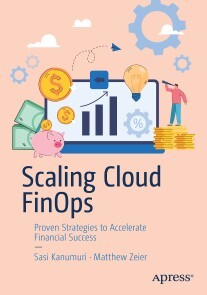
Scaling Cloud FinOps
Responding to the escalating demands placed on organizations and enterprises as they navigate the intricacies of cloud economics, this book offers pragmatic insights for establishing a sturdy foundation for cloud cost management. _Scaling Cloud FinOps_ empowers you with the knowledge and strategies to harness efficient cloud technology usage to proficiently manage cloud costs, refine expenditure, and implement robust, scalable Cloud FinOps practices. At the same time, it arms engineering leaders and executives with the necessary tools to foster a culture of cost awareness critical to greater profitability.At the heart of the book lies author Sasi Kanumuri’s #Piggy-Bank Framework, an innovative approach to cloud cost governance that offers a practical blueprint to streamline cost reporting, provisioning, and resource management through automation, efficiency, and overall financial performance. You’ll also delve into the intricacies of the 6-factor formula, a proven approach to cloud cost management. From resource rightsizing and cost allocation models to automated guardrails and vendor management, each factor serves as a pillar to support your organization's financial goals.Looking beyond numbers, _Scaling Cloud FinOps_ will give you the tools needed to orchestrate a cultural shift that can permeate every aspect of your organization. You'll learn how to cultivate a cost-aware engineering culture in which financial policies give every team member the knowledge and motivation to make data-driven decisions that drive efficiency, unlocking significant cost savings and cloud financial excellence.What You Will Learn* Cultivate a culture of cost awareness and accountability within engineering teams, fostering collaboration and data-driven decision-making to enhance cloud efficiency* Best practices from FinOps pioneers who've scaled world-class FinOps Teams at tech giants and startups* Explore unique frameworks enriched with real-world case studies, providing invaluable insights into effective cloud cost management (CCM)* Acquire expert techniques in cost optimization, automation, and vendor management, all proven to deliver significant savings and optimal efficacyWho This Book Is ForProfessionals and leaders across the cloud, IT, finance, and procurement industries interested in streamlining cloud expenditures, cultivating a culture of cost awareness across the organization, and establishing robust cloud cost management strategies. Whether you're a novice or seasoned in FinOps practices, this book equips you with the tools to maximize the business value of your cloud investments.SASI KANUMURI is a renowned cloud strategy and FinOps/ cloud economics expert known for his innovative frameworks and diverse skill set. With a deep understanding of cloud architecture and expertise in cloud infrastructure, Sasi specializes in driving high efficiency and optimization across organizations. He has a proven track record of achieving substantial cost savings and leading successful cloud migrations.Sasi's thought leadership in FinOps has left a lasting impact on the industry. He has led FinOps teams at large companies like Slack, Lacework, and UC Berkeley, shaping the future of cloud efficiency programs and guiding organizations toward significant cost reductions. His expertise in vendor management and deal strategy has resulted in advantageous agreements and solid, long-lasting partnerships.As a pioneer in cloud economics, Sasi bridges the gap between finance, procurement, operations, and engineering, setting new standards for efficiency programs and redefining industry norms. He continues to be a sought-after leader in the field, committed to customer success and ongoing innovation, empowering organizations to optimize their cloud investments and drive sustainable growth.Sasi Kanumuri's unique "#Piggy-bank" framework for cost governance is at the core of his approach. This innovative framework gives organizations insights and knowledge to promote cost awareness and meaningful conversations about cloud expenditure.Additionally, Sasi has trained and mentored numerous individuals in the cloud sector. He has a passion for continuous learning and a commitment to professional education. He’s led educational sessions, workshops, and internal meetups, sharing expertise and empowering engineering teams to flourish and succeed.MATTHEW ZEIER is a veteran of supporting and running at-scale production services across some of the largest high-tech companies, including Mozilla, Apple, VMware, and Lacework. Early in his career, he recognized that managing cloud spend should be part of engineering culture and has worked to advocate for efficient cloud usage across organizations.As a former network engineer–turned sysadmin–turned SRE leader, he can understand cloud usage and architecture across several discrete system components. Using Customer Happiness as his north star, he focuses on Platform Reliability and efficiency as two foundational elements of a FinOps practice. As an engineering leader, Matthew has supported small and large teams (70+) while supporting infrastructure and services with 12x user growth. He has done this while being hyper-aware of the economics behind those services.As an automation fanatic, he coined #BeachOps as a framing device for automation to build for the lazy rather than the busy and to ensure engineers focus on the important over the urgent.1. Cloud FinOps.- 2. Cloud Cost Visibility.- 3. Cloud Cost Insights.- 4. Cloud Cost Governance.- 5. Shift Left with Culture.- 6. Cost Optimization.- 7. Automation.- 8. Vendor Management.- 9. Conclusion.

Data Privacy in der Praxis
Data Privacy in der Praxis. Datenschutz und Sicherheit in Daten- und KI-Projekten.Noch nie war der Druck, Datenschutz zu gewährleisten, so stark wie heute. Die Integration von Privacy in Datensysteme ist jedoch nach wie vor komplex. Dieser Leitfaden vermittelt Data Scientists und Data Engineers ein grundlegendes Verständnis von modernen Datenschutzbausteinen wie Differential Privacy, Föderalem Lernen und homomorpher Verschlüsselung. Er bietet fundierte Ratschläge und Best Practices für den Einsatz bahnbrechender Technologien zur Verbesserung des Datenschutzes in Produktivsystemen.Privacy-Spezialistin Katharine Jarmul zeigt in diesem Buch, welche Auswirkungen die DSGVO und der California Consumer Privacy Act (CCPA) auf Ihre Data-Science-Projekte haben. Sie erklärt, wie Daten anonymisiert werden, welche Datenschutztechniken für Ihre Projekte geeignet sind und wie Sie sie integrieren. Sie erfahren außerdem, wie Sie einen Plan für Ihr Datenprojekt erstellen, der Datenschutz und Sicherheit von Anfang an berücksichtigt. Katharine Jarmul verbindet dabei eine fundierte technische Perspektive mit leicht verständlichen Übersichten über die neuesten technologischen Ansätze und Architekturen.Zielgruppe: Data Scientists, Data Engineers, DatenschutzbeauftragteÜber die Autorin: Katharine Jarmul ist Datenschutzaktivistin und Data Scientist, ihre Arbeit und Forschung konzentriert sich auf Privacy und Sicherheit in Data-Science-Workflows. Sie arbeitet als Principal Data Scientist bei Thoughtworks und war in zahlreichen Führungspositionen und als unabhängige Beraterin bei großen Unternehmen und Start-ups in den USA und Deutschland tätig, wo sie Daten- und Machine-Lerning-Systeme mit integrierter Privacy und Sicherheit entwickelt hat.

Data Privacy in der Praxis
Bewährte Praktiken zur Verbesserung von Privacy für Daten aus technischer, organisatorischer und rechtlicher Sicht - Das Buch zeigt, wie Sie dafür sorgen, dass die Daten in Ihrem Projekt privat, anonymisiert und sicher sind - Auf den europäischen Markt zugeschnitten, behandelt die DSGVO eingehend - Umfasst auch Themen wie ChatGPT und Deep Fakes - Katharine Jarmul ist eine renommierte Privacy-Spezialistin. Sie arbeitet für Thoughtworks und ist Mitgründerin der PyLadies Die Anforderungen an den Datenschutz sind in Daten- und KI-Projekten heute so hoch wie nie. Die Integration von Privacy in Datensysteme ist jedoch nach wie vor komplex. Dieser Leitfaden vermittelt Data Scientists und Data Engineers ein grundlegendes Verständnis von modernen Datenschutzbausteinen wie Differential Privacy, Federated Learning und homomorpher Verschlüsselung. Privacy-Spezialistin Katharine Jarmul zeigt Best Practices und gibt praxiserprobte Ratschläge für den Einsatz bahnbrechender Technologien zur Verbesserung des Datenschutzes in Produktivsystemen. Das Buch beantwortet diese wichtigen Fragen: - Wie wirken sich Datenschutzbestimmungen wie die DSGVO oder der California Consumer Privacy Act (CCPA) auf meine Datenworkflows und Data-Science- Anwendungen aus? - Was ist unter »anonymisierten Daten« zu verstehen und wie lassen sich Daten anonymisieren? - Wie funktionieren Federated Learning und Federated Analysis? - Homomorphe Verschlüsselung klingt großartig – doch ist sie auch anwendungsreif? - Wie kann ich datenschutzwahrende Technologien und Verfahren miteinander vergleichen, um die für mich beste Wahl zu treffen? Welche Open-Source-Bibliotheken stehen hierfür zur Verfügung? - Wie stelle ich sicher, dass meine Data-Science-Projekte von vornherein geschützt und sicher sind? - Wie kann ich mit den für Governance und Informationssicherheit verantwortlichen Teams zusammenarbeiten, um interne Richtlinien in geeigneter Weise umzusetzen?
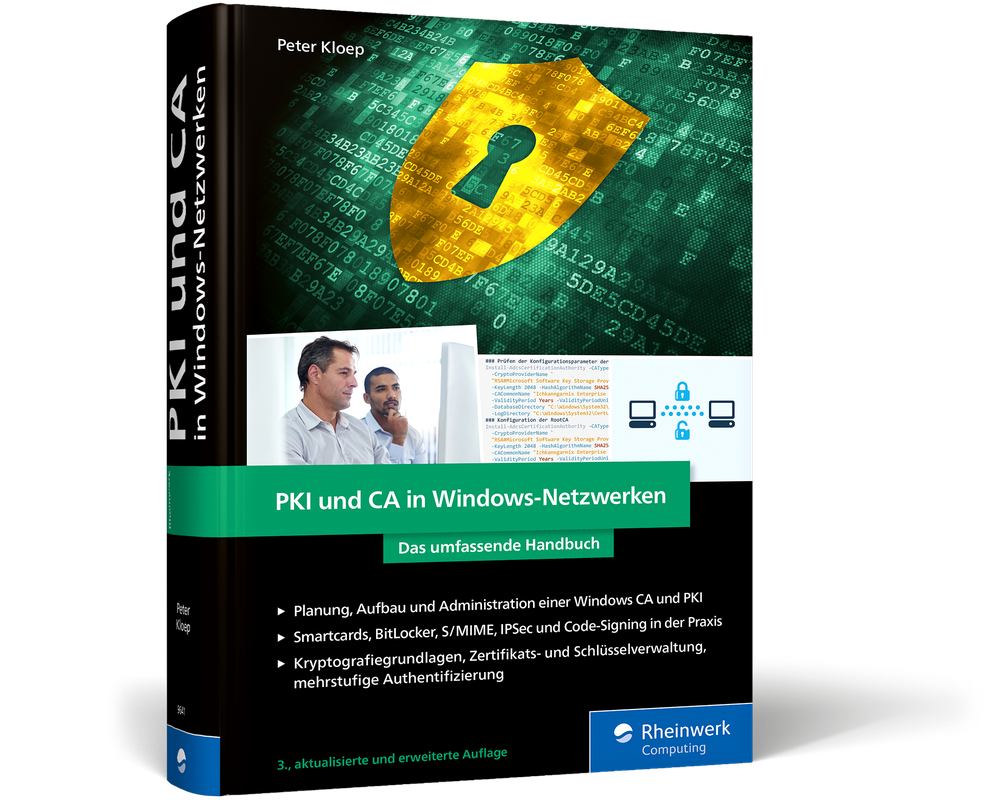
PKI und CA in Windows-Netzwerken (3. Auflg.)
Wie der Aufbau einer sicheren Public Key Infrastructure mit dem Windows Server gelingt, zeigt Ihnen Peter Kloep in diesem Handbuch mit umfassenden Anleitungen, Hintergrundinformationen und Tipps aus der Praxis. Das Buch liefert Ihnen alle Schritte von der Planung der CA bis zum Ablauf oder Widerruf der Zertifikate und betrachtet damit die gesamte Lebenszeit der Infrastruktur. Lernen Sie, wie Sie für Sicherheit in Ihrem Netzwerk sorgen, indem Sie WLAN- und VPN-Zugangspunkte schützen, BitLocker, S/MIME sowie IPSec einsetzen und Zertifizierungsstellen für Mail- und Webserver konfigurieren.Umfassende Sicherheit, kompetent erklärt1. Einrichtung und GrundlagenErfahren Sie, wie eine Public Key Infrastructure aufgebaut wird und was bei der Einrichtung der Zertifizierungsstelle zu beachten ist. Hintergrundinfos zu Verschlüsselungsalgorithmen und Signaturen führen zum sicheren Umgang mit den anspruchsvollen Features.2. Vereinfachen Sie die AdministrationSorgen Sie für weniger Kopfschmerzen bei der Planung Ihrer Infrastruktur: Sie lernen, wie Zertifikatsvorlagen verwaltet, Schlüssel archiviert und Funktionstests durchgeführt werden. So haben Sie die Komponenten sicher im Griff.3. Integration in Ihr NetzwerkErstellen Sie Zertifikate für Domaincontroller, den WLAN- und VPN-Zugriff sowie Web- und Mailserver. Nutzen Sie zudem Sicherheitstechniken wie BitLocker, IPSec und S/MIME kompetent in Ihrem Unternehmensnetzwerk.Aus dem Inhalt:Grundlagen: Public Key Infrastructure und Certificate AuthorityWas ist eine PKI, wozu wird sie verwendet, aus welchen Komponenten besteht sie?Verschlüsselung vs. Signatur, Algorithmen, Gültigkeit eines Zertifikats prüfenAufbau der Infrastruktur einer Windows-Zertifizierungsstelle: notwendige Parameter und Rahmenbedingungen für eine CA-InstallationInstallation und Konfiguration einer mehrstufigen Windows CA-InfrastrukturVerwalten von Zertifikatsvorlagen, Konfiguration der Schlüsselarchivierung, FunktionstestsEinsatz einer Windows CA-Infrastruktur im UnternehmenZertifikate für Domaincontroller, WLAN- und VPN-Zugriff, BitLocker, IPSec, Web- und Mailserver, S/MIME, Codesignaturen, RegistrierungsagentenSmartcards zur Zweifaktor-AuthentifizierungWartung einer Windows-Zertifizierungsstellen-Infrastruktur. Erneuern von ZertifikatenBackup und RecoveryMigration und Monitoring der ZertifizierungsstelleÜber den Autor:Peter Kloep ist ein herausragender Experte für sichere Windows-Infrastrukturen im deutschsprachigen Raum. Seit 2002 ist er Microsoft Certified Trainer und hat seitdem zahlreiche technische Trainings zur Windows-Administration durchgeführt. Außerdem ist er Microsoft Certified Systems Engineer und Microsoft Certified Solutions Expert – Windows Server 2012.Er war bei Microsoft als Premier Field Engineer tätig und unterstützte dort Premier-Kunden in den Bereichen Identity Management und Security. Er kennt daher die in diesem Buch beschriebenen Fragestellungen aus der Praxis, ist mit den Ansprüchen der Unternehmen vertraut und geht gezielt auf potentielle Fallstricke und Probleme ein.Leseprobe (PDF-Link)

Google Cloud Platform (GCP) Professional Cloud Security Engineer Certification Companion
Written in a simple and developer-focused style, this book gives you the tools and knowledge you need to ace the GCP Professional Cloud Security Engineer certification exam. The approach is two-fold: introducing and implementing all GCP cloud security concepts and controls based on the certification exam objectives, and demonstrating how these concepts can be applied to real-world scenarios.Your study begins with cloud identities in GCP and different identity types (user accounts, service accounts, groups, and domains) and how separation of duties is implemented with access controls and Identity and Access Management (IAM). Emphasis is placed on the unique GCP approach to managing resources, with its clear distinction between resource ownership and resource billing. Following the _defense in depth_ principle, the book shifts focus to network security and introduces different types of constructs that enable micro-segmentation, as they are implemented in a software-defined network. A chapter devoted to data protection is included. You will learn how to leverage the Data Loss Prevention (DLP) application programming interface (API) to prevent access to your workloads’ sensitive data from unauthorized use. Examples on how to use the DLP API are provided using the Go language, which is becoming widely adopted in the developer community due to its simplicity, and high-performance networking and multi-processing capabilities. Encryption at rest, in use, and in transit is covered with an overview on how GCP implements confidential computing. The book concludes with an examination of the GCP services you need to know to monitor, audit, and ensure compliance with the laws and regulations where your workloads and infrastructure operate.By the end of the book, you will have acquired the knowledge and confidence to pass the GCP Professional Cloud Security Engineer certification exam and to successfully design, architect, and engineer security solutions with the Google Cloud Platform.Bonus Material: IAM deny policiesWHAT YOU WILL LEARN* Understand the five security principles and how to use them to drive the development of modern security architectures in Google Cloud* Secure identities with Cloud Identity and Identity & Access Management (IAM)* Secure the network with segmentation and private connectivity* Protect sensitive data with the Data Loss Prevention (DLP) API and encryption* Monitor, log, audit, and troubleshoot security incidents with the Google Cloud Operations Suite* Ensure compliance and address regulatory concernsWHO THIS BOOK IS FORSoftware engineers specializing in DevOps, SecOps, and DataOps, who possess expertise in the Software Development Life Cycle (SDLC) methodologies within Agile teams. It also targets software architects with proficiency in various domains such as security, network, solution, data, infrastructure, cloud, and enterprise architecture.DARIO CABIANCA is a computer scientist (PhD, University of Milan), published author, and Cloud Architect. He has worked with a variety of global enterprises for more than two decades, and possesses 10 cloud certifications with GCP, AWS, Microsoft Azure, and ISC2. He used his own fail-proof techniques to prepare and pass GCP, AWS, Microsoft Azure, and ISC2 exams. He is excited to share his knowledge to help readers of his study companion book prepare for the GCP Professional Cloud Security Engineer certification exam, and also come away equipped with the necessary tools and knowledge to be confident and successful on the job.1: Exam Overview.- 2: Configuring Access.- 3: Configuring Perimeter and Boundary Security.- 4: Ensuring Data Protection.- 5: Managing Security Operations.- 6: Supporting Compliance Requirements.
ISC2 CISSP Certified Information Systems Security Professional Official Practice Tests
FULL-LENGTH PRACTICE TESTS COVERING ALL CISSP DOMAINS FOR THE ULTIMATE CISSP PREPThe ISC2 CISSP Official Practice Tests is a major resource for ISC2 Certified Information Systems Security Professional (CISSP) candidates, providing 1300 unique practice questions. The first part of the book provides 100 questions per domain. You also have access to four unique 125-question practice exams to help you master the material. As the only official practice tests endorsed by ISC2, this book gives you the advantage of full and complete preparation. These practice tests align with the 2024 version of the CISSP Detailed Content Outline to ensure up-to-date preparation, and are designed to cover what you will see on exam day. Coverage includes: Security and Risk Management, Asset Security, Security Architecture and Engineering, Communication and Network Security, Identity and Access Management (IAM), Security Assessment and Testing, Security Operations, and Software Development Security.The CISSP credential signifies a body of knowledge and a set of guaranteed skills that put you in demand in the marketplace. This book is your ticket to achieving this prestigious certification, by helping you test what you know against what you need to know.* Test your knowledge of the 2024 CISSP domains* Identify areas in need of further study* Gauge your progress throughout your study and preparation* Practice test taking with Sybex’s online test environment containing the questions from the bookThe CISSP objectives are refreshed every few years to ensure that candidates are up-to-date on the latest security topics and trends. Currently-aligned preparation resources are critical, and periodic practice tests are one of the best ways to truly measure your level of understanding.ABOUT THE AUTHORS MIKE CHAPPLE, PHD, CISSP, CCSP, is a teaching professor of IT, analytics, and operations at the University of Notre Dame. He is a cybersecurity professional and educator with over 25 years experience including as chief information officer of Brand Institute and an information security researcher with the National Security Agency and the U.S. Air Force. Mike is the author of more than 200 books and video courses and provides cybersecurity certification resources at CertMike.com. DAVID SEIDL, CISSP, is Vice President for Information Technology and CIO at Miami University. During his IT career, he has served in a variety of technical and information security roles including serving at the Senior Director for Campus Technology Services at the University of Notre Dame where he co-led Notre Dame’s move to the cloud. He holds multiple additional technical certifications including CySA+, Pentest+, GPEN, and GCIH. David has written numerous books on security certification and cyberwarfare. Introduction xiiiChapter 1 Security and Risk Management (Domain 1) 1Chapter 2 Asset Security (Domain 2) 25Chapter 3 Security Architecture and Engineering (Domain 3) 51Chapter 4 Communication and Network Security (Domain 4) 75Chapter 5 Identity and Access Management (Domain 5) 99Chapter 6 Security Assessment and Testing (Domain 6) 123Chapter 7 Security Operations (Domain 7) 147Chapter 8 Software Development Security (Domain 8) 171Chapter 9 Practice Test 1 197Chapter 10 Practice Test 2 231Chapter 11 Practice Test 3 257Chapter 12 Practice Test 4 287Appendix Answers to Review Questions 315Index 475

SAP Business Technology Platform - Administration
Vereinheitlichen Sie Ihre SAP-Landschaft auf einer zentralen Plattform! Dieser praktische Leitfaden beinhaltet alles, was Sie für die Administration der BTP wissen müssen: von der neuen Account-Struktur über die Benutzerverwaltung und die Lizenzmodelle der SAP BTP bis hin zum Cloud Connector. Aus dem Inhalt: Cloud ConnectorGlobal Accounts und Subaccounts administrierenSAP BuildSAP Business Application Studio SAP Integration SuiteCloud Transport ManagementIdentity AuthenticationSAP Discovery CenterOpen ID ConnectSAP BTP BoostersSAML Einleitung ... 13 1. Einführung in die SAP BTP ... 17 1.1 ... Historie und Positionierung ... 18 1.2 ... SAP-BTP-Lizenzmodelle, Service Level Agreements und wichtige Dokumente ... 22 1.3 ... Global Accounts und Subaccounts ... 26 1.4 ... SAP Discovery Center ... 28 1.5 ... Entitlements und Servicepläne ... 36 1.6 ... Best Practices ... 39 1.7 ... Troubleshooting ... 53 1.8 ... Ressourcen ... 56 2. Benutzerverwaltung ... 57 2.1 ... Sicherheit und Berechtigungen ... 58 2.2 ... SAP Cloud Identity Services ... 73 3. Fortgeschrittene Identity-Authentication-Service-Themen ... 115 3.1 ... SAML 2.0 ... 116 3.2 ... OpenID Connect ... 119 3.3 ... Praxisbeispiel: SAP Identity Authentication Service als Proxy zu Microsoft Entra ID ... 123 3.4 ... Praxisbeispiel: Zwei-Faktor Authentifizierung/risikobasierte Authentifizierung ... 151 3.5 ... Praxisbeispiel: Conditional Authentication ... 158 4. Global Accounts administrieren ... 163 4.1 ... Zugang zum Global Account ... 164 4.2 ... Authentication und Authorization Management ... 165 4.3 ... Verzeichnisse ... 187 4.4 ... SAP-BTP-Booster ... 194 4.5 ... Systemlandschaft ... 200 4.6 ... Resource Provider ... 202 4.7 ... Entitlements ... 204 4.8 ... Usage Monitoring ... 206 5. Subaccounts administrieren ... 209 5.1 ... Einen Subaccount anlegen ... 210 5.2 ... Authentifizierung und Autorisierung ... 215 5.3 ... Organizations, Spaces und Quotas ... 255 5.4 ... Subscriptions und Services ... 261 5.5 ... Audit Log Viewer Service ... 263 6. Cloud Connector ... 265 6.1 ... Installation und Konfiguration des Cloud Connectors ... 265 6.2 ... Hochverfügbarkeit sicherstellen ... 289 6.3 ... Connectivity ... 299 7. SAP Business Application Studio aktivieren und einrichten ... 309 7.1 ... SAP Business Application Studio einrichten ... 310 7.2 ... Berechtigungen erteilen ... 316 7.3 ... Mit Dev Spaces arbeiten ... 316 7.4 ... Externe Systeme in SAP Business Application Studio nutzen ... 318 7.5 ... Versionierung mit Git Repositorys ... 323 8. Die SAP Integration Suite aktivieren und einrichten ... 333 8.1 ... Funktionen und Historie der SAP Integration Suite ... 334 8.2 ... Subaccount anlegen und Entitlements zuordnen ... 335 8.3 ... Subscription erstellen ... 340 8.4 ... Capabilities aktivieren ... 345 8.5 ... Process Integration Runtime instanziieren ... 352 8.6 ... Service Key anlegen ... 356 9. SAP Cloud Transport Management für die SAP Integration Suite aktivieren und einrichten ... 359 9.1 ... SAP Cloud Transport Management aktivieren ... 360 9.2 ... SAP Cloud Transport Management in der Test- und Produktivinstanz bereitstellen ... 367 9.3 ... Systemlandschaft in SAP Cloud Transport Management anlegen ... 369 9.4 ... SAP Content Agent Service im Subaccount bereitstellen ... 373 9.5 ... SAP Cloud Transport Management in der SAP Integration Suite konfigurieren ... 385 10. SAP Build aktivieren und einrichten ... 393 10.1 ... SAP Build Apps ... 394 10.2 ... SAP Build Process Automation ... 407 10.3 ... SAP Build Work Zone ... 415 Die Autoren ... 451 Index ... 453

PKI und CA in Windows-Netzwerken
Wie der Aufbau einer sicheren Public Key Infrastructure mit dem Windows Server gelingt, zeigt Ihnen dieses Handbuch mit umfassenden Anleitungen, Hintergrundinformationen und Tipps aus der Praxis. Es liefert Ihnen alle Schritte von der Planung der CA bis zum Ablauf oder Widerruf der Zertifikate und betrachtet damit die gesamte Lebenszeit der Infrastruktur. Lernen Sie, wie Sie für Sicherheit in Ihrem Netzwerk sorgen, indem Sie WLAN- und VPN-Zugangspunkte schützen, BitLocker, S/MIME sowie IPSec einsetzen und Zertifizierungsstellen für Mail- und Webserver konfigurieren. Aus dem Inhalt: Grundlagen: Public Key Infrastructure und Certificate AuthorityWas ist eine PKI, wozu wird sie verwendet, aus welchen Komponenten besteht sie?Verschlüsselung vs. Signatur, Algorithmen, Gültigkeit eines Zertifikats prüfenAufbau und Planung der Infrastruktur einer Windows-Zertifizierungsstelle: notwendige Parameter und Rahmenbedingungen für eine CA-InstallationInstallation und Konfiguration einer mehrstufigen Windows CA-InfrastrukturVerwalten von Zertifikatsvorlagen, Konfiguration der Schlüsselarchivierung, FunktionstestsEinsatz einer Windows CA-Infrastruktur im UnternehmenZertifikate für Domaincontroller, WLAN- und VPN-Zugriff, BitLocker, IPSec, Web- und Mailserver, S/MIME, Codesignaturen, RegistrierungsagentenSmartCards zur Zweifaktor-AuthentifizierungWartung einer Windows-Zertifizierungsstellen-Infrastruktur: Erneuern eines CA-ZertifikatesBackup und RecoveryMigration und Monitoring der Zertifizierungsstelle Materialien zum Buch ... 11 Vorwort ... 13 Geleitwort des Fachgutachters ... 15 1. Public Key Infrastructure und Certificate Authority ... 17 1.1 ... Was ist ein Zertifikat? ... 19 1.2 ... Zertifizierungsstellen ... 65 1.3 ... Aufbau einer Infrastruktur für öffentliche Schlüssel ... 73 1.4 ... Protokolle und Algorithmen ... 75 2. Aufbau einer Windows-CA-Infrastruktur ... 87 2.1 ... Notwendige Parameter und Rahmenbedingungen für eine CA-Installation ... 88 2.2 ... Installationsvoraussetzungen für eine CA ... 98 2.3 ... Notwendige Rechte für die Installation einer Zertifizierungsstelle ... 105 2.4 ... Installation der AD CS-Rolle ... 113 2.5 ... Konfiguration einer einfachen CA-Infrastruktur ... 136 2.6 ... Installation einer mehrstufigen CA-Infrastruktur ... 160 2.7 ... Die Funktionsweise der installierten Umgebung prüfen ... 223 2.8 ... Installation einer Zertifizierungsstelle auf einem Windows Server Core ... 226 2.9 ... Zertifikatrichtlinie und Zertifikatverwendungsrichtlinie ... 233 2.10 ... Verwendung von Hardware-Security-Modulen (HSMs) ... 240 2.11 ... Installation der zusätzlichen AD CS-Rollendienste ... 248 2.12 ... Hochverfügbarkeit ... 276 2.13 ... PowerShell-Skripte für die Installation ... 285 2.14 ... Schritt-für-Schritt-Installationsanleitung ... 294 3. Anpassung der Zertifizierungsstelle und Verteilen von Zertifikaten ... 307 3.1 ... Konfiguration einer Zertifizierungsstelle ... 307 3.2 ... Zertifikatvorlagen verwalten ... 350 3.3 ... Zertifikate an Clients verteilen ... 372 4. Eine Windows-CA-Infrastruktur verwenden ... 403 4.1 ... Zertifikate für Webserver ... 403 4.2 ... Clientzertifikate zur Authentifizierung an einem Webserver ... 440 4.3 ... Zertifikate für Domänencontroller ... 446 4.4 ... EFS verwenden ... 460 4.5 ... BitLocker und die Netzwerkentsperrung ... 473 4.6 ... Smartcard-Zertifikate verwenden ... 522 4.7 ... Den WLAN-Zugriff mit Zertifikaten absichern ... 551 4.8 ... Verwendung von 802.1x für LAN-Verbindungen ... 577 4.9 ... Den VPN-Zugang mit Zertifikaten absichern ... 583 4.10 ... Zertifikate zur Absicherung von Netzwerkkommunikation mit IPSec verwenden ... 599 4.11 ... Zertifikate für Exchange verwenden ... 613 4.12 ... S/MIME verwenden ... 621 4.13 ... Die Codesignatur verwenden ... 642 4.14 ... Zertifikate bei den Remotedesktopdiensten verwenden ... 654 4.15 ... Zertifikate für Hyper-V ... 671 4.16 ... Zertifikate für das Windows Admin Center ... 674 4.17 ... CEP und CES ... 675 4.18 ... Zertifikate für die Active Directory-Verbunddienste (AD FS) ... 680 4.19 ... Zertifikatverteilung über Intune ... 682 4.20 ... Zertifikate für VMware ... 682 5. Betrieb und Wartung einer Windows-CA-Infrastruktur ... 689 5.1 ... Überwachung der Zertifizierungsstelle ... 689 5.2 ... Ein CA-Zertifikat erneuern ... 695 5.3 ... Sicherung und Wiederherstellung ... 702 5.4 ... Eine Zertifizierungsstelle migrieren ... 711 5.5 ... Eine Zertifizierungsstelle entfernen ... 712 5.6 ... Wartungsaufgaben an der Datenbank ... 715 5.7 ... Zertifikatmanagement mit dem Microsoft Identity Manager (MIM) ... 717 5.8 ... Sicherheit rund um die Zertifizierungsstelle ... 718 Glossar ... 747 Index ... 759
T-SQL-Abfragen für Microsoft SQL-Server 2022
T-SQL-ABFRAGEN SCHRITT FÜR SCHRITTDer Datenbank-Experte Dirk Angermann zeigt Ihnen, wie Sie über das SQL Server Management Studio Ihre ersten T-SQL-Datenbankabfragen vornehmen. Als Grundlage dient eine einfach strukturierte Datenbank, damit Sie immer den Überblick behalten.PRAKTISCHE ANLEITUNGAnhand vieler praktischer Beispiele führt Sie der Autor in die Verwendung der verschiedenen Sprachelemente wie Funktionen, Variablen, Operatoren und Ausdrücke ein. Sie lernen unter anderem, wie Sie SELECT-Abfragen vornehmen, Daten filtern und sortieren, mit den verschiedenen SQL-Server-Datentypen arbeiten sowie Unterabfragen schreiben. So erfahren Sie, wie effizienter und präziser T-SQL-Code geschrieben wird, um die abzurufende Datenmenge ordnungsgemäß zu beschreiben.BESSERE ABFRAGELEISTUNG UND UMGANG MIT FEHLERMELDUNGENSie erhalten aber nicht nur praktische Hilfe für Ihre Datenauswertungen, sondern lernen zudem, die Abfrageleistung zu verbessern und mit Fehlerinformationen umzugehen.AUS DEM INHALT:* Schreiben von SELECT-Abfragen und Unterabfragen* Arbeiten mit SQL-Server-Datentypen* Gruppieren und Aggregieren von Daten* Verwenden von integrierten Funktionen* Pivotieren und Groupingsets* Verwenden von Fensterrangfolge- und Aggregatfunktionen* Ausführen von gespeicherten Prozeduren* Programmieren mit T-SQL* Implementieren von Transaktionen* Fehlerbehandlung und Verbesserung der AbfrageDIRK ANGERMANN arbeitet seit über 20 Jahren als Microsoft Certified Trainer und unterrichtet europaweit alle Themen rund um SQL Server. Zudem ist er als Berater in vielen Unternehmen, Behörden und Institutionen tätig.

Bitcoin Development Philosophy
Bitcoin Development Philosophy is a comprehensive guide aimed at developers who have a foundational understanding of Bitcoin concepts and processes such as Proof-of-Work, block building, and the transaction life cycle. This book delves into the intricacies of Bitcoin's design trade-offs and philosophy, offering insights and context that help developers absorb over a decade of development lessons and debates.The book is organized into several chapters, each focusing on pivotal topics within Bitcoin, such as decentralization, trustlessness, privacy, finite supply, and scaling, among others. Every chapter is enriched with links and QR codes leading to recommended articles or videos, written by seasoned Bitcoin developers. It not only provides practical insights but also encourages independent exploration and critical thinking about contradictory ideas prevalent in the Bitcoin community.Kalle Rosenbaum, the main author, is a seasoned software developer with extensive experience in Bitcoin‐related development since 2015. He isthe author of Grokking Bitcoin and has been a pivotal figure in educating developers about Bitcoin.Linnéa Rosenbaum, the co‐author, holds a Ph.D. in Electronic Systems and has a rich background in firmware and software development. Sheis the Swedish translator of The Little Bitcoin Book and co‐translator of The Bitcoin Standard, contributing significantly to the dissemination ofknowledge about Bitcoin in Sweden. Their combined expertise and passion for Bitcoin have been instrumental in creating a guide that is insightful, comprehensive, and enlightening.
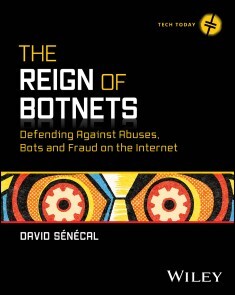
The Reign of Botnets
A TOP-TO-BOTTOM DISCUSSION OF WEBSITE BOT ATTACKS AND HOW TO DEFEND AGAINST THEMIn The Reign of Botnets: Defending Against Abuses, Bots and Fraud on the Internet, fraud and bot detection expert David Senecal delivers a timely and incisive presentation of the contemporary bot threat landscape and the latest defense strategies used by leading companies to protect themselves. The author uses plain language to lift the veil on bots and fraud, making a topic critical to your website's security easy to understand and even easier to implement. You'll learn how attackers think, what motivates them, how their strategies have evolved over time, and how website owners have changed their own behaviors to keep up with their adversaries. You'll also discover how you can best respond to patterns and incidents that pose a threat to your site, your business, and your customers. The book includes:* A description of common bot detection techniques exploring the difference between positive and negative security strategies and other key concepts* A method for assessing and analyzing bot activity, to evaluate the accuracy of the detection and understand the botnet sophistication* A discussion about the challenge of data collection for the purpose of providing security and balancing the ever-present needs for user privacyIdeal for web security practitioners and website administrators, The Reign of Botnets is the perfect resource for anyone interested in learning more about web security. It's a can't-miss book for experienced professionals and total novices alike. DAVID SÉNÉCAL is a Principal Product Architect at Akamai Technologies, leading a team of researchers, developers, and data scientists to build the next generation of fraud and abuse products. He has over twenty years of experience in network and web security and has dedicated the last 14 years to building bot management products. He’s a regular blogger and speaker at events like the OWASP Global Appsec conference. He was integrally involved in the development and maturation of the bot management concept in the cybersecurity industry. Introduction xvii CHAPTER 1 A SHORT HISTORY OF THE INTERNET 1From ARPANET to the Metaverse 2The Different Layers of the Web 7The Emergence of New Types of Abuses 9The Proliferation of Botnets 11Quantifying the Bot Traffic Volume on the Internet 14Botnets Are Unpredictable 16Bot Activity and Law Enforcement 18Summary 19CHAPTER 2 THE MOST COMMON ATTACKS USING BOTNETS 21Account Takeover 22Data Harvesting 23Credential Harvesting 26Account Takeover 31Targeted ATO Attacks 34A Credential Stuffing Attack Example 35Account Opening Abuse 38The Tree Hiding the Forest 39Fraud Ring 41Web Scraping 48The Intent Behind Scraping by Industry 49Good Bot Scraping 51Inventory Hoarding 53Business Intelligence 55Scalping: Hype Events 58Online Sales Events Mania and Scalping 58The Retailer Botnet Market 59Anatomy of a Hype Event 61Carding Attacks 64Gift Cards 65Credit Card Stuffing 66Spam and Abusive Language 66Summary 67CHAPTER 3 THE EVOLUTION OF BOTNET ATTACKS 69Incentive vs. Botnet Sophistication 70HTTP Headers 101 71Common HTTP Headers 71Legitimate Browser Signatures 74Header Signatures from Bot Requests 75The Six Stages of a Botnet Evolution 77Stage 1: Deploy the Botnet on a Handful of Nodes Running a Simple Script 77Stage 2: Scale the Botnet and Impersonate the Browsers' Header Signatures 79Stage 3: Reverse Engineer JavaScript and Replay Fingerprints 80Stage 4: Force the Web Security Product to Fail Open 81Stage 5: Upgrade the Botnet to a Headless Browser 82Stage 6: Resort to Human/Manual Attack 84Botnets with CAPTCHA-Solving Capabilities 85Human-Assisted CAPTCHA Solver 85Computer Vision 88The CAPTCHA Solver Workflow 88AI Botnets 89The Botnet Market 91Summary 93CHAPTER 4 DETECTION STRATEGY 95Data Collection Strategy 96Positive vs. Negative Security 98The Evolution of the Internet Ecosystem 99The Evolution of Detection Methods 100Interactive Detection 100Transparent Detection 103The State of the Art 106Transparent Detection Methods 108Good Bot Detection 109Good Bot Categories 111IP Intelligence 115Cookie Handling 118JavaScript Execution Handling 119Device Intelligence 120Proof of Work 123Behavioral Biometric Detection 125Headless Browser Detection 128User-Behavior Anomaly Detection 130Email Intelligence 135Advanced PII Data Assessment 140Risk Scoring 142Formula 143Consuming the Risk Score 144Summary 145CHAPTER 5 ASSESSING DETECTION ACCURACY 147Prerequisites 148High-Level Assessment 149Website Structure 150Website Audience 151Types of Clients 151Assessing the Shape of the Traffic 152Quantitative Assessment (Volume) 155Feedback Loop 156Response Strategy Assessment 158Low-Level Assessment 158IP Intelligence 159Device Intelligence 163Assessment Guidelines 168Identifying Botnets 170Botnet Case Study 173The Evening Crawler 174The Sprint Scraper 175The Night Crawler 176The Cloud Scraper 177Summary 177CHAPTER 6 DEFENSE AND RESPONSE STRATEGY 179Developing a Defense Strategy 180Do-It-Yourself 180Buying a Bot Management Product from a Vendor 182Defense in Depth 184Technology Stack to Defend Against Bots and Fraud 186Detection Layer to Protect Against Bot Attacks 186Detection Layer to Protect Against Online Fraud 188Response Strategies 189Simple Response Strategies 190Advanced Response Strategies 191Operationalization 193Mapping a Response Strategy to a Risk Category 193Preparing for Special Events 195Defending Against CAPTCHA Farms 196Summary 197CHAPTER 7 INTERNET USER PRIVACY 199The Privacy vs. Security Conundrum 199The State of Privacy and Its Effect on Web Security 201IP Privacy 201Cookie Tracking Prevention 204Anti-fingerprinting Technology 206The Private Access Token Approach 213The High-Level Architecture 214The PAT Workflow 214PAT Adoption 216Summary 218References 219Index 223
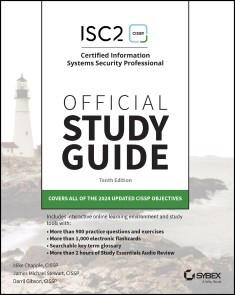
ISC2 CISSP Certified Information Systems Security Professional Official Study Guide
CISSP STUDY GUIDE - FULLY UPDATED FOR THE 2024 CISSP BODY OF KNOWLEDGEISC2 Certified Information Systems Security Professional (CISSP) Official Study Guide, 10th Edition has been completely updated based on the latest 2024 CISSP Detailed Content Outline. This bestselling Sybex Study Guide covers 100% of the CISSP objectives. You'll prepare smarter and faster with Sybex thanks to expert content, knowledge from our real-world experience, access to the Sybex online interactive learning environment, and much more. Reinforce what you've learned with key topic Study Essentials and chapter review questions.The book’s co-authors bring decades of experience as cybersecurity practitioners and educators, integrating real-world expertise with the practical knowledge you'll need to successfully prove your CISSP mastery. Combined, they've taught cybersecurity concepts to millions of students through their books, video courses, and live training programs.Along with the book, you also get access to Sybex's superior online interactive learning environment that includes:* Over 900 practice test questions with complete answer explanations. This includes all of the questions from the book plus four additional online-only practice exams, each with 125 unique questions. You can use the online-only practice exams as full exam simulations. Our questions will help you identify where you need to study more.* More than 1000 Electronic Flashcards to reinforce your learning and give you last-minute test prep * A searchable glossary in PDF to give you instant access to the key terms you need to know * AUDIO REVIEW. Author Mike Chapple reads the Study Essentials for each chapter providing you with more than 2 hours of up-to-date audio review for yet another way to reinforce your knowledge as you prepare.Coverage of all of the CISSP topics in the book means you'll be ready for:* Security and Risk Management* Asset Security* Security Architecture and Engineering* Communication and Network Security* Identity and Access Management (IAM)* Security Assessment and Testing* Security Operations* Software Development SecurityIntroduction xxxvAssessment Test lxCHAPTER 1 SECURITY GOVERNANCE THROUGH PRINCIPLES AND POLICIES 1Security 101 3Understand and Apply Security Concepts 4Security Boundaries 13Evaluate and Apply Security Governance Principles 14Manage the Security Function 16Security Policy, Standards, Procedures, and Guidelines 27Threat Modeling 29Supply Chain Risk Management 35Summary 38Study Essentials 39Written Lab 41Review Questions 42CHAPTER 2 PERSONNEL SECURITY AND RISK MANAGEMENT CONCEPTS 49Personnel Security Policies and Procedures 51Understand and Apply Risk Management Concepts 60Social Engineering 90Establish and Maintain a Security Awareness, Education, and Training Program 106Summary 110Study Essentials 111Written Lab 114Review Questions 115CHAPTER 3 BUSINESS CONTINUITY PLANNING 121Planning for Business Continuity 122Project Scope and Planning 123Business Impact Analysis 131Continuity Planning 137Plan Approval and Implementation 140Summary 145Study Essentials 145Written Lab 146Review Questions 147CHAPTER 4 LAWS, REGULATIONS, AND COMPLIANCE 151Categories of Laws 152Laws 155State Privacy Laws 179Compliance 179Contracting and Procurement 181Summary 182Study Essentials 182Written Lab 184Review Questions 185CHAPTER 5 PROTECTING SECURITY OF ASSETS 189Identifying and Classifying Information and Assets 190Establishing Information and Asset Handling Requirements 198Data Protection Methods 208Understanding Data Roles 214Using Security Baselines 216Summary 219Study Essentials 220Written Lab 221Review Questions 222CHAPTER 6 CRYPTOGRAPHY AND SYMMETRIC KEY ALGORITHMS 227Cryptographic Foundations 228Modern Cryptography 246Symmetric Cryptography 253Cryptographic Life Cycle 263Summary 264Study Essentials 264Written Lab 266Review Questions 267CHAPTER 7 PKI AND CRYPTOGRAPHIC APPLICATIONS 271Asymmetric Cryptography 272Hash Functions 279Digital Signatures 283Public Key Infrastructure 286Asymmetric Key Management 292Hybrid Cryptography 293Applied Cryptography 294Cryptographic Attacks 306Summary 309Study Essentials 310Written Lab 311Review Questions 312CHAPTER 8 PRINCIPLES OF SECURITY MODELS, DESIGN, AND CAPABILITIES 317Secure Design Principles 319Techniques for Ensuring CIA 330Understand the Fundamental Concepts of Security Models 332Select Controls Based on Systems Security Requirements 345Understand Security Capabilities of Information Systems 349Summary 352Study Essentials 353Written Lab 354Review Questions 355CHAPTER 9 SECURITY VULNERABILITIES, THREATS, AND COUNTERMEASURES 359Shared Responsibility 360Data Localization and Data Sovereignty 362Assess and Mitigate the Vulnerabilities of Security Architectures, Designs, and Solution Elements 363Client‐Based Systems 378Server‐Based Systems 381Industrial Control Systems 384Distributed Systems 386High‐Performance Computing (HPC) Systems 387Real‐Time Operating Systems 388Internet of Things 389Edge and Fog Computing 390Embedded Devices and Cyber‐Physical Systems 391Microservices 396Infrastructure as Code 397Immutable Architecture 398Virtualized Systems 399Containerization 406Mobile Devices 407Essential Security Protection Mechanisms 424Common Security Architecture Flaws and Issues 427Summary 431Study Essentials 432Written Lab 436Review Questions 437CHAPTER 10 PHYSICAL SECURITY REQUIREMENTS 443Apply Security Principles to Site and Facility Design 444Implement Site and Facility Security Controls 449Implement and Manage Physical Security 473Summary 480Study Essentials 481Written Lab 484Review Questions 485CHAPTER 11 SECURE NETWORK ARCHITECTURE AND COMPONENTS 491OSI Model 493TCP/IP Model 501Analyzing Network Traffic 502Common Application Layer Protocols 503Transport Layer Protocols 504Domain Name System 506Internet Protocol (IP) Networking 512ARP Concerns 516Secure Communication Protocols 517Implications of Multilayer Protocols 518Segmentation 523Edge Networks 526Wireless Networks 527Satellite Communications 543Cellular Networks 544Content Distribution Networks (CDNs) 544Secure Network Components 545Summary 572Study Essentials 573Written Lab 575Review Questions 576CHAPTER 12 SECURE COMMUNICATIONS AND NETWORK ATTACKS 581Protocol Security Mechanisms 582Secure Voice Communications 587Remote Access Security Management 591Multimedia Collaboration 595Monitoring and Management 597Load Balancing 597Manage Email Security 600Virtual Private Network 606Switching and Virtual LANs 613Network Address Translation 617Third‐Party Connectivity 622Switching Technologies 624WAN Technologies 626Fiber‐Optic Links 629Prevent or Mitigate Network Attacks 630Summary 631Study Essentials 632Written Lab 635Review Questions 636CHAPTER 13 MANAGING IDENTITY AND AUTHENTICATION 641Controlling Access to Assets 643The AAA Model 645Implementing Identity Management 662Managing the Identity and Access Provisioning Life Cycle 668Summary 672Study Essentials 672Written Lab 675Review Questions 676CHAPTER 14 CONTROLLING AND MONITORING ACCESS 681Comparing Access Control Models 682Implementing Authentication Systems 694Zero‐Trust Access Policy Enforcement 702Understanding Access Control Attacks 703Summary 719Study Essentials 720Written Lab 721Review Questions 722CHAPTER 15 SECURITY ASSESSMENT AND TESTING 727Building a Security Assessment and Testing Program 729Performing Vulnerability Assessments 735Testing Your Software 750Training and Exercises 758Implementing Security Management Processes and Collecting Security Process Data 759Summary 762Exam Essentials 763Written Lab 764Review Questions 765CHAPTER 16 MANAGING SECURITY OPERATIONS 769Apply Foundational Security Operations Concepts 771Address Personnel Safety and Security 778Provision Information and Assets Securely 780Managed Services in the Cloud 786Perform Configuration Management (CM) 790Manage Change 793Manage Patches and Reduce Vulnerabilities 797Summary 801Study Essentials 802Written Lab 804Review Questions 805CHAPTER 17 PREVENTING AND RESPONDING TO INCIDENTS 809Conducting Incident Management 811Implementing Detection and Preventive Measures 818Logging and Monitoring 842Automating Incident Response 854Summary 860Study Essentials 860Written Lab 863Review Questions 864CHAPTER 18 DISASTER RECOVERY PLANNING 869The Nature of Disaster 871Understand System Resilience, High Availability, and Fault Tolerance 883Recovery Strategy 888Recovery Plan Development 898Training, Awareness, and Documentation 906Testing and Maintenance 907Summary 911Study Essentials 912Written Lab 913Review Questions 914CHAPTER 19 INVESTIGATIONS AND ETHICS 919Investigations 920Major Categories of Computer Crime 934Ethics 940Summary 944Study Essentials 945Written Lab 946Review Questions 947CHAPTER 20 SOFTWARE DEVELOPMENT SECURITY 951Introducing Systems Development Controls 953Establishing Databases and Data Warehousing 984Storage Threats 994Understanding Knowledge‐ Based Systems 995Summary 998Study Essentials 998Written Lab 1000Review Questions 1001CHAPTER 21 MALICIOUS CODE AND APPLICATION ATTACKS 1005Malware 1006Malware Prevention 1018Application Attacks 1021Injection Vulnerabilities 1024Exploiting Authorization Vulnerabilities 1030Exploiting Web Application Vulnerabilities 1033Application Security Controls 1038Secure Coding Practices 1044Summary 1048Study Essentials 1048Written Lab 1049Review Questions 1050APPENDIX A ANSWERS TO REVIEW QUESTIONS 1055Chapter 1: Security Governance Through Principles and Policies 1056Chapter 2: Personnel Security and Risk Management Concepts 1059Chapter 3: Business Continuity Planning 1063Chapter 4: Laws, Regulations, and Compliance 1065Chapter 5: Protecting Security of Assets 1068Chapter 6: Cryptography and Symmetric Key Algorithms 1070Chapter 7: PKI and Cryptographic Applications 1072Chapter 8: Principles of Security Models, Design, and Capabilities 1074Chapter 9: Security Vulnerabilities, Threats, and Countermeasures 1077Chapter 10: Physical Security Requirements 1082Chapter 11: Secure Network Architecture and Components 1085Chapter 12: Secure Communications and Network Attacks 1089Chapter 13: Managing Identity and Authentication 1092Chapter 14: Controlling and Monitoring Access 1095Chapter 15: Security Assessment and Testing 1097Chapter 16: Managing Security Operations 1099Chapter 17: Preventing and Responding to Incidents 1102Chapter 18: Disaster Recovery Planning 1104Chapter 19: Investigations and Ethics 1106Chapter 20: Software Development Security 1108Chapter 21: Malicious Code and Application Attacks 1111APPENDIX B ANSWERS TO WRITTEN LABS 1115Chapter 1: Security Governance Through Principles and Policies 1116Chapter 2: Personnel Security and Risk Management Concepts 1116Chapter 3: Business Continuity Planning 1117Chapter 4: Laws, Regulations, and Compliance 1118Chapter 5: Protecting Security of Assets 1119Chapter 6: Cryptography and Symmetric Key Algorithms 1119Chapter 7: PKI and Cryptographic Applications 1120Chapter 8: Principles of Security Models, Design, and Capabilities 1121Chapter 9: Security Vulnerabilities, Threats, and Countermeasures 1121Chapter 10: Physical Security Requirements 1123Chapter 11: Secure Network Architecture and Components 1124Chapter 12: Secure Communications and Network Attacks 1125Chapter 13: Managing Identity and Authentication 1126Chapter 14: Controlling and Monitoring Access 1127Chapter 15: Security Assessment and Testing 1127Chapter 16: Managing Security Operations 1128Chapter 17: Preventing and Responding to Incidents 1129Chapter 18: Disaster Recovery Planning 1130Chapter 19: Investigations and Ethics 1131Chapter 20: Software Development Security 1131Chapter 21: Malicious Code and Application Attacks 1131Index 1133

Die digitale Transformation der Automobilindustrie
Dieses Buch gibt umfassende und pragmatische Handlungsempfehlungen für die sich gerade in den letzten Jahren immer rasanter verändernde Automobil- und Zulieferindustrie. China hat sich zum Leitmarkt für E-Mobilität und für die Nutzung von autonom fahrenden Robtaxis, KI und Daten entwickelt. Die etablierten Hersteller müssen sich auf Basis klarer Zielsetzungen noch viel schneller verändern, um nicht den Anschluss zu verlieren und um die Pariser Klimaziele noch erreichen zu können. Die Industrie wandelt sich umfassend von einem fahrzeugfokussierten hin zu einem mobilitätsorientierten Geschäftsmodell. Mehr und mehr Prozesse, sogar ganze Geschäftsfelder werden KI-basiert automatisch ablaufen und mit neuen Technologien verändern sich Vertriebs- und Aftersales-Strukturen. Es entstehen immer mehr Daten, die auch neue, profitable Produkte ermöglichen. Die Umstellung auf E-Fahrzeuge mit entsprechendem Lade-Umfeld, die Nutzung von Mobilitätsservices anstelle Autobesitz, klimaneutralen Produktion und auch die Kreislaufwirtschaft sind beschleunigt anzugehen. Zu den weiterhin zwingend erforderlichen digitalen Transformationen und unter Beachtung der neuesten Entwicklungen gibt das Buch in der nun dritten vollständig überarbeiteten Auflage umfassende und pragmatische Antworten auf aktuelle Fragen: Wie sind neue Technologien strukturiert einzusetzen und wo wird KI zu erheblichen Änderungen führen? Wie ist die Transformation mit welchen Schwerpunktthemen anzugehen? Der Ausblick über das Jahr 2040 hinaus am Ende des Buches wurde erweitert und es werden die zu erwartenden Veränderungen der Arbeitswelt, gerade unter KI-Aspekten, betrachtet.

The Code of Honor
A COMPREHENSIVE AND PRACTICAL FRAMEWORK FOR ETHICAL PRACTICES IN CONTEMPORARY CYBERSECURITYWhile some professions – including medicine, law, and engineering – have wholeheartedly embraced wide-ranging codes of ethics and conduct, the field of cybersecurity continues to lack an overarching ethical standard. This vacuum constitutes a significant threat to the safety of consumers and businesses around the world, slows commerce, and delays innovation.The Code of Honor: Embracing Ethics in Cybersecurity delivers a first of its kind comprehensive discussion of the ethical challenges that face contemporary information security workers, managers, and executives. Authors Ed Skoudis, President of the SANS Technology Institute College and founder of the Counter Hack team, and Dr. Paul Maurer, President of Montreat College, explain how timeless ethical wisdom gives birth to the Cybersecurity Code which is currently being adopted by security practitioners and leaders around the world.This practical book tells numerous engaging stories that highlight ethically complex situations many cybersecurity and tech professionals commonly encounter. It also contains compelling real-world case studies – called Critical Applications – at the end of each chapter that help the reader determine how to apply the hands-on skills described in the book.You'll also find:* A complete system of cybersecurity ethics relevant to C-suite leaders and executives, front-line cybersecurity practitioners, and students preparing for careers in cybersecurity.* Carefully crafted frameworks for ethical decision-making in cybersecurity.* Timeless principles based on those adopted in countless professions, creeds, and civilizations.Perfect for security leaders, operations center analysts, incident responders, threat hunters, forensics personnel, and penetration testers, The Code of Honor is an up-to-date and engaging read about the ethically challenging world of modern cybersecurity that will earn a place in the libraries of aspiring and practicing professionals and leaders who deal with tech every day.PAUL J. MAURER, PHD, is the president of Montreat College, a national leader in cybersecurity education and workforce development. After being approached by the NSA to create a curriculum on cybersecurity ethics for our nation’s students preparing for cybersecurity careers, Paul was convinced this book needed to be written. He speaks and writes frequently on a wide range of topics, but regularly does so on cybersecurity across the country. ED SKOUDIS serves as president of the SANS Technology Institute College, the country’s leading provider of cybersecurity professional development. Ed began teaching at the SANS Institute in 1999 and has trained over 30,000 cybersecurity professionals in incident response and ethical hacking, codifying many of the practices used throughout the industry today. He is the recipient of the Order of Thor medal from the Military Cyber Professionals Association and is the author of Counter Hack Reloaded: A Step-by-Step Guide to Computer Attacks and Effective Defenses.
Digital Transformation of SAP Supply Chain Processes
Take a high-level tour of SAP oDATA integrations with frontend technologies like Angular using the SAP Mobile Services Platform. This book will give you a different perspective on executing SAP transactions on iOS using Angular instead of SAP-provided Fiori-based applications.You’ll start by learning about SAP supply chain processes such as Goods Receipt, Transfer Posting, Goods Issue, and Inventory Search. You’ll then move on to understanding the thought process involved in integrating SAP's backend (SAP ECC) with Angular iOS app using SAP Mobile Services running on SAP BTP. All this will serve as a guide tailored to SAP functional and technical consultants actively engaged in client-facing roles. You’ll follow a roadmap for modernizing and streamlining supply chain operations by leveraging Angular iOS apps.Digital Transformation of SAP Supply Chain Processes provides the essential tools for businesses looking to stay competitive in today's technology-driven landscape.WHAT YOU WILL LEARN* Study the fundamental procedures to set up the Authorization Endpoint, Token Endpoint, and base URL within SAP Mobile Services.* Manage attachments in mobile applications and store them in an external content repository. * Gain proficiency in testing OData services using the POSTMAN API client with OAuth protocol.* Acquire knowledge about the JSON messages, CORS protocol, and X-CSRF token exchange.* Link Zebra Printers through the Zebra Native Printing app on iOS App to print SAP forms on mobile printers.WHO THIS BOOK IS FORSAP Consultants with an interest in the Digital Transformation of SAP Supply Chain Processes to iOS-based SAP transactions.Pranay Gupta is a senior Advisory Consultant at IBM with over 18 years of dedicated experience in the ever-evolving realm of technology and enterprise solutions. He is a certified Project Management Professional (PMP). His proficiency in SAP is further underscored by a series of certifications, including SAP S/4HANA Sourcing and Procurement, S/4HANA EWM (Extended Warehouse Management), ARIBA Buying and Invoicing and SAP SRM (Supplier Relationship Management). His passion for innovation has led him to explore the synergies between mobility and SAP, enhancing the efficiency and accessibility of enterprise processes. He has been instrumental in providing strategic guidance and solutions to a diverse set of industries, including oil and gas, manufacturing, telecom, travel, and transport. This wide-ranging exposure has allowed him to understand and address the unique needs and intricacies of each sector, contributing to their growth and digital transformation of ERP processes. He has keen interest in exploring Cloud technologies and he is an Amazon Certified AWS Cloud Professional and a Microsoft Certified Azure Cloud Professional.Chapter 1: Growing Need for Mobility Apps for ERP Solutions.- Chapter 2: Overview of SAP Supply Chain Processes.- Chapter 3: Overview of SAP oDATA Services.- Chapter 4: Overview of SAP BTP and SAP Mobile Services.- Chapter 5: Working with Ionic and Angular Framework to Build iOS Apps.- Chapter 6: Attachments in SAP DMS.

SAP Commerce Cloud
Digitale Touchpoints sind entscheidend für eine erfolgreiche Customer Journey. Denn um Ihre Kunden zu überzeugen, muss alles stimmen! Dieses Buch erklärt, wie Sie die Funktionen von SAP Commerce Cloud nutzen, um diese Touchpoints zu gestalten. Dabei werden Technologien, Integrationsmöglichkeiten und Softwarearchitekturen detailliert beschrieben. Sie erhalten zudem tiefe Einblicke, wie E-Commerce heute und morgen funktioniert. Anhand von praxisnahen und detaillierten Projektbeispielen werden Herausforderungen und Lösungsansätze aufgezeigt. Aus dem Inhalt: ProduktdatenmanagementOrder ManagementKundenmanagementSubscription-GeschäftsmodelleSuche und Shop-NavigationWerbeaktionenContent ManagementProjekt-Set-upSicherheit und BetriebHeadless-Architekturen (SAP Composable Storefront)Integration und Erweiterungen Vorwort von Christian Sülzer (SAP) ... 21 Vorwort von Thomas Regele (Sybit) ... 23 Über dieses Buch ... 25 Teil I. E-Commerce heute und in Zukunft ... 31 1. E-Commerce heute und in Zukunft: Entwicklung, Kunden, Märkte ... 33 1.1 ... Historie von E-Commerce ... 34 1.2 ... Kunden der Zukunft: Emanzipation und neue Erwartungshaltung ... 38 1.3 ... Kunden der Zukunft: neue Touchpoints, neue Wege ... 45 1.4 ... Der E-Commerce-Markt der Zukunft: Herausforderungen und Einflussfaktoren ... 51 1.5 ... Fazit ... 63 2. Geschäftsmodelle und Dimensionen von E-Commerce: Vom Webshop bis zur Serviceplattform ... 65 2.1 ... Geschäftsmodelle im E-Commerce ... 66 2.2 ... Evolution von E-Commerce-Landschaften ... 71 2.3 ... Fazit ... 127 3. Erfolgsfaktoren und Erfolgsmessung in E-Commerce-Systemen ... 129 3.1 ... Ohne Traffic keine Conversion ... 130 3.2 ... Buyer Enablement: ohne Conversion kein Erfolg ... 137 3.3 ... Marketing Automation ... 151 3.4 ... Werkzeuge für erfolgreiche Customer Experience im ECommerce ... 156 3.5 ... Geschäftsmodelle als Business- und Umsatztreiber ... 169 3.6 ... Der Webshop als digitaler Vertriebskanal ... 173 3.7 ... Value Management: Erfolgsmessung (Ziele, KPIs, Maßnahmen)? ... 180 3.8 ... KI als Faktor für Aufbau, Weiterentwicklung und Betrieb von ECommerce-Systemen ... 192 3.9 ... Fazit ... 202 Teil II. Funktionen von SAP Commerce Cloud ... 203 4. Was ist SAP Commerce Cloud? ... 205 4.1 ... SAP Commerce Cloud im Überblick ... 205 4.2 ... Ursprung von SAP Commerce Cloud ... 209 4.3 ... Eine Lösung, viele Möglichkeiten: Business to Everyone ... 210 4.4 ... Praxisbeispiel SyGusto ... 217 4.5 ... Fazit ... 219 5. Infrastruktur und Architektur ... 221 5.1 ... Infrastruktur ... 221 5.2 ... Administration und Betrieb der SAP Commerce Cloud ... 249 5.3 ... Administrative Applikationen in SAP Commerce Cloud ... 275 5.4 ... Fazit ... 286 6. Web-Content-Management-System ... 287 6.1 ... Grundlagen und Strukturen des WCMS ... 287 6.2 ... Content-Pflege im WCMS ... 291 6.3 ... Externe Content-Management-Systeme ... 305 6.4 ... Praxisbeispiel: SyGusto ... 307 6.5 ... Fazit ... 311 7. Produktdatenmanagement ... 313 7.1 ... Produkt-Cockpit ... 314 7.2 ... Produktkataloge ... 318 7.3 ... Produktdatenmodell ... 323 7.4 ... Produktklassifizierung ... 326 7.5 ... Varianten- und Basisprodukte ... 335 7.6 ... Pflegeprozesse für Produktdaten ... 338 7.7 ... Praxisbeispiel SyGusto ... 342 7.8 ... Fazit ... 346 8. Suche und Facettierung ... 347 8.1 ... Produktnavigation ... 347 8.2 ... Überblick ... 350 8.3 ... Einstellungen der Suche ... 353 8.4 ... Adaptive Search Module ... 358 8.5 ... Praxisbeispiel SyGusto ... 371 8.6 ... Fazit ... 373 9. Personalisierung und Intelligent Selling Services ... 375 9.1 ... Grundlagen des Personalisierungsmoduls ... 376 9.2 ... Content-Personalisierung ... 378 9.3 ... Produktpersonalisierung ... 383 9.4 ... Click Tracking und Intelligent Selling Services ... 384 9.5 ... Praxisbeispiel SyGusto ... 387 9.6 ... Fazit ... 389 10. Marketing und Promotions ... 391 10.1 ... Promotion Engine ... 392 10.2 ... Coupons ... 396 10.3 ... Customer Reviews ... 399 10.4 ... Praxisbeispiel SyGusto ... 401 10.5 ... Fazit ... 402 11. Order Management ... 405 11.1 ... Angebotsmanagement ... 406 11.2 ... Warenkorb und Checkout ... 410 11.3 ... Bestellhistorie ... 419 11.4 ... Auftrags- und Bestandsmanagement in SAP Commerce Cloud ... 421 11.5 ... Preise und Rabatte ... 425 11.6 ... Fazit ... 427 12. Kundenmanagement ... 429 12.1 ... Registrierung und Login ... 430 12.2 ... Consent Management ... 433 12.3 ... Customer Identity and Access Management ... 435 12.4 ... Praxisbeispiel: Kundenmanagement bei SyGusto ... 437 12.5 ... Fazit ... 440 13. Kundenservice ... 441 13.1 ... Customer Ticketing für den Kundenservice ... 442 13.2 ... Assisted Service Module ... 445 13.3 ... Customer Support Cockpit ... 447 13.4 ... Praxisbeispiel SyGusto ... 450 13.5 ... Fazit ... 451 14. Branchenlösungen von SAP Commerce Cloud ... 453 14.1 ... Telco and Utilities Accelerator ... 454 14.2 ... Financial Services Accelerator ... 456 14.3 ... Travel Accelerator ... 459 14.4 ... Citizen Engagement Accelerator ... 462 14.5 ... Marketplace Accelerator ... 463 14.6 ... Fazit ... 464 15. SAP Commerce Cloud mit SAP S/4HANA und SAP ECC ... 465 15.1 ... Technische Grundlagen ... 466 15.2 ... Produktdaten ... 467 15.3 ... Lagerbestände und Verfügbarkeiten ... 470 15.4 ... Kundendaten ... 471 15.5 ... Preise ... 474 15.6 ... Order Management ... 477 15.7 ... Basis-Einstellungen ... 481 15.8 ... Integration über SAP Process Orchestration ... 482 15.9 ... Fazit ... 483 16. SAP Commerce Cloud erfolgreich erweitern ... 485 16.1 ... Erweiterung von Frontend bis Backend ... 486 16.2 ... Side-by-Side-Erweiterungen ... 493 16.3 ... Fazit ... 502 17. Integrations- und CX-Szenarien mit SAP Commerce Cloud ... 505 17.1 ... SAP Analytics Cloud ... 507 17.2 ... Google Analytics ... 509 17.3 ... Produktkonfiguration mit SAP Variant Configuration and Pricing Services und LO-VC ... 512 17.4 ... SAP Customer Data Cloud ... 516 17.5 ... SAP Emarsys Customer Engagement ... 520 17.6 ... SAP CPQ ... 523 17.7 ... SAP Sales Cloud und SAP Service Cloud ... 528 17.8 ... SAP Commerce Marketplace Management by Mirakl ... 534 17.9 ... Akeneo PIM ... 538 17.10 ... MAM-/DAM-Systeme ... 542 17.11 ... OCI Punchout und EDI ... 546 17.12 ... Contentful Composable Content Platform ... 549 17.13 ... SAP Subscription Billing ... 556 17.14 ... Fazit ... 560 Teil III. Projektbeispiele ... 561 18. Kundenbeispiel 1: Konzeption ... 563 18.1 ... Agiles Projektmanagement ... 564 18.2 ... Kernfragen der Konzeptionsphase ... 564 18.3 ... Vorgehen ... 566 18.4 ... Fazit ... 590 19. Kundenbeispiel 2: Erfolgreiche Projekte mit einer agilen Methodik ... 591 19.1 ... Projektziele ... 592 19.2 ... Auswahl der Projektmethodik ... 593 19.3 ... Projektdurchführung ... 596 19.4 ... Retrospektive ... 603 19.5 ... Fazit ... 605 20. Kundenbeispiel 3: CX-Projekte mit User Journeys ... 607 20.1 ... Aus »Alt« mach »Neu« und besser ... 608 20.2 ... Konzeptionsphase ... 609 20.3 ... Fazit ... 623 21. Kundenbeispiel 4: Projektmanagement ... 625 21.1 ... Sind Sie »E-Commerce ready«? ... 626 21.2 ... Alle sind E-Commerce-Profis ... 629 21.3 ... Agilität -- aber richtig ... 631 21.4 ... Product Owner -- die entscheidende Rolle im Projekt ... 633 21.5 ... Betrieb -- nicht zu vernachlässigen ... 637 21.6 ... Fazit ... 638 Teil IV. E-Commerce im Jahr 2035 and beyond ... 639 22. Zwischen Trend und Vision: Zwei Zukunftsszenarien im E-Commerce ... 641 22.1 ... Das Jahr 2035: Marc und der Warenkorb der Zukunft ... 642 22.2 ... Das Jahr 2035: Emily und die Arbeit von morgen ... 644 22.3 ... Fazit ... 646 23. Marktplätze und Plattformökonomie ... 647 23.1 ... Warum sind B2B-Markplätze so wichtig? ... 648 23.2 ... Was kommt vor dem Marktplatz? ... 649 23.3 ... B2B-Marktplatzvarianten im Vergleich ... 652 23.4 ... Vor- und Nachteile verschiedener Transaktionsmodelle ... 654 23.5 ... Wertschöpfungsketten global vernetzen -- geht das? ... 660 23.6 ... Fazit ... 663 24. Visualisierung: Die Zukunft der Interaktion ... 665 24.1 ... Inhalte mithilfe von KI erstellen ... 666 24.2 ... Was können wir von der Visualisierung im E-Commerce erwarten? ... 672 24.3 ... Ethik und Datenschutz in der Visualisierung ... 677 24.4 ... Voraussetzungen für den erfolgreichen Einsatz im Unternehmen ... 679 24.5 ... Fazit ... 680 25. Das Metaverse ... 683 25.1 ... Virtuelle Welten, Visionen und die Zukunft des Internets ... 685 25.2 ... Hat das Metaverse Zukunft? ... 689 25.3 ... Metaverse und CX ... 692 25.4 ... Heute schon relevante Use Cases ... 694 25.5 ... Fazit ... 696 26. Kundenservice der Zukunft ... 699 26.1 ... Ein Tag im Leben von Reto Stielmann, E-Commerce-Leiter bei einem großen Maschinenhersteller ... 700 26.2 ... Ein Tag im Leben von Sarah Tröger, E-Commerce-Verantwortliche eines großen, lokalen Fahrradgeschäftes ... 703 26.3 ... Fazit ... 705 Das Autorenteam ... 707 Literaturverzeichnis ... 711 Index ... 719
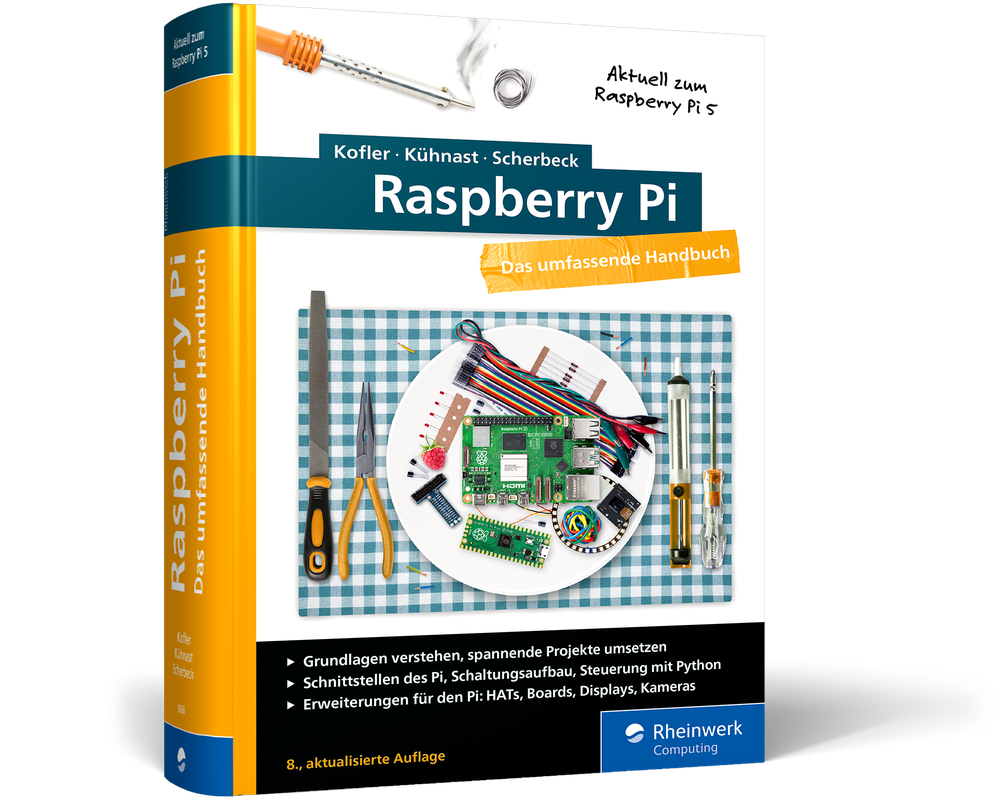
Raspberry Pi - Das umfassende Handbuch (8. Auflage)
Raspberry Pi - Das umfassende Handbuch. In 8., aktualisierter Auflage. Mai 2024.Vollständig überarbeitet zum Raspberry Pi 5, dem Raspberry Pi OS »Bookworm« und den neuen GPIO-Bibliotheken.Der Raspberry Pi ist eine wahre Erfolgsgeschichte. Seit 2011 begeistert der kleine Mini-Computer Maker, Kreative und IT-Fachleute. Was Sie mit dem Pi anstellen können, zeigen Ihnen Michael Kofler, Charly Kühnast und Christoph Scherbeck auf über 1.000 Seiten. Vom Einstieg bis zu spannenden Projekten finden Sie in diesem Handbuch das komplette Wissen, um mit dem Raspberry Pi richtig durchzustarten. Es ist randvoll mit Grundlagen und Kniffen zu Linux, Hardware, Elektronik und Programmierung. Genau richtig für alle, die Serverdienste hosten möchten, Bastelideen haben und direkt loslegen wollen. Vorwissen? Nicht nötig, Ihr Erfindergeist reicht völlig aus. Legen Sie gleich los und lassen Sie Ihrer Kreativität freien Lauf!Tüfteln, Knobeln, Basteln? So gelingt's!1. Die GrundlagenSie lernen den Raspberry Pi und Linux von Grund auf kennen, steuern ihn via Desktop und Terminal, nutzen ihn als Medien-Center und automatisieren schon bald erste Vorgänge mit Shell-Scripts.2. Planen, schalten und programmierenNach einer Einführung in die Schnittstellen des Pi sowie alle wichtigen Erweiterungsboards und Sensoren lernen Sie, ihn mit eigenen Python- oder C-Programmen zu steuern. Crashkurs für Programmierung und Elektronikwissen inklusive.3. Der Grundstein für Ihre ProjekteDen RasPi zur Steuerzentrale des Smart Homes machen? Ein autonomes Auto bauen? Per RFID Türen öffnen, mit DVB-T den Luftraum überwachen? Der Umsetzung Ihrer Ideen auf Basis der Beispielprojekte sind kaum Grenzen gesetzt!Aus dem Inhalt:Den Raspberry Pi kennenlernen: Kauf und Inbetriebnahme, Betriebssysteme, SoftwareIhr Medien-Center: der Raspberry Pi mit Kodi, LibreELEC, als DLNA-Server und als NAS-Gerät (openmediavault)Hardware-Grundlagen: Elektrotechnik-Crashkurs, Werkzeuge, Zusatzgeräte u. v. m.Sensoren, Servo- und Schrittmotoren, LEDs, Bussysteme, DisplaysGertboard, PiFace, Raspberry-Pi-HATs, HiFiBerry-Audio-SystemProgrammierung: Python, bash, C, Java und PHP mit dem Raspberry PiProjekte: viele spannende Ideen für Einsteiger und FortgeschritteneServocam, Luftraumüberwachung, Smartlight-Steuerung u. v. m.Fingersensor, OLED-Display, ePaper-Display, Feinstaubmessgerät, WassermelderSmart-Home mit Home AssistantLeseprobe (PDF-Link)
Kubernetes
Kubernetes ist die Grundlage moderner IT-Infrastrukturen und ein unverzichtbares Werkzeug für das schnelle und agile Deployment von Anwendungen. Jedoch: Die Lernkurve ist steil, die Architektur und das Zusammenspiel der zahlreichen Komponenten muss gut verstanden sein, damit kein Chaos entsteht. In diesem Praxisbuch finden Sie eine gründliche Einführung in die Konzepte und Ideen containeriserter Umgebungen. Sie lernen die vielen Bestandteile einer Kubernetes-Installation kennen und erfahren praxisnah, wie Anwendungen deployt werden. Aus dem Inhalt: Grundlagen und KonzeptePod- und Container-ManagementRessourcen as CodeSkalierung und LoadbalancingStorageNetzwerke und SicherheitMonitoring und FehlersucheAnwendungen für Kubernetes entwickelnÜber den Tellerrand: Operatoren, Backups, Istio, Kvyerno, KustomizePaketmanagement mit Helm 1. Vorwort ... 11 1.1 ... Gliederung ... 13 1.2 ... Materialien zum Buch ... 18 2. Einführung in Kubernetes ... 19 2.1 ... Grundlagen und Konzepte: Warum überhaupt Container-Cluster? ... 20 2.2 ... Kubernetes, das Tool der Wahl ... 34 2.3 ... Architektur und Komponenten ... 46 2.4 ... Ein Kubernetes-Cluster auf Ihrem Computer ... 55 2.5 ... Interaktion mit Kubernetes über die Befehlszeile und das Dashboard ... 64 2.6 ... Lens: Die IDE für Kubernetes ... 85 2.7 ... Das Kubernetes-Cluster aus Raspberry Pis ... 94 3. Grundlegende Objekte und Konzepte in Kubernetes ... 101 3.1 ... Pod- und Container-Management ... 104 3.2 ... Annotations und Labels ... 126 3.3 ... Deployments und ReplicaSets ... 147 3.4 ... ConfigMaps und Secrets ... 163 3.5 ... Kommunikation mit Services und Ingress etablieren ... 183 4. Everything as Code: Tools und Prinzipien für Kubernetes Operations ... 199 4.1 ... Deklarative Konfigurationen ... 201 4.2 ... YAML: Die Sprache für Kubernetes ... 204 4.3 ... Versionsverwaltung von Kubernetes-Manifesten ... 213 4.4 ... CI und CD ... 227 4.5 ... Templating mit Kustomize ... 239 5. Fortgeschrittene Objekte und Konzepte in Kubernetes ... 251 5.1 ... DaemonSets ... 252 5.2 ... Jobs in Kubernetes ... 255 5.3 ... Custom Resources und Custom Resource Definitions ... 265 5.4 ... Downward-API ... 275 5.5 ... Pod Priority und Preemption ... 278 5.6 ... Versionierung von Objekten in Kubernetes ... 280 6. Stateful-Anwendungen und Storage ... 283 6.1 ... Stateful-Anwendungen in Kubernetes durch StatefulSets ... 285 6.2 ... Persistent Volumes und Persistent Volume Claims ... 292 6.3 ... Ephemeral Volumes ... 309 6.4 ... Weitere Features von Volumes ... 312 7. Kubernetes-Governance und -Security: Prepare for Production ... 319 7.1 ... Pod Security ... 321 7.2 ... Pod Security Admission ... 325 7.3 ... Admission Controller ... 326 7.4 ... Kubernetes-Policies ... 329 7.5 ... Policy-Objekte ... 332 7.6 ... RBAC für die Zugriffskontrolle ... 334 8. Anwendungen für Kubernetes entwickeln: Ready for Production ... 343 8.1 ... Pod-Ressourcen managen ... 344 8.2 ... Readiness, Liveness und Startup Probes ... 348 8.3 ... Skalierung und Lastausgleich ... 358 8.4 ... Monitoring ... 366 9. Kubernetes mit Helm orchestrieren ... 381 9.1 ... Helm, der Kubernetes-Paketmanager ... 382 9.2 ... Helm-Charts lesen und entwickeln ... 393 9.3 ... Eigene Charts entwickeln ... 411 9.4 ... Fazit ... 421 Index ... 423
Dependable Computing
DEPENDABLE COMPUTINGCOVERING DEPENDABILITY FROM SOFTWARE AND HARDWARE PERSPECTIVESDependable Computing: Design and Assessment looks at both the software and hardware aspects of dependability. This book:* Provides an in-depth examination of dependability/fault tolerance topics * Describes dependability taxonomy, and briefly contrasts classical techniques with their modern counterparts or extensions * Walks up the system stack from the hardware logic via operating systems up to software applications with respect to how they are hardened for dependability * Describes the use of measurement-based analysis of computing systems * Illustrates technology through real-life applications * Discusses security attacks and unique dependability requirements for emerging applications, e.g., smart electric power grids and cloud computing * Finally, using critical societal applications such as autonomous vehicles, large-scale clouds, and engineering solutions for healthcare, the book illustrates the emerging challenges faced in making artificial intelligence (AI) and its applications dependable and trustworthy. This book is suitable for those studying in the fields of computer engineering and computer science. Professionals who are working within the new reality to ensure dependable computing will find helpful information to support their efforts. With the support of practical case studies and use cases from both academia and real-world deployments, the book provides a journey of developments that include the impact of artificial intelligence and machine learning on this ever-growing field. This book offers a single compendium that spans the myriad areas in which dependability has been applied, providing theoretical concepts and applied knowledge with content that will excite a beginner, and rigor that will satisfy an expert. Accompanying the book is an online repository of problem sets and solutions, as well as slides for instructors, that span the chapters of the book. RAVISHANKAR K. IYER is George and Ann Fisher Distinguished Professor of Engineering at the University of Illinois Urbana-Champaign, USA. He holds joint appointments in the Departments of Electrical & Computer Engineering and Computer Science as well as the Coordinated Science Laboratory (CSL), the National Center for Supercomputing Applications (NCSA), and the Carl R. Woese Institute for Genomic Biology. The winner of numerous awards and honors, he was the founding chief scientist of the Information Trust Institute at UIUC—a campus-wide research center addressing security, reliability, and safety issues in critical infrastructures. ZBIGNIEW T. KALBARCZYK is a Research Professor in the Department of Electrical & Computer Engineering and the Coordinated Science Laboratory of the University of Illinois Urbana-Champaign, USA. He is a member of the IEEE, the IEEE Computer Society, and IFIP Working Group 10.4 on Dependable Computing and Fault Tolerance. Dr. Kalbarczyk’s research interests are in the design and validation of reliable and secure computing systems. His current work explores emerging computing technologies, machine learning-based methods for early detection of security attacks, analysis of data on failures and security attacks in large computing systems, and more. NITHIN M. NAKKA received his B. Tech (hons.) degree from the Indian Institute of Technology, Kharagpur, India, and his M.S. and Ph.D. degrees from the University of Illinois Urbana-Champaign, USA. He is a Technical Leader at Cisco Systems and has worked on most layers of the networking stack, from network data-plane hardware, including layer-2 and layer-3 (control plane), network controllers, and network fabric monitoring. His areas of research interest include systems reliability, network telemetry, and hardware-implemented fault tolerance. About the Authors xxiiiPreface xxvAcknowledgments xxviiAbout the Companion Website xxix1 DEPENDABILITY CONCEPTS AND TAXONOMY 11.1 Introduction 11.2 Placing Classical Dependability Techniques in Perspective 21.3 Taxonomy of Dependable Computing 41.3.1 Faults, Errors, and Failures 51.4 Fault Classes 61.5 The Fault Cycle and Dependability Measures 61.6 Fault and Error Classification 71.7 Mean Time Between Failures 111.8 User- perceived System Dependability 131.9 Technology Trends and Failure Behavior 141.10 Issues at the Hardware Level 151.11 Issues at the Platform Level 171.12 What is Unique About this Book? 181.13 Overview of the Book 19References 202 CLASSICAL DEPENDABILITY TECHNIQUES AND MODERN COMPUTING SYSTEMS: WHERE AND HOW DO THEY MEET? 252.1 Illustrative Case Studies of Design for Dependability 252.2 Cloud Computing: A Rapidly Expanding Computing Paradigm 312.3 New Application Domains 372.4 Insights 52References 523 HARDWARE ERROR DETECTION AND RECOVERY THROUGH HARDWARE- IMPLEMENTED TECHNIQUES 573.1 Introduction 573.2 Redundancy Techniques 583.3 Watchdog Timers 673.4 Information Redundancy 693.5 Capability and Consistency Checking 933.6 Insights 93References 964 PROCESSOR LEVEL ERROR DETECTION AND RECOVERY 1014.1 Introduction 1014.2 Logic- level Techniques 1044.3 Error Protection in the Processors 1154.4 Academic Research on Hardware- level Error Protection 1224.5 Insights 134References 1375 HARDWARE ERROR DETECTION THROUGH SOFTWARE- IMPLEMENTED TECHNIQUES 1415.1 Introduction 1415.2 Duplication- based Software Detection Techniques 1425.3 Control- Flow Checking 1465.4 Heartbeats 1665.5 Assertions 1735.6 Insights 174References 1756 SOFTWARE ERROR DETECTION AND RECOVERY THROUGH SOFTWARE ANALYSIS 1796.1 Introduction 1796.2 Diverse Programming 1836.3 Static Analysis Techniques 1946.4 Error Detection Based on Dynamic Program Analysis 2176.5 Processor- Level Selective Replication 2336.6 Runtime Checking for Residual Software Bugs 2396.7 Data Audit 2426.8 Application of Data Audit Techniques 2466.9 Insights 252References 2537 MEASUREMENT- BASED ANALYSIS OF SYSTEM SOFTWARE: OPERATING SYSTEM FAILURE BEHAVIOR 2617.1 Introduction 2617.2 MVS (Multiple Virtual Storage) 2627.3 Experimental Analysis of OS Dependability 2737.4 Behavior of the Linux Operating System in the Presence of Errors 2757.5 Evaluation of Process Pairs in Tandem GUARDIAN 2957.6 Benchmarking Multiple Operating Systems: A Case Study Using Linux on Pentium, Solaris on SPARC, and AIX on POWER 3087.7 Dependability Overview of the Cisco Nexus Operating System 3267.8 Evaluating Operating Systems: Related Studies 3307.9 Insights 331References 3328 RELIABLE NETWORKED AND DISTRIBUTED SYSTEMS 3378.1 Introduction 3378.2 System Model 3398.3 Failure Models 3408.4 Agreement Protocols 3428.5 Reliable Broadcast 3468.6 Reliable Group Communication 3518.7 Replication 3588.8 Replication of Multithreaded Applications 3708.9 Atomic Commit 3968.10 Opportunities and Challenges in Resource- Disaggregated Cloud Data Centers 400References 4059 CHECKPOINTING AND ROLLBACK ERROR RECOVERY 4139.1 Introduction 4139.2 Hardware- Implemented Cache- Based Schemes Checkpointing 4159.3 Memory- Based Schemes 4219.4 Operating- System- Level Checkpointing 4249.5 Compiler- Assisted Checkpointing 4329.6 Error Detection and Recovery in Distributed Systems 4389.7 Checkpointing Latency Modeling 4519.8 Checkpointing in Main Memory Database Systems (MMDB) 4559.9 Checkpointing in Distributed Database Systems 4639.10 Multithreaded Checkpointing 468References 47010 CHECKPOINTING LARGE- SCALE SYSTEMS 47510.1 Introduction 47510.2 Checkpointing Techniques 47610.3 Checkpointing in Selected Existing Systems 48410.4 Modeling- Coordinated Checkpointing for Large- Scale Supercomputers 49210.5 Checkpointing in Large- Scale Systems: A Simulation Study 50210.6 Cooperative Checkpointing 506References 50811 INTERNALS OF FAULT INJECTION TECHNIQUES 51111.1 Introduction 51111.2 Historical View of Software Fault Injection 51311.3 Fault Model Attributes 51711.4 Compile- Time Fault Injection 51711.5 Runtime Fault Injection 52111.6 Simulation- Based Fault Injection 52911.7 Dependability Benchmark Attributes 53011.8 Architecture of a Fault Injection Environment: NFTAPE Fault/Error Injection Framework Configured to Evaluate Linux OS 53111.9 ML- Based Fault Injection: Evaluating Modern Autonomous Vehicles 54711.10 Insights and Concluding Remarks 574References 57412 MEASUREMENT- BASED ANALYSIS OF LARGE- SCALE CLUSTERS: METHODOLOGY 58512.1 Introduction 58512.2 Related Research 58712.3 Steps in Field Failure Data Analysis 59412.4 Failure Event Monitoring and Logging 59712.5 Data Processing 60812.6 Data Analysis 62212.7 Estimation of Empirical Distributions 63412.8 Dependency Analysis 641References 65113 MEASUREMENT- BASED ANALYSIS OF LARGE SYSTEMS: CASE STUDIES 66713.1 Introduction 66713.2 Case Study I: Failure Characterization of a Production Software- as- a- Service Cloud Platform 66713.3 Case Study II: Analysis of Blue Waters System Failures 68613.4 Case Study III: Autonomous Vehicles: Analysis of Human- Generated Data 710References 73714 THE FUTURE: DEPENDABLE AND TRUSTWORTHY AI SYSTEMS 74514.1 Introduction 74514.2 Building Trustworthy AI Systems 74814.3 Offline Identification of Deficiencies 75314.4 Online Detection and Mitigation 76914.5 Trust Model Formulation 77214.6 Modeling the Trustworthiness of Critical Applications 77514.7 Conclusion: How Can We Make AI Systems Trustworthy? 786References 788Index 797
IT Security managen (2. Auflage)
IT Security managen. In 2., überarbeiteter Auflage (April 2024).Die Basis für Ihren Erfolg in der Verantwortung für das IT Security ManagementIT-Sicherheit ist weit mehr als nur der Einsatz technischer Sicherheitsmaßnahmen wie Firewalls oder Virenschutz. Eine beständige und wirtschaftliche Sicherheit für Ihre IT erreichen Sie nur, wenn Sie die IT-Risiken kontinuierlich managen und die ITSicherheit ganzheitlich betrachten, wozu neben der physischen und technischen Situation auch die Einbeziehung von personellen und organisatorischen Faktoren gehören.Dieses Praxishandbuch geht nicht nur auf die Methodik des IT Security Managements ein, so wie dies viele andere Bücher über das Thema tun, sondern widmet sich vor allem den Dingen dahinter, zum Beispiel unternehmenspolitischen Einflüssen, organisatorischen Fragestellungen oder taktischen Überlegungen. Damit beschäftigt es sich mit den Managementaspekten, mit denen Sie in der Verantwortung für das IT Security Management in Ihrer täglichen Arbeit konfrontiert werden und geht auf die Aspekte ein, die Sie berücksichtigen müssen, um in Ihrer Tätigkeit erfolgreich zu sein.Aus dem Inhalt:Stellenwert der InformationssicherheitRisiko und SicherheitEntstehung und Auswirkungen von RisikenSicherheitsorganisationIT Security PolicySicherheit definieren und vorgebenRisiken erkennen und bewertenReportingBusiness ContinuityNotfallmanagementDer Mensch in der InformationssicherheitIncident Handling und IT-ForensikIT-Sicherheit und externe PartnerRechtliche Einflüsse
KRITIS. Anforderungen, Pflichten, Nachweisprüfung
KRITIS. Anforderungen, Pflichten, Nachweisprüfung (April 2024)Seit dem ersten Gesetz zur Erhöhung der Sicherheit informationstechnischer Systeme, IT-Sicherheitsgesetz oder kurz IT-SiG im Jahr 2015 wird der Schutz kritischer Infrastrukturen ernster genommen denn je. Wer gegen Sorgfaltspflichten verstößt oder Vorfälle in der IT-Sicherheit nicht meldet, kann sich empfindliche Strafen einhandeln. In diesem Leitfaden erfahren Sie, was Ihre Pflichten als Betreiber einer kritischen Infrastruktur sind, was Sie in der Nachweisprüfung erwartet und wie Sie sich ideal darauf vorbereiten. Auditoren hilft dieses Handbuch mit Infos zur zusätzlichen Prüfverfahrenskompetenz und Anleitungen zur eigenständigen Durchführung von KRITIS-Audits.Jacqueline Naumann begleitet Sie durch die Verordnungen und Orientierungshilfen des BSIs und erklärt praxisnah, was hinter den Anforderungen steckt.1. Der Schutz kritischer InfrastrukturenTransportwesen, Wasserwerke, Krankenhäuser, Energieversorger – gehört auch Ihre IT zur kritischen Infrastruktur? Dann gilt es, sich jetzt über gesetzliche Nachweispflichten zu informieren.2. Die Nachweisprüfung in der PraxisWie bereiten Sie sich ideal auf die Nachweisprüfung vor und wie kommen Sie Ihren Pflichten als Betreiber nach? Worauf wird im Audit geachtet und wie bearbeiten Sie die Prüfung nach? Mit diesem Ratgeber erfahren Sie, worauf Sie besonders achten müssen.3. Prüfverfahrenskompetenz nach dem BSIGGute Prüfer sind rar gesät. Wenn Sie selbst die erforderliche Prüfverfahrenskompetenz erwerben wollen, bilden Sie sich mit diesem Fachbuch in den relevanten Gesetzen und Prozessen weiter und bereiten sich für die Eignungsprüfung vor.Aus dem Inhalt:Die KritisverordnungDie IT-SicherheitskatalogeDie Unterstützung und Orientierungshilfen durch das BSIVorgaben für die NachweisprüfungIhre Pflichten als KRITIS-BetreiberEinen Branchenspezifischen Sicherheitsstandard (B3S) erstellenPlanung der Nachweisprüfung durch den BetreiberVorarbeiten für die Nachweisprüfung durch PrüferDie Nachweisprüfung durchführenPrüfung der eingereichten Nachweise durch das BSIAus der Praxis: Untersuchung zu Umfang und Komplexität der NachweisprüfungZusätzliche Prüfverfahrenskompetenz nach dem BSIGLeseprobe (PDF-Link)

IT Security managen
- Die Basis für Ihren Erfolg in der Verantwortung ür das IT Security Management - Einführung in die wichtigen Themen des IT Security Managements - Hilfe für das Management der vielfältigen Anforderungen in der Praxis - Neu in der 2. Auflage: Ausführliche Darstellung des Themenblocks IT Security Policy, Management der Sicherheit von operativer Technologie (OT-Security), Aktualisierte gesetzliche Regelungen, z.B. DSGVO, EU Cybersecurity Act, DDG, TTD - Ihr exklusiver Vorteil: E-Book inside beim Kauf des gedruckten Buches IT-Sicherheit ist weit mehr als nur der Einsatz technischer Sicherheitsmaßnahmen wie Firewalls oder Virenschutz. Eine beständige und wirtschaftliche Sicherheit für Ihre IT erreichen Sie nur, wenn Sie die IT-Risiken kontinuierlich managen und die ITSicherheit ganzheitlich betrachten, wozu neben der physischen und technischen Situation auch die Einbeziehung von personellen und organisatorischen Faktoren gehören. Dieses Praxishandbuch geht nicht nur auf die Methodik des IT Security Managements ein, so wie dies viele andere Bücher über das Thema tun, sondern widmet sich vor allem den Dingen dahinter, zum Beispiel unternehmenspolitischen Einflüssen, organisatorischen Fragestellungen oder taktischen Überlegungen. Damit beschäftigt es sich mit den Managementaspekten, mit denen Sie in der Verantwortung für das IT Security Management in Ihrer täglichen Arbeit konfrontiert werden und geht auf die Aspekte ein, die Sie berücksichtigen müssen, um in Ihrer Tätigkeit erfolgreich zu sein. AUS DEM INHALT // Stellenwert der Informationssicherheit/Risiko und Sicherheit/Entstehung und Auswirkungen von Risiken/Sicherheitsorganisation/IT Security Policy/ Sicherheit definieren und vorgeben/Risiken erkennen und bewerten/Reporting/Business Continuity/Notfallmanagement/Der Mensch in der Informationssicherheit/Incident Handling und IT-Forensik/IT-Sicherheit und externe Partner/Rechtliche Einflüsse
SAP S/4HANA - Architektur
Wenn Sie mit SAP S/4HANA arbeiten, müssen Sie das System in- und auswendig kennen. Mit diesem Buch meistern Sie die technische Anwendungsarchitektur von SAP S/4HANA! Verstehen Sie die neuen Daten- und Programmiermodelle, und erfahren Sie, wie sie sich von SAP ERP unterscheiden. Erfahren Sie mehr über Technologiekomponenten und die einzelnen Anwendungsbereiche wie Finanzen und Logistik. Aus dem Inhalt: SAP S/4HANASAP S/4HANA CloudStammdatenVertrieb und ServiceLogistik und FertigungErweiterte LagerverwaltungFinanzenIdentitäts- und ZugriffsmanagementCloud-Sicherheit und ComplianceCloud-BetriebSide-by-Side-Erweiterungen Vorwort ... 21 SAP S/4HANA: Eine neue ERP-Plattform ... 25 TEIL I. Grundlagen ... 31 1. Herausforderungen moderner ERP-Architekturen ... 33 1.1 ... Merkmale eines modernen ERP-Systems ... 34 1.2 ... Grundsätze der SAP-S/4HANA-Architektur ... 43 1.3 ... Entwicklung eines Cloud-ERP-Systems auf optimaler Grundlage ... 49 1.4 ... Zusammenfassung ... 50 2. Grundlagen der technischen Architektur ... 51 2.1 ... Virtuelles Datenmodell ... 51 2.2 ... ABAP RESTful Application Programming Model ... 58 2.3 ... Zusammenfassung ... 78 3. Vereinfachte User Experience ... 79 3.1 ... User Experience ... 79 3.2 ... Suchen ... 91 3.3 ... Zusammenfassung ... 97 4. Intelligente Funktionen und Analytics ... 99 4.1 ... Analytics ... 99 4.2 ... Machine Learning ... 110 4.3 ... Intelligente Situationsverarbeitung ... 119 4.4 ... Zusammenfassung ... 134 5. Erweiterbarkeit ... 135 5.1 ... Key-User-Erweiterbarkeit ... 136 5.2 ... In-Stack-Entwicklererweiterbarkeit ... 148 5.3 ... Side-by-Side-Erweiterungen ... 151 5.4 ... Zusammenfassung ... 164 6. Integration ... 167 6.1 ... Schnittstellentechnologien zur Integration mit SAP S/4HANA ... 167 6.2 ... SAP Business Accelerator Hub ... 170 6.3 ... Schnittstellen-Monitoring und Fehlerbehandlung ... 171 6.4 ... Kommunikationsmanagement in SAP S/4HANA Cloud ... 175 6.5 ... Cloud Connector ... 180 6.6 ... Prozessintegrationstechnologie ... 182 6.7 ... Event-basierte Integration ... 185 6.8 ... Datenintegration ... 190 6.9 ... Zusammenfassung ... 196 7. Datenschutz und Privatsphäre ... 199 7.1 ... Die Perspektive des Datenschutzes ... 200 7.2 ... Definitionen und Grundsätze ... 200 7.3 ... Zusammenfassung ... 210 TEIL II. Anwendungsarchitektur ... 213 8. Stammdaten ... 215 8.1 ... Produktstammdaten ... 215 8.2 ... Stückliste, Klassifizierungssystem und Variantenkonfiguration ... 227 8.3 ... Geschäftspartner ... 239 8.4 ... Zusammenfassung ... 250 9. Vertrieb ... 251 9.1 ... Überblick über die Architektur ... 251 9.2 ... Struktur der Verkaufsbelege ... 253 9.3 ... Berechtigungen ... 255 9.4 ... Kundenanfragen und Verkaufsangebote ... 256 9.5 ... Kundenauftragsabwicklung ... 257 9.6 ... Verkaufskontrakte ... 258 9.7 ... Verkaufslieferpläne ... 259 9.8 ... Reklamations-, Retouren- und Rückerstattungsmanagement ... 260 9.9 ... Fakturierung ... 261 9.10 ... Vertriebsüberwachung und -analyse ... 262 9.11 ... Preisfindung ... 265 9.12 ... Integration ... 267 9.13 ... Zusammenfassung ... 269 10. Service ... 271 10.1 ... Überblick über die Architektur ... 271 10.2 ... Business-Objekte und Geschäftsprozesse in Servicevorgängen ... 273 10.3 ... Stammdaten und Organisationsmodell ... 276 10.4 ... Datenmodell und Business Transactions Framework ... 277 10.5 ... Integration ... 282 10.6 ... Zusammenfassung ... 285 11. Beschaffung ... 287 11.1 ... Überblick über die Architektur ... 288 11.2 ... Beschaffungsprozesse ... 291 11.3 ... Business-Objekte in der Beschaffung ... 293 11.4 ... Zentralisierte Beschaffung mit Central Procurement ... 295 11.5 ... SAP S/4HANA for Product Sourcing ... 299 11.6 ... Vertragsverwaltung in Unternehmen ... 300 11.7 ... APIs und Integration ... 302 11.8 ... Analytics ... 308 11.9 ... Innovation und intelligente Beschaffung ... 309 11.10 ... Zusammenfassung ... 311 12. Logistik und Fertigung ... 313 12.1 ... Überblick über die Architektur ... 314 12.2 ... Organisationseinheiten ... 317 12.3 ... Stammdatenobjekte ... 317 12.4 ... Bewegungsdaten ... 319 12.5 ... Berechnete Business-Objekte, Engines und Prozesssteuerung ... 322 12.6 ... Übergreifende Funktionen in Logistik und Fertigung ... 343 12.7 ... Logistikintegration -- Szenarien ... 350 12.8 ... Zusammenfassung ... 351 13. Extended Warehouse Management ... 353 13.1 ... Überblick über die Architektur ... 353 13.2 ... Organisationsstruktur ... 355 13.3 ... Stammdaten ... 357 13.4 ... Bestandsverwaltung ... 358 13.5 ... Anwendungskomponenten ... 360 13.6 ... Monitoring und Reporting ... 363 13.7 ... Prozessautomatisierung ... 364 13.8 ... Benutzeroberfläche ... 365 13.9 ... Technische Frameworks ... 366 13.10 ... Lagerautomatisierung ... 367 13.11 ... Zusammenfassung ... 368 14. Finance, Governance, Risk und Compliance ... 371 14.1 ... Überblick über die Architektur von SAP S/4HANA Finance ... 373 14.2 ... Finanzbuchhaltung ... 376 14.3 ... Steuern und gesetzliches Berichtswesen ... 399 14.4 ... Finanzplanung und -analyse ... 402 14.5 ... Kreditorenbuchhaltung ... 423 14.6 ... Receivables Management ... 426 14.7 ... Treasury Management ... 450 14.8 ... Central Finance ... 466 14.9 ... Erweiterbarkeit von SAP S/4HANA Finance ... 482 14.10 ... Governance, Risk, and Compliance ... 483 14.11 ... Zusammenfassung ... 492 15. Lokalisierung in SAP S/4HANA ... 495 15.1 ... SAP Document and Reporting Compliance ... 496 15.2 ... Lokalisierung als Self-Service für SAP S/4HANA Cloud ... 502 15.3 ... Zusammenfassung ... 504 TEIL III. SAP-S/4HANA-Cloud-spezifische Architektur und Betrieb ... 507 16. Scoping und Konfiguration ... 509 16.1 ... Referenz-Content ... 509 16.2 ... SAP Central Business Configuration ... 512 16.3 ... Zusammenfassung ... 525 17. Identitäts- und Zugriffsverwaltung ... 527 17.1 ... Überblick über die Architektur ... 527 17.2 ... Verwalten von Benutzerkonten, Rollen und Katalogen ... 541 17.3 ... Zusammenfassung ... 548 18. Ausgabeverwaltung ... 549 18.1 ... Überblick über die Architektur ... 549 18.2 ... Drucken ... 550 18.3 ... E-Mail ... 553 18.4 ... Electronic Data Interchange ... 554 18.5 ... Formularvorlagen ... 554 18.6 ... Ausgabesteuerung ... 556 18.7 ... Zusammenfassung ... 558 19. Architektur für den Cloud-Betrieb ... 559 19.1 ... SAP-S/4HANA-Cloud-Systemlandschaft ... 559 19.2 ... Rechenzentren ... 563 19.3 ... Multitenancy-Architektur ... 565 19.4 ... Softwarewartung ... 572 19.5 ... Built-In Support ... 575 19.6 ... Zusammenfassung ... 581 20. Sizing und Performance in der Cloud ... 583 20.1 ... Performanceoptimierte Programmierung ... 584 20.2 ... Sizing ... 588 20.3 ... Elastizität und faire Ressourcenverteilung für SAP S/4HANA Cloud Public Edition ... 592 20.4 ... Nachhaltigkeit ... 596 20.5 ... Zusammenfassung ... 597 21. Cloud-Sicherheit und Compliance ... 599 21.1 ... Architektur der Netzwerk- und Datensicherheit ... 599 21.2 ... Sicherheitsmaßnahmen ... 603 21.3 ... Sicherheit des ABAP-Anwendungsservers ... 605 21.4 ... Zertifizierung und Compliance ... 606 21.5 ... Zusammenfassung ... 607 22. Ausblick ... 609 Das Autorenteam ... 611 Index ... 629
Einstieg in Ethical Hacking
Penetration Testing und Hacking-Tools für die IT-Security. Erstauflage von Jürgen Ebner aus März 2024.Ethical Hacking spielt eine wesentliche Rolle für die IT-Sicherheit in Unternehmen. Mit diesem Buch lernen Sie, wie ein Angreifer zu denken, um die Systeme von Unternehmen vor Cyberangriffen zu schützen.Sie erfahren, welche gängigen Angriffe es gibt und wie Sie diese in einer sicheren Testumgebung durchführen, um Sicherheitslücken im System aufzuspüren. Hierzu richten Sie Kali Linux auf einer virtuellen Maschine ein und nutzen die zahlreichen integrierten Tools für verschiedene Angriffstechniken wie das Hacken von Passwörtern, Codeinjection, Social Engineering und mehr. Die notwendigen Grundlagen zu Netzwerken, Active Directory und Shell Scripting sind ebenfalls Bestandteil des Buches.Darüber hinaus erfahren Sie, wie ein professioneller Penetrationstest abläuft, welche Rahmenbedingungen dafür notwendig sind und welche Richtlinien eingehalten werden müssen, um legal und ethisch zu hacken.Über den Autor:Jürgen Ebner ist u.a. IT-Techniker und zertifizierter Datenschutz- und IT-Security-Experte. Bei der IT-Betreuung setzt er auf proaktive Services, um für mehr Sicherheit in den Unternehmen zu sorgen. Mit seinem IT-Unternehmen ICTE bietet er neben Managed Services vor allem Security Assessments und die Erarbeitung von Datenschutzkonzepten an.