

Computer und IT
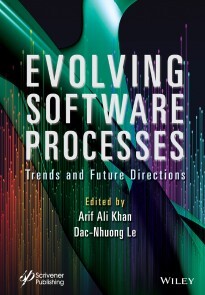
Evolving Software Processes
EVOLVING SOFTWARE PROCESSESTHE BOOK PROVIDES BASIC BUILDING BLOCKS OF EVOLUTION IN SOFTWARE PROCESSES, SUCH AS DEVOPS, SCALING AGILE PROCESS IN GSD, IN ORDER TO LAY A SOLID FOUNDATION FOR SUCCESSFUL AND SUSTAINABLE FUTURE PROCESSES.One might argue that there are already many books that include descriptions of software processes. The answer is “yes, but.” Becoming acquainted with existing software processes is not enough. It is tremendously important to understand the evolution and advancement in software processes so that developers appropriately address the problems, applications, and environments to which they are applied. Providing basic knowledge for these important tasks is the main goal of this book. Industry is in search of software process management capabilities. The emergence of the COVID-19 pandemic emphasizes the industry’s need for software-specific process management capabilities. Most of today’s products and services are based to a significant degree on software and are the results of largescale development programs. The success of such programs heavily depends on process management capabilities, because they typically require the coordination of hundreds or thousands of developers across different disciplines. Additionally, software and system development are usually distributed across geographical, cultural and temporal boundaries, which make the process management activities more challenging in the current pandemic situation. This book presents an extremely comprehensive overview of the evolution in software processes and provides a platform for practitioners, researchers and students to discuss the studies used for managing aspects of the software process, including managerial, organizational, economic and technical. It provides an opportunity to present empirical evidence, as well as proposes new techniques, tools, frameworks and approaches to maximize the significance of software process management. AUDIENCEThe book will be used by practitioners, researchers, software engineers, and those in software process management, DevOps, agile and global software development. ARIF ALI KHAN is at the University of Jyvȁskylȁ, Finland. He obtained his PhD degree in software engineering from the Department of Computer Science, City University of Hong Kong. He has participated in and managed several empirical software engineering related research projects. He has expertise in software outsourcing, process improvement, 3C’s (communication, coordination, control), requirements change management, agile software development and evidence-based software engineering. Khan has published over 40 articles in peer reviewed conferences and journals.DAC-NHUONG LE obtained his PhD in computer science from Vietnam National University, Vietnam in 2015. He is Deputy-Head of Faculty of Information Technology, Haiphong University, Vietnam. His area of research includes: evaluation computing and approximate algorithms, network communication, security and vulnerability, network performance analysis and simulation, cloud computing, IoT and image processing in biomedicine. He has more than 50 publications and edited/authored 15 computer science books, many with the Wiley-Scrivener imprint. List of Figures xvList of Tables xviiForeword xxiPreface xxiiiAcknowledgments xxviiAcronyms xxix1 REMO: A RECOMMENDATION DEVELOPMENT MODEL FOR SOFTWARE PROCESS IMPROVEMENT 1Sujin Choi, Dae-Kyoo Kim, Sooyong Park1.1 Introduction 21.2 Motivation 31.3 Related Work 51.4 Recommendation Development Model: ReMo 71.4.1 Correlation Analysis 91.4.2 Refining Improvement Packages 141.4.3 Building Recommendations 211.5 Case Studies 251.5.1 Phase I 281.5.2 Phase II 281.5.3 Phase III 281.5.4 Phase IV 291.6 Evaluation 291.6.1 Process Evaluation 301.6.2 Outcome Evaluation 321.6.3 Threats to Validity 361.7 Discussion 371.8 Conclusion 38References 392 A FRAMEWORK FOR A SUSTAINABLE SOFTWARE SECURITY PROGRAM 47Monica Iovan, Daniela S. Cruzes, Espen A. Johansen2.1 Introduction 482.2 Software Security Best Practices 492.2.1 Microsoft Security Development Lifecycle for Agile Development 492.2.2 Building Security in Maturity Model 502.2.3 OWASP Software Assurance Maturity Model 522.2.4 Software Security Services 532.3 Software Security in Visma 552.4 Top-Down and Bottom-Up Approach of a Sustainable Program 552.4.1 Ensuring the Adoption and Implementation of Security Practices 562.4.2 Enabling the Adoption and Implementation of Security Practices 572.4.3 Empowering the Teams 572.4.4 Embedding the Security Activities 582.5 Explorability of a Sustainable Software Security Program 582.5.1 Researching and Innovating Services 582.5.2 Creating New Services 602.5.3 Persuasion Focusing on the Types of Software Development Teams 612.5.4 Service Onboarding 632.6 Exploiting Existing Services 632.6.1 Collecting Continuous Feedback 642.6.2 Retrofitting the Services 652.6.3 Focus on Investment Costs and Benefits 662.6.4 Discontinuing a Service 662.7 Pitfalls of a Sustainable Software Security Program 672.8 Further Reading 682.9 Conclusion 68References 683 LINKING SOFTWARE PROCESSES TO IT PROFESSIONALISM FRAMEWORKS 71Luis Fernández-Sanz, Inés López Baldominos, Vera Pospelova3.1 Introduction 723.2 Process Standards 743.3 IT Professionalism Standards 753.3.1 ESCO 763.3.2 European e-Competence Framework 763.3.3 Skills Match Framework 773.4 Linking Software Processes and IT Professionalism Frameworks 783.5 Analysis of Recommended Skills in Processes According to Participating Professional Roles 793.6 Conclusions 84References 844 MONITORING AND CONTROLLING SOFTWARE PROJECT SCOPE USING AGILE EVM 89Avais Jan, Assad Abbas, Naveed Ahmad4.1 Introduction 904.2 Related Work 914.2.1 Tools and Techniques Used for Scope Definition 924.2.2 Traditional Project Scope Definition 934.2.3 Tools and Techniques for Agile Project Scope Definition 944.3 EVM Applications and Calculation 944.4 Research Methodology 964.4.1 Systematic Literature Review 974.4.2 Mapping of Factors with A-SPSRI Elements 984.5 Quantification of A-SPSRI Elements and Running Simulation 1014.5.1 Quantification of A-SPSRI Elements 1014.5.2 Running Simulations and Their Integration with Agile EVM 1014.5.3 Case Study 1 1034.5.4 Case Study 2 1104.6 Experimental Evaluation of Simulated Results 1124.6.1 Regression Model Interpretation 1124.6.2 Interpretation 1134.7 Conclusion 114References 1155 MODELING MULTI-RELEASE OPEN SOURCE SOFTWARE RELIABILITY GROWTH PROCESS WITH GENERALIZED MODIFIED WEIBULL DISTRIBUTION 123Vishal Pradhan, Ajay Kumar, Joydip Dhar5.1 Introduction 1245.2 Background 1265.3 Proposed Models 1275.3.1 Model-1 (General Model) 1275.3.2 Model-2 (Multi-Release Model) 1285.4 Performance Evaluation with Data Analysis 1285.4.1 Dataset and Parameter Estimation 1285.4.2 Competing Models and Comparison Criteria 1295.4.3 Least Square Estimation (LSE) 1295.4.4 Goodness of Fit 1305.4.5 Comparison of Results 1305.5 Conclusion 131References 1326 DEVELOPING A REFERENCE MODEL FOR OPEN DATA CAPABILITY MATURITY ASSESSMENT 135Murat Tahir Çaldağ, Ebru Gökalp6.1 Introduction 1366.2 Literature Review 1376.2.1 Theoretical Background 1376.2.2 Related Works 1376.3 Model Development 1396.3.1 Scope 1396.3.2 Design 1396.3.3 Populate 1406.3.4 Test 1406.3.5 Deploy and Maintain 1406.4 Open Data Capability Maturity Model 1406.4.1 Process Dimension 1406.4.2 Capability Dimension 1436.5 Conclusion 144References 1457 AHP-BASED PRIORITIZATION FRAMEWORK FOR SOFTWARE OUTSOURCING HUMAN RESOURCE SUCCESS FACTORS IN GLOBAL SOFTWARE DEVELOPMENT 151Abdul Wahid Khan, Ghulam Yaseen, Muhammad Imran Khan, Faheem Khan7.1 Introduction 1527.2 Literature Review 1537.3 Research Methodology 1537.3.1 Systematic Literature Review 1547.3.2 Search String Process 1547.3.3 Search String Development 1557.3.4 Selection of Publications 1557.3.5 Commencement of Data Extraction 1577.3.6 Result Generated for Research Questions through SLR by Applying Final Search String 1587.3.7 Categorization of Identified Success Factors 1597.3.8 Analytical Hierarchical Process (AHP) 1607.4 Proposed Methodology 1627.4.1 Questionnaire Development 1637.4.2 Data Sources 1637.4.3 Validation of Identified Success Factors 1637.4.4 Application of AHP to Prioritize Success Factors 1647.4.5 Comparison of Proposed Framework 1697.5 Limitations 1697.6 Implications of the Study 1697.7 Conclusions and Future Work 170References 1708 A PROCESS FRAMEWORK FOR THE CLASSIFICATION OF SECURITY BUG REPORTS 175Shahid Hussain8.1 Introduction 1768.2 Related Work 1778.2.1 Text Mining for Security Bug Report Prediction 1778.2.2 Machine Learning Algorithms-Based Prediction 1788.2.3 Bi-Normal Separation for Feature Selection 1788.3 Proposed Methodology 1788.3.1 Data Gathering and Preprocessing 1798.3.2 Identifying Security-Related Keywords 1798.3.3 Scoring Keywords 1808.3.4 Scoring Bug Reports 1818.4 Experimental Setup 1818.4.1 Machine Learning Algorithm 1818.4.2 Dataset 1818.4.3 Performance Evaluation 1818.5 Results and Discussion 1828.5.1 Response to RQ1 1828.5.2 Response to RQ2 1828.6 Conclusion 183References 1839 A SYSTEMATIC LITERATURE REVIEW OF CHALLENGES FACTORS FOR IMPLEMENTING DEVOPS PRACTICES IN SOFTWARE DEVELOPMENT ORGANIZATIONS: A DEVELOPMENT AND OPERATION TEAMS PERSPECTIVE 187Mohammad Shameem9.1 Introduction 1889.2 Research Methodology 1899.2.1 Stage-1: Planning the Review 1899.2.2 Stage-2: Conducting the Review 1919.2.3 Stage-3: Reporting the Review Process 1919.3 Results 1929.3.1 RQ1 (Challenges Identified in the Literature) 1929.3.2 RQ2 (Most Critical Challenges) 1929.3.3 RQ3 (Development and Operation Analysis) 1939.4 Discussion and Summary 1949.5 Threats to Validity 1949.6 Conclusions and Future Study 195References 19510 DEVOPS’ CULTURE CHALLENGES MODEL (DC2M): A SYSTEMATIC LITERATURE REVIEW PROTOCOL 201Muhammad Shoaib Khan, Abdul Wahid Khan, Javed Khan10.1 Introduction 20210.2 Background 20310.3 Systematic Literature Review Protocol 20410.4 Creating the Search String 20510.5 Search Strategies 20510.5.1 Trial Search 20510.5.2 Recognizing Search Terms Attributes 20610.5.3 Results for a 20610.5.4 Results for b 20610.5.5 Results for c 20710.5.6 Results for d 20710.6 Final Search String Construction 20810.7 Selection Criteria and Search Process 20910.7.1 Inclusion Criteria 20910.7.2 Exclusion Criteria 20910.7.3 Selection of Primary Sources 21010.8 Assessment of Publication Quality 21010.9 Data Extraction Stage 21010.9.1 Initiation of Data Extraction Phase 21010.9.2 Presentation of Data Extraction 21110.9.3 Data Extraction Process 21110.9.4 Data Storage 21110.10 Data Synthesis 21210.11 Discussion 21210.12 Validation of Review Protocol 21310.13 Limitation 214References 21411 CRITICAL CHALLENGES OF DESIGNING SOFTWARE ARCHITECTURE FOR INTERNET OF THINGS (IOT) SOFTWARE SYSTEM 219Noor Rehman, Abdul Wahid Khan11.1 Introduction 22011.2 Background 22111.2.1 Layered Architecture Pattern 22211.2.2 Microservices Software Architecture 22211.2.3 Event-Driven Software Architecture Pattern 22311.2.4 Blackboard Software Architecture Pattern 22411.2.5 Systematic Literature Review for SADM 22411.3 Research Questions 22411.4 Research Methodology 22511.4.1 Constructing Search Term Formulation 22511.4.2 Publication Selection Process 22911.4.3 Quality Assessment of the Publication 23011.4.4 Data Extraction 23011.4.5 Data Extraction Demonstration 23011.4.6 Findings 23211.5 Continent-Wise Comparison of the Challenges Found 23511.6 Limitations 23511.7 Conclusion and Future Work 236References 23712 CHALLENGES TO PROJECT MANAGEMENT IN DISTRIBUTED SOFTWARE DEVELOPMENT: A SYSTEMATIC LITERATURE REVIEW 241Sher Badshah12.1 Introduction 24212.2 Related Work 24212.3 Methodology 24312.3.1 Planning the Review 24412.3.2 Conducting the Review 24512.3.3 Reporting the Review 24612.4 Results and Discussion 24612.5 Conclusion and Future Work 248References 24913 CYBER SECURITY CHALLENGES MODEL: SLR-BASED PROTOCOL AND INITIAL FINDINGS 253Shah Zaib, Abdul Wahid Khan, Iqbal Qasim13.1 Introduction 25413.2 Related Work 25413.3 Systematic Literature Review (SLR) Protocol 25613.4 Research Questions 25613.5 Search Term Construction 25613.6 Strategies for Searching 25713.6.1 Trial Searching 25713.6.2 Characteristics of Search Terms 25713.7 Process of Search String 25813.7.1 Development of Search String 25813.7.2 Resources to be Searched 25913.8 Selection of Publication 25913.8.1 Inclusion Criteria 25913.8.2 Exclusion Criteria 26013.8.3 Support of Secondary Reviewer 26013.9 Assessment of Publication Quality 26013.10 Data Extraction Phase 26113.10.1 Commencement of Data Extraction Phase 26113.10.2 Presentation of Extracted Data 26113.10.3 Data Extraction Process 26113.10.4 Data Storage 26213.11 Literature Search and Selection 26213.12 Results 26313.12.1 Challenges in CSCM Based on Database/Digital Libraries 26313.12.2 Challenges in CSCM Based on Methodology 26513.13 Discussion 26613.14 Limitations 26613.15 Conclusion and Future Work 266References 26714 A PROCESS ASSESSMENT MODEL FOR HUMAN RESOURCE SKILL DEVELOPMENT ENABLING DIGITAL TRANSFORMATION 271Ebru Gökalp14.1 Introduction 27214.2 Literature Review 27314.2.1 Human Resource Skill Development 27314.2.2 Theoretical Background 27314.3 Process Assessment Model for Human Resource Skill Development 27414.3.1 Process Dimension 27414.3.2 Capability Dimension 27414.4 Application of the Process Assessment Model for DX-HRSD 27614.5 Findings and Discussions 27714.6 Conclusion 279References 279
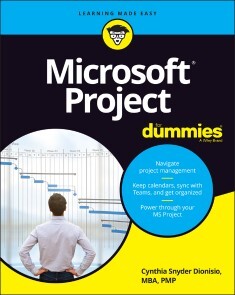
Microsoft Project For Dummies
BLOW PAST THE JARGON AND GET HANDS-ON, PRACTICAL GUIDANCE ON MANAGING ANY PROJECT WITH MICROSOFT PROJECTLean. Agile. Hybrid. It seems that project management these days comes with more confusing buzzwords than ever. But you can make managing your next project simple and straightforward with help from Microsoft Project For Dummies.This book unpacks Microsoft’s bestselling project management platform and walks you through every important feature, step-by-step, until you’re ready to take on virtually any project, no matter the size. From getting set up for the first time to creating tasks, managing resources and working with time management features, you’ll learn everything you need to know about managing a project in Microsoft’s iconic software.You’ll also find:* Totally updated guidance that applies to both the desktop version and Microsoft’s new subscription-based Microsoft Project Online * Helpful information on integrating Agile practices and techniques into your project * “Golden rules” that keep a project on-track and on-time * Ways to effectively manage your resources with Microsoft Project’s built-in functionality Managing a project, big or small, is no easy task. Luckily, Microsoft Project For Dummies can take a lot of the hassle out of your day-to-day life. Learn how to take advantage of this powerful software today!CYNTHIA SNYDER DIONISIO is a project anagement consultant with a passion for curriculum design and online training. Author of Microsoft Project 2019 For Dummies, she’s helped thousands of employees find success in their project management careers.INTRODUCTION 1About This Book 1What’s Not in This Book 2Foolish Assumptions 2Icons Used in This Book 3Beyond the Book 3Where to Go from Here 4PART 1: GETTING STARTED WITH PROJECT 5CHAPTER 1: PROJECT MANAGEMENT, MS PROJECT, AND YOU 7Project Management Evolution 8What’s in a Name: Projects, Project Management, and Project Managers 9Project managers and Scrum masters 10The role of the project manager 11The role of the Scrum master 12Introducing Microsoft Project 13Getting to Know You 14Navigating Ribbon tabs and the Ribbon 17Displaying more tools 20Tell Me What You Want to Do 22CHAPTER 2: STARTING THE PROJECT 23Creating the Project Charter 24Introducing the Work Breakdown Structure (WBS) 26Organizing the Work 27Starting the Project 28Entering project information 29Entering the WBS 31Indenting and outdenting (a.k.a promoting and demoting) 32Entering tasks 33Weighing manual scheduling versus automatic scheduling 35Inserting one project into another 37Inserting hyperlinks 38CHAPTER 3: BECOMING A TASK MASTER41Creating Summary Tasks and Subtasks 41How many levels can you go? 43The project summary task 43Moving Tasks Up, Down, and All Around 45Moving tasks with the drag-and-drop method 45Moving tasks with the cut-and-paste method 46Now You See It, Now You Don’t: Collapsing and Expanding the Task Outline 47Showing Up Again and Again: Recurring Tasks 48Setting Milestones 50Deleting Tasks and Using Inactive Tasks 51Making a Task Note 52CHAPTER 4: THE CODEPENDENT NATURE OF TASKS55How Tasks Become Dependent 56Dependent tasks: Which comes first? 56Dependency types 57Allowing for Murphy’s Law: Lag and lead time 59Setting the Dependency Connection 60Adding the dependency link 60Words to the wise 62Understanding that things change: Deleting dependencies 64CHAPTER 5: ESTIMATING TASK TIME67You’re in It for the Duration 68Tasks come in all flavors: Identifying task types 68Effort-driven tasks: 1 + 1 = ½ 71Estimating Effort and Duration 72Estimating techniques 72Setting the task duration 74Controlling Timing with Constraints 76Understanding how constraints work 76Establishing constraints 76Setting a deadline 78Starting and Pausing Tasks 79Entering the task’s start date 80Taking a break: Splitting tasks 81CHAPTER 6: CHECK OUT THIS VIEW!83A Project with a View 83Navigating tabs and views 84Scrolling around 86Reaching a specific spot in your plan 87More Detail about Views 88Home base: Gantt Chart view 88Resourceful views: Resource Sheet and Team Planner 89Getting your timing down with the Timeline 90Going with the flow: Network Diagram view 91Calling up Calendar view 91Customizing Views 92Working with view panes 93Modifying Network Diagram view 98Resetting the view 100PART 2: MANAGING RESOURCES 103CHAPTER 7: CREATING RESOURCES 105Resources: People, Places, and Things 105Becoming Resource-Full 106Understanding resources 106Resource types: Work, material, and cost 107How resources affect task timing 108Estimating resource requirements 109The Birth of a Resource 110Creating one resource at a time 110Identifying resources before you know their names 112Many hands make light work 113Managing Resource Availability 113Estimating and setting availability 114When a resource comes and goes 115Sharing Resources 116Skimming from resource pools 116Importing resources from Outlook 119CHAPTER 8: WORKING WITH CALENDARS121Mastering Base, Project, Resource, and Task Calendars 122Setting the base calendar for a project 122Understanding the four calendar types 122How calendars work 123How one calendar relates to another 123Scheduling with Calendar Options and Working Times 124Setting calendar options 125Setting exceptions to working times 126Working with Task Calendars and Resource Calendars 128Setting resource calendars 129Making a change to a resource’s calendar 130Creating a Custom Calendar Template 132Sharing Copies of Calendars 134CHAPTER 9: ASSIGNING RESOURCES 137Finding the Right Resource 137Needed: One good resource willing to work 138Custom fields: It’s a skill 139Making a Useful Assignation 140Determining material and cost-resource units 140Making assignments 141Shaping the contour that’s right for you 145Benefitting from a Helpful Planner 147CHAPTER 10: DETERMINING A PROJECT’S COST149How Do Costs Accrue? 150Adding up the costs 150When will these costs hit the bottom line? 151Specifying Cost Information in the Project 152You can’t avoid fixed costs 153Entering hourly, overtime, and cost-per-use rates 154Assigning material resources 156PART 3: BEFORE YOU BASELINE 159CHAPTER 11: FINE-TUNING YOUR PLAN 161Everything Filters to the Bottom Line 161Setting predesigned filters 162Putting AutoFilter to work 163Creating do-it-yourself filters 166Gathering Information in Groups 167Applying predefined groups 169Devising your own groups 169Figuring Out What’s Driving the Project 171Inspecting tasks 172Handling task warnings, suggestions, and problems 173CHAPTER 12: NEGOTIATING PROJECT CONSTRAINTS175It’s about Time 176Applying contingency reserve 176Completing a task in less time 177Getting What You Want for Less 180The Resource Recourse 181Checking resource availability 181Deleting or modifying a resource assignment 183Beating overallocations with quick-and-dirty rescheduling 184Finding help 184Leveling resources 185Rescheduling the Project 188CHAPTER 13: MAKING THE PROJECT LOOK GOOD189Looking Good! 190Formatting the Gantt Chart 190Formatting taskbars 190Zeroing in on critical issues 194Restyling the Gantt chart 194Formatting Network Diagram Boxes 195Adjusting the Layout 197Modifying Gridlines 199Recognizing When a Picture Can Say It All 201Creating a Custom Text Field 202CHAPTER 14: IT ALL BEGINS WITH A BASELINE 207All about Baselines 208Saving a baseline 208Saving more than one baseline 210Clearing and resetting a baseline 211In the Interim 212Saving an interim plan 213Clearing and resetting an interim plan 214PART 4: STAYING ON TRACK 217CHAPTER 15: ON THE RIGHT TRACK 219Tracking Views 220Setting the status date 220Tracking status with the Task sheet 221Using the Tracking table 221Tracking buttons 222Determining the percent complete 223Tracking status with Task Usage view 224Tracking status with Resource Usage view 224Uh-oh — you’re in overtime 225Specifying remaining durations for auto-scheduled tasks 226Entering fixed-cost updates 227Moving a Task 228Update Project: Sweeping Changes 230Tracking Materials 232Tracking More than One Project 233CHAPTER 16: PROJECT VIEWS: OBSERVING PROGRESS235Seeing Where Tasks Stand 236Baseline versus actual progress 236Lines of progress 236Delving into the Detail 240Tracking Progress Using Earned Value Management 242Viewing the Earned Value table 244Earned value options 244Calculating behind the Scenes 246An abundance of critical paths 246CHAPTER 17: YOU’RE BEHIND — NOW WHAT?249Using Project with Risk and Issue Logs 249Documenting issues 250Printing interim plans and baselines 250What-If Scenarios 251Sorting tasks 252Filtering 253Examining the critical path 254Using resource leveling (again) 255Determining which factors are driving the timing of a task 256How Adding People or Time Affects the Project 257Hurrying up and making modifications 257Throwing resources at the problem 258Shifting dependencies and task timing 259When All Else Fails 261Taking the time you need 261Finding ways to cut corners 262CHAPTER 18: SPREADING THE NEWS: REPORTING 265Generating Standard Reports 266What’s available on the Report tab 266Dashboard reports 267Creating New Reports 268Gaining a new perspective on data with visual reports 270Creating a visual report 270Fine-Tuning a Report 271Dragging, dropping, and sizing 272Looking good! 273Spiffing Things Up 274Calling the Printer! 276Working with Page Setup 277Getting a preview 279Finalizing your print options 280Working on the Timeline 281Adding tasks to the Timeline 281Customizing the Timeline 283Copying the Timeline 283PART 5: WORKING WITH SPRINTS PROJECTS 285CHAPTER 19: SETTING UP A SPRINTS PROJECT 287Creating a Sprints Project 287Enjoying a Whole New View 290The Task Board and Task Board sheet 291The Sprint Planning Board and Sprint Planning sheet 292The Current Sprint Board and Current Sprint sheet 293The Backlog Board and the Backlog sheet 293Adding Information to Tasks 294Prioritizing Tasks 296Inserting a Sprints Project into a Plan-Driven Project 296CHAPTER 20: TRACKING A SPRINTS PROJECT 299Viewing Your Sprints Project Data 299Using filters to focus 300Using tables to arrange data 300Being a groupie 302Sorting tasks 302Creating Sprints Reports 303CHAPTER 21: GETTING BETTER ALL THE TIME 307Reviewing the Project 308Learning from your mistakes 308Fine-tuning communication 309Comparing Versions of a Project 310Building on Success 312Creating a template 312Mastering the Organizer 314PART 6: THE PART OF TENS 317CHAPTER 22: TEN GOLDEN RULES OF PROJECT MANAGEMENT 319Roll with It 319Put Your Ducks in a Row 320Expect the Unexpected 321Don’t Put Off until Tomorrow 322Delegate, Delegate, Delegate 322Document It 323Keep the Team in the Loop 323Measure Success 324Maintain a Flexible Strategy 325Learn from Your Mistakes 325CHAPTER 23: TEN COOL SHORTCUTS IN PROJECT 327Task Information 327Resource Information 328Frequently Used Functions 329Subtasks 330Quick Selections 330Fill Down 331Navigation 331Hours to Years 331Timeline Shortcuts 331Quick Undo 332Glossary 333Index 341

Numerical Methods Using Java
Implement numerical algorithms in Java using NM Dev, an object-oriented and high-performance programming library for mathematics.You’ll see how it can help you easily create a solution for your complex engineering problem by quickly putting together classes.Numerical Methods Using Java covers a wide range of topics, including chapters on linear algebra, root finding, curve fitting, differentiation and integration, solving differential equations, random numbers and simulation, a whole suite of unconstrained and constrained optimization algorithms, statistics, regression and time series analysis. The mathematical concepts behind the algorithms are clearly explained, with plenty of code examples and illustrations to help even beginners get started.WHAT YOU WILL LEARN* Program in Java using a high-performance numerical library* Learn the mathematics for a wide range of numerical computing algorithms* Convert ideas and equations into code* Put together algorithms and classes to build your own engineering solution* Build solvers for industrial optimization problems* Do data analysis using basic and advanced statisticsWHO THIS BOOK IS FORProgrammers, data scientists, and analysts with prior experience with programming in any language, especially Java.HAKSUN LI, PHD, is founder of NM Group, a scientific and mathematical research company. He has the vision of “Making the World Better Using Mathematics”. Under his leadership, the firm serves worldwide brokerage houses and funds, multinational corporations and very high net worth individuals. Haksun is an expert in options trading, asset allocation, portfolio optimization and fixed-income product pricing. He has coded up a variety of numerical software, including SuanShu (a library of numerical methods), NM Dev (a library of numerical methods), AlgoQuant (a library for financial analytics), NMRMS (a portfolio management system for equities), and supercurve (a fixed-income options pricing system). Prior to this, Haksun was a quantitative trader/quantitative analyst with multiple investment banks. He has worked in New York, London, Tokyo, and Singapore.Additionally, Haksun is the vice dean of the Big Data Finance and Investment Institute of Fudan University, China. He was an adjunct professor with multiple universities. He has taught at the National University of Singapore (mathematics), Nanyang Technological University (business school), Fudan University (economics), as well as Hong Kong University of Science and Technology (mathematics). Dr. Haksun Li has a B.S. and M.S. in pure and financial mathematics from the University of Chicago, and an M.S. and a PhD in computer science and engineering from the University of Michigan, Ann Arbor.Table of ContentsAbout the Authors...........................................................................................................iPreface............................................................................................................................ii1. Why Java?..............................................................................................................61.1. Java in 2020.....................................................................................................61.2. Java vs. C++....................................................................................................61.3. Java vs. Python................................................................................................61.4. Java in the future .............................................................................................62. Data Structures.......................................................................................................72.1. Function...........................................................................................................72.2. Polynomial ......................................................................................................73. Linear Algebra .......................................................................................................83.1. Vector and Matrix ...........................................................................................83.1.1. Vector Properties .....................................................................................83.1.2. Element-wise Operations.........................................................................83.1.3. Norm ........................................................................................................93.1.4. Inner product and angle ...........................................................................93.2. Matrix............................................................................................................103.3. Determinant, Transpose and Inverse.............................................................103.4. Diagonal Matrices and Diagonal of a Matrix................................................103.5. Eigenvalues and Eigenvectors.......................................................................103.5.1. Householder Tridiagonalization and QR Factorization Methods..........103.5.2. Transformation to Hessenberg Form (Nonsymmetric Matrices)...........104. Finding Roots of Single Variable Equations .......................................................114.1. Bracketing Methods ......................................................................................114.1.1. Bisection Method ...................................................................................114.2. Open Methods...............................................................................................114.2.1. Fixed-Point Method ...............................................................................114.2.2. Newton’s Method (Newton-Raphson Method) .....................................114.2.3. Secant Method .......................................................................................114.2.4. Brent’s Method ......................................................................................115. Finding Roots of Systems of Equations...............................................................125.1. Linear Systems of Equations.........................................................................125.2. Gauss Elimination Method............................................................................125.3. LU Factorization Methods ............................................................................125.3.1. Cholesky Factorization ..........................................................................125.4. Iterative Solution of Linear Systems.............................................................125.5. System of Nonlinear Equations.....................................................................126. Curve Fitting and Interpolation............................................................................146.1. Least-Squares Regression .............................................................................146.2. Linear Regression..........................................................................................146.3. Polynomial Regression..................................................................................146.4. Polynomial Interpolation...............................................................................146.5. Spline Interpolation .......................................................................................147. Numerical Differentiation and Integration...........................................................157.1. Numerical Differentiation .............................................................................157.2. Finite-Difference Formulas...........................................................................157.3. Newton-Cotes Formulas................................................................................157.3.1. Rectangular Rule....................................................................................157.3.2. Trapezoidal Rule....................................................................................157.3.3. Simpson’s Rules.....................................................................................157.3.4. Higher-Order Newton-Coles Formulas..................................................157.4. Romberg Integration .....................................................................................157.4.1. Gaussian Quadrature..............................................................................157.4.2. Improper Integrals..................................................................................158. Numerical Solution of Initial-Value Problems....................................................168.1. One-Step Methods.........................................................................................168.2. Euler’s Method..............................................................................................168.3. Runge-Kutta Methods...................................................................................168.4. Systems of Ordinary Differential Equations.................................................169. Numerical Solution of Partial Differential Equations..........................................179.1. Elliptic Partial Differential Equations...........................................................179.1.1. Dirichlet Problem...................................................................................179.2. Parabolic Partial Differential Equations........................................................179.2.1. Finite-Difference Method ......................................................................179.2.2. Crank-Nicolson Method.........................................................................179.3. Hyperbolic Partial Differential Equations.....................................................1710..................................................................................................................................1811..................................................................................................................................1912. Random Numbers and Simulation ....................................................................2012.1. Uniform Distribution .................................................................................2012.2. Normal Distribution...................................................................................2012.3. Exponential Distribution............................................................................2012.4. Poisson Distribution ..................................................................................2012.5. Beta Distribution........................................................................................2012.6. Gamma Distribution ..................................................................................2012.7. Multi-dimension Distribution ....................................................................2013. Unconstrainted Optimization ............................................................................2113.1. Single Variable Optimization ....................................................................2113.2. Multi Variable Optimization .....................................................................2114. Constrained Optimization .................................................................................2214.1. Linear Programming..................................................................................2214.2. Quadratic Programming ............................................................................2214.3. Second Order Conic Programming............................................................2214.4. Sequential Quadratic Programming...........................................................2214.5. Integer Programming.................................................................................2215. Heuristic Optimization......................................................................................2315.1. Genetic Algorithm .....................................................................................2315.2. Simulated Annealing .................................................................................2316. Basic Statistics..................................................................................................2416.1. Mean, Variance and Covariance................................................................2416.2. Moment......................................................................................................2416.3. Rank...........................................................................................................2417. Linear Regression .............................................................................................2517.1. Least-Squares Regression..........................................................................2517.2. General Linear Least Squares....................................................................2518. Time Series Analysis ........................................................................................2618.1. Univariate Time Series..............................................................................2618.2. Multivariate Time Series ...........................................................................2618.3. ARMA .......................................................................................................2618.4. GARCH .....................................................................................................2618.5. Cointegration .............................................................................................2619. Bibliography .....................................................................................................2720. Index .....................................................................................................

Pro Jakarta Persistence in Jakarta EE 10
Learn to use the Jakarta Persistence API and other related APIs as found in the Jakarta EE 10 platform from the perspective of one of the specification creators. A one-of-a-kind resource, this in-depth book provides both theoretical and practical coverage of Jakarta Persistence usage for experienced Java developers.Authors Lukas Jungmann, Mike Keith, Merrick Schincariol, Massimo Nardone take a hands-on approach, based on their wealth of experience and expertise, by giving examples to illustrate each concept of the API and showing how it is used in practice. The examples use a common model from an overarching sample application, giving you a context from which to start and helping you to understand the examples within an already familiar domain.After completing this in-depth book, you will have a full understanding of persistence and be able to successfully code applications using its annotations and APIs. The book also serves as an excellent reference guide.WHAT YOU WILL LEARN* Use Jakarta Persistence in the context of enterprise applications* Work with object relational mappings (ORMs), collection mappings and more* Build complex enterprise Java applications that persist data long after the process terminates* Connect to and persist data with a variety of databases, file formats, and more* Use queries, including the Jakarta Persistence Query Language (Jakarta Persistence QL)* Carry out advanced ORM, queries and XML mappings* Package, deploy and test your Jakarta persistence-enabled enterprise applicationsWHO THIS BOOK IS FORExperienced Java programmers and developers with at least some prior experience with Jakarta EE or Java EE platform APIs.LUKAS JUNGMANN is the specification project co-lead for Jakarta Persistence, and the lead for a number of other Jakarta Specification projects including Jakarta Activation, Mail, XML Binding, SOAP with Attachments, and XML Web Services. He is a contributor to Jakarta Platform, JSON Processing, JSON Binding specification projects and is lead for a number of implementation projects of various Jakarta specifications including EclipseLink, Eclipse Metro and Eclipse Angus. He holds a Bachelor’s degree in Applied Informatics from University of Finance and Administration in Prague, Czech Republic, and has over 15 years’ experience working with Enterprise Java related technologies. He has spoken at numerous conferences around the world. He is employed as a software developer at Oracle in Prague, Czech Republic, and is married with three kids and one cat.MIKE KEITH is a co-specification lead for JPA 1.0 and a member of the JPA 2.0 and JPA 2.1 expert groups. He sits on a number of other Java Community Process expert groups and the Enterprise Expert Group (EEG) in the OSGi Alliance. He holds a Masters degree in Computer Science from Carleton University, and has over 20 years experience in persistence and distributed systems research and practice.He has written papers and articles on JPA and spoken at numerous conferences around the world. He is employed as an architect at Oracle in Ottawa, Canada,and is married with four kids and two dogs.MERRICK SCHINCARIOL is a senior engineer for the Oracle OC4J Java EE Container. He was a lead engineer for Oracle's EJB 3.0 release and co-author of Pro EJB 3: Java Persistence API. Before joining Oracle, Merrick developed enterprise and large-scale systems for the telecommunications industry.MASSIMO NARDONE has more than 23 years of experiences in Security, Web/Mobile development, Cloud and IT Architecture and has been programming and teaching how to program with Android, Perl, PHP, Java, VB, Python, C/C++ and MySQL for more than 20 years. He currently works as Chief Information Security Office (CISO) for Cargotec Oyj and he is member of the ISACA Finland Chapter Board. Massimo has provided technical review for more than 40 IT books, and is the coauthor of Pro Android Games (Apress, 2015).* Introduction * Getting Started * Enterprise Applications * Object Relational Mapping * Collection Mapping * Entity Manager * Using Queries * Java Persistence Query Language * Criteria * Advanced Object Relational Mapping * Advanced Queries * Advanced Topics * XML Mapping Files * Packaging and Deployment * Testing

Beginning iPhone Development with SwiftUI
Tame the power of Apple’s new user interface toolkit, SwiftUI. Integrate all the interface elements iOS users have come to know and love, such as buttons, switches, pickers, toolbars, and sliders with less effort and more efficiency. You’ll also learn about touch gestures, lists, and grids for displaying data on a user interface. And you’ll even go beyond those simple controls to liven up any user interface with simple animation techniques. Spice your designs up with movement, scaling, and resizing, including spring and bounce effects!You’ll start with basic designs and then explore more sophisticated ones. Assuming little or no working knowledge of the Swift programming language, and written in a friendly, easy-to-follow style, this book offers a comprehensive course in iPhone and iPad programming. The book starts with a gentle introduction to using Xcode and then guides you though the creation of your first simple application. You’ll create user interfaces for that application using multiple screens in two different ways—using Navigation View and Tab Bars.Beginning iPhone Development with Swift UI covers the basic information you need to get up and running quickly to turn your great ideas into working iOS apps with stunningly interactive interfaces using SwiftUI. Once you’re ready, move on to Pro iPhone Development with Swift UI to learn more of the unique aspects of iOS programming and the Swift language.WHAT YOU WILL LEARN* Discover the basics of designing a user interface using SwiftUI* Build cool, crisp user interfaces that use animation* Display data in lists and outlines* Organize user interfaces in forms and groupsWHO THIS BOOK IS FORAspiring iOS app developers new to the Apple Swift programming language and/or the iOS SDK.WALLACE WANG is a former Windows enthusiast who took one look at Vista and realized that the future of computing belonged to the Mac. He's written more than 40 computer books, including Microsoft Office for Dummies, Beginning Programming for Dummies, Steal This Computer Book, My New Mac, and My New iPad. In addition to programming the Mac and iPhone/iPad, he also performs stand-up comedy, having appeared on A&E s "Evening at the Improv," and having performed in Las Vegas at the Riviera Comedy Club at the Riviera Hotel & Casino. When he’s not writing computer books or performing stand-up comedy, he also enjoys blogging about screenwriting at his site, The 15 Minute Movie Method, where he shares screenwriting tips with other aspiring screenwriters who all share the goal of breaking into Hollywood.Chapter 1: Getting to Know the iOS LandscapeChapter 2: Writing our First AppChapter 3: Handling Basic User InteractionsChapter 4: Adding Intermediate Level User InteractionsChapter 5: Working with Device RotationsChapter 6: Creating a Multiview ApplicationChapter 7: Using Tab Bars and PickersChapter 8: Introducing Table ViewsChapter 9: Adding Navigation Controllers to Table ViewsChapter 10: Collection ViewsChapter 11: Split Views and Popovers for iPad AppsChapter 12: App Customization with Settings and DefaultChapter 13: Persistence: Saving Data Between App LaunchesChapter 14: Graphics and DrawingAppendix: An Introduction to Swift

Windows 11 For Seniors For Dummies
DON'T CALL YOUR TECH GURU FOR HELP—GET THIS BOOK AND HELP YOURSELF!What do you want to do with your Windows computer? Sign up for Facebook to keep up with your friends? Watch a video taken during the latest family trip? Find your latest email messages with a single click of the mouse? Look no further than Windows 11 For Seniors For Dummies to discover how to do these tasks and others that you depend on a daily basis. With this guide to the popular operating system, you find the clear and easy instructions to checking tech tasks off your to-do list. This book focuses on giving you the steps—with plenty of helpful illustrations—you need to complete the essential tasks that you perform throughout your day, like connecting with friends on social media, customizing your Windows 11 desktop with personal photos, and emailing the family about weekend plans. You also find out how to navigate Windows 11 and enhance it with the apps and widgets that you use. Other topics include:* Adding shortcuts to favorite apps* Personalizing your desktop* Creating your private Windows account* Setting up the email app* Having news delivered to your desktop* Chasing down lost files* Tweaking your digital photos* Setting your security and forgetting about itReach for Windows 11 For Seniors For Dummies whether you need a basic introduction to Windows, want a refresher on Windows 11, or have a question you want answered right away. You can then spend less time looking for help on how your computer works and more time enjoying the fun parts of life. CURT SIMMONS is a bestselling author who has written nearly 100 technology books. He also develops courseware on Microsoft products and photography. He enjoys helping people understand their computers and other devices.Introduction 1PART 1: GETTING STARTED WITH WINDOWS 11 7Chapter 1: Getting Acquainted with Windows 11 9Chapter 2: Using the Start Screen, Apps, and Widgets 25Chapter 3: Adjusting Windows 11 Settings 49Chapter 4: Working with User Accounts 65Chapter 5: Getting Comfortable with the Desktop 87PART 2: WINDOWS 11 AND THE WEB 105Chapter 6: Finding What You Need on the Web 107Chapter 7: Emailing Family and Friends 127Chapter 8: Connecting with Microsoft Teams 145Chapter 9: Exploring Apps for Your Daily Life 163PART 3: HAVING FUN WITH WINDOWS 11 187Chapter 10: Exploring the Microsoft Store 189Chapter 11: Taking Photos and More 205Chapter 12: Enjoying Music and Videos 227PART 4: BEYOND THE BASICS 245Chapter 13: Maintaining Windows 11 247Chapter 14: Connecting a Printer and Other Devices 267Chapter 15: Working with Files 279Chapter 16: Backing Up and Restoring Files 301Index 321
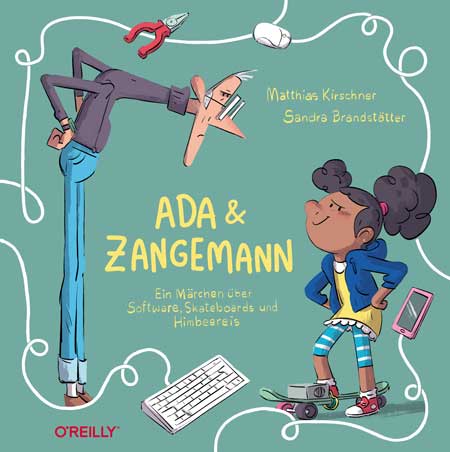
Ada und Zangemann
Ein Märchen über Software, Skateboards und Himbeereis. Ein Buch über den selbstbestimmten Umgang mit Technik.In einer riesigen Villa hoch oben über der Stadt lebt der berühmte Erfinder Zangemann. Erwachsene wie Kinder lieben seine Erfindungen und wollen sie unbedingt haben. Doch dann geschieht etwas: Zangemann kommt in die Stadt, um seine Erfindungen wieder einmal aus der Nähe zu betrachten und – RUMMS! – ein Kind fährt ihm mit seinem Skateboard gegen das Schienbein. Wutentbrannt trifft der Erfinder eine Entscheidung und dann passieren merkwürdige Dinge ... Aber das kluge Mädchen Ada durchschaut, was vor sich geht. Gemeinsam mit ihren Freund:innen schmiedet sie einen Plan.Das illustrierte Kinderbuch erzählt die Geschichte vom berühmten Erfinder Zangemann und dem Mädchen Ada, einer neugierigen Tüftlerin. Ada beginnt mit Hard- und Software zu experimentieren und erkennt dabei, wie wichtig der eigenständige, freie Umgang mit Software für sie und andere ist.Ein Buch für Kinder ab 6 Jahren, das Freude am Tüfteln vermittelt und zum selbstbestimmten Umgang mit Technik aufruft. Leseprobe 1 (PDF-Link)Leseprobe 2 (PDF-Link)Über die Autoren:Matthias Kirschner ist Präsident der FSFE. 1999 begann er, GNU/Linux zu nutzen und realisierte, dass Software tief in allen Bereichen unseres Lebens verwurzelt ist. Er ist davon überzeugt, dass diese Technik unsere Gesellschaft nicht einschränken, sondern sie befähigen muss. Seit 2004, während seines Studiums der Politik- und Verwaltungswissenschaft, engagiert er sich bei der FSFE und arbeitet dort seit 2009 Vollzeit.Er unterstützt unterschiedliche Organisationen, Unternehmen und die Öffentliche Verwaltung dabei, von Freier Software zu profitieren und er erklärt, wie die grundlegenden Rechte von Freier Software – das Recht sie zu verwenden, zu verstehen, zu verbreiten und zu verbessern – die Meinungsfreiheit, Pressefreiheit oder Privatsphäre fördern.Matthias ist im Advisory Board von unterschiedlichen Freien-Software-Organisationen, war Sachverständiger im Bundestag und anderen Gremien, gibt regelmäßig Interviews und hält Vorträge zum Thema Freie Software.Sandra Brandstätter ist österreichische Wahlberlinerin und arbeitet als Illustratorin, Comicautorin und Character Designerin für Trickfilme und -serien, zum Beispiel für die Serie „Trudes Tier“ (Sendung mit der Maus).Folgende ihrer Kinderbücher und -comics sind auch im Handel erhältlich: „Paula: Liebesbrief des Schreckens“ (Reprodukt Verlag/2016), „Ben & Teo: Zwei sind einer zuviel“ (Beltz & Gelberg/ Autor: Martin Baltscheit/2020).
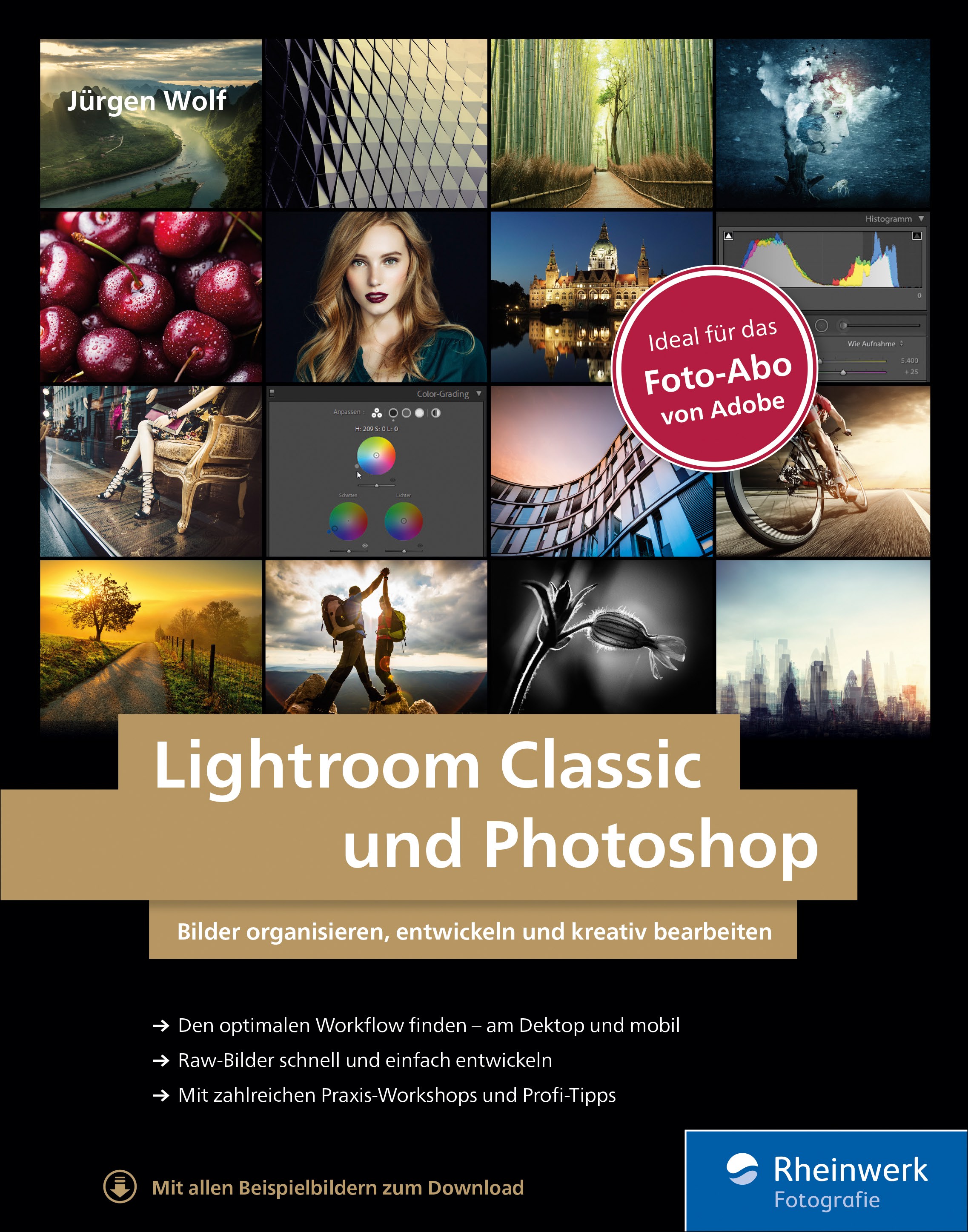
Lightroom Classic und Photoshop (4. Auflage)
Bilder organisieren, entwickeln und kreativ bearbeiten. Ideal für das Foto-Abo der Adobe Creative Cloud! In 4. aktualisierter und erweiterter Auflage.Holen Sie das Optimum aus Ihren Bildern heraus! Dieses Buch zeigt Ihnen, wie Sie das Power-Duo Lightroom Classic und Photoshop bestmöglich einsetzen und welche vielfältigen Möglichkeiten das verzahnte Zusammenspiel dieser beiden Programme bietet. Angefangen mit dem Bildimport wird ein nahtloser und effizienter Foto-Workflow über Bildorganisation, Bildentwicklung, kreative Retusche und Ausgabe aufgebaut.Sie lernen, wie Sie Ihren Bildbestand optimal verwalten, vorentwickeln und die Weichen für die finale Bearbeitung und Retusche in Photoshop und anschließende perfekte Ausgabe stellen. Ausführliche Erklärungen, attraktive Workshops, Tipps und Tricks, verständlich erklärtes Hintergrundwissen und praktisches Know-how bringen Sie hierbei zum perfekten Ergebnis. Ideal für das Foto-Abo der Adobe Creative Cloud!Aus dem Inhalt:Bildimport und -verwaltungMetadaten nutzen und pflegenRAW-EntwicklungFoto-Workflow optimierenSchnell und effizient arbeiten: Stapelverarbeitung, Vorgaben, AutomatikenSchwarzweiß, Farbe, TonungenBildkorrekturenProfessionelle RetuscheArbeiten mit Smart ObjectsAusgabe und PräsentationLightroom für MobilgerätePhotoshop für das iPadLeseprobe (PDF-Link)
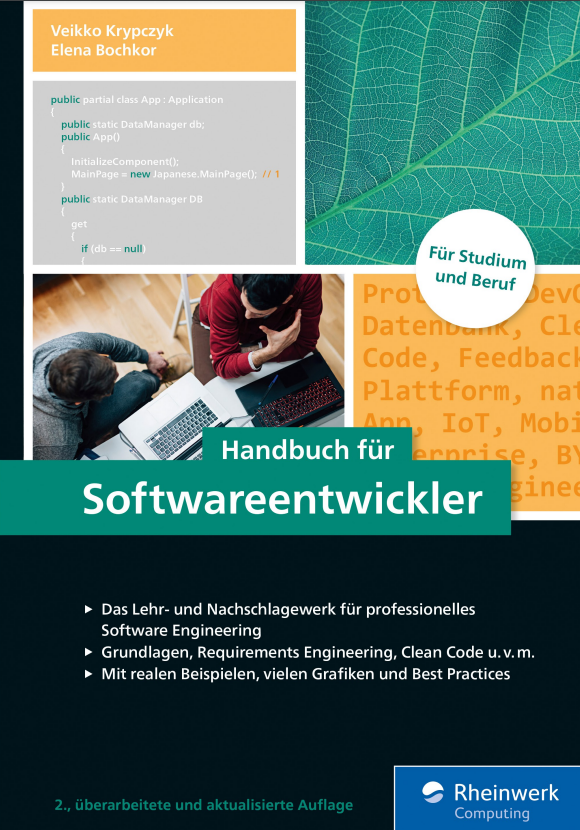
Handbuch für Softwareentwickler (2. Auflage)
Das Standardwerk für professionelles Software Engineering. Jeder Entwickler weiß, dass es mit der Kenntnis von Sprachen und Programmierplattformen nicht getan ist. Wer erfolgreich Software entwickeln möchte, sollte mit vielen Fachgebieten und Methoden vertraut sein – von der Architektur über Datenhaltung, Anforderungsmanagement, Sicherheitsfragen bis zum Projektmanagement. Hier finden Sie eine umfassende Behandlung dieser Themenvielfalt. Das Autorenteam gibt praktische Empfehlungen zu grundlegenden und aktuellen Fragen der professionellen Softwareentwicklung. Das theoretische Fundament und die gut erläuterten Fachbegriffe sind dabei niemals Selbstzweck, sondern stehen im Dienst der Kunst, für Ihre Kunden gute Software zu entwickeln. Aus dem Inhalt: Algorithmen und DatenhaltungAnforderungsanalyse, Planung und EntwurfGelungene User InterfacesBenutzerfreundlichkeit und KundenzufriedenheitMigration – vom Altsystem zur zeitgemäßen AnwendungDatensicherheit, Datenschutz und VerschlüsselungÜberblick über Werkzeuge, Entwicklungsumgebungen und VersionsverwaltungGuter Code und QualitätsmaßstäbePlattformübergreifende EntwicklungAutoren: Prof. Dr. Veikko Krypczyk lehrt u.a. Informatik und Wirtschaftsinformatik. Darüber hinaus ist er Softwareentwickler mit Leidenschaft und begeistert sich für moderne Technologien und Vorgehensweisen.Elena Bochkor hat Betriebswirtschaft mit dem Schwerpunkt Wirtschaftsinformatik studiert. Ihr Arbeitsschwerpunkt ist der Entwurf und das Design moderner und kundengerechter Benutzeroberflächen. Leseprobe (PDF-Link)

Handbuch für Softwareentwickler
Das Standardwerk für professionelles Software Engineering. Jeder Entwickler weiß, dass es mit der Kenntnis von Sprachen und Programmierplattformen nicht getan ist. Wer erfolgreich Software entwickeln möchte, sollte mit vielen Fachgebieten und Methoden vertraut sein – von der Architektur über Datenhaltung, Anforderungsmanagement, Sicherheitsfragen bis zum Projektmanagement. Hier finden Sie eine umfassende Behandlung dieser Themenvielfalt. Das Autorenteam gibt praktische Empfehlungen zu grundlegenden und aktuellen Fragen der professionellen Softwareentwicklung. Das theoretische Fundament und die gut erläuterten Fachbegriffe sind dabei niemals Selbstzweck, sondern stehen im Dienst der Kunst, für Ihre Kunden gute Software zu entwickeln Aus dem Inhalt: Grundlagen: Algorithmen und DatenstrukturenAnforderungsanalyse, Planung und EntwurfGelungene User InterfacesKundenzufriedenheit und BenutzerfreundlichkeitMigration – vom Altsystem zur zeitgemäßen AnwendungDatensicherheit, Datenschutz und VerschlüsselungGuter Code und QualitätsmaßstäbePlattformübergreifende EntwicklungParallelprogrammierungSoftwaretestingMobile Computing im Enterprise-UmfeldÜberblick über Werkzeuge wie Entwicklungsumgebungen und Versionsverwaltung Materialien zum Buch ... 20 Vorwort ... 21 TEIL I. Überblick ... 23 1. Überblick ... 25 1.1 ... Berufswunsch Softwareentwickler ... 25 1.2 ... Über dieses Buch ... 32 1.3 ... Quellen der zitierten Statistiken ... 37 2. Programmierung als Kern der Softwareentwicklung ... 39 2.1 ... Die Programmierung ... 39 2.2 ... Paradigmen der Softwareentwicklung ... 43 2.3 ... Objektorientierte Programmentwicklung ... 44 2.4 ... Programmiersprachen ... 66 2.5 ... Essenzielle Sprachmerkmale ... 76 2.6 ... Fazit und Ausblick ... 106 2.7 ... Literatur und Links ... 107 3. Algorithmen und Datenstrukturen ... 109 3.1 ... Algorithmen als Kernelemente des Programms ... 110 3.2 ... Entwurf von Algorithmen ... 115 3.3 ... Sortieren und Suchen als Basisalgorithmen ... 128 3.4 ... Elementare Datenstrukturen ... 148 3.5 ... Zusammenfassung und Ausblick ... 170 3.6 ... Literatur und Links ... 172 TEIL II. Der Softwarelebenszyklus ... 175 4. Softwareprojekte professionell planen ... 177 4.1 ... Der Wasserfall ... 178 4.2 ... Iterative Entwicklung -- schrittweise zum Ziel ... 183 4.3 ... Das V-Modell -- eine Struktur hauptsächlich für Projekte der öffentlichen Hand ... 185 4.4 ... Bessere Risikobeherrschung durch das Spiralmodell ... 186 4.5 ... Agile Ansätze -- der Komplexität und Unsicherheit mit Flexibilität begegnen ... 187 4.6 ... Softwareentwicklung und die Schnittstellen zum Projektmanagement ... 199 4.7 ... Ist Agilität heute alternativlos? ... 207 4.8 ... Literatur und Links ... 209 5. Die Anforderungsanalyse -- Startpunkt der Entwicklung ... 211 5.1 ... Überblick und Zielstellung ... 211 5.2 ... Ausgangssituation und Notwendigkeit ... 214 5.3 ... Anforderungen ermitteln ... 218 5.4 ... Klassische Anforderungsanalyse ... 237 5.5 ... Agile Anforderungsanalyse ... 248 5.6 ... Toolunterstützung ... 252 5.7 ... Fazit ... 256 5.8 ... Literatur und Links ... 256 6. Der Entwurf des Softwaresystems ... 259 6.1 ... Die Softwarearchitektur als Basis für Erfolg und Wartbarkeit eines Softwaresystems ... 260 6.2 ... Architekturparadigmen ... 266 6.3 ... Entwurfsmuster als Baupläne ... 291 6.4 ... Entwurfsunterstützung durch grafische Modellierung ... 297 6.5 ... Weitere Entwurfsentscheidungen ... 301 6.6 ... Erfolgreiche Entwürfe mithilfe von Prototypen ... 304 6.7 ... Zusammenfassung und Fazit ... 312 6.8 ... Literatur und Links ... 313 7. Die Implementierung schafft den Kern der Anwendung ... 315 7.1 ... Die Entwicklung der Benutzerschnittstelle ... 316 7.2 ... Die Businesslogik umsetzen ... 346 7.3 ... Die Datenwelt anbinden ... 348 7.4 ... Zusammenfassung und Fazit ... 351 7.5 ... Literatur und Links ... 351 8. Testen als Voraussetzung für fehlerarme Software ... 353 8.1 ... Zur Notwendigkeit von Softwaretests ... 354 8.2 ... Testgetriebene Entwicklung ... 355 8.3 ... Ein Überblick über wichtige Testarten ... 357 8.4 ... Testmethoden ... 361 8.5 ... Testebenen ... 369 8.6 ... Technik des Testens ... 387 8.7 ... Fazit und Zusammenfassung ... 391 8.8 ... Literatur und Links ... 391 9. Distribution -- das Produkt muss zum Kunden ... 393 9.1 ... Die Softwaredistribution im Überblick ... 394 9.2 ... Automatisierte Softwareverteilung ... 405 9.3 ... Verbesserte Zusammenarbeit durch DevOps ... 408 9.4 ... Die Nutzung der App Stores ... 411 9.5 ... Die Technik der Softwarebereitstellung ... 417 9.6 ... Fazit ... 437 9.7 ... Literatur und Links ... 437 10. Vom Altsystem zur zeitgemäßen Anwendung ... 439 10.1 ... Technologien im Wandel ... 440 10.2 ... Notwendigkeit einer Softwaremigration ... 442 10.3 ... Ziele einer Softwaremigration ... 444 10.4 ... Planung der Migration ... 444 10.5 ... Migrationsstrategien ... 447 10.6 ... Arten der Migration ... 451 10.7 ... Wirtschaftlichkeitsbetrachtungen ... 453 10.8 ... Stolpersteine ... 454 10.9 ... Eine Fallstudie ... 455 10.10 ... Literatur und Links ... 473 TEIL III. Technologien und Methoden ... 475 11. Webtechnologien ... 477 11.1 ... Einführung ... 477 11.2 ... Zusammenspiel von HTML, CSS und JavaScript ... 478 11.3 ... Die Struktur einer Webseite mit HTML ... 480 11.4 ... HTML Basics ... 481 11.5 ... Das Layout und das Design einer Webseite mit CSS ... 487 11.6 ... Logik und Interaktion mit JavaScript ... 504 11.7 ... Klassenbibliotheken und Frameworks ... 519 11.8 ... Fazit ... 529 11.9 ... Literatur und Links ... 529 12. Apps für mobile Systeme ... 531 12.1 ... Arten von Apps ... 533 12.2 ... Native Apps ... 535 12.3 ... Web-Apps ... 553 12.4 ... Hybride Apps ... 555 12.5 ... Plattformübergreifende Ansätze ... 557 12.6 ... Auswahlkriterien ... 571 12.7 ... Sensoren ... 577 12.8 ... Emulation und Simulation ... 584 12.9 ... Backend as Service ... 591 12.10 ... Fazit ... 599 12.11 ... Literatur und Links ... 599 13. Plattform- und geräteübergreifende Entwicklung ... 601 13.1 ... Nutzerinnen und Nutzer im Fokus ... 602 13.2 ... Ansätze für die plattformübergreifende Entwicklung ... 604 13.3 ... Ein Beispiel mit RAD Studio ... 614 13.4 ... Fazit ... 617 13.5 ... Literatur und Links ... 618 14. Parallelprogrammierung ... 619 14.1 ... Systemtechnische Ebene ... 620 14.2 ... Anwendungsebene ... 626 14.3 ... Programmiertechnische Ebene ... 634 14.4 ... Zusammenfassung ... 638 14.5 ... Literatur und Links ... 638 15. Kundenzufriedenheit durch Nutzerorientierung ... 641 15.1 ... Die Nutzer im Fokus ... 644 15.2 ... Benutzerschnittstellen im Wandel ... 648 15.3 ... Gestaltung von Benutzeroberflächen ... 660 15.4 ... Literatur und Links ... 668 16. Datensicherheit und Datenschutz ... 671 16.1 ... Begriffe und Angrenzungen ... 674 16.2 ... Überblick über die Datenschutz-Grundverordnung ... 676 16.3 ... Datenschutz und Cloud-Computing ... 679 16.4 ... Technischer Datenschutz ... 681 16.5 ... Fazit ... 697 16.6 ... Literatur und Links ... 697 17. Grundlagen der Datenhaltung ... 699 17.1 ... Datenbank -- ein Ort, um Ordnung zu halten ... 699 17.2 ... Phasen der Datenbankentwicklung ... 708 17.3 ... Relationale Datenbanken ... 711 17.4 ... NoSQL-Datenbanken ... 726 17.5 ... Fazit und Ausblick ... 735 17.6 ... Literatur und Links ... 735 18. Werkzeugunterstützung ... 737 18.1 ... Die Rolle von Werkzeugen ... 738 18.2 ... Integrierte Entwicklungsumgebungen als Multifunktionswerkzeuge ... 739 18.3 ... Versionsverwaltungen als Voraussetzung für eine erfolgreiche Entwicklung ... 744 18.4 ... Weitere Softwaretools für die Entwicklung ... 754 18.5 ... Fazit und Ausblick ... 758 18.6 ... Literatur und Links ... 759 19. Qualitätssicherung und Clean Code Development ... 761 19.1 ... Das Verständnis von Softwarequalität ... 761 19.2 ... Ansätze zur Bestimmung der Softwarequalität ... 764 19.3 ... Softwarequalität zwischen Nutzen und Kosten ... 769 19.4 ... Qualität verbessern ... 771 19.5 ... Eine gesunde Fehlerkultur ... 786 19.6 ... Fazit und Zusammenfassung ... 793 19.7 ... Literatur und Links ... 793 TEIL IV. Trends ... 795 20. Enterprise Mobile Computing ... 797 20.1 ... Einsatzszenarien ... 798 20.2 ... Bring Your Own Device ... 807 20.3 ... Technische Aspekte für Enterprise Mobile Computing ... 817 20.4 ... Fazit und Ausblick ... 829 20.5 ... Literatur und Links ... 829 21. Internet of Things ... 831 21.1 ... Stand heute und Zukunftsszenarien ... 832 21.2 ... IoT-Infrastruktur ... 841 21.3 ... Hardware auf kleinstem Raum ... 850 21.4 ... Fallbeispiel: Windows 10 auf dem Raspberry Pi ... 854 21.5 ... Fazit und Ausblick ... 866 21.6 ... Literatur und Links ... 867 22. Cloud-Computing ... 869 22.1 ... Grundlagen des Cloud-Computings ... 870 22.2 ... Ökonomische Gesichtspunkte ... 876 22.3 ... Cloud-Computing als Werkzeug der Softwareentwicklung ... 881 22.4 ... Fazit ... 885 22.5 ... Literatur und Links ... 885 Index ... 887

Handbuch Online-Shop
Wie möchten Sie Ihre Produkte präsentieren? Wenn Sie einen Online-Shop starten möchten, müssen Sie vor dem Startschuss wichtige Entscheidungen treffen: Welche E-Commerce-Software ist für Ihre Zwecke am besten geeignet? Was müssen Sie bei Versandarten sowie Bezahlungssystemen beachten? Und ganz entscheidend: Was kostet Sie das? Mit diesem umfassenden Handbuch erhalten Sie alles, was Sie für den Betrieb eines Online-Shops benötigen: von den ersten Schritten über wichtiges Usability- und Marketing-Wissen bis hin zu wertvollen Tipps, damit Sie rechtliche und buchhalterische Fallstricke vermeiden. So stellen Sie sich den vielfältigen Herausforderungen und Trends im E-Commerce. Inkl. Berücksichtigung neuer Trends und Lösungen, Informationen zur DSGVO sowie einem Kapitel zum Kundensupport. Aus dem Inhalt: Analysieren, vorbereiten, startenTechnische Lösungen und MöglichkeitenMarktplätze und Shop-LösungenKunden zum Kaufen animierenDesign und UsabilityErfolgskriterium VersandZahlungssystemeIntegration in die IT-LandschaftContent-MarketingB2B-CommerceGütesiegel und AuszeichnungenConversion messen und optimierenSocial CommerceMobile Commerce – Chancen und RisikenInternationalisierungOnline-RechtBuchhaltungTipps und Tricks für den Erfolg 1. Bevor Sie starten -- analysieren und vorbereiten ... 25 1.1 ... Bevor Sie mit dem Lesen dieses Buches starten ... 26 1.2 ... Ist Ihr Unternehmen bereit für den Online-Handel? ... 27 1.3 ... Der Start in den Online-Handel ... 43 1.4 ... Grundsätzliche Unterschiede zwischen B2C und B2B ... 59 1.5 ... Der Faktor Ihrer Branche ... 64 1.6 ... Mit welchen Kosten und Zeitinvestitionen müssen Sie rechnen? ... 65 1.7 ... Finanzierung von E-Commerce-Projekten ... 69 1.8 ... Projekte mit einer Agentur oder inhouse durchführen ... 71 1.9 ... Den richtigen Implementierungspartner finden ... 76 1.10 ... Erstellung eines Anforderungskatalogs ... 79 1.11 ... Qualitätssicherung und Steuerung ... 92 1.12 ... Checkliste: Wo stehen Sie aktuell? ... 95 1.13 ... Fazit ... 96 2. Welcher Shop ist der richtige? Technische Lösungen und Möglichkeiten ... 97 2.1 ... Überblick über die aktuellen E-Commerce-Lösungen ... 98 2.2 ... Unterschiede zwischen Frameworks und Online-Shop-Software ... 104 2.3 ... Den Online-Shop kaufen oder mieten? ... 107 2.4 ... Cloud-Lösungen verstehen ... 111 2.5 ... E-Commerce-Lösungen im Überblick ... 114 2.6 ... Leitfaden für die Auswahl einer E-Commerce-Lösung ... 151 2.7 ... Zukunftstrends ... 157 2.8 ... Mittels MVP zu einem schnellen Go-live ... 162 2.9 ... Checkliste: So finden Sie die richtige Lösung ... 163 2.10 ... Fazit ... 164 3. Kunden zum Kaufen animieren -- Produkte und Warengruppen ... 165 3.1 ... Psychologische Aspekte und Grundlagen ... 165 3.2 ... Der Einstieg über die Startseite ... 170 3.3 ... Aufbau der Kategorienstruktur ... 172 3.4 ... Produktinformationen ... 181 3.5 ... Wie werden Produkttexte richtig geschrieben? ... 183 3.6 ... Produkttexte in Bezug auf Google und weitere Suchmaschinen ... 190 3.7 ... Auswirkungen einer Multi-Channel-Strategie auf Produkttexte und Produktinformationen ... 194 3.8 ... Textbroker als Content-Lieferanten ... 198 3.9 ... Mehrsprachige Texte ... 208 3.10 ... Produktbilder ... 209 3.11 ... Wo werden Produktinformationen verwaltet? ... 212 3.12 ... 360-Grad-Ansichten ... 214 3.13 ... Produktkonfiguratoren ... 216 3.14 ... Preisbildung ... 216 3.15 ... Qualität statt Quantität ... 221 3.16 ... Ein Beispiel aus der Praxis ... 222 3.17 ... Fazit ... 225 4. Mit Usability, Design und Sicherheit zu hohen Conversion-Raten ... 227 4.1 ... Was sind eigentlich Usability, User Experience bzw. Design? ... 228 4.2 ... Die Arbeit mit einem gekauften Theme/Template ... 229 4.3 ... Ein Design von Grund auf selbst entwickeln ... 234 4.4 ... Usability-Faktoren, die Sie beachten müssen ... 254 4.5 ... Mobile First, Responsive Design und Progressive Web Apps ... 279 4.6 ... Akzeptanz eines Designs analysieren ... 284 4.7 ... Der Faktor Vertrauen ... 287 4.8 ... Tools für die Entwicklung von Wireframes ... 329 4.9 ... Checkliste: Ist Ihr Design geeignet für Ihre Kunden? ... 331 4.10 ... Fazit ... 333 5. Schnelle Lieferung, schneller Erfolg! ... 335 5.1 ... Flexibilität und Schnelligkeit sind Schlüsselfaktoren ... 335 5.2 ... Herausforderungen von Click & Collect ... 339 5.3 ... Versand im Fall digitaler Güter ... 341 5.4 ... Einordnung des Versands im Bestellbearbeitungsprozess ... 341 5.5 ... Auswahl des Versanddienstleisters ... 342 5.6 ... Shipping Service Provider ... 354 5.7 ... Berechnung der Logistikkosten ... 356 5.8 ... Eigenes Lager oder Dropshipping? ... 361 5.9 ... Fulfillment am Beispiel von Amazon ... 362 5.10 ... Alternative zum Amazon-Fulfillment ... 364 5.11 ... Retourenmanagement ... 364 5.12 ... Ein kurzer Ausflug in die E-Commerce-Praxis ... 368 5.13 ... Fazit ... 369 6. Die richtigen Zahlungsmethoden für Ihre Kunden ... 371 6.1 ... Beliebte Zahlungsarten in Deutschland im Überblick ... 371 6.2 ... Zahlungsarten und Provider im Überblick ... 373 6.3 ... Payment-Provider oder selbst abwickeln? ... 414 6.4 ... Verdächtige Bestellungen verhindern ... 420 6.5 ... Zahlungsausfälle minimieren ... 423 6.6 ... Kryptowährungen im E-Commerce ... 427 6.7 ... Rechtliche Anforderungen ... 429 6.8 ... Die passende Zahlungsart für Ihre Kunden finden ... 430 6.9 ... Zahlungsarten in den Online-Shop integrieren ... 431 6.10 ... Fazit ... 432 7. Der Online-Shop als Bestandteil Ihres Unternehmens -- Integration in Ihre IT-Landschaft ... 433 7.1 ... Integration des Online-Shops in die bestehende IT-Infrastruktur ... 433 7.2 ... Externe Software auswählen, integrieren und nutzen ... 441 7.3 ... Fazit ... 454 8. Online-Marketing -- Kunden gewinnen, Umsätze steigern ... 455 8.1 ... Warum Online-Werbung? ... 455 8.2 ... Abrechnungsmethoden und Kostenkalkulationen ... 456 8.3 ... Affiliate Marketing ... 459 8.4 ... Display Ads und Targeting ... 467 8.5 ... Preissuchmaschinen ... 474 8.6 ... E-Mail-Marketing ... 480 8.7 ... Paketbeilagen und Gutscheinnetzwerke ... 492 8.8 ... Erarbeitung einer optimalen Online-Marketing-Strategie ... 493 8.9 ... Shopbasiertes Marketing ... 495 8.10 ... Fazit ... 502 9. Content Marketing ... 503 9.1 ... Ihre Zielgruppe für den Shop ... 504 9.2 ... Welcher Content ist der richtige? ... 511 9.3 ... Content verteilen ... 517 9.4 ... Erfolgsmessung der Content-Strategie ... 519 9.5 ... Fazit ... 520 10. Suchmaschinenmarketing -- so wird Ihr Shop gefunden ... 521 10.1 ... Suchmaschinenoptimierung (SEO) ... 522 10.2 ... Wie findet Google? ... 523 10.3 ... On-Page-Optimierung ... 529 10.4 ... Off-Page-Optimierung ... 541 10.5 ... Anzeigen auf Suchmaschinen (SEA) ... 552 10.6 ... Google-Displaynetzwerk ... 569 10.7 ... Kosten für Google Ads ... 573 10.8 ... Fazit ... 575 11. Omni-Channel als Erfolgsmotor im E-Commerce ... 577 11.1 ... Handel über Marktplätze ... 578 11.2 ... Marktplätze im Porträt ... 580 11.3 ... Fazit ... 594 12. Der Kompass im E-Commerce -- Conversion-Messung und -Optimierung ... 595 12.1 ... Warum müssen Daten erfasst und ausgewertet werden? ... 595 12.2 ... Ermittlung von Leistungskennzahlen und wichtigen Erfolgsfaktoren ... 598 12.3 ... Marketingkampagnen und Customer Journey ... 607 12.4 ... Welche Webanalyselösung ist die richtige für Ihren Shop? ... 614 12.5 ... Rechtliche Aspekte der Webanalyse ... 621 12.6 ... Fazit ... 626 13. Wie können Sie mit sozialen Netzwerken Aufmerksamkeit und Umsatz steigern? ... 627 13.1 ... Soziale Netzwerke und deren Funktionsweise ... 627 13.2 ... Social Media Monitoring ... 640 13.3 ... Einzelne Portale im Überblick ... 644 13.4 ... Weitere soziale Netzwerke im Überblick ... 660 13.5 ... Fazit ... 662 14. Chancen im Mobile Commerce ... 663 14.1 ... Unterschiede zwischen E-Commerce und M-Commerce ... 665 14.2 ... Chancen, Risiken und Nutzen für Shop-Betreiber ... 667 14.3 ... Technische Hürden und Anforderungen ... 669 14.4 ... Fazit ... 678 15. Internationalisierung -- neue Märkte erschließen, Zielgruppen erweitern und Umsätze steigern ... 679 15.1 ... So ermitteln Sie die Erfolgsaussichten im Vorfeld ... 680 15.2 ... Der europäische Markt im Quick-Check ... 693 15.3 ... Geoblocking-Verordnung der Europäischen Union ... 696 15.4 ... Erforderliche Anpassungen in Ihrem Online-Shop ... 696 15.5 ... Internationales Marketing ... 705 15.6 ... Rechtliche Aspekte ... 706 15.7 ... Nützliche Tools, Dienste und Unternehmen ... 707 15.8 ... Schritt für Schritt zum internationalen Online-Shop am Beispiel der Schweiz ... 709 15.9 ... Fazit ... 715 16. B2B-E-Commerce ... 717 16.1 ... Unterschiede zwischen B2B und B2C ... 717 16.2 ... B2B-E-Commerce -- auf diese Besonderheiten müssen Sie achten ... 718 16.3 ... Geschäftsmodelle im B2B-E-Commerce ... 724 16.4 ... Fazit ... 728 17. Online-Recht -- rechtlich auf der sicheren Seite ... 731 17.1 ... Unternehmer und Verbraucher ... 732 17.2 ... Versand ins Ausland ... 734 17.3 ... Informationspflichten ... 737 17.4 ... Das Widerrufsrecht ... 750 17.5 ... Pflichten im elektronischen Geschäftsverkehr ... 772 17.6 ... Impressum richtig erstellen ... 780 17.7 ... AGB richtig erstellen ... 786 17.8 ... Datenschutz ... 789 17.9 ... Rechtliche Hürden und Risiken ... 806 17.10 ... Die Trusted-Shops-Checkliste ... 810 18. Erfolgsfaktor Kundenbindung, Loyalität und Zufriedenheit ... 813 18.1 ... Warum zufriedene Stammkunden für Sie essenziell sind ... 814 18.2 ... Mittels Kunden-Support Begeisterung schaffen ... 816 18.3 ... Loyalität und Kundenbindung schaffen ... 830 18.4 ... Kundenportale und Selfservice-Ansätze ... 834 18.5 ... Kunden- und Support-Management-Lösungen ... 836 18.6 ... Die perfekte Strategie entwickeln und umsetzen ... 844 18.7 ... Fazit ... 845 19. Was Sie über Buchhaltung wissen sollten ... 847 19.1 ... Buchhaltung für Online-Shops ... 847 19.2 ... Den wirtschaftlichen Erfolg im Blick ... 854 19.3 ... Fazit ... 860 20. Tipps und Tricks für Ihren Erfolg ... 861 20.1 ... Aller Anfang ist schwer -- so starten Sie richtig ... 861 20.2 ... Häufige Fehler, die Sie nicht machen sollten ... 865 20.3 ... 8 Punkte, die über Ihren Erfolg entscheiden ... 872 20.4 ... Downloads und weiterführende Websites ... 877 20.5 ... Statt eines Fazits -- Plädoyer für den Online-Handel ... 880 Index ... 883

Excel 2021
Ein Handbuch randvoll mit praktischen Lösungen zu allen nur denkbaren Aufgaben mit Excel 2021 und Excel 365! Sie erfahren unter anderem, wie Sie Tabellen gestalten, Formeln zur Berechnung einsetzen, Analysen erstellen und Ihre Daten und Ergebnisse grafisch aufbereiten und mit anderen teilen. Auch Einsteiger werden hier Schritt für Schritt von den allerersten Grundlagen und Funktionen bis zu den anspruchsvollen Anwendungen angeleitet. Somit eignet sich das Handbuch gleichermaßen zum Erlernen des Programms wie als zuverlässiges Nachschlagewerk für die tägliche Arbeit. Auch für Excel 2019, 2016, 2013 und 2010 geeignet. Aus dem Inhalt: Basiswissen für die Arbeit mit Excel 2021Excel auf dem Touchscreen bedienenAufbau von KalkulationstabellenMit Formeln arbeitenTabellenblätter gestaltenAuswertungen und Was-wäre-wenn-AnalysenZielwertsuche und Solver nutzenDaten grafisch präsentierenDiagramme optimal einsetzenDatenvisualisierung mit SparklinesTabellen grafisch aufbereitenDokumente für die Veröffentlichung vorbereitenArbeitsmappen veröffentlichenExcel-Daten im WebArbeit im TeamTabellenfunktionenInformationen als Tabellen ordnen und verwaltenDatenabfragen und -auszügePivot-Tabellen und -DiagrammeArbeit mit externen DatenDaten mit anderen Anwendungen austauschenRoutineaufgaben mit Makros automatisierenVisual Basic für ApplikationenExcel-App Vorwort ... 27 1. Basiswissen für die Arbeit mit Excel ... 30 1.1 ... Einsteigen mit einem Kostenvergleich ... 30 1.2 ... Ein paar Grundbegriffe vorweg ... 42 1.3 ... Excel starten und beenden ... 48 1.4 ... Baustelle für Tabellen und Diagramme ... 52 1.5 ... Dateiformate ... 82 1.6 ... Optionen für die Arbeit mit Excel ... 89 1.7 ... Add-Ins für Office ... 102 1.8 ... Umgang mit Dokumenten ... 104 1.9 ... Speichern in der Cloud ... 136 1.10 ... Besonderheiten der 64-Bit-Version ... 139 1.11 ... Hilfe in Excel ... 140 2. Aufbau von Kalkulationstabellen ... 143 2.1 ... Planung und Design von Kalkulationsmodellen ... 143 2.2 ... Navigation und Bereichsauswahl ... 148 2.3 ... Effektive Dateneingabe und Datenänderung ... 161 2.4 ... Daten automatisch erzeugen ... 182 2.5 ... Prüfung der Dateneingabe ... 193 2.6 ... Arbeitsblätter neu organisieren und umbauen ... 198 2.7 ... Effektiver Umgang mit Arbeitsmappen ... 225 3. Mit Formeln arbeiten ... 244 3.1 ... Der Aufbau von Formeln ... 244 3.2 ... Eingabe von Formeln und Funktionen ... 253 3.3 ... Relative und absolute Bezüge ... 271 3.4 ... Beschreibende Bereichsnamen ... 278 3.5 ... Matrixformeln ... 291 3.6 ... Qualität sichern und Fehler vermeiden ... 297 3.7 ... Tabellen mit Formeln verknüpfen ... 311 3.8 ... Auswirkungen der Zellbearbeitung auf Formeln ... 317 3.9 ... Kontrolle der Neuberechnung ... 319 4. Tabellenblätter gestalten ... 326 4.1 ... Wahl des Zahlenformats ... 329 4.2 ... Schriftgestaltung und Ausrichtung ... 347 4.3 ... Rahmen und Muster ... 363 4.4 ... Blätter mit Designs schmücken ... 371 4.5 ... Blätter und Mappen schützen ... 376 4.6 ... Einheitliche Gestaltung mit Formatvorlagen ... 381 4.7 ... Tabellenformatvorlagen ... 388 4.8 ... Datenanalyse mit bedingten Formaten ... 394 4.9 ... Mehr Übersicht durch Gliederungsebenen ... 403 4.10 ... Dateneingabe über Steuerelemente ... 411 5. Auswertung und Prognose ... 414 5.1 ... Berechnungen ohne Formeln ... 414 5.2 ... Ergebnisse konsolidieren ... 416 5.3 ... Add-In für statistische Datenanalyse ... 420 5.4 ... Was wäre, wenn ... ... 424 5.5 ... Planspiele mit Szenarios ... 428 5.6 ... Prognose aufgrund vorhandener Daten ... 439 5.7 ... Automatische Datenanalyse ... 443 6. Optimierung ... 445 6.1 ... Zielwertsuche ... 445 6.2 ... Lösungen mit dem Solver suchen ... 447 7. Daten grafisch präsentieren ... 461 7.1 ... Grafische Auswertung mit Diagrammen ... 461 7.2 ... Diagrammtypen in Excel ... 466 7.3 ... Von der Tabelle zum Diagramm ... 468 7.4 ... Zur Verknüpfung von Tabelle und Diagramm ... 480 7.5 ... Diagramme optimieren ... 482 7.6 ... Diagramme gestalten ... 490 8. Diagramme optimal einsetzen ... 521 8.1 ... Standarddiagramme ... 521 8.2 ... Wertdifferenzierung mit Flächen- und Spannweitendiagrammen ... 529 8.3 ... Mehrfachverteilung und Zyklen -- Ring- und Netzdiagramme ... 531 8.4 ... Wertebeziehungen -- xy-Diagramme und Blasendiagramme ... 534 8.5 ... Kombidiagramme ... 537 8.6 ... 3D-Optik und echte 3D-Diagramme ... 540 8.7 ... 3D-Oberflächendiagramme -- für kontinuierliche Darstellungen ... 547 8.8 ... Neuere Diagrammtypen ... 549 8.9 ... Dreidimensionale Karten ... 555 9. Datenvisualisierung mit Sparklines ... 559 9.1 ... Merkmale und Verwendungsmöglichkeiten ... 559 9.2 ... Einfügen von Sparklines ... 560 9.3 ... Darstellungsvarianten ... 563 9.4 ... Bearbeiten von Sparklines ... 564 10. Tabellenblätter grafisch aufbereiten ... 569 10.1 ... Vorgegebene und freie Formen zeichnen ... 570 10.2 ... Feinarbeit an grafischen Objekten ... 580 10.3 ... Organigramme im Schnellgang ... 598 10.4 ... Grafiken übernehmen und bearbeiten ... 599 10.5 ... Piktogramme nutzen ... 607 10.6 ... 3D-Modelle und 3D-Karten ... 609 10.7 ... Freihandzeichnen ... 613 10.8 ... Bilder aus dem Netz fischen ... 616 10.9 ... Schnappschüsse von Tabellen ... 617 11. Dokumente für die Veröffentlichung vorbereiten ... 619 11.1 ... Dokumentinspektion ... 619 11.2 ... Dokumente verschlüsseln ... 626 12. Arbeitsmappen veröffentlichen ... 627 12.1 ... Vorbereitung von Arbeitsblättern zum Druck ... 627 12.2 ... Druckerauswahl und Druckereinstellungen ... 650 12.3 ... Tabellen per E-Mail versenden ... 654 12.4 ... Erstellen einer PDF- oder XPS-Kopie ... 656 13. Excel-Daten im Web ... 658 13.1 ... Von Excel zu HTML und zurück ... 659 13.2 ... Daten für das Web bereitstellen ... 661 13.3 ... Dokumente mit Hyperlinks verknüpfen ... 664 13.4 ... Verarbeiten von XML-Daten ... 673 14. Gemeinsame Arbeit an Arbeitsmappen ... 686 14.1 ... Teamarbeit in lokalen Netzen ... 686 14.2 ... Teamarbeit über OneDrive ... 693 15. Tabellenfunktionen ... 698 15.1 ... Mit Excel 2013 eingeführte Funktionen ... 698 15.2 ... Neue Funktionen seit Excel 2016 ... 700 15.3 ... Aufbau und Einsatz von Funktionen ... 701 15.4 ... Finanzmathematische Funktionen ... 703 15.5 ... Datums- und Zeitfunktionen ... 715 15.6 ... Mathematische Funktionen ... 721 15.7 ... Statistische Funktionen ... 735 15.8 ... Nachschlage- und Verweisfunktionen ... 755 15.9 ... Datenbankfunktionen ... 767 15.10 ... Cube-Funktionen ... 770 15.11 ... Textfunktionen ... 772 15.12 ... Logische Funktionen ... 778 15.13 ... Informationsfunktionen ... 787 15.14 ... Technische Funktionen ... 788 15.15 ... Webfunktionen ... 795 16. Informationen als Tabellen ordnen und verwalten ... 797 16.1 ... Möglichkeiten für den Einsatz von Tabellen ... 798 16.2 ... Die Struktur von Tabellen definieren ... 799 16.3 ... Tabellenbereiche ... 803 16.4 ... Daten sortieren ... 813 16.5 ... Daten in Gruppen zusammenfassen ... 823 17. Datenabfragen und Datenauszüge ... 828 17.1 ... Relevante Daten herausfiltern ... 828 17.2 ... Komplexe Abfragen mit Spezialfiltern ... 842 17.3 ... Weiterverarbeitung gefilterter Daten ... 851 17.4 ... Berechnungen mit Datenbankfunktionen ... 852 18. Pivot-Tabellen und -Diagramme ... 854 18.1 ... Datenanalyse mit Pivot-Tabellen ... 857 18.2 ... Dynamische Diagramme aus Pivot-Tabellen ... 904 18.3 ... Datenmodelle mit mehreren Tabellen ... 907 18.4 ... Power Pivot ... 910 18.5 ... Veröffentlichen auf Power BI ... 921 19. Arbeit mit externen Daten ... 923 19.1 ... Access-Daten importieren ... 926 19.2 ... Zugriff auf SQL-Server-Datenbanken ... 931 19.3 ... Abfrage von XML-Dateien ... 934 19.4 ... Einlesen einer CSV-Datei ... 937 19.5 ... Arbeit mit verknüpften Datentypen ... 940 19.6 ... Direkte Abfragen im Internet ... 944 20. Export und Import von Dateien ... 954 20.1 ... Unterstützte Dateiformate ... 954 20.2 ... Import von Textdateien ... 958 20.3 ... Texte auf Spalten verteilen ... 963 21. Daten mit anderen Anwendungen austauschen ... 964 21.1 ... Austausch über die Zwischenablage ... 964 21.2 ... Dateien dynamisch verknüpfen ... 969 21.3 ... Einsatz von verknüpften Objekten ... 971 21.4 ... Ausgeliehene Leistungen mit eingebetteten Objekten ... 972 22. Routineaufgaben mit Makros automatisieren ... 977 22.1 ... Makros aufzeichnen ... 977 22.2 ... Makros in den Arbeitsablauf einbinden ... 985 22.3 ... Eine Tabelle per Makro kippen ... 989 22.4 ... Makros für die Diagrammgestaltung ... 992 22.5 ... Makros von älteren Excel-Versionen ... 994 23. Visual Basic für Applikationen ... 995 23.1 ... Grundlagen von VBA ... 995 23.2 ... Die Entwicklungsumgebung ... 1015 23.3 ... Ein- und Ausgabe ... 1035 23.4 ... Entwurf von Formularen ... 1043 23.5 ... Tabellenfunktionen in VBA ... 1054 Anhang. Funktionstasten, Tasten und Tastenkombinationen ... 1059 A.1 ... Allgemeine Tastenfunktionen im Überblick ... 1059 A.2 ... Editiertasten und -tastenkombinationen ... 1064 A.3 ... Navigations- und Markierungstasten ... 1065 Stichwortverzeichnis ... 1067
Office 2021
Alle Office-Programme auf einen Blick! Dieses Buch führt Sie durch Ihre tägliche Arbeit mit Word, Excel, PowerPoint und Outlook und erklärt unter anderem auch, wie Sie mit Teams an einer Videokonferenz teilnehmen. Direkt am Bild sehen Sie Schritt für Schritt, wie Sie die Programme gekonnt für sich nutzen. E-Mails verschicken, Kalkulationen erstellen, Briefe schreiben, Präsentationen gestalten: Folgen Sie einfach Klick für Klick den Anleitungen. Aus dem Inhalt: Maus und Touchpad bedienenProgramme aufrufen und schließenEin Dokument anlegen und bearbeitenDokumente speichern und druckenTexte in Word schreiben und formatierenDie Rechtschreibprüfung einsetzenSchnellbausteine nutzenEine Tabelle einfügen und bearbeitenEin Inhaltsverzeichnis erstellenSchicke Layouts mit WordFotos und Videos einfügenMit Excel rechnenText und Zahlen in Zellen eingebenFormeln und FunktionenAbsolute und relative ZellbezügeDiagramme mit Excel erstellenListen und Datenbanken in ExcelDaten in ein Universalformat exportierenE-Mails schreiben mit OutlookEin E-Mail-Konto einrichten und testenSignaturen einrichten und Designs verwendenSchutz vor Phishing und SpamMit Outlook Termine planenSich an Termine erinnern lassenKontakte und Adressen in Outlook verwaltenMit PowerPoint präsentierenVon der Gliederung zur FoliePräsentationen kreativ gestaltenPräsentationen speichern und druckenEine Präsentation erfolgreich vorführenEine Präsentation als Video für das Web erstellenSeriendruck in OfficeOffice-Dokumente online bearbeitenVideokonferenzen mit Teams führen 1. Start mit Office ... 10 Programme aufrufen und schließen ... 12 Das Office-Fenster kennenlernen ... 18 Das Fenster vergrößern und verkleinern ... 20 Ein neues Dokument anlegen ... 22 Die Ansicht des Dokuments anpassen ... 24 Ein Dokument speichern ... 26 Dokumente in der Cloud speichern ... 28 Dokumente drucken oder exportieren ... 32 Ein Dokument schließen ... 34 Dateien organisieren und wiederfinden ... 36 2. Texte schreiben in Word ... 38 Word optimal einstellen ... 40 Der Bildschirm im Touchmodus ... 44 Papierformat und Seitenrand einstellen ... 46 Text eingeben ... 48 Im Text bewegen -- mit Maus oder Fingern ... 50 Textpassagen markieren ... 52 Text löschen, ändern und ergänzen ... 54 Text ausschneiden, kopieren und einfügen ... 56 Verschieben und kopieren mit Drag und Drop ... 58 Text von Hand korrigieren ... 60 Die Rechtschreibprüfung einsetzen ... 62 Arbeitserleichterung durch die AutoKorrektur ... 66 Schnellbausteine nutzen ... 68 Datum per Tabulator ausrichten ... 70 Automatisches Datum per Feldbefehl ... 72 Dokumente im Team bearbeiten ... 74 3. Texte in Word perfekt formatieren ... 78 Text ausrichten: rechts, links oder zentriert ... 80 Schriftart und -größe einstellen ... 82 Schriftformate festlegen: fett, kursiv und unterstrichen ... 84 Schriftzüge mit Farben und Texteffekten gestalten ... 86 Textpassagen einrücken ... 88 Eine Tabelle einfügen ... 90 Eine Tabelle bearbeiten und attraktiv gestalten ... 92 Mit Formatvorlagen arbeiten ... 96 Formatvorlagen anpassen ... 98 Überschriften nummerieren ... 100 Ein Inhaltsverzeichnis erstellen ... 102 Kopf- und Fußzeilen anlegen ... 104 Seitenzahlen einfügen ... 106 Das aktuelle Datum per Feldbefehl einfügen ... 108 Silbentrennung ... 110 Ein Dokument ausdrucken ... 112 PDF-Dateien in Word öffnen und bearbeiten ... 114 4. Schicke Layouts mit Word ... 116 Aufzählungen und Listen formatieren ... 118 Rahmen und Rahmenlinien einfügen ... 122 Dokumente mit Design ... 124 Fotos einfügen und anordnen ... 126 3D-Modelle einfügen ... 130 Mehr Pep mit WordArt und SmartArt ... 132 Eine eigene Dokumentvorlage erstellen ... 134 5. Mit Excel rechnen ... 136 Der Excel-Bildschirm ... 138 Text und Zahlen in Zellen eingeben ... 140 Tabellenblätter nutzen ... 142 Datenreihen für die rationelle Dateneingabe ... 144 Markieren und gestalten ... 146 Zellinhalte löschen und korrigieren ... 150 Zeilen und Spalten einfügen ... 152 Tabellen mit Flash Fill vervollständigen lassen ... 154 Summen erzeugen ... 156 Formeln für die Grundrechenarten ... 158 Mittelwert und Minimal-/Maximalwerte ... 162 Die WENN-Funktion nutzen ... 164 Funktionen für Datum und Uhrzeit ... 168 Absolute und relative Zellbezüge ... 170 Zellinhalte verknüpfen ... 172 6. Diagramme mit Excel erstellen ... 174 Ein Säulendiagramm erzeugen ... 176 Ein Säulendiagramm nachbearbeiten ... 178 Anteile in Kreisdiagrammen darstellen ... 182 Ein »Tortenstück« herausrücken ... 186 Kleine Diagramme mit Sparklines ... 188 7. Listen und Datenbanken in Excel ... 190 Daten in eine Liste eintragen ... 192 Daten in Listen sortieren ... 194 Auswählen und filtern ... 196 Eine Datenbanktabelle planen ... 200 Daten in ein Universalformat exportieren ... 204 8. E-Mails schreiben mit Outlook ... 208 Den Outlook-Bildschirm kennenlernen ... 210 Die Ordner und Ansichten von Outlook ... 212 Ein E-Mail-Konto einrichten ... 216 E-Mails lesen -- der Posteingang ... 218 E-Mails schreiben und versenden ... 220 E-Mails mit Anlagen versenden ... 224 Neue E-Mails abrufen ... 226 E-Mails beantworten ... 228 Signaturen einrichten ... 230 Schutz vor Phishing und Spam ... 232 E-Mails archivieren ... 236 9. Mit Outlook Termine planen ... 238 Termine eintragen, verschieben und löschen ... 240 Termine nachbearbeiten ... 242 Wiederkehrende Termine ... 244 Sich an Termine erinnern lassen ... 246 Eine Notiz anlegen ... 250 10. Kontakte und Adressen in Outlook verwalten ... 252 Die verschiedenen Ansichten für Kontakte ... 254 Einen neuen Kontakt anlegen ... 256 Kontaktdaten ändern ... 258 Kontakte sortieren und gruppieren ... 260 Eine E-Mail an mehrere Kontakte schreiben ... 262 Das Adressbuch ausdrucken ... 264 Adressen exportieren ... 266 11. Mit PowerPoint präsentieren ... 268 Die schnelle Präsentation per Assistent ... 270 Das passende Layout für eine Folie finden ... 272 Text einfügen und bearbeiten ... 274 Attraktive Folienübergänge erzeugen ... 276 Ein anderes Design auswählen ... 278 Von der Gliederung zur Folie ... 280 12. Präsentationen kreativ gestalten ... 282 Online-Grafiken suchen und einfügen ... 284 Bilddateien einfügen und anordnen ... 286 Linien, Rechtecke, Pfeile und andere Formen ... 288 Objekte färben und füllen ... 290 Objekte kopieren und gruppieren ... 292 Schrift- und andere Animationseffekte ... 294 Musik für Ihre Präsentation ... 298 Ein Video in die Präsentation einbetten ... 300 Präsentationen speichern und drucken ... 302 Eine Präsentation erfolgreich vorführen ... 304 Eine Präsentation als Video erstellen ... 306 13. Seriendruck in Office ... 308 Die Serienbrieffunktion von Word ... 310 Die Seriendruckfelder einfügen ... 312 Das Outlook-Adressbuch als Datenquelle nutzen ... 316 Eine Excel-Adressliste als Datenquelle nutzen ... 318 Daten filtern und sortieren ... 320 Den Serienbrief drucken ... 322 14. Office und das Internet ... 324 Ein Office-Dokument per E-Mail versenden ... 326 Office-Dokumente online bearbeiten ... 328 15. Teamarbeit mit Teams ... 330 Teams Chat nutzen ... 332 Eine Konferenz mit Teams starten ... 338 Glossar ... 340 Stichwortverzeichnis ... 352

Windows 11
Setzen Sie das neue Windows richtig ein! Der Windows-Experte Robert Klaßen erklärt Ihnen Schritt für Schritt, wie Sie sich in Windows 11 zurechtfinden. Dank der anschaulichen Bilder erreichen Sie garantiert immer Ihr Ziel. Egal, ob Sie E-Mails schreiben, im Internet surfen, Fotos bearbeiten oder Einstellungen anpassen möchten: Hier erfahren Sie alles, was Sie benötigen. Aus dem Inhalt: Das neue Windows 11 meisternDen Desktop individuell anpassenApps und Programme sinnvoll nutzenIm Internet surfen und E-Mails schreibenFotos sortieren und bearbeitenMusik und Videos verwalten und wiedergebenTexte schreibenDen PC mit Maus und Tastatur bedienenPraktische Fingergesten für das Tablet kennenDrucker oder Scanner anschließenPersönliche Einstellungen vornehmenEin Netzwerk einrichtenDen PC vor Viren schützenNützliche Zusatzsoftware installierenHilfe bei häufigen Problemen bekommen 1. So bedienen Sie Ihren Computer ... 10 So funktioniert die Maus ... 12 Windows mit dem Touchpad steuern ... 14 Windows auf dem Tablet ... 16 Windows per Tastatur steuern ... 18 Windows mit Tastenkürzeln bedienen ... 20 2. Erste Schritte mit Windows 11 ... 24 Das Startmenü bedienen ... 26 Eine App anpinnen ... 28 Apps im Startmenü verschieben ... 30 App aus dem Startmenü entfernen ... 32 App-Einstellungen vornehmen ... 33 Apps öffnen und schließen ... 34 Apps an die Taskleiste anheften ... 36 Den Sperrbildschirm überwinden ... 37 Mit Widgets arbeiten ... 38 Mit mehreren Desktops arbeiten ... 40 Fenster auf andere Desktops schieben ... 42 Fenster öffnen und schließen ... 44 Fenster anordnen ... 46 Suchen und Hilfe erhalten ... 48 Einen Speicherort finden ... 50 Den Computer herunterfahren ... 51 3. Windows 11 Tag für Tag ... 52 Apps über die Suche finden ... 54 Icons aus dem Startmenü entfernen ... 55 Verknüpfungen auf dem Desktop erstellen ... 56 Der Explorer ... 58 Apps starten und Ordner öffnen ... 64 Dateien speichern und schließen ... 65 Einen neuen Ordner erstellen und umbenennen ... 66 Dateien in Ordner verschieben ... 67 Ausschneiden, kopieren, einfügen ... 68 Die Darstellung der Ordner ändern ... 70 Ordner und Dateien suchen ... 71 Suchergebnisse selektieren ... 72 Die Einstellungen und die Systemsteuerung öffnen ... 73 Dateien löschen und den Papierkorb leeren ... 74 Eigenschaften von Dateien und Ordnern anzeigen ... 76 Dateien komprimieren und dekomprimieren ... 78 Dateitypen und ausgeblendete Elemente anzeigen ... 80 Mit mehreren Apps gleichzeitig arbeiten ... 82 4. Im Internet surfen ... 86 Eine Internetverbindung einrichten ... 88 Werbe-Cookies deaktivieren ... 90 Microsoft Edge kennenlernen ... 92 Edge konfigurieren ... 94 Webseiten besuchen ... 100 Den Vollbildmodus benutzen ... 101 Eine Startseite festlegen ... 102 Suchmaschine ändern ... 104 Favoriten speichern ... 106 Eine Favoritenleiste erstellen ... 108 Symbolleiste anpassen ... 110 Mit Bing im Internet suchen ... 112 Mit Sprache und Bildern suchen ... 114 Seiten laut vorlesen lassen ... 116 Sammlungen erstellen ... 118 Erweiterungen hinzufügen ... 120 Mit Tabs arbeiten ... 122 Webseiten als PDF ausgeben und drucken ... 124 5. E-Mails und Kontakte ... 128 Ein E-Mail-Konto einrichten ... 130 Die Mail-App in der Übersicht ... 132 Die Mail-App einrichten ... 134 E-Mails schreiben und senden ... 138 E-Mail-Texte gestalten ... 140 Anhänge versenden ... 142 E-Mails drucken ... 144 E-Mails kennzeichnen ... 146 Eine E-Mail-Signatur anlegen ... 148 Kontakte anlegen und verwalten ... 150 E-Mail an einen Kontakt schicken ... 154 Kontakte sortieren ... 155 6. Fotos sortieren und bearbeiten ... 156 Fotos nur auf den Computer übertragen ... 158 Ordner in die Sammlung aufnehmen ... 162 Die Darstellung der Fotos-App anpassen ... 164 Fotos ansehen mit der Fotos-App ... 166 Fotos als Diashow ansehen ... 170 Bildgröße von Fotos ändern ... 172 Einzelne Fotos integrieren ... 176 Fotos auf der Festplatte wiederfinden ... 177 Bilder automatisch korrigieren lassen ... 178 Bilder manuell bearbeiten ... 180 Zuschneiden und Flecken entfernen ... 182 Animierten Text hinzufügen ... 186 3D-Effekte hinzufügen ... 190 Ein Bildschirmfoto aufnehmen ... 192 Ein eigenes Foto als Desktop-Hintergrund ... 196 Eine Desktop-Diashow erzeugen ... 198 Fotos ausdrucken ... 200 7. Musik und Videos ... 204 Groove-Musik an die Taskleiste anheften ... 206 Musik-Ordner finden ... 207 Die App Groove-Musik auf einen Blick ... 208 Den Windows Media Player einrichten ... 210 Musik von CD kopieren ... 214 Eigene Musik abspielen ... 216 Wiedergabelisten anlegen ... 218 Wiedergabelisten verwalten ... 220 Den Equalizer benutzen ... 222 Bilder zur Musik ansehen ... 224 Spotify aktivieren ... 226 Musik nach Künstlern suchen ... 227 8. Texte schreiben ... 228 Texte mit WordPad verfassen ... 230 Kurznotizen erstellen ... 236 Emojis einsetzen ... 238 Die Lupe verwenden ... 240 9. Weitere Geräte anschließen ... 242 Einen Drucker anschließen ... 244 Funktion des Druckers prüfen ... 246 Den Standarddrucker festlegen ... 248 Drucker entfernen ... 250 Lautsprecher anschließen und testen ... 252 Den Mikrofonanschluss testen ... 256 USB-Stick oder USB-Festplatte hinzufügen ... 260 Bluetooth-Geräte mit Windows verbinden ... 264 10. Windows 11 anpassen ... 270 Das Design anpassen ... 272 Die Akzentfarbe ändern ... 274 Den Nachtmodus einrichten ... 276 Den Desktop-Hintergrund verändern ... 278 Den Sperrbildschirm anpassen ... 280 Apps für den Sperrbildschirm ... 282 Die Taskleiste anpassen ... 284 Taskleisteninhalte bestimmen ... 286 Das Startmenü anpassen ... 290 Die Bildschirmanzeige anpassen ... 292 Ein Benutzerkonto einrichten ... 294 Das Benutzersymbol anpassen ... 298 Kennwort ändern ... 300 11. Der PC im Netzwerk ... 302 Netzwerkgrundlagen kennenlernen ... 304 Netzwerk- und Internetverbindung wählen ... 306 Netzwerkeinstellungen verwalten ... 308 Die Datennutzung abrufen und begrenzen ... 312 OneDrive -- Dateien überall griffbereit ... 314 12. Windows 11 sichern und pflegen ... 318 Mit dem Benachrichtigungsassistenten arbeiten ... 320 Benachrichtigungen konfigurieren ... 322 Zeitraum für Benachrichtigungen festlegen ... 326 Systemwiederherstellung konfigurieren ... 328 Ein komplettes System-Backup erstellen ... 330 Windows wiederherstellen ... 332 Windows-Updates konfigurieren ... 334 Die Windows-Defender-Firewall ... 336 Windows Defender ... 338 13. Hilfe bei Problemen ... 340 Die Windows-Version auslesen ... 342 Update-Infos einholen und Hilfe anfordern ... 344 Apps zurücksetzen und Software deinstallieren ... 346 Der Rechner wird langsamer -- was tun? ... 348 Die Speicheroptimierung nutzen ... 352 Den Task-Manager kennenlernen ... 354 Abgestürzte Apps schließen ... 356 Glossar ... 358 Stichwortverzeichnis ... 365
Excel VBA Programming For Dummies
FIND OUT WHAT EXCEL IS CAPABLE OF WITH THIS STEP-BY-STEP GUIDE TO VBAShort of changing the tires on your car, Microsoft Excel can do pretty much anything. And the possibilities are even more endless when you learn to program with Excel Visual Basic for Applications (VBA). Regardless of your familiarity with Excel VBA, Excel VBA Programming For Dummies can enhance your experience with the popular spreadsheet software. Pretty soon, you'll be doing things you didn't think were possible in Excel, from automating processes to writing your own worksheet functions. You'll learn how to:* Understand the basic tools and operations of Visual Basic for Applications* Create custom spreadsheet functions that make life easier for you and the people maintaining your spreadsheets* Deal with errors and exceptions and eliminate the bugs in your codePerfect for anyone who's never even heard of Excel VBA, Excel VBA Programming For Dummies is also a fantastic resource for intermediate and advanced Excel users looking for a heads-up on the latest features and newest functionality of this simple yet powerful scripting language. DICK KUSLEIKA has over 25 years’ experience helping Office users get the most out of Microsoft’s bestselling software. From online forums to blogs, books, and conferences, he delivers sound and straightforward advice to readers of all skill levels.Introduction 1PART 1: STARTING EXCEL VBA PROGRAMMING 7Chapter 1: Getting to Know VBA 9Chapter 2: Building Simple Macros 17PART 2: EMPLOYING VBA WITH EXCEL 29Chapter 3: Working in the Visual Basic Editor 31Chapter 4: Introducing the Excel Object Model 51Chapter 5: VBA Sub and Function Procedures 67Chapter 6: Using the Excel Macro Recorder 83PART 3: PROGRAMMING CONCEPTS 97Chapter 7: Essential VBA Language Elements 99Chapter 8: Working with Range Objects 119Chapter 9: Using VBA and Worksheet Functions 135Chapter 10: Controlling Program Flow and Making Decisions 151Chapter 11: Automatic Procedures and Events 171Chapter 12: Error-Handling Techniques 193Chapter 13: Bug Extermination Techniques 205Chapter 14: VBA Programming Examples 219PART 4: COMMUNICATING WITH YOUR USERS 243Chapter 15: Simple Dialog Boxes 245Chapter 16: UserForm Basics 263Chapter 17: Using UserForm Controls 281Chapter 18: UserForm Techniques and Tricks 301Chapter 19: Accessing Your Macros through the User Interface 329PART 5: PUTTING IT ALL TOGETHER 343Chapter 20: Creating Worksheet Functions 345Chapter 21: Creating Excel Add-Ins 365PART 6: THE PART OF TENS 377Chapter 22: Ten Handy Visual Basic Editor Tips 379Chapter 23: Resources for VBA Help 389Chapter 24: Ten VBA Do’s and Don’ts 395Index 401
Windows Server für Dummies
Ganz gleich, ob Sie Einsteiger oder Umsteiger sind: Dieses Buch verschafft Ihnen einen guten Einblick in Windows Server und die Möglichkeiten, die Ihnen das komfortable und flexible Serverbetriebssystem von Microsoft gibt. Das Buch zeigt Ihnen, wie Sie das Betriebssystem installieren, aktivieren und einrichten, wie Sie Rollen und Features anlegen und verwalten, wie Sie eine Domäne erstellen und betreiben, wie Sie DNS und DHCP einrichten, wie Sie mit Hyper-V virtualisieren und vor allem wie Sie Ihre Daten sichern und die Prozesse überwachen. Willkommen in der Windows-Server-Welt! Thomas Bär ist seit Ende der neunziger Jahre in der IT tätig. Er hat weitreichende Erfahrungen bei der Einführung und Umsetzung von IT-Prozessen im Gesundheitswesen. Dieses in der Praxis gewonnene Wissen hat er seit Anfang 2000 in zahlreichen Publikationen als Fachjournalist in einer großen Zahl von Artikeln beschrieben. Er lebt und arbeitet in Günzburg.Frank-Michael Schlede arbeitet seit den achtziger Jahren in der IT und ist seit 1990 als Trainer und Fachjournalist tätig. Nach unterschiedlichen Tätigkeiten als Redakteur und Chefredakteur in verschiedenen Verlagen arbeitet er seit Ende 2009 als freier IT-Journalist für verschiedene Online- und Print-Publikationen sowie als Trainer für LinkedIn Learning. Er lebt und arbeitet in Pfaffenhofen an der Ilm.Über die Autoren 7EINFÜHRUNG17Über dieses Buch 17Was Sie nicht lesen müssen 18Törichte Annahmen über den Leser 18Wie dieses Buch aufgebaut ist 18Teil I – Die Grundlagen des Windows-Servers 19Teil II – Einrichtung und wichtige Rollen 19Teil III – Das richtige Leben: Windows Server im Einsatz 19Teil IV – Der Top-Ten- Teil 20Symbole, die in diesem Buch verwendet werden 20Wie es weitergeht 20TEIL I: WINDOWS-SERVER- RUNDLAGEN 23KAPITEL 1 WINDOWS-SERVER- GRUNDLAGEN 25Das kleine 1x1 der Server 25Hardware-Anforderungen 27Hardware Compatibility List – HCL 29Darf es ein bisschen mehr sein? Sizing des Servers 30KAPITEL 2 WER ZÄHLT DIE VERSIONEN UND EDITIONEN?33Server-Geschichte: Windows NT Server bis 2019 33Windows Server 2019: Neuerungen und Vorteile 35Editionen, Versionen und Service-Kanäle 36Andere Welten (1): Windows-Subsystem für Linux 37Andere Welten (2): Container, Docker, Kubernetes 39Windows Server 2022 – die kommende Generation 40KAPITEL 3 CLOUD UND LOKAL43Installation: Cloud oder lokal? 43Windows Server in der Azure Cloud 44Alternative Cloud-Anbieter und deren Anbindungen 46KAMP DHP 47VPN-Zugriff in die Cloud 52KAPITEL 4 FENSTER ODER KONSOLE?55Windows-Oberfläche versus Kommandozeile 55Was die Eingabeaufforderung so kann 57Kommandozeile: Arbeiten direkt »am Prompt« 59KAPITEL 5 POWERSHELL UND DER SERVER61Wichtige PowerShell-Grundlagen 62Begriffe und Besonderheiten der PowerShell 63Erste Schritte zum eigenen Skript 67Einige Informationen zu Objekten 67Wichtig für viele Zwecke: Vergleichsoperatoren 70Verzweigungen und Schleifen 73Wie Sie ein Skript »zum Laufen« bringen 78PowerShell in der Server-Verwaltung einsetzen 80Prozesse finden und überwachen 80Drucker im Griff behalten 83Das Netzwerk und dessen Geräte 86TEIL II: EINRICHTUNG UND WICHTIGE ROLLEN 93KAPITEL 6 INSTALLATION VON WINDOWS SERVER95Die Frage nach dem Boot-Medium 95Schritt für Schritt: die Installation 97Alternative: Core-Server installieren 101KAPITEL 7 ACTIVE DIRECTORY105Was ist überhaupt ein Active Directory? 106Grundbegriffe rund um das Active Directory 107Installation einer Active-Directory- Domäne 108Erste Benutzer und Computer 113Administrative Konten 118Weiteren Domänencontroller in einer Domäne installieren 121Replikation 126Betriebsmasterrollen 128Entfernung eines Domänencontrollers 130Active-Directory- Verwaltung über den Client 132Active-Directory- Papierkorb 133Active-Directory- Verwaltungscenter 134Gruppen, Benutzer, Container und OUs 136Erstellung von Gruppen 138Benutzer Gruppen zuweisen 140Benutzerkontentypen 143Standardbenutzerkonten und Gruppen 143Rechte und Privilegien 145KAPITEL 8 DNS UND DHCP147Grundlagen der Namensauflösung 147Basiseinrichtung des DNS-Server- Diensts 150DNS-Konfiguration 155DNS-Stammhinweise wiederherstellen 157Verwalten von DNS-Einträgen 158Anlage einer Reverse-Lookupzone 159Anlage eines Hosteintrags 160Primärer und sekundärer DNS-Server 161Zoneneigenschaften 165Batch-Export von DNS-Einträgen 168Microsoft-DNS- Server- Historie 170Allgemeine DNS-Sicherheit 172DNS absichern mit DNSSEC und DANE 172Konfiguration von DNSSEC 173Grundlagen von DHCP 178APIPA 179Installieren eines DHCP-Servers 180DHCP-Reservierungen 183DHCP-Optionen 186DHCP-Failover 187IPAM 190KAPITEL 9 SPEICHERDIENSTE – DATEI-SERVER195Platten und Storage 196RAID, iSCSI-Zielserver und iSCSI-Initiator 196iSCSI-Zielspeicheranbieter 201Server für NFS 203Freigaben, Datei-Server, Ressourcenmanager 207Datendeduplizierung 214DFS-Namespaces 217DFS-Replikation 219Grundlagen zu BranchCache für Datei-Server 221Grundlagen zu Arbeitsordnern 223KAPITEL 10 ERWEITERTE RESSOURCENFREIGABEN225Versteckte und administrative Freigaben 225Dateifreigaben organisieren 228Laufwerkfreigabe per Gruppenrichtlinie zuordnen 228Lassen Sie sich nicht ausschließen 230Vor Blicken schützen – ABE 231Dynamic Access Control 233Prüfung des effektiven Zugriffs 241KAPITEL 11 HYPER-V245Virtualisierung: Begriffe und Bestandteile 245Vorteile beim Einsatz von Hyper-V 246Einrichtung der Hyper-V- Rolle 247Hyper-V konfigurieren 250Manager für virtuelle Switches 254Einrichten eines virtuellen Switches 255Virtueller Switch und die PowerShell 257KAPITEL 12 VIRTUELLE COMPUTER EINSETZEN 261Anlegen einer virtuellen Maschine 261Konfiguration der virtuellen Maschine 266KAPITEL 13 WINDOWS UND LINUX ALS GASTSYSTEM277Virtuelle Computer mit der PowerShell im Griff 283Ein genauerer Blick auf die Prüfpunkte 285Erstellen eines Prüfpunkts 286Anwenden eines Prüfpunkts 288Löschen eines Prüfpunkts 290Ubuntu-Linux als Gastsystem 291KAPITEL 14 DRUCKDIENSTE297Begrifflichkeiten 299Installation von Druck-und Dokumentendiensten 301Druckerserver in der Druckerverwaltung hinzufügen 305Arbeiten mit Druckfiltern 305Drucker in der Druckerverwaltung hinzufügen 307Drucker bereitstellen 311Drucker im-und exportieren 313Druckaufträge im Spooler ansehen 314Line Printer Daemon und Line Printer Remote 315Druckertreiberisolation 316Internetdrucken 317TEIL III: WINDOWS-SERVER IM EINSATZ 321KAPITEL 15 DOMÄNEN-BEITRITT323Vorbedingungen für den Domänen-Beitritt 323Einbinden in die Domäne 327Offline einer Domäne beitreten 329GRUPPENRICHTLINIEN 333Gruppenrichtlinienobjekt verknüpfen 338Gruppenrichtlinienobjekt löschen 339Gruppenrichtlinien und Gruppen 340WMI-Filter 342WMI Query Language 344Zielgruppenadressierung 346Administrative Vorlagen 349Central Store 351Handlungsempfehlung für Gruppenrichtlinien 352Praktische Empfehlungen 354Anmeldung am Computer verweigern 354Desktophintergrundbild festlegen 357Sicherheitsrelevante Gruppenrichtlinien 359Standardbrowser per Gruppenrichtlinie 362Office-VBA per Gruppenrichtlinie ausschalten 363Softwareinstallation per Gruppenrichtlinie 365Entfernen eines Pakets und Updates 367Loopback 368Programme per GPO sperren 368Troubleshooting für Gruppenrichtlinien 370KAPITEL 17 ÜBERWACHUNG DES SERVER-BETRIEBS373Der Server-Manager 373Verwalten des lokalen Servers 377Lokalen Server konfigurieren 379Überblick über das Tools-Menü 381KAPITEL 18 DAS WINDOWS ADMIN CENTER385Was ist das Windows Admin Center (WAC)? 385Installation 387Konfiguration und erster Einsatz 390Grundsätzliche Einstellungen und Erweiterungen 394Weitere Einstellungen und Features 399KAPITEL 19 WINDOWS-SERVER- UPDATES405Einstellungen und Features für die Updates 406Update-Richtlinien verändern 414Update-Einstellungen mittels sconfig ändern 416KAPITEL 20 BACKUP419Grundlagen der Sicherung und Wiederherstellung 420Windows-Server- Sicherung 422Einrichten von Backup-Jobs 423Recovery-Medium nutzen 425Einzelne Dateien wiederherstellen 426Worum handelt es sich beim Azure-Backup- Dienst? 427KAPITEL 21 AUSFÄLLE UND DEREN VERMEIDUNG431Vermeidung von Ausfällen 432Windows aktuell halten 433Applikationen aktuell halten 434RAM-Test 435Festplattenspeicherplatz beachten 436Monitoring 437PRTG 438Nagios und Nagios XI 438Syspectr 439KAPITEL 22 FERNZUGRIFFE441Konsolenzugriffe 442Microsoft Management Console (MMC) 445Remote Desktop (RDP) 446Dritthersteller-Tools 447KAPITEL 23 TROUBLESHOOTING451Erst die Ereignisanzeige – dann der Rest! 453Eigene Dokumentationen 454Server-Manager als Hilfestellung 455IPv6 unterdrücken 456Wo finde ich Unterstützung? 458TEIL IV: DER TOP-TEN- TEIL 461KAPITEL 24 DIE 10 BESTEN SERVER-TOOLS463Veeam Backup & Replication Community Edition 463AD Replication Status Tool 463Specops Password Auditor für Active Directory 463Winscp 463Microsoft Security Compliance Toolkit 1 0 (SCT) 464WiseDateman Password Control 464WireShark 464RSAT 464SysMon 464SysInternals Suite (komplett) 464Stichwortverzeichnis 467

Samsung Galaxy M12
Die verständliche Anleitung für Ihr Smartphone:- Alle Funktionen & Einstellungen auf einen Blick- Schritt für Schritt erklärt – mit praktischen TippsMit diesem smarten Praxisbuch gelingt Ihnen der schnelle und sichere Einstieg in Ihr Smartphone. Lernen Sie das Samsung Galaxy M12 von Grund auf kennen und beherrschen! Anschauliche Anleitungen, Beispiele und Bilder zeigen Ihnen gut nachvollziehbar, wie Sie Ihr mobiles Gerät optimal handhaben – von der Ersteinrichtung und Personalisierung über die große Funktionsvielfalt bis zu den wichtigsten Anwendungen. Nutzen Sie darüber hinaus die übersichtlichen Spicker-Darstellungen: Damit können Sie jene Bedienungsschritte, die man am häufigsten braucht, aber immer wieder vergisst, auf einen Blick finden und umsetzen. Freuen Sie sich auf viele hilfreiche Tipps und legen Sie ganz einfach los!Aus dem Inhalt:- Alle Bedienelemente des Samsung Galaxy M12 auf einen Blick- Ersteinrichtung und Tipps zum Umzug- Google-Konto erstellen und verwalten- Die Benutzeroberfläche Ihres Smartphones personalisieren- Apps aus dem Play Store herunterladen- Kontakte anlegen und im Adressbuch verwalten- Anrufe tätigen und SMS austauschen - Nachrichten über Mail und WhatsApp versenden und empfangen- Uhr, Kalender, Maps und andere praktische Apps nutzen - Fotos sowie Videos aufnehmen, verwalten und teilen- Ins Internet gehen über WLAN und mobile Daten - Updates, Datenschutz und Sicherheit

Windows 11 Reparaturhandbuch
- Windows 11 aktivieren, optimieren, absichern und reparieren- Fehler im Betriebssystem finden, beiseitigen und umgehen- Sicherheit: den Computer vor Viren und Hackern schützenSeit dem Windows 11-Update läuft Ihr PC oder Laptop nicht mehr so "rund" wie bisher und es ist einfach der Wurm drin? Ihr Windows braucht ewig zum Starten und Ihr Netzwerk ist viel langsamer als gewöhnlich? Oder haben Sie Ihr Windows-Passwort vergessen? Dann ist dieses Handbuch der ideale Helfer für Sie! Der Experte Christian Immler kennt alle Kniffe, Schwachstellen und auch die verstecktesten Checkboxen von Windows 11. Übersichtlich gegliedert führt er Sie durch die Fallstricke des Betriebssystems und zeigt systematisch, wie Sie jedes Problem identifizieren und schnell wieder in den Griff bekommen. Freuen Sie sich auf 270 leicht verständliche Schritt-für-Schritt-Anleitungen sowie auf praktische Tipps und Tricks zur Selbsthilfe, mit denen Sie Windows 11 entmüllen, optimieren und reparieren. Selbst Änderungen an der Registry werden kein Hindernis mehr darstellen: Denn die wichtigsten .reg-Dateien zur Verbesserung Ihres Systems stehen zum kostenlosen Download bereit.Aus dem Inhalt:- Alle Neuerungen von Windows 11- Vertraute Komponenten aus Windows 10 wiederfinden und nachinstallieren- Windows 11 reparieren und optimieren- Gewohnte Desktop-Optik wiederherstellen - Systembremsen erkennen- Einstellungen optimieren und richtige Konfigurationen vornehmen- Probleme beim Booten beheben- Hardware und Treiber korrekt einrichten- Netzwerkfunktionen optimieren und Fallstricke umgehen- Festplattenfehler beheben und Daten retten- Sicherheitssperren und Passwörter richtig verwenden

Samsung Galaxy S21 / S21+ / S21 Ultra
Die verständliche Anleitung für Ihr Smartphone:- Alle Funktionen & Einstellungen auf einen Blick- Schritt für Schritt erklärt – mit praktischen TippsMit diesem smarten Praxisbuch gelingt Ihnen der schnelle und sichere Einstieg in Ihr Smartphone. Lernen Sie Ihr Handymodell von Grund auf kennen und beherrschen! Anschauliche Anleitungen, Beispiele und Bilder zeigen Ihnen gut nachvollziehbar, wie Sie Ihr mobiles Gerät optimal handhaben – von der Ersteinrichtung und Personalisierung über die große Funktionsvielfalt bis zu den wichtigsten Anwendungen. Nutzen Sie darüber hinaus die übersichtlichen Spicker-Darstellungen: Damit können Sie jene Bedienungsschritte, die man am häufigsten braucht, aber immer wieder vergisst, auf einen Blick finden und umsetzen. Freuen Sie sich auf viele hilfreiche Tipps und legen Sie ganz einfach los!Aus dem Inhalt:- Alle Bedienelemente des Smartphones auf einen Blick- Ersteinrichtung und Tipps zum Umzug- Google-Konto erstellen und verwalten- Die Benutzeroberfläche Ihres Smartphones personalisieren- Apps aus dem Play Store herunterladen- Kontakte anlegen und im Adressbuch verwalten- Anrufe tätigen und SMS austauschen - Nachrichten über Mail und WhatsApp versenden und empfangen- Uhr, Kalender, Maps und andere praktische Apps nutzen - Fotos sowie Videos aufnehmen, verwalten und teilen- Ins Internet gehen über WLAN und mobile Daten - Updates, Datenschutz und Sicherheit
Website Design and Development with HTML5 and CSS3
COMBINING THEORY AND PRACTICE, WEBSITE DESIGN AND DEVELOPMENT WITH HTML5 AND CSS3 IS AIMED AT BOTH BEGINNERS WHO WANT TO DESIGN THEIR FIRST WEBSITE, AND EXPERIENCED DEVELOPERS WHO WANT TO CONSOLIDATE THEIR TECHNICAL SKILLS.This book addresses the theoretical aspects of HTML5 and CSS3, including: HTML elements, semantic containers, semantic text formatting, multimedia elements, forms, tables, definition and integration of CSS styles, text formatting, and container and box styles. It also encompasses a practical section which presents the process of creating a website, as well as the key rules to apply in order to not only achieve project success, but also to meet user needs. Illustrated by numerous examples, this book includes corrected practical work, structured according to an evolutionary logic ranging from the design of a simple HTML5 page to the creation of a professional website.HASSEN BEN REBAH is Professor at the Higher Institute of Technological Studies of Mahdia, Tunisia, specializing in web programming and computer security.HAFEDH BOUKTHIR is Professor at the Higher Institute of Technological Studies of Mahdia, Tunisia, and a webmaster and web developer. He specializes in SEO and natural referencing.ANTOINE CHEDEBOIS, an engineer by training, has been developing websites for nearly twenty years. He is a specialist in HTML, CSS, JavaScript, PHP and Python, and is currently the lead developer of an international team of developers at GAFA.Foreword xiTeddy PAYETPreface xiiiCHAPTER 1 THE WEB AND ITS FUTURE 11.1 Background 11.2 Phases of evolution of the Web 31.3 Web application architecture 7CHAPTER 2 THE LANGUAGE OF THE WEB: HTML5 132.1 Overview 132.2 Structure of an HTML5 document 182.3 Structuring the content of a web page 212.4 Text organization 282.5 Creating hyperlinks 522.6 Inserting images and multimedia objects 582.7 Tables 652.8 Forms 70CHAPTER 3 STYLE SHEETS: CSS3 1013.1 Overview 1013.2 Text formatting 1213.3 List formatting 1313.4 Backgrounds, borders and shadows 1333.5 Table formatting 1443.6 Layout of the site 148CHAPTER 4 DESIGN AND CREATION OF A WEBSITE 1674.1 Process of creating a website 1674.2 Ergonomics of the website 1754.3 Different website types 181CHAPTER 5 PRACTICAL EXERCISES 1855.1 PE1: structure of an HTML5 web page 1855.2 PE2: simple forms 1955.3 PE3: table formatting 2115.4 TP 4: media (image, video and audio) 2405.5 PE: element positioning 2705.6 PE6: creating a template model 2965.7 PE7: creating a website from A to Z 313References 323Index 325

GLOBALE PROVINZ
Zu Beginn der 2020er-Jahre hat die digitale Transformation unseren Alltag und fast alle Bereiche von Wirtschaft und Verwaltung erreicht. Die Informationsgesellschaft ist eine selbstverständliche Realität geworden. Die sozio-ökonomische Bedeutung der Internet-basierten Systeme und der »Elektronengehirne« ist vergleichbar mit der Bedeutung der großen Entdeckungen der Renaissancezeit und anderen epochalen Entwicklungen wie der Weltraumfahrt, der Nutzung der Atomenergie, oder auch den Erfindungen von Eisenbahn und Automobil.Dieser Bericht vom Werden unserer Informationsgesellschaft basiert auf den Erinnerungen eines Vertreters der »Generation X«, die erlebt hat, wie in circa 40 Jahren das private, berufliche und öffentliche Leben vom Gebrauch des sogenannten »Netzes« und der Mensch-Maschine-Symbiose immer mehr – sowohl positiv als auch negativ – geprägt wurde. Georg Rainer Hofmann, einer der Aktivisten dieser Entwicklung in Deutschland, zeichnet in einem komplexen Bild die technischen, ökomischen, sozio-politischen, und auch ethisch-philosophischen Hintergründe und Herausforderungen. Ein wichtiger Beitrag zur Geschichte unserer digitalen Welt.Mit einem Geleitwort von Alexander Rabe und mit Beiträgen von: Wolfgang Alm, Bernd Becker, Christof Blum, Ralf Cordes, Peter Egloff, José Luis Encarnação, Lucia Falkenberg, Andreas Hufgard, Andreas Kindt, Richard Knapp, Günter Koch, Detlef Krömker, Guerino Mazzola, Radu Popescu-Zeletin, Olaf Reubold, Gerd Rossbach, Gerd Schürmann, Hans-Georg Stark, Harald Summa, Rainer Thome, Thomas Wolf, Ruben Zimmermann.Der Informatiker und Ökonom Prof. Dr. Georg Rainer Hofmann (geb. 1961) ist Professor und Direktor des Information Management Instituts (IMI) an der Technischen Hochschule in Aschaffenburg. Er hat viele Entwicklungen der Informationsgesellschaft selbst erleben und daran mitwirken dürfen. Seine mit dem Zeitgeist verflochtenen Erinnerungen umfassen circa 40 Jahre voller richtungsweisender Erkenntnis- und Technikfortschritte, aber auch voller Zu-, Glücks- und Problemfälle des allmählich-plötzlichen Digitalen Wandels. Er erzählt von richtungsweisenden Ereignissen und von Begegnungen mit prägenden Personen, von denen sich einige auch selbst zu Wort melden. Viele von ihnen wären sicher Nobelpreisträger geworden – gäbe es einen »Nobelpreis für Digitalwissenschaften«
PyTorch kompakt
Syntax, Design Patterns und Codebeispiele für Deep-Learning-Modelle Mit diesem benutzerfreundlichen Nachschlagewerk zu PyTorch haben Sie kompaktes Wissen zu einem der beliebtesten Frameworks für Deep Learning immer zur Hand. Der Autor Joe Papa bietet Ihnen mit dieser Referenz den sofortigen Zugriff auf Syntax, Design Patterns und gut nachvollziehbare Codebeispiele. Sie erhalten eine Fülle an gesammelten Informationen, die Ihre Entwicklungsarbeit beschleunigen und die Zeit minimieren, die Sie mit der Suche nach Details verbringen. Leseprobe (PDF-Link)Inhaltsverzeichnis (PDF-Link)Zielgruppe:Data ScientistsSoftwareentwickler*innenDatenanalyst*innenStudierende der Informatik Autor: Joe Papa verfügt über 25 Jahre Erfahrung in Forschung und Entwicklung und ist Gründer von TeachMe.AI. Seinen Abschluss „Master of Science in Electrical Engineering“ hat er an der Universität Rutgers erworben. Bei Booz Allen Hamilton und Perspecta Labs hat er KI-Forschungsteams mit PyTorch geleitet. Joe hat Hunderte von Datenwissenschaftlern als Mentor betreut und mehr als 6.000 Studenten auf der ganzen Welt auf Udemy unterrichtet.

Beginning VFX with Autodesk Maya
Dive into the nuances of visual effects (VFX) design, from planning to execution, using Autodesk Maya. This book introduces the methods and techniques required for your first foray into 3D FX generation from scratch.You will start with the fundamentals of visual effects, including a history of VFX, tools and techniques for creating believable visual effects, and popular tools used in the industry. Next, you are introduced to Autodesk Maya and its various components that make it a favorite among professionals. You will learn how to create rigid body collisions and simulate realistic particles such as dust, fire, water, and more.This book also presents strategies for creating a vortex, rain, hair, fluids, and other soft body simulations and also demonstrates nature element simulations for computer-generated production.At the end of the book, there is a capstone project to make your own visual effects scene in a practical way. After going through this book, you will be able to start building computer-generated visual effects from your imagination through to production.WHAT YOU WILL LEARN* Understand the basic physics behind effect creation* Create 3D visual effects scenes from scratch* Know the details of dynamic simulation in the computer generation space using various functionalities available in Autodesk MayaWHO THIS BOOK IS FORBeginning-level users; students from the field of visual effects design, 3D modeling, and simulation; game designers; those creating computer graphics; FX artists and aspirants looking for a career in the field of 3DDR ABHISHEK KUMAR is an Apple Certified Associate, Adobe Education Trainer, and certified by Autodesk. He received a PhD in computer applications and a master’s degree in animation and computer science. He also received a post-doctoral fellowship at Imam Mohammad Ibn Saud Islamic University, Saudi Arabia.Dr Kumar is actively involved in course development in animation and design engineering for various institutions and universities. He has published a number of research papers and covered a wide range of topics in various digital scientific areas (image analysis, visual identity, graphics, digital photography, motion graphics, 3D animation, visual effects, editing, composition). He holds 10 patents in the field of AI, design, and IoT.Dr Kumar has completed professional studies related to animation, computer graphics, virtual reality, stereoscopy, filmmaking, visual effects, and photography from Norwich University of Arts, University of Edinburg, and Wizcraft MIME & FXPHD, Australia. He is passionate about the media and entertainment industry and has directed two animation short films. Dr Kumar has trained more than 100,000 students across the globe from 153 countries (top five: India, Germany, USA, Spain, Australia). His alumni have worked for national and international movies.Dr Kumar has delivered sessions for more than 100 workshops and seminars as a subject matter expert and resource person at universities, institutes, and colleges such as Delhi University, GGU Central University, Savitribai Phule University, Anna University, Rajiv Gandhi Central University, Allahabad University, Banaras Hindu University, MANNU Hyderabad, Gujrat Technological University ,TMU, GIET University, NIT’s, IIT’s, and several international institutes and universities to make career opportunities and immersive technology opportunities for educators in awareness about the future of elearning, MOOCs, virtual reality, animation design, and the VFX industry.Chapter 1: Introduction to Visual Effects• Scope of this book• Topics to be covered• The importance of Visual Effects• The need for the creation of the visual magicChapter 2: History of VFX• The Evolution of Science in visual design• The State of Art technology in the Digital EraChapter 3: Industrial application for VFX• How to approach the planning of a VFX shot• Industry practices• Software, tools, and techniques used in the rendition of the visual splendor on ScreenChapter 4: Introduction to FX in Maya• Maya Nucleus• nParticle System• Fluids• ncloth • nHairChapter 5: Working with nParticle FX• Fun with Emitter• nParticle tool• Identical object creation with InstancerChapter 6: Creating effects with Particle Emission, Fields/Solvers• Real-life simulation with Gravity• Creation of galaxy• Tinker bell magical dust particle generationChapter 7: Maya Rigid and Soft Body Systems• Introduction to Rigid Body and Constraints• Rigid & Soft Body exampleChapter 8: Working with Maya Fluids• Introduction to fluid -working with container• Working with 2D container• Working with 3D containerChapter 9: Maya Effects• Get Effect Asset Library• Collision with effects• Creating fire, fireworks, lightening, shatter, and smoke effectsChapter 10: Playing with MAYA nucleus Cloth & nConstraint• Creating nCloth• Working with passive collider• Play with nCloth Attributes• Power of nConstraints for effective and efficient simulation.Chapter 11: Working with Hair and Fur Styling• Foundation concept of hair and fur creation• Long hair creation and simulation• Maya Hair libraryChapter 12: Technical Fluid Simulation with Bifrost• Importance of Bifrost Fluids• Working with Bifrost library• Learn to compute and execute water simulation shot EfficientlyChapter 13: FX Capstone Project• Creating a 3D Scene• Integrating the 2D and the 3D worlds• Render FX scene• Conclusion

Scott Kelbys 7-Punkte-System für die perfekte RAW-Entwicklung in Lightroom
SO ENTWICKELN SIE IHRE BILDER EFFIZIENT UND ZIELSICHER * Kelbys 7-Schritte-System gibt Ihnen Orientierung und Sicherheit * Herunterladbare Beispielbilder erlauben Ihnen das genaue Nachvollziehen aller Entwicklungsschritte * Die Workshops behandeln viele Foto-Genres und auch komplexe Bearbeitungen Ihre Bilder zielsicher und effizient in Lightroom entwickeln – das lernen Sie mit diesem Buch. Scott Kelbys einfach zu merkendes 7-Schritte-System gibt Ihnen Orientierung und Sicherheit, damit Sie in Zukunft bei der Bearbeitung Ihrer Bilder optimale Ergebnisse erhalten. In 21 Workshops wenden Sie Scott Kelbys 7-Schritte-System in ganz unterschiedlichen Genres an – von Reise- und Landschaft- über Porträt- bis zu Hochzeits- und Nachthimmelfotorafie. Dabei lernen Sie die Funktionen von Lightrooms Entwicklungsmodul nacheinander kennen und setzen sie auch für fortgeschrittene Bearbeitungen wie Schwarzweiß-Konvertierung oder Color-Grading ein. Jeder Workshop zeigt genau, wie Sie die 7 Schritte durchlaufen und vom Ausgangsbild zum Ergebnis gelangen. Die Bildbeispiele aus jedem Workshop können Sie herunterladen, alle Bearbeitungsschritte selbst nachvollziehen und so das Gelernte üben und festigen. Alle Workshops bauen aufeinander auf, so dass Sie am Ende des Buches auch komplexe Bearbeitung vornehmen können – sogar in Photoshop.